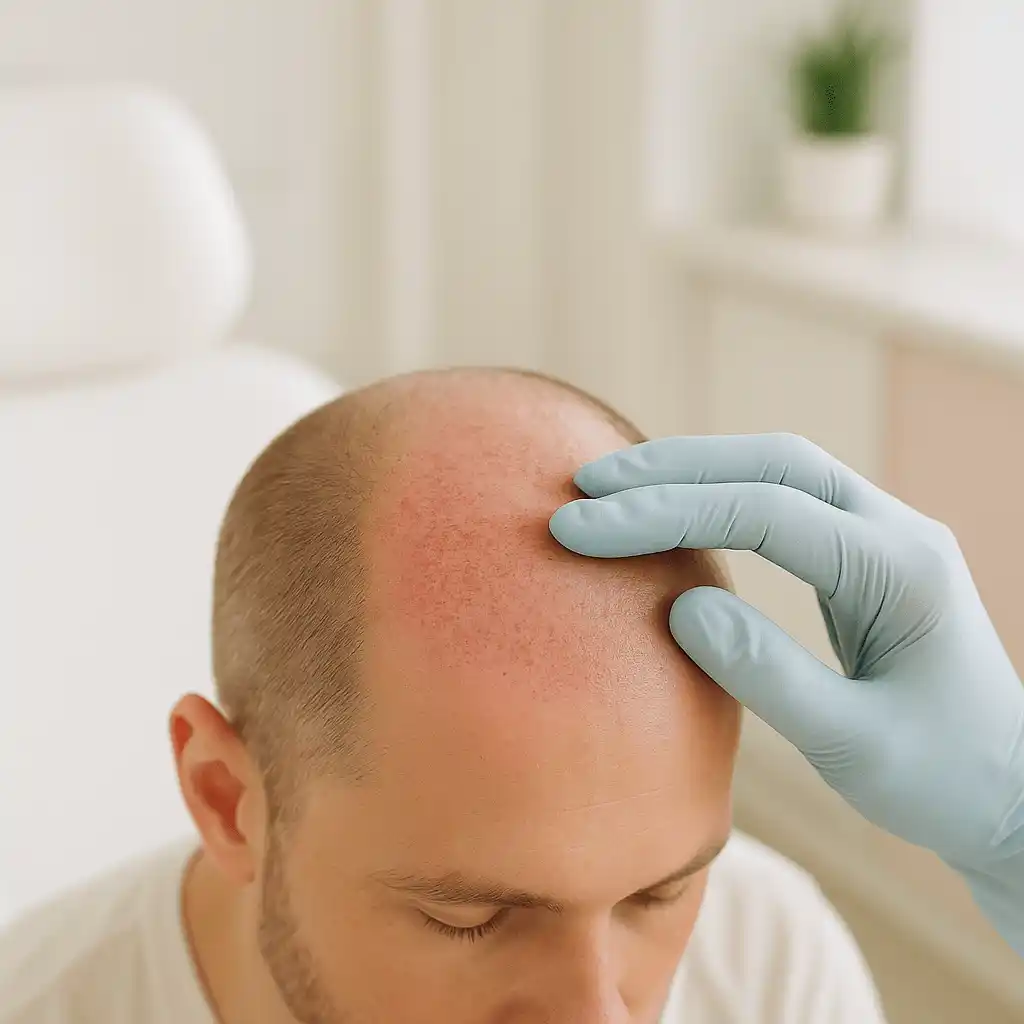
Hairline implants can be considered by people who feel that recession, thinning, or an uneven front hairline has changed their appearance. The decision involves more than adding hair: it also requires evaluating the donor area, available hair follicles, facial proportions, and the likely pattern of future hair loss. This article explains what readers should realistically assess before choosing hair restoration, including candidacy, hairline design, implantation methods, recovery, and personal expectations. Suitability cannot be determined from photos or general advice alone, so a qualified medical assessment remains essential. Understanding these factors can help you approach treatment with clearer expectations and more informed questions.
What Are Hairline Implants and Who Can Benefit From Them?

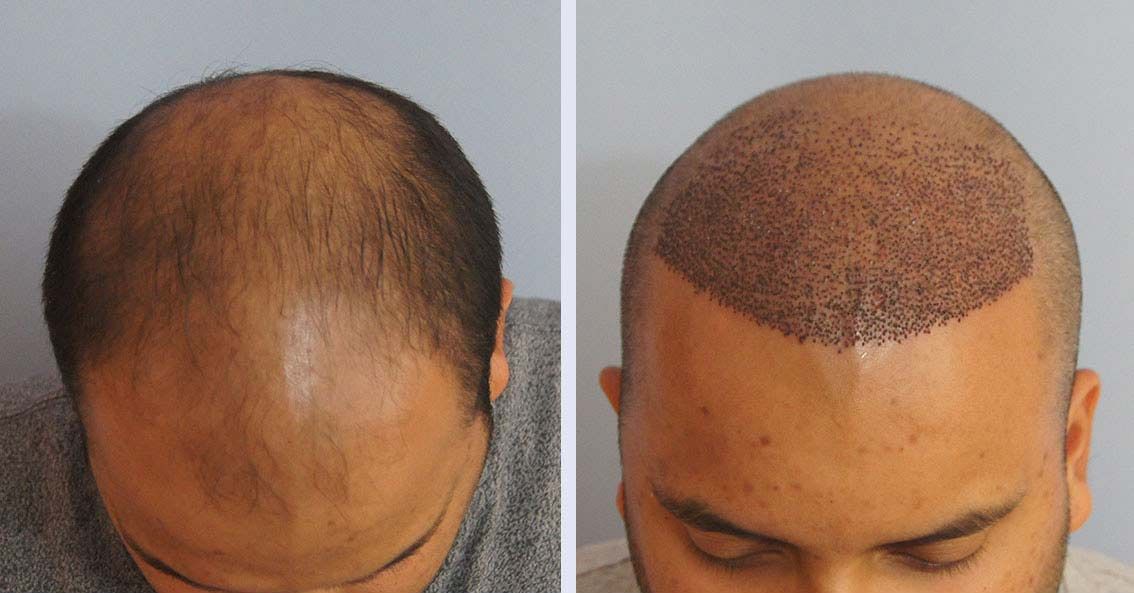
Hairline implants restore a visibly receding, uneven, or low-density hairline by moving follicles from a fuller area to places where hair has thinned or disappeared. The procedure uses small groups of hairs called grafts. Follicles are taken from the donor area, usually at the back or sides of the scalp, and placed into tiny openings in the recipient area along the frontal hairline.
The goal is to redistribute existing hair rather than create new follicles. For that reason, candidacy depends partly on whether the donor region contains enough healthy, stable hair to support the planned restoration. The pattern and cause of hair loss also matter. Receding temples, a widening frontal area, an irregular hairline, or reduced density after previous surgery may all warrant professional assessment, although each situation requires an individual plan.
A consultation should also consider the person’s age, family history, expectations, scalp health, and whether hair loss is still progressing. Active or unpredictable thinning may affect the timing and long-term appearance of treatment. A clinician can examine the scalp, assess follicle quality, and discuss whether medication, monitoring, or another hair-restoration option should be considered first.
Suitability is therefore determined through examination and realistic planning, not by a fixed checklist or a guaranteed outcome. A qualified specialist should explain the available donor supply, likely coverage, limitations, and potential risks before treatment is scheduled.
How Hairline Design Creates a More Natural Appearance

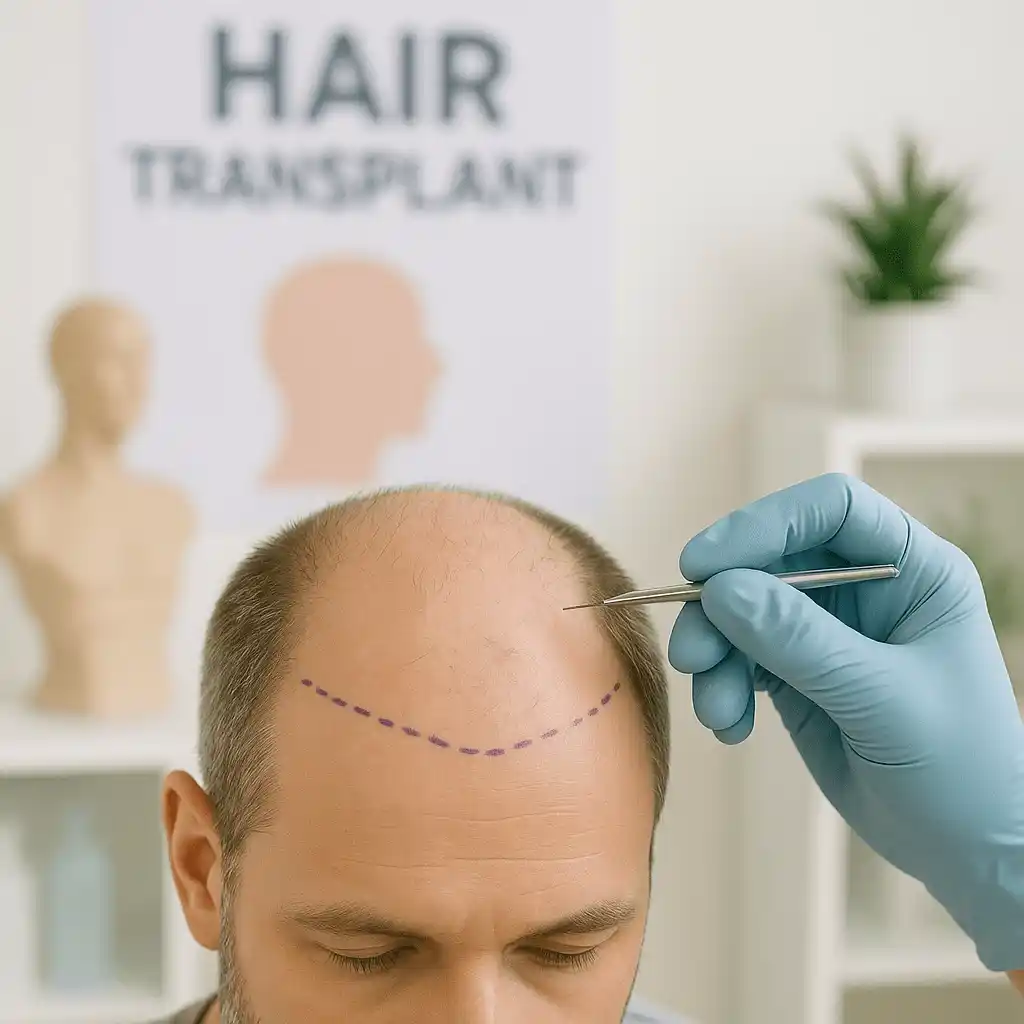
A natural-looking hairline begins with proportions, not maximum density. A clinician typically considers the forehead, temples, facial shape, age, and the position of the existing hairline before planning the recipient area. Placing the line too low can look artificial and may leave limited flexibility if further hair loss occurs. An age-appropriate design should also account for the patient’s likely future pattern and preserve a balanced relationship between the forehead and the rest of the face.
Perfectly straight edges rarely resemble natural hair. A gently irregular outline, subtle temple recession, and a gradual transition zone can make the result appear more believable. The transition zone often uses finer grafts, especially single-hair grafts, so the front edge does not look dense or sharply drawn. Behind it, graft placement can become progressively fuller to blend with existing hair.
Graft direction and angle are equally important. Follicles should generally follow the direction and curvature of nearby native hairs rather than growing uniformly upward. Small changes in angle can affect how the hair frames the face and how naturally it blends during styling. Density planning must also consider the available donor area, existing hair, and the possibility of future thinning, helping create a result that remains proportionate over time.
Which Implant Technique Fits Your Hair Loss Pattern?

The best implantation technique depends on how much hair is missing, where thinning is occurring, and how the existing hair is distributed. A hairline that needs fine refinement may require a different approach from broad frontal or crown-area loss, so the method should follow the pattern rather than dictate it.
Follicular unit extraction (FUE) removes individual follicular units from the donor area before placing them into the recipient area. It can be considered for targeted hairline work, irregular thinning, or larger sessions, depending on donor supply and the planned number of grafts. Because grafts are handled separately, the surgeon can assess their size and select finer units for the frontal edge.
Direct hair implantation, commonly called DHI, uses a specialized implanter to place extracted grafts into prepared areas. This may offer useful control when working between existing hairs or refining density in a confined region, although the practical benefits depend heavily on the surgeon’s technique and experience. FUE and DHI are not automatically better or worse; they describe different parts of the extraction and placement process.
During a consultation, ask how the proposed method suits your hair-loss pattern, hair shaft characteristics, donor capacity, existing follicles, and density goals. The discussion should also cover graft survival expectations, visible scarring risks, surgical planning, and whether medical management may help protect surrounding hair. A personalized comparison is more meaningful than choosing a technique based on its name alone.
What Happens During Recovery and Early Hair Growth?

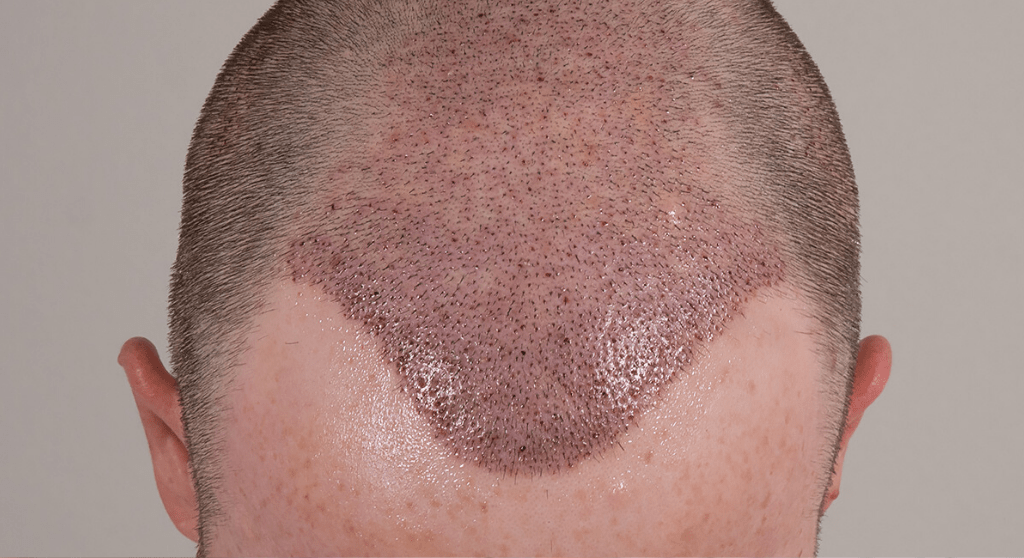
Recovery begins as soon as the procedure ends, and the first few days are mainly about protecting the newly placed grafts. The recipient area may feel tender, tight, or sensitive, while mild redness, swelling, and small crusts can develop around the follicles. These reactions can be part of normal healing, but their severity and duration vary. Patients should follow the clinic’s instructions about washing, sleeping position, physical activity, medication, and avoiding friction or direct pressure.
During the first weeks, some implanted hairs may shed. This temporary shedding can be unsettling, but it does not necessarily mean the follicle has been lost. The follicles may remain beneath the skin while the visible hair shaft falls out before a new growth cycle begins. Individual healing, existing hair characteristics, graft quality, and general health can all influence the pace of change.
New hair growth is gradual, not an immediate increase in density. Fine hairs may appear first and can look uneven or thin as they develop. Over time, they may become longer, stronger, and easier to style, although the timeline differs from person to person. Follow-up appointments help the clinician assess progress and address concerns. Increasing pain, spreading redness, pus, fever, significant bleeding, or unusual swelling should be reported promptly rather than managed without professional advice.
How Hairline Implants Can Influence Confidence and Self-Image
A visible change in the hairline can influence how a person evaluates their overall appearance. Some people feel more comfortable in photographs, social situations, or professional settings after addressing recession or uneven framing around the face. Others may simply experience less daily attention focused on their hair. These responses are personal, and treatment cannot guarantee a particular emotional outcome.
Realistic expectations are central to a healthy decision. A restored hairline may support confidence, but it does not automatically resolve body-image concerns, anxiety, or low self-esteem. Patients should discuss their desired level of change, likely limitations, and long-term hair-loss considerations during a professional consultation. Clear informed consent helps ensure that the decision is based on achievable goals rather than pressure from social images or advertising.
If concern about appearance causes persistent distress, avoidance, or significant interference with daily life, speaking with a qualified mental health professional can be valuable before treatment. Emotional wellbeing deserves attention alongside the physical assessment, and choosing hair restoration should remain a considered, voluntary decision.
FAQs
Are hairline implants permanent?
Hairline implants can provide permanent results because transplanted hair follicles from the resistant donor area are generally designed to keep growing in the recipient area. However, existing non-transplanted hair may continue to thin, and results vary according to genetics, hair loss progression, graft quality, and aftercare. A specialist may recommend ongoing treatment to maintain overall hair density.
How long does it take to see hair growth?
Most people notice early hair growth within three to four months, but visible improvement usually takes six to nine months. After a hair transplant, final density may continue developing for 12 to 18 months as the follicles mature. Results vary depending on the treatment, hair cycle, overall health, and aftercare.
Can hairline implants fix an uneven or receding hairline?
Yes, hairline implants can restore a more even shape and reduce the appearance of a receding hairline by placing grafts in the recipient area. The outcome depends on factors such as hair loss stability, donor area quality, existing hair density, and the chosen technique, such as FUE or DHI. A qualified hair restoration specialist should assess your scalp and design a natural-looking hairline.