The right hairstyle can make thinning or receding hair look more balanced without pretending to reverse hair loss. The best approach depends on where density has changed, how much coverage remains, and your preferred daily maintenance. This guide focuses on practical hairstyles for men with hair loss, including cuts, styling techniques, and discreet camouflage options for sparse areas. Texture, length, and product choice also affect the appearance of hair density. The goal is a natural, manageable look—not one that exposes the scalp or requires unrealistic upkeep.
Choosing the Right Cut for Hair Thinning and Receding Hairlines
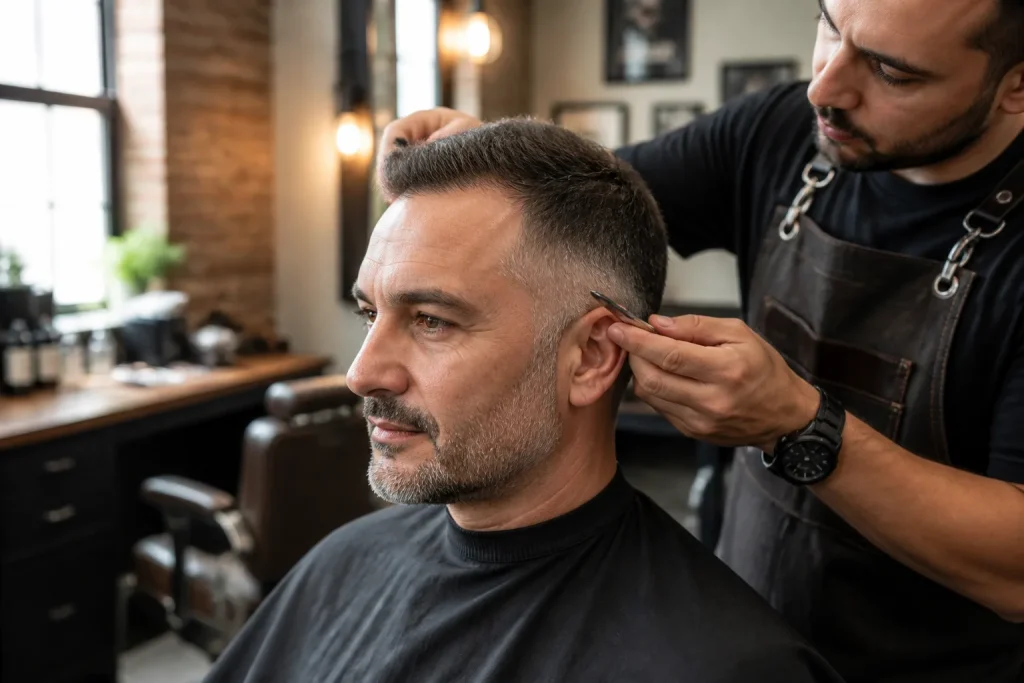
The most flattering cut depends on where density is missing, how visible the scalp has become, and how the hairline is changing. A shorter shape often reduces the contrast between fuller and thinner areas, while a soft, even blend can make recession look more intentional. Very long hair may separate into strands and expose the scalp, particularly around the crown, so extra length is not always the best way to create coverage.
Balanced proportions are usually more effective than dramatic height or sharp contrasts. A low or mid fade can suit some receding hairlines, but an overly tight fade beside a sparse top may make the difference in density more noticeable. Similarly, placing excessive volume over the crown can draw attention to the area rather than disguising it. Face shape should also guide the silhouette: a little height can lengthen a round face, while softer sides may complement a longer face.
Before the appointment, show your barber where thinning is most visible and explain how much scalp you are comfortable exposing. Ask for a cut that works with your natural growth direction, hairline position, crown pattern, and available density. Bringing clear photos of your hair after washing and air-drying can help the stylist judge its real texture and choose a practical length.
Best Hairstyles for Men With Hair Loss by Hair Pattern
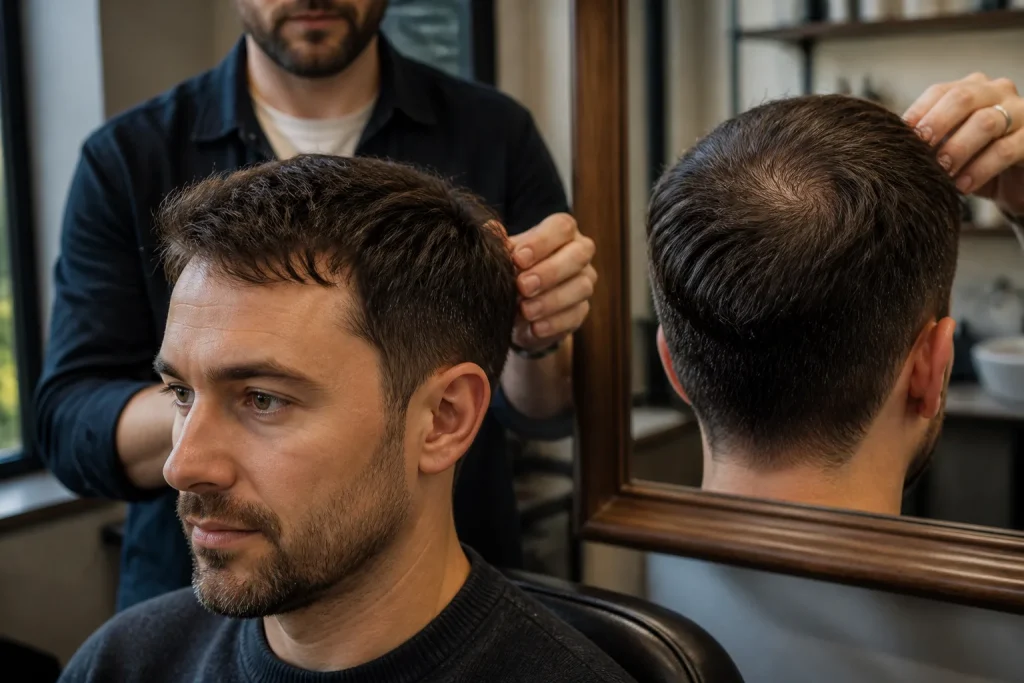
The best choice depends on where density has changed and how your natural hair behaves. A style that softens a receding hairline may expose a thinning crown, while a cut that adds movement to fine hair may be difficult to control if the strands are coarse or curly. Match the shape to the pattern, then consider how much daily maintenance and scalp visibility you are comfortable with. Understanding your specific pattern can make it easier to choose a cut that looks deliberate, balanced, and manageable rather than simply trying to conceal every area of reduced density.
- Receding hairline: A short textured crop, side-swept fringe, or close buzz cut can make the front look intentional without forcing hair forward. Straight hair usually needs light separation, while wavy hair can use its natural movement; long, sharply combed styles may draw attention to the temples.
- Crown thinning: A tapered crop with texture through the top can reduce the contrast around the crown. Avoid repeatedly directing longer hair over one small area, since movement from wind or touch can reveal the scalp.
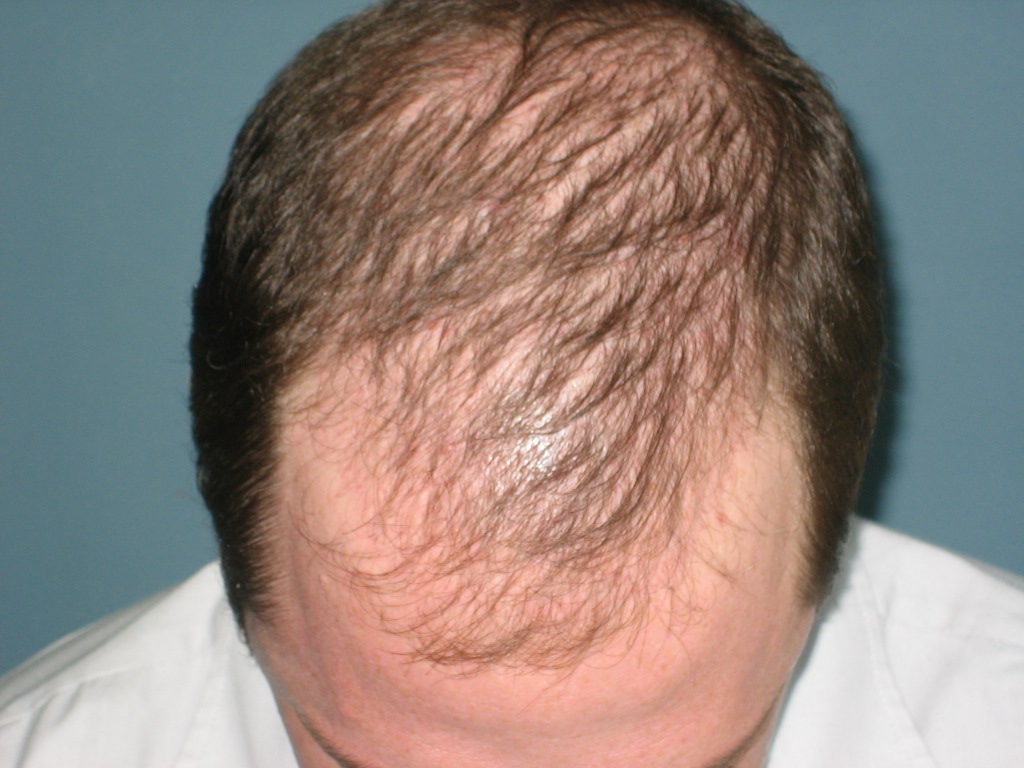
- Diffuse thinning: Short, even cuts such as a crew cut or textured crop often create a consistent appearance across the head. Keeping the sides neat may improve definition, although very short lengths can make scalp show-through more noticeable in strong light.
- Uneven or patchy density: A soft, layered shape can blend differences when enough surrounding hair remains. Coarse or curly hair may disguise irregular density through natural volume, whereas fine straight hair generally looks cleaner with a shorter, controlled outline.
These options work best when the cut is adapted to hair texture, face shape, and the way density is changing over time. A barber or stylist can adjust the length, taper, and texture so the hairstyle supports the existing pattern instead of creating sharp contrasts between fuller and thinner areas. Simple styling products may add separation or control, but excessive product can make strands clump together and increase the appearance of scalp visibility.
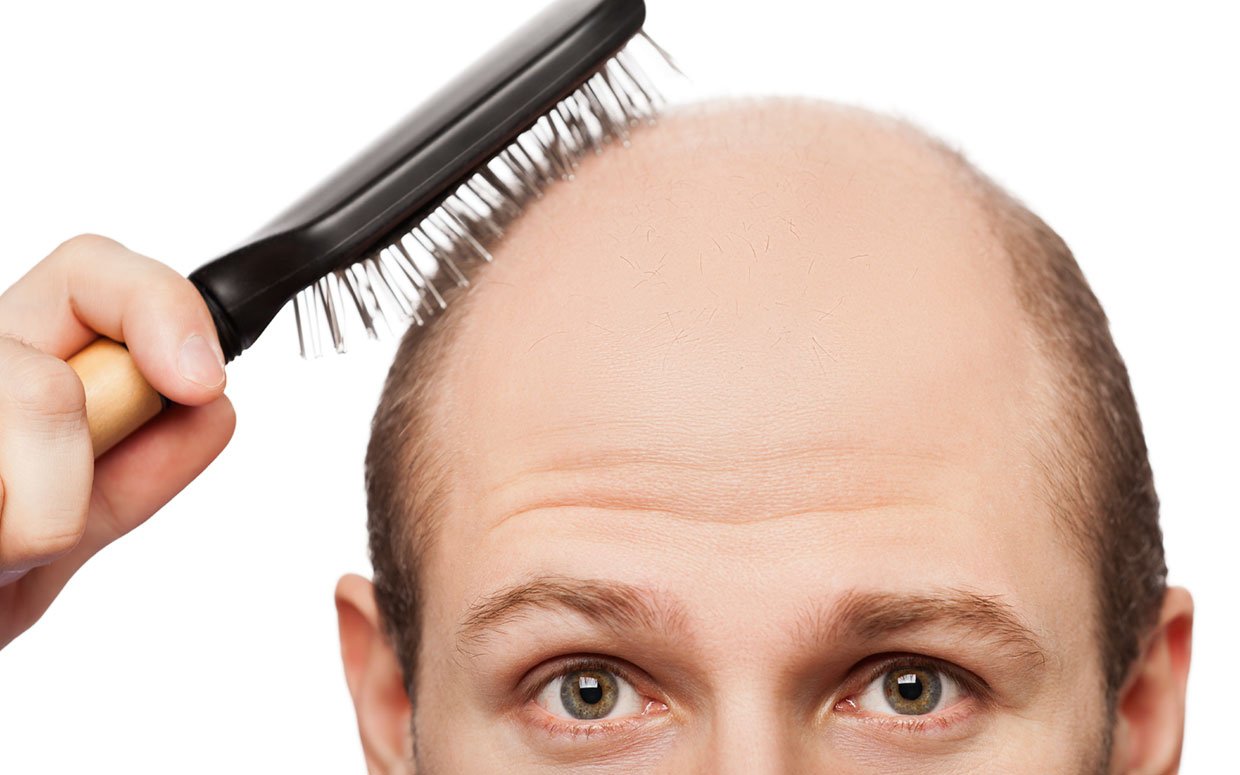
For more advanced or widespread loss, shaving the head or choosing a very close buzz cut can remove the distraction of uneven coverage and simplify grooming. The trade-off is greater scalp exposure, including redness, scars, or sun sensitivity. Regular trims help preserve the intended shape, and the same cut may need adjustment as shedding progresses or hair growth changes.
Styling Products That Add Texture Without Highlighting Sparse Areas
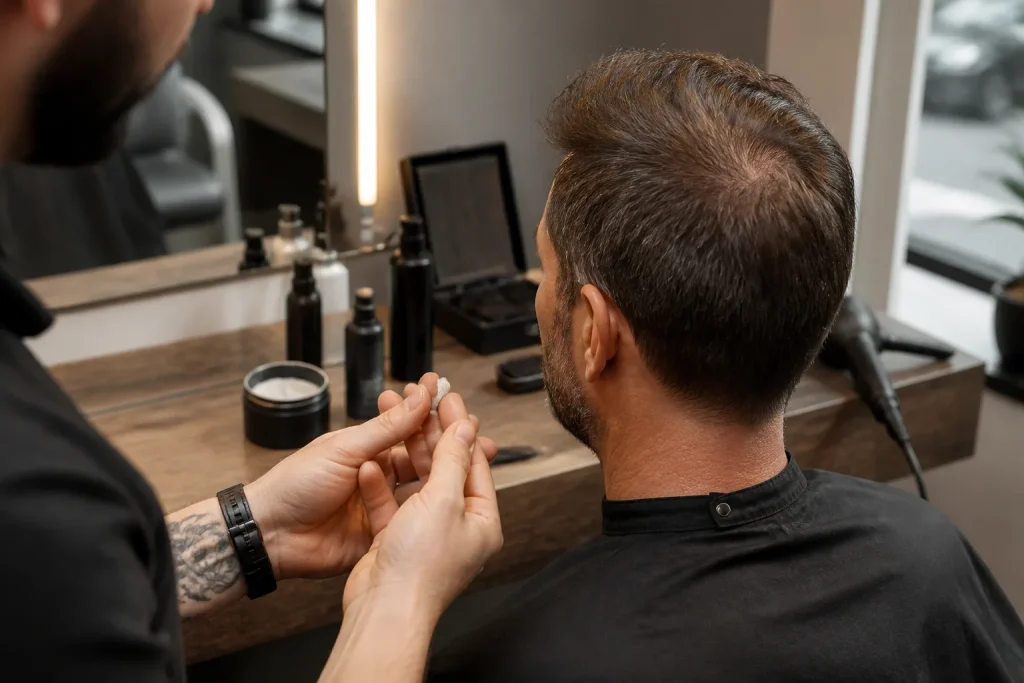
The right styling product can make thinning hair appear more substantial, but the finish matters as much as the hold. Lightweight matte clays, styling powders, and texturizing sprays add separation without creating a reflective surface. A small amount of mousse can provide lift during blow-drying, while hair fibers are better reserved for targeted camouflage rather than general styling.
Start with less product than you think you need, warm it between your fingertips, and work it through the denser areas first. Applying product mainly to the roots can create lift, but rubbing it heavily into exposed areas may separate strands and reveal more scalp. Blow-dry on a low or medium setting while directing hair across sparse sections, then use a small amount of matte clay to define the shape.
Matte finish is usually the safest choice for reducing visual contrast between hair and scalp. Heavy oils, wet-look gels, greasy pomades, and excessive shine can make strands clump together, emphasizing gaps. Products that leave powdery residue may also build up, so wash regularly according to your scalp and hair type.
If your scalp is sensitive, introduce one product at a time and test a small area first. Stop using anything that causes persistent itching, redness, or irritation. A lighter application, clean tools, and gradual experimentation often produce a more natural result than layering several products at once.
How to Use Hair Fibers, Scalp Concealers, and Hairpieces Naturally
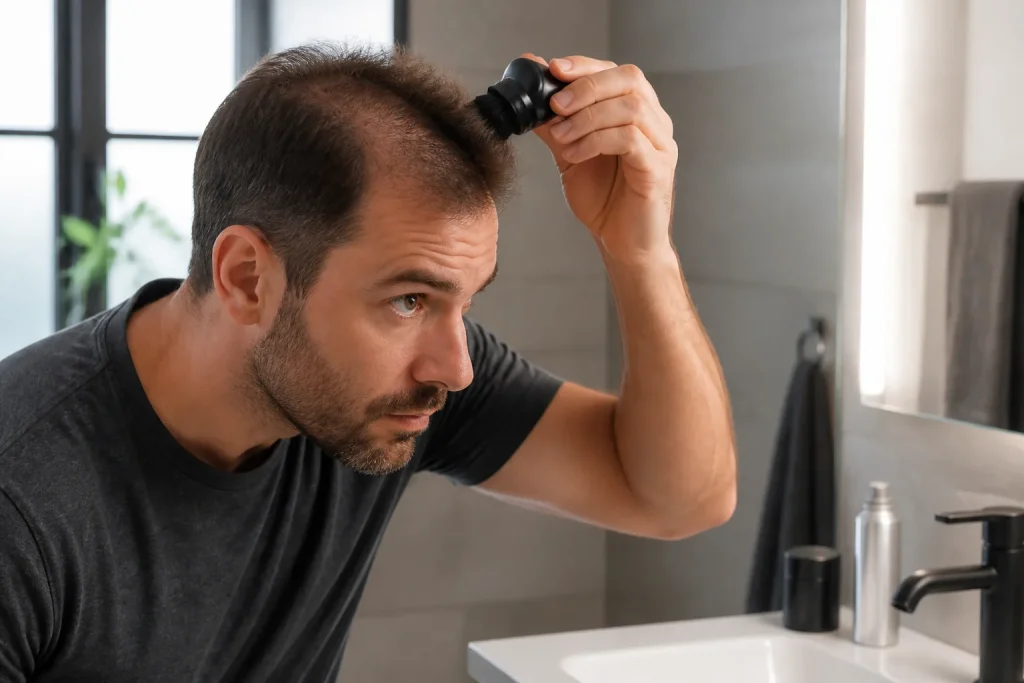
Camouflage works best when it supports the hair you have rather than trying to create the appearance of excessive density. The right option depends on hair length, the location of thinning, scalp condition, and how much time you want to spend on daily upkeep. Consider how each method will blend with your existing hair, how it will feel on your scalp, and whether you can apply and remove it consistently without discomfort.
- Hair fibers cling to existing strands and can soften the appearance of visible scalp in areas with some remaining hair. Apply them sparingly to dry hair, then secure them with a light finishing spray.
- Scalp concealers, including powders and tinted sprays, add color directly to the scalp and may suit wider areas of diffuse thinning. Choose a shade that blends with both your hair and skin rather than using the darkest available color.
- Hairpieces can cover more advanced or localized loss, but attachment must be secure without irritating the scalp. Partial pieces may look more natural when their density and texture match the surrounding hair.
- Controlled application prevents obvious edges, clumping, and sharp contrast. Build coverage gradually, check it in natural light, and avoid applying product beyond the thinning area.
Humidity, rain, sweat, pillow friction, and product transfer can affect the finish, so test wearability before relying on camouflage for a long day. Remove sprays, powders, and adhesives according to the product instructions, and allow the scalp to stay clean and comfortable. A solution that looks convincing but causes buildup or irritation is not sustainable. With careful product selection and a light, controlled application, camouflage can enhance the appearance of coverage while preserving a natural-looking result.
When to Consider Hair Restoration or Professional Advice
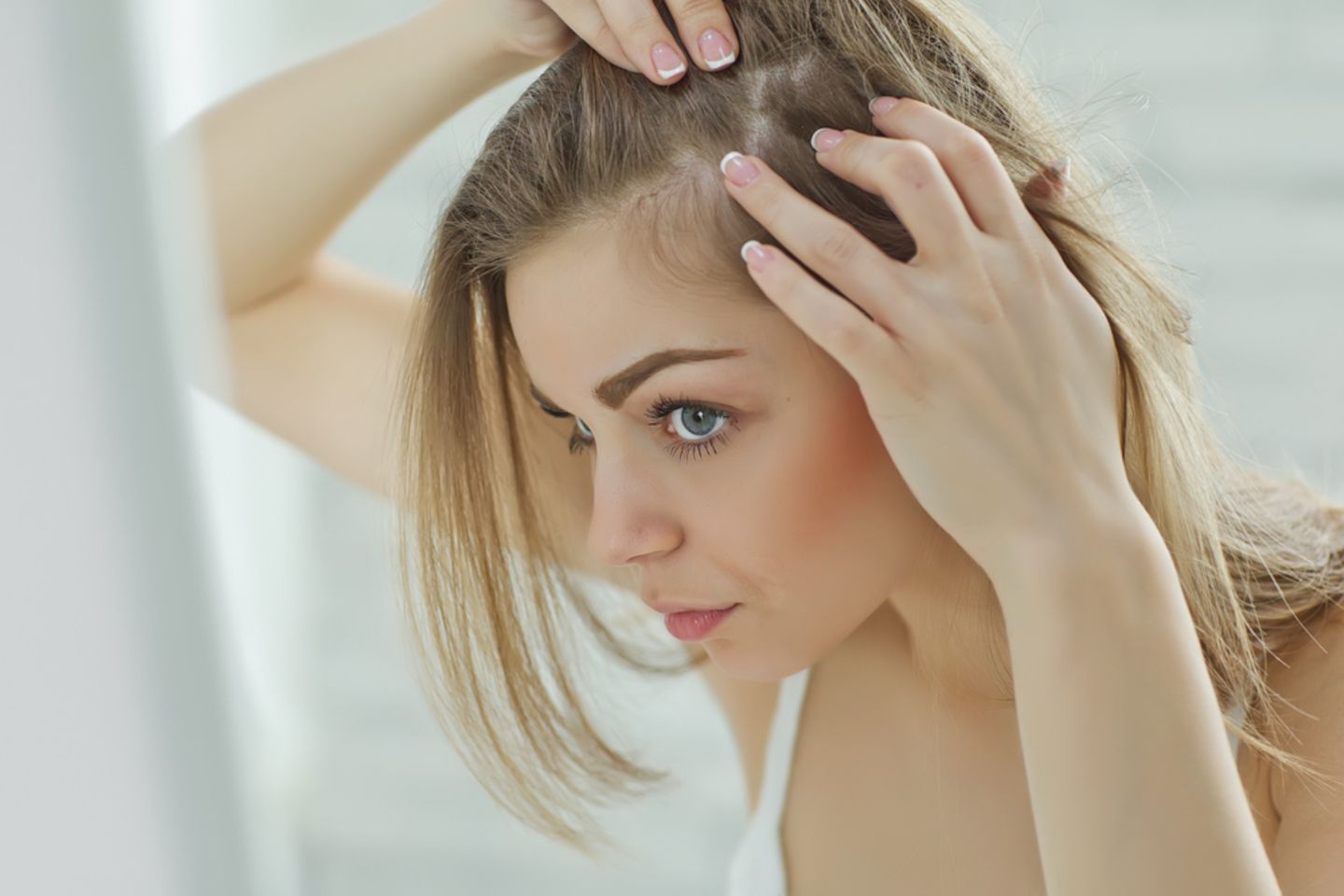
Styling can help you manage the appearance of thinning hair, but a professional assessment is advisable when the change is difficult to explain or progresses quickly. Sudden shedding, clearly defined bald patches, scalp redness, itching, pain, scaling, or signs of inflammation may require evaluation by a dermatologist or qualified hair-loss clinician. Persistent hair loss that causes significant concern is also a valid reason to seek advice rather than relying only on cosmetic adjustments.
A consultation can help distinguish hereditary pattern loss from conditions affecting the scalp, medication-related shedding, nutritional issues, or other possible causes. Diagnosis and medical guidance should remain separate from barbering decisions, even when the immediate goal is simply to find a more flattering appearance.
If restoration becomes a consideration, ask about the donor area, recipient area, available hair follicles, graft requirements, and whether techniques such as FUE or DHI are appropriate. A specialist should explain expected timelines, recovery, aftercare, potential risks, and how existing hair may continue to change. Individual candidacy determines whether a procedure is suitable, so outcomes should never be assumed from photographs or general treatment claims.
FAQs
What haircut makes thinning hair look fuller?
A short, textured haircut such as a pixie, layered bob, or blunt cut can make thinning hair appear denser by adding shape and reducing the look of sparse ends. Keeping the length above the shoulders and avoiding heavy layering often creates a fuller silhouette, while side-swept bangs can conceal visible thinning near the hairline. A stylist can tailor the cut to your hair texture, thinning pattern, and remaining density.
Can short hair hide a receding hairline?
Yes, a short haircut can make a receding hairline less noticeable by creating a cleaner, more even appearance and reducing the contrast between the hair and scalp. Styles such as a buzz cut, crew cut, or textured crop often work well, while longer hair may emphasize thinning at the temples. A barber can recommend a cut based on your hair density, face shape, and pattern of hair loss.
Are hair fibers safe for daily use?
Hair fibers are generally safe for daily use when applied to clean, dry hair and removed regularly. Choose a reputable, scalp-friendly product, avoid inhaling the fibers, and stop using it if you develop itching, redness, or irritation. People with sensitive skin or scalp conditions should check the ingredients and consult a dermatologist if symptoms persist.