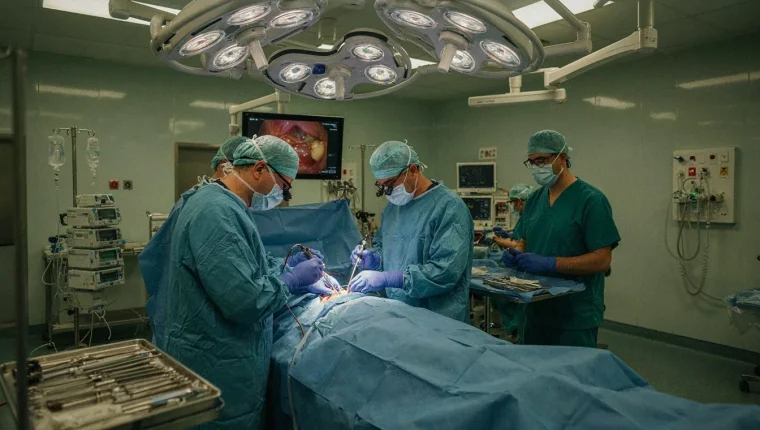
Considering gastric bypass in Istanbul but unsure what the process looks like from the United States? You’re not alone. Every year, thousands of American patients travel to Turkey for bariatric surgery because of significantly lower costs and internationally accredited hospitals. Cost is only part of the story. What matters is understanding how surgeon credentials, hospital standards, aftercare, and travel logistics come together — and where the common pitfalls are. This guide covers the entire journey step by step: from choosing a qualified surgeon and arranging your trip to Istanbul, to what recovery looks like and how follow-up care works once you’re back home. By the end, you’ll know which questions to ask and how to make a confident, well-informed decision about your weight loss surgery abroad.
Why US Patients Choose Istanbul for Gastric Bypass Surgery
For many Americans, the decision to travel abroad for bariatric surgery comes down to a simple equation: comparable quality at a fraction of the price. Gastric bypass in the US often costs between $20,000 and $30,000, while in Istanbul the same procedure typically ranges from $4,500 to $8,000 — and that figure usually covers hospital fees, surgeon costs, pre-operative testing, and several nights in a private room.
Price alone doesn’t explain the trend, though. Istanbul has built a genuine medical tourism infrastructure over the past decade. JCI-accredited hospitals, internationally trained bariatric surgeons, and English-speaking patient coordinators who handle everything from airport transfers to hotel bookings have made the process remarkably smooth for international patients.
Another factor is availability. In the US, insurance approval for weight loss surgery can take months or years, and many patients are denied outright. Turkish clinics operate on a self-pay model, meaning scheduling is measured in weeks, not years.
Geography helps, too. Direct flights from major US cities to Istanbul make the trip manageable, and most clinics recommend staying 7 to 10 days — long enough for surgery, initial recovery, and a final check-up before flying home.
The savings can exceed 70% even after adding airfare and accommodation. That combination of cost, speed, and established expertise is what keeps Istanbul among the top destinations for American bariatric patients.
Understanding the Gastric Bypass Procedure Step by Step

Before any American books a flight, the most important question is usually the same one: what actually happens during surgery? Gastric bypass is not simply stomach reduction—it is a Roux-en-Y procedure, meaning the surgeon creates a small stomach pouch and reroutes a portion of the small intestine so food bypasses part of the digestive tract. This dual mechanism of restriction and malabsorption is what makes it one of the most effective treatments for obesity and type 2 diabetes.
In Istanbul, the operation is almost always performed laparoscopically, using five to six small incisions and a camera. A typical timeline looks like this: you arrive a day or two before surgery for pre-operative tests, the procedure itself takes roughly two to three hours under general anesthesia, and most patients are walking the same evening. Hospital stays are commonly three to four nights—often longer than the standard one-night discharge in the US, which many patients find reassuring.
During those first days, you follow a staged liquid diet and receive detailed post-op instructions, usually with printed materials and interpreter support. Surgeons there perform high volumes of these operations annually, which matters: research consistently links surgical volume to better outcomes. By the time you fly home, typically a week to ten days after surgery, the acute recovery phase is well underway.
Are You a Good Candidate for Weight Loss Surgery in Turkey?
Eligibility for bariatric surgery follows well-established international medical standards, and Turkish hospitals apply the same criteria you would find at an accredited American center. Surgeons in Istanbul typically follow NIH and IFSO-aligned guidelines, so the question is less about whether Turkey has different rules and more about whether your health profile fits the procedure. The cornerstone of that assessment is your Body Mass Index (BMI), which determines whether surgery is medically justified in the first place.
Most programs in Istanbul will consider you a candidate if one or more of the following applies to you:
- BMI of 40 or higher — you qualify for surgery based on weight alone, regardless of other health conditions.
- BMI of 35–39.9 with obesity-related conditions — comorbidities such as type 2 diabetes, hypertension, or obstructive sleep apnea strengthen the case for surgery.
- Documented history of failed weight loss attempts — surgeons want evidence that diet, exercise, or medically supervised programs have not produced lasting results.
- Age between 18 and 65 — patients outside this range can still be evaluated, but they require additional specialist review.
- Commitment to lifelong follow-up — candidates must be willing to attend regular check-ups, take prescribed supplements, and adjust their nutrition permanently.
Beyond the numbers, Istanbul surgeons place real weight on psychological readiness. A pre-operative mental health evaluation screens for untreated eating disorders or unrealistic expectations, and smokers are usually asked to quit at least four to six weeks before the operation to reduce complication risks. If you have uncontrolled cardiovascular disease or severe liver problems, the surgical team may recommend stabilization first — many Turkish hospitals arrange these additional workups locally, often completing the entire pre-operative evaluation within two or three days of your arrival.
Gastric Bypass in Istanbul: Costs and Savings Compared to the US

The numbers explain why Istanbul has become a serious destination for American patients. In the United States, a gastric bypass typically costs between $18,000 and $35,000 — and that figure often excludes anesthesia fees, hospital stay upgrades, and post-op appointments. In Istanbul, an all-inclusive package generally runs between $4,500 and $7,500, covering the surgery, hospital stay, medications, and even hotel accommodation and transfers.
The cost savings are real, but it’s worth understanding why the price gap exists. Lower operating costs, favorable exchange rates, and high patient volume allow Turkish hospitals to charge less without cutting corners on technology or surgeon expertise. Many Istanbul hospitals performing the Roux-en-Y procedure use the same equipment brands and follow the same international protocols you’d find in American facilities.
What American patients should budget for beyond the package: flights (roughly $700–$1,200 round trip), a 10–14 day stay, and any follow-up care back home. Even with these added, the total rarely exceeds $10,000 — leaving most patients saving 50–70% compared to US pricing.
One practical tip: most reputable Istanbul clinics include extended aftercare — such as remote check-ins and dietary guidance — in their packages, so ask for the full list in writing before comparing quotes.
Choosing an Accredited Hospital and Surgeon in Istanbul
Your safety in Istanbul depends less on the price you pay and more on the credentials of the facility and the person holding the scalpel. The single most reliable filter is JCI accreditation (Joint Commission International), the same certification standard used by leading hospitals in the United States. Istanbul has several JCI-accredited hospitals with dedicated bariatric units, and these should be at the top of your list.
For surgeons, look beyond marketing. A qualified bariatric surgeon should be board-certified, perform a high annual volume of Roux-en-Y procedures, and hold membership in recognized bodies such as IFSO (International Federation for the Surgery of Obesity and Metabolic Disorders). Most reputable clinics publish surgeon CVs, and a video consultation before booking is standard practice — ask for it.
Verify a few essentials before committing: the hospital’s emergency and ICU capabilities, the brand of staplers and implants used, and what the package includes (pre-op testing, anesthesia, hospital stay, and early follow-up). Patient reviews from other Americans, ideally with verifiable before-and-after documentation, add useful context.
Finally, confirm your aftercare plan in writing. The best Istanbul providers arrange remote follow-up with a US-based physician or coordinate with your primary care doctor, ensuring your recovery continues seamlessly once you land back home.
FAQs
How much does gastric bypass in Istanbul cost compared to the US?
Gastric bypass in Istanbul typically costs between $4,000 and $8,000, while the same procedure in the United States generally ranges from $15,000 to $30,000 or more. This means patients can save roughly 50% to 70% by choosing Istanbul, even after factoring in travel and accommodation expenses. The lower price reflects reduced operational and labor costs in Turkey rather than lower standards, as many Turkish hospitals are internationally accredited and surgeons perform high volumes of bariatric procedures.
Is gastric bypass surgery in Turkey safe for international patients?
Gastric bypass surgery in Turkey is generally safe for international patients when performed at accredited hospitals by experienced bariatric surgeons. Turkey has many internationally accredited facilities with modern equipment and high patient volumes, which supports strong surgical outcomes. As with any surgery, safety depends on choosing a reputable clinic, verifying the surgeon's credentials, and following pre- and post-operative care instructions. Patients should also arrange proper follow-up care, either remotely with the Turkish clinic or with a doctor at home.
How long should US patients stay in Istanbul after the procedure?
US patients should typically stay in Istanbul for 7 to 10 days after the procedure, which allows enough time for the initial recovery, the first follow-up examination, and the first hair wash performed by the clinic team. Many patients choose to extend their stay by a few extra days to explore the city while resting comfortably before the long flight back to the United States.