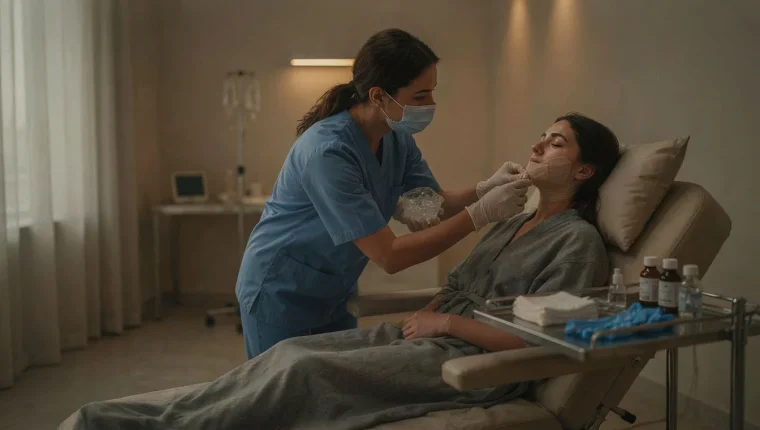
If you’re a Canadian considering chin augmentation, you’ve probably noticed that Turkey often comes up. Experienced surgeons, modern clinics, and all-inclusive packages have made Turkey a genuine option. A chin augmentation Turkey package for Canadians involves more than surgery. It combines your aesthetic goals with travel planning, recovery time, and realistic budgeting.
This guide walks you through what these packages typically include, how to judge a surgeon and clinic, the main surgical approaches, and how the whole trip fits together from consultation to recovery. We’ll also look at how to compare costs fairly and what aftercare looks like once you’re back home in Canada.
Think of this as honest orientation, not personalized medical advice. Your face, your goals, and your health history are yours alone — a qualified surgeon needs to assess them directly. What you’ll get here is the context to ask better questions and spot the difference between a well-built package and a hollow promise.
Why Canadians Choose Turkey for Chin Augmentation Packages

For many Canadians, the decision to look abroad for chin augmentation starts with a simple observation: the same procedure, performed with modern techniques, can cost dramatically less in Turkey than at home. That gap isn’t a mystery. Turkish clinics operate at high volume, and their pricing reflects lower overhead, favorable exchange rates, and a competitive market that bundles surgery, hospital fees, transfers, and accommodation into a single quoted figure. For patients who would otherwise delay treatment because of budget, that structure turns a distant possibility into a realistic plan.
Cost is rarely the only driver. Turkey has become a genuine medical-travel hub, and the logistics reflect it. Canadians can enter visa-free for short stays, direct and connecting flights from Toronto, Montreal, and Vancouver are plentiful, and Istanbul and Antalya offer recovery-friendly hotels used to hosting surgical patients. Scheduling also moves faster; many clinics can offer consultation and surgery dates within weeks rather than the months a Canadian specialist waitlist might require. Patients often describe the appeal as access — to experienced facial-aesthetic surgeons, to quicker timelines, and to a level of service built around international visitors.
What this choice does not guarantee is a good result. Lower prices and fast scheduling say nothing about a surgeon’s skill, a clinic’s accreditation, or how complications would be handled after you fly home. Those questions deserve their own scrutiny before any deposit is paid.
What a Chin Augmentation Package Typically Includes
When a Canadian patient receives a quote for chin augmentation in Turkey, the headline price rarely tells the whole story. Two packages that look similar on a clinic’s website can differ by hundreds or even thousands of dollars once you understand what is and isn’t bundled in. Before comparing anything side by side, it helps to know which components are standard, which are add-ons, and which are quietly left out.
Most bundled offers are built around a core set of surgical fees and facility costs that cover the operation itself. Beyond that core, inclusions vary widely between providers, and the differences are where careful reading pays off.
- Core medical components: surgeon’s fee, anesthesia, operating room and facility charges, and either the implant or filler material used during the procedure.
- Logistical add-ons: airport transfers, hotel accommodation for a set number of nights, a translator or English-speaking coordinator, and scheduled post-operative checks before you fly home.
- Frequently excluded items: flights, travel insurance, medical complication coverage, meals, and any costs tied to an extended stay if recovery runs longer than planned.
- Conditional or optional extras: revision surgery, additional filler top-ups, and private nursing care are usually priced separately or offered only under specific conditions.
Because no two clinics structure their bundles the same way, the safest approach is to request a written, line-by-line itemization before you commit. Ask specifically whether revision procedures, extended accommodation, and follow-up imaging are included or billed separately. A provider who answers these questions clearly in writing is giving you something more valuable than a low headline number: a realistic picture of your total cost.
How Surgeon Selection and Clinic Accreditation Affect Your Results
Two clinics can quote the same procedure and produce very different outcomes, because the result depends less on the package than on the hands and the facility behind it. Start with the surgeon’s credentials: board certification in plastic or maxillofacial surgery, specialty training in facial aesthetics, and a genuine case volume in chin work specifically — not just general cosmetic surgery. Ask how many chin augmentations they perform monthly and whether they can show a portfolio of patients with your facial proportions.
Accreditation is the second filter. A credible Turkish provider operates in a hospital or clinic with recognized accreditation, documented anesthesia standards, and clear hospital privileges for emergencies. These details matter more for an overseas patient, because your safety net abroad depends on the facility, not just the surgeon. Verifiable before-and-after images, honest discussion of limits, and a willingness to explain why a particular approach suits your anatomy are all positive signals.
Red flags follow a pattern: pressure to book quickly, vague answers about who performs the surgery, no verifiable documentation, or a price that seems too low to cover proper anesthesia and aftercare. A provider who rushes you before you have asked basic questions is telling you something about how they will handle complications later, once you are back home.
Understanding Chin Implant vs. Filler Options Within Turkish Packages

Chin augmentation in Turkey generally comes down to two routes: a surgical chin implant and injectable dermal filler. Each changes the chin in a fundamentally different way, and understanding that difference helps you judge whether a quoted package actually matches your goals.
A chin implant is a small, biocompatible device placed surgically against the jawbone through a hidden incision, either inside the mouth or under the chin. It is intended to be permanent, and it adds structure rather than volume alone — which matters if your chin is recessed or under-projected in profile. Because it is a surgical procedure, it carries real recovery: swelling, temporary eating and speaking adjustments, and a healing period measured in weeks. Within a package, an implant is usually bundled as a fixed surgical line item, since the procedure, anesthesia, and follow-up are predictable.
Filler works differently. A hyaluronic-acid gel is injected in the clinic, typically in under an hour, with little downtime. The trade-off is duration: results last roughly six to eighteen months depending on the product and your metabolism, so maintaining the look means repeat treatments. Filler suits patients who want modest projection, a trial run before committing to surgery, or correction of minor asymmetry. It is less effective when a genuinely weak chin needs structural support.
Surgeons choose between the two based on your bone structure, skin thickness, and how much change you want. Packages often price and schedule them differently — filler as a shorter, sometimes repeatable appointment, implants as a surgical episode with its own recovery window.
Planning Travel, Consultation, and Recovery Timeline for Canadian Patients
Planning the trip itself is where most Canadian patients underestimate the practical side. The process usually begins weeks before departure with an online consultation, when you send clear medical photos from multiple angles and complete a health screening covering medications, allergies, and prior facial procedures. Once a surgeon confirms you’re a suitable candidate, you book flights and accommodation, and the clinic typically schedules your in-person consult for the day after arrival.
In Turkey, the typical rhythm looks like this: land, rest, attend the in-person examination where the surgeon finalizes the plan, then proceed to the procedure. Early post-op checks usually happen within the first few days, and many clinics schedule a final review before you fly home. Most patients are cleared to fly roughly 7 to 10 days after surgery, though this varies with swelling and the technique used.
Recovery unfolds in stages. The first few days bring the most swelling and bruising, followed by gradual improvement over the next two weeks. By the time you’re ready to fly, you’ll likely still have some residual swelling that continues settling for several weeks.
Build in buffer days. A common mistake is booking a tight return flight. Extra days give you room for unexpected swelling, a delayed follow-up, or simply rest before a long journey. What happens once you’re back in Canada is a separate matter, and that’s where aftercare planning takes over.
Cost Comparison: Turkey Packages Versus Canadian Clinics
Comparing costs fairly means matching what each quote actually covers. A Turkish package often bundles surgeon fees, hospital stay, anesthesia, and transfers into one figure, while a Canadian clinic quote may list the surgeon’s fee alone and bill the facility, anesthesia, and follow-up separately. That gap is where “cheaper” can look bigger than it really is.
The real total includes more than the procedure. Flights, lodging for you and any companion, meals, and unpaid time off work all belong in the calculation, and so does the possibility of a revision. Currency matters too: quotes may be in euros, lira, or Canadian dollars, and exchange-rate swings plus card fees can shift the final number. Ask each provider about deposit amounts, refund terms, and accepted payment methods before you commit.
Because prices vary by season, clinic, and exchange rate, treat any figure you read online as a starting point rather than a fact. Request current written quotes from both a Turkish package provider and a Canadian clinic, then compare them line by line using the same categories.
| Cost Category | Turkey Package Quote | Canadian Clinic Quote |
|---|---|---|
| Surgeon fee | Usually included | Usually included |
| Hospital or facility fee | Usually included | Often billed separately |
| Anesthesia | Usually included | Often billed separately |
| Pre-op consultation | Usually included | Sometimes billed separately |
| Follow-up visits | Limited once you leave | Typically included locally |
| Airfare | Not included | Not applicable |
| Lodging and meals | Sometimes partly bundled | Not applicable |
| Airport and local transfers | Often included | Not applicable |
| Time off work | Travel days add to recovery time | Recovery time only |
| Revision or complication costs | Terms vary; confirm in writing | Terms vary; confirm in writing |
Use this framework to build your own comparison, and confirm each line with the provider directly, since inclusions vary widely between packages and clinics.
Managing Risks, Aftercare, and Follow-Up After Returning to Canada
Once you land back in Canada, the structure of your follow-up shifts. Turkish clinics typically schedule remote check-ins by video or photo at set intervals, which works well for tracking swelling, sutures, and general healing. What remote follow-up cannot do is physically examine the implant pocket, palpate for displacement, or assess asymmetry under direct light — so any concern that depends on touch or precise measurement usually needs a local set of eyes.
This is why arranging a Canadian physician or nurse for local monitoring before you fly out matters. Your surgeon’s office can share operative notes and aftercare instructions with that provider, giving them the context to spot problems early. Ask your Turkish clinic what documentation they will send and in what language.
Know the warning signs that warrant urgent care rather than a scheduled call: sudden swelling on one side, fever, spreading redness, numbness that worsens instead of fading, or visible shifting of the implant. These are not wait-and-see symptoms.
On revisions, be realistic. Most surgeons require several months of healing before judging a final result, and any correction is typically a separate procedure with its own costs and travel. Keep copies of your operative report, implant details, and post-op photos — you will need them for any Canadian provider or future surgeon.
FAQs
What does a chin augmentation Turkey package for Canadians typically include beyond the surgery itself?
A chin augmentation package for Canadians in Turkey typically bundles the surgical procedure with airport transfers, hotel accommodation, and follow-up clinic visits for suture removal or wound checks. Many providers also include pre-operative blood tests, anesthesia fees, compression garments, and a post-op care kit, along with English-speaking coordination or a translator. Some packages add virtual consultations before travel and remote follow-up after you return to Canada, though the exact inclusions vary by clinic.
How do Canadian patients verify a Turkish clinics credentials and surgeon qualifications before booking?
Canadian patients can verify a Turkish clinic by checking whether it holds a valid health tourism authorization certificate from Turkey's Ministry of Health, which maintains a public list of licensed international health facilities. They should also confirm the surgeon's medical registration through the Turkish Medical Association and look for board certification in the relevant specialty, such as plastic surgery. Cross-referencing the surgeon and clinic on independent review platforms, along with requesting before-and-after photos and direct contact with previous patients, adds further verification.
What should Canadians expect for recovery time and follow-up care when traveling to Turkey for chin augmentation?
Canadians traveling to Turkey for chin augmentation typically return home within 7 to 10 days, once initial swelling and bruising have eased enough for air travel, though final results settle over 3 to 6 months. Turkish clinics usually schedule a follow-up visit before departure and then provide remote check-ins via video or email, since in-person reviews are impractical after you fly home. Arrange a local physician in Canada for suture removal, infection monitoring, or any complication, and confirm your clinic's aftercare terms in writing before booking.