If you’ve been thinking about breast reduction for a while, you probably know that the cost can vary by where you have it done. In the United States, the procedure often costs five figures, and anesthesia, facility fees, and post-op care make the total even higher. That’s one reason many Americans quietly start looking abroad.
Turkey has become one of the most searched destinations for this surgery, and not just because the price looks different. Experienced surgeons, accredited private hospitals, and clinics that are used to managing every step for international patients have made the country a real option rather than a gamble. Still, “cheap” and “safe” don’t always travel together, so it helps to understand what a breast reduction Turkey package for Americans actually covers, and where the real differences between clinics show up.
Why American Patients Choose Turkey for Breast Reduction
The decision to travel abroad for surgery is rarely made on price, and most American women who book a breast reduction in Turkey arrive after months of comparing surgeons, reading reviews, and weighing the realities of having an operation far from home. What tips the scale is usually a combination of factors that line up in a way the US system simply doesn’t offer.
Surgeon experience stands out first. Many Turkish plastic surgeons trained in Istanbul or Ankara perform many breast procedures each year, which tends to refine their technique across a wide range of body types. Patients also notice that pre-operative consultations are often longer, more image-based, and focused on shaping outcomes rather than just insurance approval.
Then there is the structure of care itself. Clinics designed for international patients typically coordinate the surgeon, hospital stay, hotel recovery, and follow-up visits under one roof, which removes a layer of logistical stress that American patients are used to managing on their own.
Finally, the recovery environment plays a quiet but real role. Recovering in a hotel by the Bosphorus, with a private nurse visit scheduled, simply feels different from recovering at home while juggling work and family. That softer landing becomes part of the reason many women say they would choose the same route again.
What’s Included in a Typical Turkey Breast Reduction Package

Most packages offered to international patients follow a fairly consistent blueprint, because clinics bundle the same core services that a local patient would otherwise coordinate on their own. The idea is to remove the logistical guesswork so you can focus on the surgery and the recovery. Once you know what falls inside that umbrella, comparing offers between clinics becomes much easier.
- Pre-operative assessments including blood work, imaging, and an in-person consultation with the surgeon to confirm candidacy and map the surgical plan.
- The procedure itself performed under general anesthesia in an accredited hospital or surgical center, with operating room and anesthesiology fees included.
- Medications and post-op garments such as prescribed antibiotics, pain relief, and the compression bra worn during the initial healing phase.
- Hospital stay typically one night for monitoring, though some surgeons discharge patients the same day when the case is straightforward.
- Follow-up appointments in person at the clinic, plus remote check-ins once you return home so the team can monitor healing from a distance.
- Airport transfers and hotel accommodation arranged by the clinic’s patient coordinator, often including a companion staying in the same room at no extra cost.
The exact mix varies, and that is where the fine print matters. Some clinics quote a number that looks complete but excludes the compression bra, the second garment, or the final scar-treatment creams. Others include extras such as lymphatic drainage massages, a city tour, or a translator who stays with you through every appointment. Ask for a written line-item breakdown before you commit, because the difference between two packages often comes down to a handful of small inclusions rather than the surgery itself.
Understanding the Surgery and Techniques Used
Breast reduction surgery, also called reduction mammoplasty, is a procedure designed to remove excess breast tissue, fat, and skin to achieve a breast size that better matches your body’s proportions. For American patients considering a breast reduction Turkey package, understanding the actual surgery helps you separate marketing claims from real medical practice.
The operation is performed under general anesthesia and usually takes two to four hours, depending on the technique and the amount of tissue being removed. Most surgeons in Turkey use one of three incision patterns: a circular incision around the areola (most suitable for small reductions), a keyhole or racquet-shaped pattern that circles the areola and extends downward, or an inverted-T or anchor pattern for larger reductions. Your surgeon selects the approach based on your breast size, skin elasticity, and desired final shape.
Turkish clinics typically favor techniques that preserve nipple sensation and the ability to breastfeed when possible, often combining careful internal reshaping with liposuction for smoother contouring. Many surgeons also use superomedial pedicle methods, which maintain a reliable blood supply to the nipple while creating an upper-pole fullness that looks natural.
Before booking a package, ask which technique your surgeon recommends for your case, why that approach suits your anatomy, and what scarring to expect. A reputable clinic will explain the trade-offs clearly rather than offering a single one-size-fits-all method.
Recovery Timeline and Aftercare for International Patients
Recovery after a breast reduction follows a fairly predictable arc, but flying home adds a few extra checkpoints worth planning around. Most women spend the first 24 to 48 hours resting at the hotel with light compression from the surgical bra provided in the package. By day three or four, swelling peaks and starts to settle, and gentle walking becomes comfortable again. Stitches are usually removed or trimmed between days seven and ten, which conveniently lines up with the typical 7 to 10 night stay offered by most clinics.
Long flights home require a few extra precautions. Surgeons generally recommend waiting at least seven days before flying, wearing compression stockings during the journey, and moving around the cabin every hour or so to support healthy circulation. Keeping the upper body slightly elevated, staying hydrated, and avoiding heavy lifting for the first three weeks all help protect the early results. Once back in the States, local follow-up care is usually straightforward, since the incisions only need routine wound checks and scar care guidance rather than specialized equipment.
The biggest adjustment for international patients is simply giving the body permission to rest on a realistic schedule. Most women feel presentable for light social activity by week two, return to desk work around day ten to fourteen, and ease back into full exercise closer to six weeks.
Costs, Hidden Fees, and How Packages Compare to US Pricing
Comparing the price of a breast reduction in Turkey to what you’d pay in the United States starts with understanding what each number actually represents. A US quote usually reflects the surgeon’s fee, anesthesia, and facility use alone, while every consultation, garment, medication, and follow-up visit shows up as a separate line item. Turkish package pricing works on a different philosophy: the clinic bundles these elements into a single figure, which is why the headline number looks dramatically lower even before you account for the cost of traveling.
The comparison only makes sense once you strip each quote down to the same components. Look at where savings genuinely come from and where “all-inclusive” language can quietly inflate the final bill.
- Published package price covers the surgery, hospital stay, transfers, hotel nights, and a basic set of post-op garments — yet it rarely includes the cost of pre-op mammograms or bloodwork done in the US before flying out.
- Surgeon and anesthesia fees in Turkey are lower because facility overhead and malpractice premiums differ; this is the largest contributor to the price gap, not a reduction in the scope of care.
- Compression garments and prescribed medications are sometimes substituted with generic equivalents in package pricing, so confirm brand and dosage if your US dermatologist or primary care provider has specific preferences.
- Revision policy is the most commonly overlooked cost line: ask whether touch-ups, if needed, are included, partially covered, or billed separately, since revision surgery in the US can run into five figures.
- Currency conversion and payment timing matter — paying in USD vs Turkish lira can shift the final amount by a few hundred dollars depending on the clinic’s exchange policy.
When both quotes are normalized to the same clinical scope, the savings for Americans typically land in the 50–65% range, even after factoring in flights, a companion’s hotel nights, and incidental expenses. The key is asking each clinic for a written line-item breakdown so the comparison reflects apples-to-apples care rather than a lower headline number with thinner coverage behind it.
Travel Logistics: Flights, Stays, and Planning the Trip
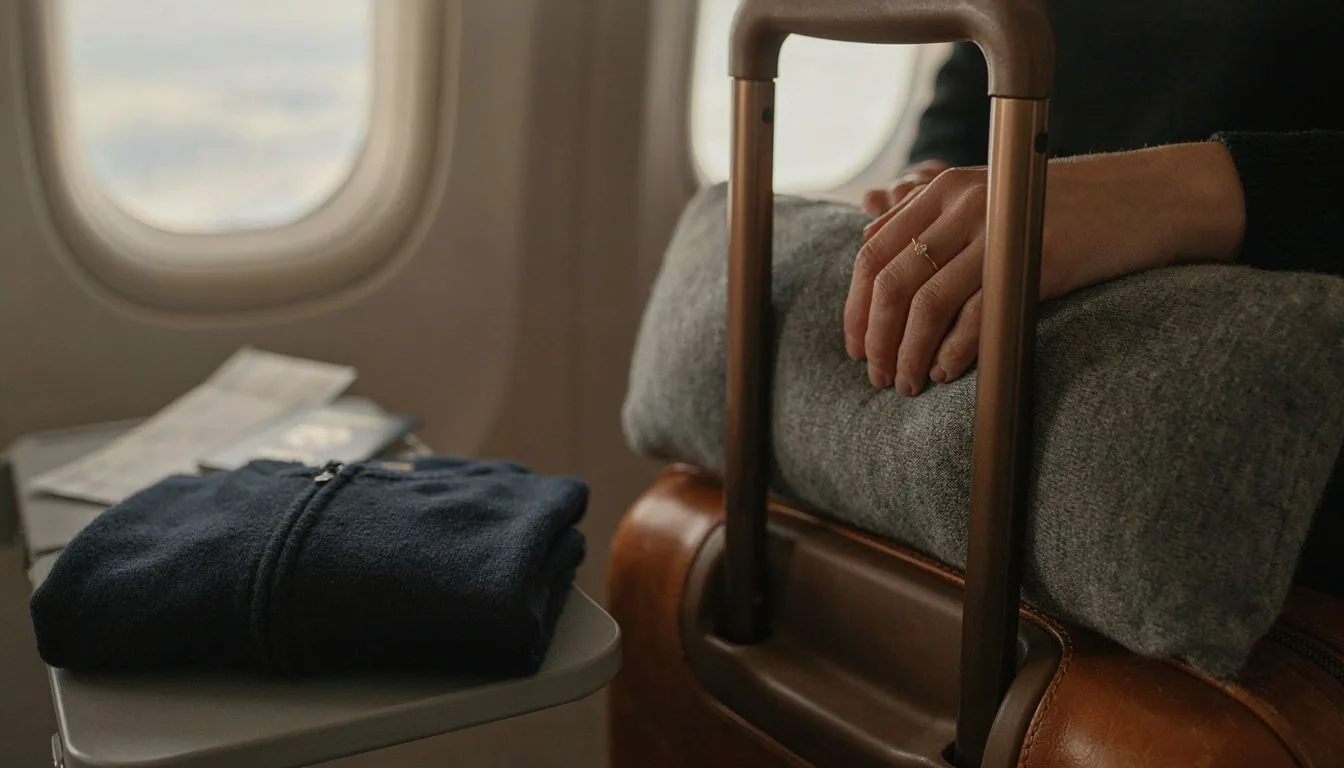
Once the surgical plan and package details are locked in, the practical side of the trip deserves just as much attention. Most patients fly into Istanbul because it offers the largest pool of direct and one-stop connections from major US hubs, and clinics usually coordinate pickups based on arrival windows rather than specific times. Bring comfortable, front-opening tops, slip-on shoes, and a small pillow for the flight home; cabin pressure and seatbelt pressure across the chest are genuinely uncomfortable during the first week after surgery.
Length of stay is normally six to eight nights on the ground, split between one or two nights in the hospital and the rest at the hotel included in the package. Confirm in writing whether the room is booked for the patient only or for a companion, and ask about room type, breakfast inclusion, and proximity to the clinic for follow-up visits. Keep digital and printed copies of your passport, medical reports, and clinic contact details in separate bags so that one lost suitcase does not derail the whole trip.
Before departure, check that your passport has at least six months of validity, review your visa requirements, and notify your bank of travel dates to avoid card holds. A small buffer of two extra days beyond the planned return date is wise, since surgeons occasionally extend observation if swelling behaves differently than expected.
FAQs
What is typically included in a breast reduction Turkey package for Americans?
A typical breast reduction Turkey package for Americans usually bundles the surgeon's fee, anesthesia, and hospital facilities with pre-operative blood work and consultations, the surgery itself, and post-operative garments along with follow-up visits. Most clinics also include airport transfers and hotel accommodation for the recommended stay, and many add a personal translator or English-speaking patient coordinator to help bridge any language gaps. Ground transfers between the hotel, clinic, and hospital, plus basic aftercare medications, are commonly part of the bundle as well. The exact inclusions vary by provider, so Americans should request a detailed written list before booking.
How much can Americans expect to save with an all-inclusive breast reduction package in Turkey?
Americans can typically expect to save between 50% and 70% on an all-inclusive breast reduction package in Turkey compared to prices in the United States. Most packages range from roughly $3,000 to $6,000, while the same procedure in the U.S. often costs $10,000 to $15,000 or more before additional fees. These savings reflect lower operating and surgeon costs in Turkey, though exact prices vary based on the clinic, surgeon credentials, and what's included.
Are consultations and follow-up care covered in breast reduction packages designed for American patients?
Yes, most breast reduction packages designed for American patients include the initial consultation and at least one follow-up visit, though the exact number of post-operative appointments varies by provider. Patients should confirm in advance which consultations, in-person follow-ups, and any revision visits are covered, as some packages only count toward the surgical fee and exclude additional aftercare services. It is also important to clarify whether the package covers complications or only routine scheduled visits, since policies differ across clinics.