Most patients feel relief once they’re back in Canada after breast reduction surgery abroad. The hard part isn’t the operation, it’s the recovery window. The first week affects how your scars heal, how your swelling settles, and how quickly you return to normal life. I’ve seen patients who followed every instruction carefully and were back at a desk job within ten days. I’ve also seen others who pushed too soon and ended up with stretched scars or fluid buildup that needed draining back home.
The first three days matter most. Keep your upper body slightly elevated, even when sleeping, and stick to the pain medication schedule your surgeon gave you rather than waiting for sharp pain to hit. Walk around the house every few hours to keep blood moving, but don’t lift anything heavier than a phone. Incisions need to stay dry and covered according to the protocol you were sent home with, and tight clothing is off the table for at least three to four weeks.
Managing Post-Surgical Discomfort During the Flight Home
Traveling home after breast surgery is rarely the most painful part of recovery, but the hours spent seated, dehydrated, and immobile can absolutely amplify soreness if you’re not prepared. Cabin pressure tends to make tissues feel puffier than they did on the ground, so a compression bra that supports without digging in becomes your best friend for the flight.
Set a small timer on your phone every hour or so as a gentle prompt to roll your ankles and shift your weight, since even tiny movements keep blood moving and reduce that heavy, swollen sensation. Keep pain medication, ginger chews, and a refillable water bottle in your personal bag; flight attendants are usually happy to top you up, but having your own supply removes the awkwardness of asking mid-turbulence.
If your surgeon clears you for short walks, pacing the aisle once the seatbelt sign goes off helps your chest feel less tight, and a soft pillow tucked against the seatbelt itself can spare tender incision areas from pressure when you reach the gate.
Navigating Canadian Healthcare Follow-Up Appointments
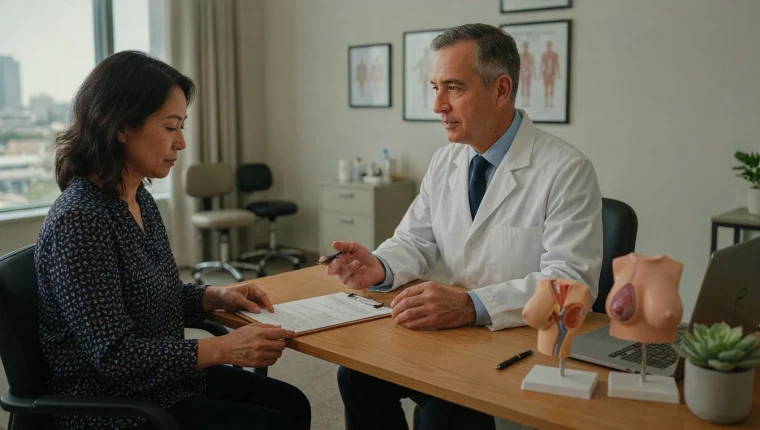
Once you’re back on Canadian soil, the real rhythm of recovery begins, and that rhythm is largely shaped by the follow-up schedule your surgeon sets out. Most patients see their plastic surgeon within the first week, then again around the two- and six-week marks, though timelines vary based on how your healing is progressing. The key is treating them as a partnership rather than a checkpoint: your surgeon needs to see the incision sites, drains (if any are still in place), and overall tissue response, while you need a structured opportunity to ask questions about swelling, sensation changes, and activity restrictions.
Coordination between your surgical team and local healthcare providers often makes the difference between a smooth recovery and a frustrating one. Here’s what to keep in mind as you map out your appointments:
- Request a written surgical summary from your overseas clinic before leaving, including operative notes and implant or tissue removal details, so your Canadian providers have full context.
- Confirm whether your family doctor is comfortable reviewing post-op wounds, since many GPs are happy to handle routine checks between specialist visits.
- Ask about virtual follow-up options, which several Canadian plastic surgery clinics now offer for patients who travelled for their initial procedure.
- Keep a dedicated folder or digital file for every document, prescription, and photograph of your healing progress so nothing gets lost between visits.
- Clarify in writing what is and isn’t covered by your provincial health plan, because follow-up care related to a surgery performed abroad may be treated differently.
If you’re in a province where your original surgeon doesn’t practise, look into clinics that specialize in post-surgical revision or revision breast surgery consultations, as they tend to be familiar with the techniques used abroad and can step in if complications arise. Many patients find it helpful to book the first Canadian appointment before even flying home, so there’s a confirmed date waiting rather than an open calendar that keeps getting pushed back.
Recognizing Warning Signs That Need Immediate Attention
Once the initial relief of being home settles in, your body starts telling its own story, and learning to read that story is one of the most important parts of breast reduction aftercare. Some degree of swelling, tightness, and bruising is completely normal in the first two weeks. What matters is knowing when everyday healing crosses into something that needs urgent medical review.
A sudden expansion of swelling on one side, especially if it feels firm or warm compared to the other, can point to a developing hematoma, a collection of blood that sometimes needs prompt drainage. Fluid leaking beyond the first few days, redness that spreads rather than fades, or a fever above 38°C all suggest infection that responds far better to early treatment than late. Shortness of breath, chest pain, or a calf that becomes painful and swollen should be treated as an emergency regardless of how the incisions look, because these signs can signal a blood clot that has travelled to the lungs.
Keep your surgeon’s after-hours contact close, know the location of the nearest emergency department, and don’t second-guess yourself. If something feels wrong at 2 a.m., it deserves a call, not a wait until morning. Trusting your instincts here protects both your recovery timeline and, more importantly, your long-term health.
Adjusting Daily Activities and Work After Returning
The first two weeks back home usually set the tone for how smoothly the rest of the recovery unfolds. Most surgeons recommend taking at least 10 to 14 days off work, especially if your job involves lifting, reaching overhead, or standing for long stretches. Light desk duties can sometimes be resumed sooner, but only if you can take breaks to walk around, hydrate, and keep your chest properly supported.
Daily routines also need a careful rethink. Driving is generally off the table until you can comfortably wear a seatbelt without sharp pain and you are no longer taking prescription pain medication. Cooking, grocery runs, and household chores should be simplified wherever possible, since even small movements like pulling a heavy oven door can strain healing tissue. Many patients find it helpful to prepare meals in advance or accept offers of help from friends and family during the early recovery window in Canada.
Exercise is another area where patience pays off. Walking short distances is usually encouraged within the first week to support circulation, but upper-body workouts should wait until your surgeon confirms the incisions have healed enough to handle resistance. Returning to activity gradually, rather than rushing back to a pre-surgery fitness level, tends to produce better long-term results and lowers the risk of setbacks that could complicate the final outcome.
Scar Care and Long-Term Healing Strategies
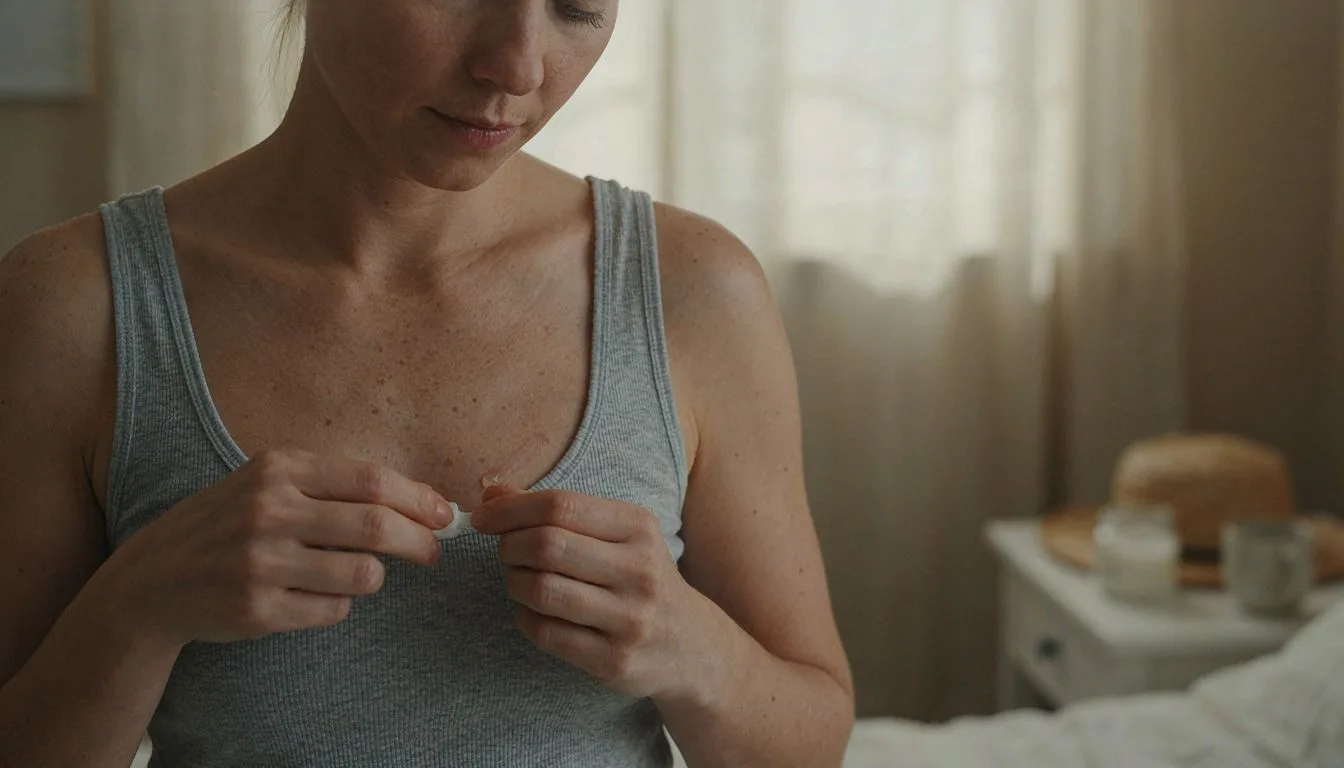
Scars from breast reduction surgery evolve slowly, often taking a full year or longer before they reach their final appearance. The first three months are when incisions look their most noticeable — raised, pink, or slightly uneven — which is completely normal. What you do during this window shapes how discreet those lines eventually become, so a steady, low-effort routine usually outperforms any aggressive shortcut.
- Silicone-based sheets or gels applied once the incisions are fully closed help flatten and soften the scar by maintaining steady hydration and light pressure on the healing tissue.
- Daily sun protection on exposed chest skin prevents fresh scars from permanently darkening, since UV exposure can permanently alter pigmentation in immature tissue.
- Massage with a neutral moisturizer after the first four to six weeks breaks down early adhesions and improves flexibility around the incision line.
- Smoking cessation keeps oxygen flowing to the healing skin, dramatically lowering the risk of wide or stretched scars over the long term.
- Avoiding laser or chemical treatments on the scar for at least twelve months prevents damage to collagen that is still reorganizing beneath the surface.
Patience is the ingredient most patients underestimate. Your body continues remodeling collagen well after the visible healing has finished, and the scar you see at month three rarely resembles the one left at month twelve. If a particular area stays raised, widens, or pulls uncomfortably, your Canadian surgeon can revisit it through post-surgical revision, but most patients find that consistent everyday care removes the need for any further procedure.
Emotional Recovery and Support Systems in Canada

Breast reduction aftercare reaches beyond the physical once you’re settled back home, and the emotional side of recovery deserves just as much attention. Many patients describe a strange mix of relief, impatience, and moments of doubt during the first few weeks, especially when swelling hides the final shape or when sleep positions still feel awkward. These feelings are common and tend to fade as the body settles, but they shouldn’t be brushed off.
Talking openly with people you trust makes a real difference. A partner, close friend, or family member who understands the surgical journey can offer perspective on days when the mirror feels discouraging. If those feelings linger or deepen, speaking with a post-surgical revision or revision breast surgery-aware counsellor, or even your GP, is a reasonable next step. Some patients also find value in connecting with others who have had the procedure, whether through local women’s health groups in cities like Toronto, Vancouver, or Montreal, or through moderated online communities.
Canada also offers practical support channels worth knowing about. Provincial health lines, post-operative nursing hotlines offered by some clinics, and community mental-health resources can help if anxiety, sleep disruption, or body-image concerns start to interfere with daily life. Recovery is rarely a straight line, and leaning on the right people often shapes the experience just as much as the surgical technique itself.
FAQs
When can I safely resume strenuous exercise following my breast reduction back home in Canada?
Most Canadian plastic surgeons recommend waiting 4–6 weeks before gradually resuming strenuous exercise after breast reduction surgery, with light walking typically encouraged within the first week to support circulation. Heavy lifting, high-impact cardio, and chest-intensive workouts should be reintroduced only after clearance from your surgeon, usually around the 6-week mark once incisions are well healed. Following your specific post-operative instructions and attending follow-up visits will ensure a safe return to full activity.
How do I manage and monitor incision sites during the early healing period after returning from surgery?
Inspect daily for redness, swelling, warmth, drainage, or separation of the wound, and photograph the site if helpful to track subtle changes. Keep the area clean and dry, change dressings as directed, and contact your surgical team promptly if you observe increasing pain, spreading redness, foul-smelling discharge, fever, or any opening of the incision, as these may signal a complication requiring evaluation.
Are there specific follow-up appointments or check-ins I should schedule with a local surgeon after my procedure?
Yes, most surgeons schedule a follow-up appointment within one to two weeks after the procedure to check your healing and remove any stitches if needed, and then additional visits may be recommended depending on your recovery progress. Your surgeon's office will provide a personalized follow-up schedule based on the specific procedure you had.