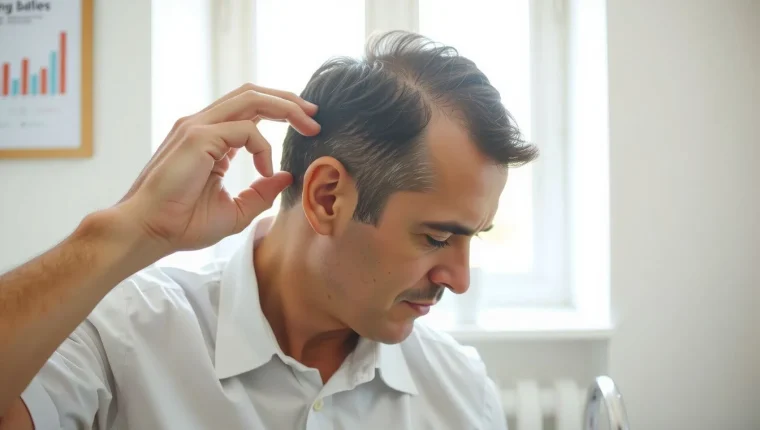
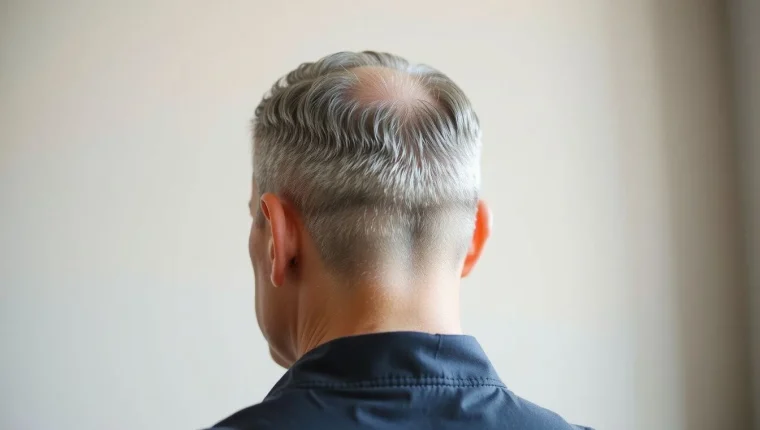
Finding more hair in your brush, pillow, or shower drain is unsettling, especially when it happens day after day. Some daily shedding is normal—hair grows, rests, and falls in a continuous cycle. The question is whether what you see is ordinary turnover or something worth acting on. When shedding is well above your usual baseline, it usually points to one of a few underlying causes, and the pattern matters as much as the volume. Identifying the cause comes first because excessive hair fall from a temporary trigger behaves very differently from inherited, pattern-based loss. The right treatment steps depend entirely on what is driving the shedding.
What Counts as Excessive Hair Fall and When to Worry

Shedding hair is a normal part of the hair growth cycle. Most people lose roughly 50 to 100 strands a day as part of a natural turnover, where older hairs fall out to make room for new ones. This daily loss often goes unnoticed because it is spread across washing, brushing, and ordinary movement. The amount can also shift with the season, after a wash, or when hair is longer and simply more visible when it collects.
What separates routine shedding from something worth investigating is not a single day’s count but a change in pattern and density. Warning signs include shedding that stays elevated for several weeks, hair coming out in noticeably larger clumps, a widening part or thinning patch, and a scalp that becomes more visible over time. Duration matters as much as volume: a short spike often resolves on its own, while persistent loss suggests an ongoing process.
If shedding continues without easing, or you can see a real change in thickness, a professional evaluation becomes reasonable. Confirming what is driving the loss is the sensible next step before deciding on any response.
Common Causes Behind Heavy Daily Shedding
Heavy daily shedding rarely has a single trigger. In most cases, it reflects a disruption in the hair growth cycle, in which more follicles than usual shift from the growing phase into the resting and shedding phase at the same time. Because the hair cycle responds to the body’s overall condition, several different pressures can produce a similar increase in daily loss.
One common driver is physical or emotional stress. Illness, surgery, high fever, rapid weight loss, and sustained psychological strain can push a large number of follicles into the resting phase, with shedding appearing weeks later. Hormonal shifts form another group: thyroid imbalances, pregnancy and postpartum changes, menopause, and conditions affecting androgen levels can all alter shedding volume.
Nutritional gaps matter as well. Low iron stores, insufficient protein, and deficiencies in vitamin D, zinc, or B vitamins can weaken hair production and shorten the growth phase. Scalp conditions such as seborrheic dermatitis or fungal infection, along with certain medications including some antidepressants, blood thinners, and retinoids, may also increase daily loss.
These factors frequently overlap. Stress can reduce appetite, poor intake can worsen iron status, and a thyroid problem can intensify both. That overlap is exactly why self-diagnosis is unreliable; identifying the true cause usually requires clinical assessment rather than assumption.
How Androgenetic Hair Loss Differs From Other Types
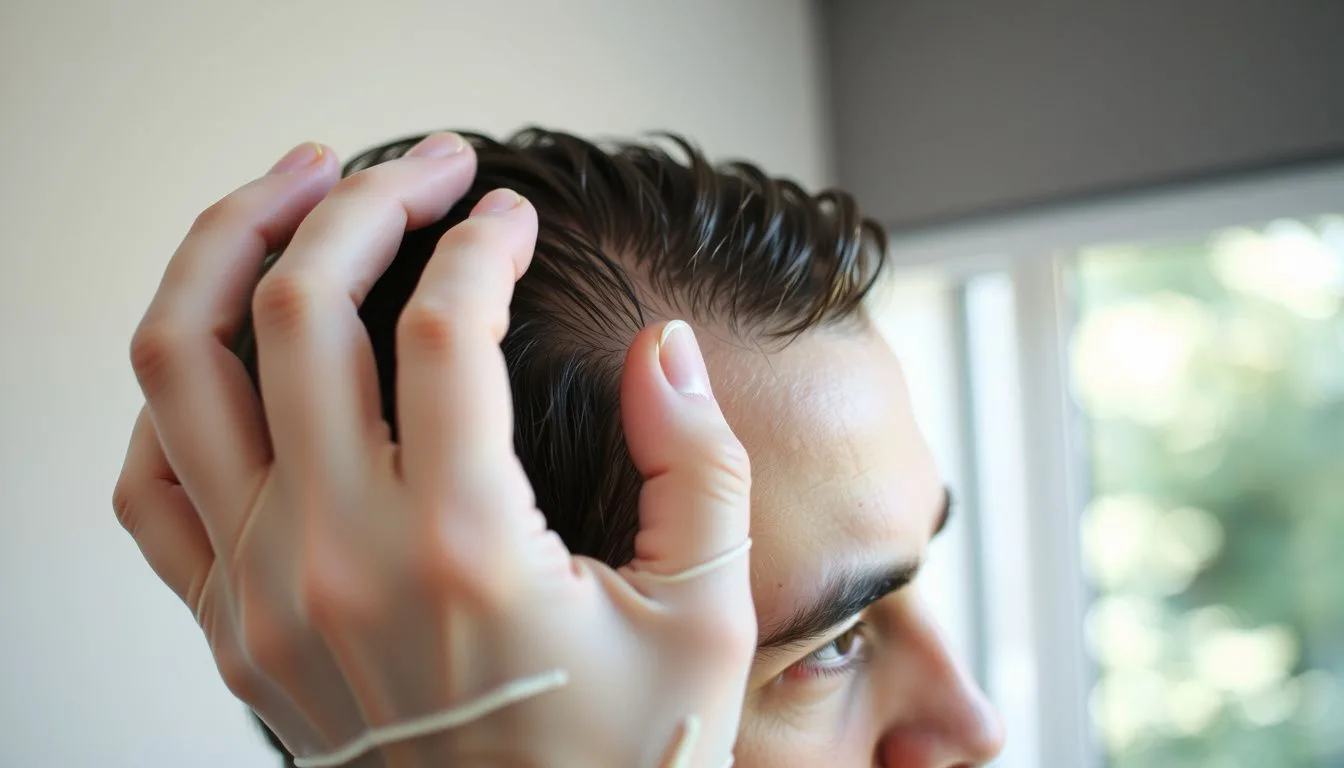
Androgenetic hair loss follows a different logic from the shedding patterns described earlier. Most temporary shedding is diffuse, meaning hair thins fairly evenly across the scalp, and it often reverses once the trigger resolves. Androgenetic alopecia, by contrast, is a gradual, patterned form of thinning driven by genetics and hormones. It does not simply increase the number of hairs falling out each day; it changes the hairs themselves.
The key mechanism is miniaturization. Under the influence of dihydrotestosterone (DHT), susceptible follicles shrink with each growth cycle, producing hairs that become progressively finer, shorter, and less pigmented until they no longer emerge from the scalp. This is why the condition is progressive rather than episodic, and why density declines even when daily shedding looks unremarkable.
The pattern differs by sex. Men typically see a receding hairline and thinning at the crown, while women usually experience widening of the central part with diffuse thinning that spares the frontal hairline. Recognizing this inherited, patterned progression matters because it points toward a different treatment approach than the reversible shedding covered earlier, a sequence addressed in the sections that follow.
Diagnosing the Root Cause Before Choosing a Treatment
Treating hair loss before confirming its cause is one of the most common reasons people waste months on products that never had a chance to work. Different triggers respond to entirely different approaches, so a treatment matched to the wrong problem will not just underperform — it can mask the real issue while it continues to progress. This is why a proper evaluation comes first.
That evaluation usually begins with a structured history: when the shedding started, whether it followed an illness, medication change, or major stress, and how it has evolved over time. The clinician then examines the scalp and the hair itself, looking at density, the distribution of thinning, and whether follicles show signs of miniaturization rather than simple shedding. In many cases, blood work is added to rule out thyroid imbalance, iron deficiency, or other conditions that can mimic or worsen the problem.
Only once the cause is confirmed does the choice of treatment become a reasoned decision rather than a guess. A confirmed diagnosis is the bridge between recognizing that something is wrong and acting on it correctly.
Treatment Steps for Androgenetic Hair Loss
Treatment for androgenetic hair loss works best as a staged, ongoing process rather than a single fix. Because the underlying sensitivity to DHT continues, any step you take only holds its ground while you keep using it. The first line is usually medication: topical minoxidil, which extends the growth phase, and oral finasteride, which lowers DHT and slows further miniaturization. These are often combined, since one supports regrowth while the other defends what remains.
If those options stall or are not enough, clinicians add procedural steps. Platelet-rich plasma injections and low-level laser therapy can support follicle activity, while hair transplantation moves DHT-resistant follicles to thinning areas. Each fits a different stage, so timing matters as much as the choice itself.
Expect results over months, not weeks. Shedding may briefly increase before it settles, and gains fade if treatment stops. Regular follow-up lets your clinician adjust the plan as your pattern changes.
FAQs
What are the most common causes of excessive hair fall in both men and women?
The most common cause of excessive hair fall in both men and women is androgenetic alopecia, a hereditary condition driven by the sensitivity of hair follicles to dihydrotestosterone (DHT). In men, this typically produces a receding hairline and thinning at the crown, while women usually experience diffuse thinning along the part line with preservation of the frontal hairline. Other frequent contributors include telogen effluvium triggered by stress, illness, or nutritional deficiencies, as well as thyroid disorders, hormonal imbalances, and certain medications. Because treatment depends on the underlying cause, identifying whether the loss is androgenetic or reactive is the essential first step before starting any therapy.
How does androgenetic alopecia differ from other types of hair loss?
Androgenetic alopecia differs from other types of hair loss because it follows a predictable, inherited pattern driven by genetic sensitivity to dihydrotestosterone (DHT), rather than resulting from temporary factors like stress, nutritional deficiencies, illness, or medication. It typically causes gradual thinning along the hairline, crown, or vertex in a recognizable progression, whereas conditions such as telogen effluvium or alopecia areata tend to produce diffuse shedding or sudden, patchy bald spots. Unlike reactive or autoimmune hair loss, androgenetic alopecia does not usually resolve on its own once the underlying cause is removed, and it often requires ongoing treatment to slow or reverse its progression.
What treatment steps are recommended for androgenetic hair loss?
For androgenetic hair loss, dermatologists typically begin with topical minoxidil, which slows shedding and supports regrowth in both men and women. Oral medications such as finasteride or spironolactone may be added depending on gender and medical suitability, while low-level laser therapy and platelet-rich plasma can complement these options. In advanced cases where follicles have stopped producing hair, hair transplantation remains the most effective step, and treatment works best when started early and continued consistently.