Finding more hair in the shower drain or on your brush can be unsettling and may raise the question of whether it is normal or signals a problem. Hair shedding is common, but it is not one condition with one cause. It can reflect a routine growth cycle, a shift in hormones, a nutritional gap, an illness, a medication, or ongoing stress. These causes produce different patterns and timelines, so the same amount of shedding can mean different things from one person to the next. Understanding what causes hair to fall out starts by separating ordinary turnover from loss that signals an underlying issue and identifying warning signs that deserve a doctor’s attention.
The Hair Growth Cycle and Why Shedding Is Normal
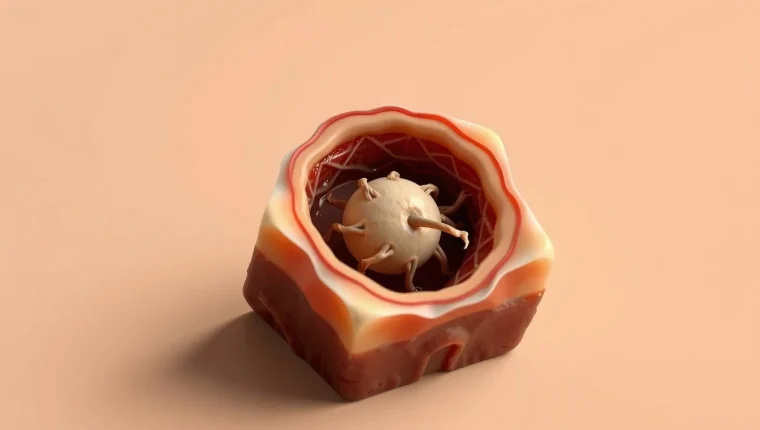
Hair doesn’t grow continuously. Each strand moves through a repeating cycle: a growth phase that can last several years, a short transitional phase, and a resting phase that ends when the hair is released and falls out. Because individual follicles are at different points in this cycle at any given time, the shedding is staggered rather than synchronized. This is why losing hair every day is built into how hair works, not a sign that something is wrong.
For most adults, shedding roughly 50 to 100 strands a day falls within the normal range of this turnover. The count rises slightly with washing or brushing, since loose hairs that were already detached are simply dislodged. New hairs are simultaneously emerging from follicles that have re-entered the growth phase, so overall density stays fairly stable.
The key distinction is whether lost hair is being replaced. Normal shedding is balanced by regrowth, so the scalp doesn’t thin over time. A problem is more likely when daily loss clearly exceeds the typical range, when hair comes out in clumps, or when shedding continues for weeks without visible regrowth. Persistent thinning, a widening part, or a receding hairline points to something beyond routine turnover and deserves a closer look.
How Genetics and Hormones Influence Hair Loss
Genetics and hormones are the two forces most often behind persistent, patterned hair loss. If thinning runs in your family, you may have inherited follicles that are unusually sensitive to a hormone called dihydrotestosterone (DHT). DHT is a byproduct of testosterone, and in genetically predisposed people it gradually shrinks hair follicles, producing thinner, shorter strands until the follicle stops producing visible hair altogether.
This inherited sensitivity explains the classic patterns. In men, it typically appears as a receding hairline and thinning at the crown. In women, it usually shows as a widening part and overall density loss rather than bald patches. The timing and speed differ from person to person, but the underlying mechanism is the same.
Hormonal shifts also change when and how loss appears. Pregnancy, menopause, thyroid changes, and starting or stopping certain medications can all disrupt the hair cycle. Estrogen tends to support longer, fuller growth, so when levels drop, more follicles may enter the resting phase and shed. These shifts often overlap with genetic predisposition, which is why hair loss can seem sudden even when the tendency was always there.
Because DHT-driven loss affects the follicle itself, it rarely reverses on its own. Without treatment, the shrinkage tends to be progressive and can become permanent.
Medical Conditions and Medications That Trigger Thinning

Many medical conditions can push hair follicles into a resting phase earlier than usual, producing noticeable thinning weeks or months after the underlying problem begins. Thyroid disorders, both underactive and overactive, are common culprits, as are autoimmune conditions such as alopecia areata, in which the immune system mistakenly attacks hair follicles. Infections, major surgery, and severe illness can also disrupt the growth cycle, often causing diffuse shedding rather than distinct bald patches.
Medications are another frequent trigger. Certain drugs used for depression, blood pressure, arthritis, and cancer treatment are known to cause hair loss as a side effect. Chemotherapy is the most familiar example, but even common prescriptions can thin hair in some people. The key point is that medication-induced shedding is usually reversible once the drug is stopped or adjusted.
When an underlying illness is treated or a medication is changed, hair often regrows over several months. However, never stop a prescribed treatment without medical guidance, since the condition it manages may be more serious than the thinning itself.
Nutritional Deficiencies and Lifestyle Factors Behind Excess Shedding
Hair follicles are among the most metabolically active structures in the body, which makes them sensitive to what you eat and how you live. When nutrient intake falls short, the follicle’s growth machinery is often the first thing to slow down. Iron deficiency is one of the most common culprits, particularly in menstruating women, since iron is needed for the enzymes that drive cell division in the hair matrix. Low ferritin levels can increase shedding even before anemia develops. Protein matters just as much: hair is largely keratin, and restrictive or crash diets that cut calories and protein sharply can push a large share of follicles into a shedding phase a few months later. Vitamin D, zinc, and B vitamins such as biotin and B12 also support normal follicle function, and low levels of any of these are worth checking.
Lifestyle factors add to the load. Chronic stress raises cortisol, which can disrupt the growth cycle and trigger diffuse shedding, while poor sleep and crash dieting compound the effect. Harsh daily habits — tight ponytails, frequent heat styling, and chemical treatments — cause breakage and traction damage that can look like excess loss. If shedding persists despite a balanced diet and gentler routine, testing for underlying deficiencies is a reasonable next step.
When to Seek Help and How Hair Loss Is Diagnosed
Most shedding settles on its own, but certain patterns signal that it is time to stop watching and start investigating. See a doctor if you notice sudden or patchy hair loss, diffuse thinning that persists beyond a few months, a visibly irritated or scaly scalp, or shedding paired with fatigue, weight change, or unusual menstrual cycles. These features point away from routine turnover and toward an underlying trigger that deserves assessment.
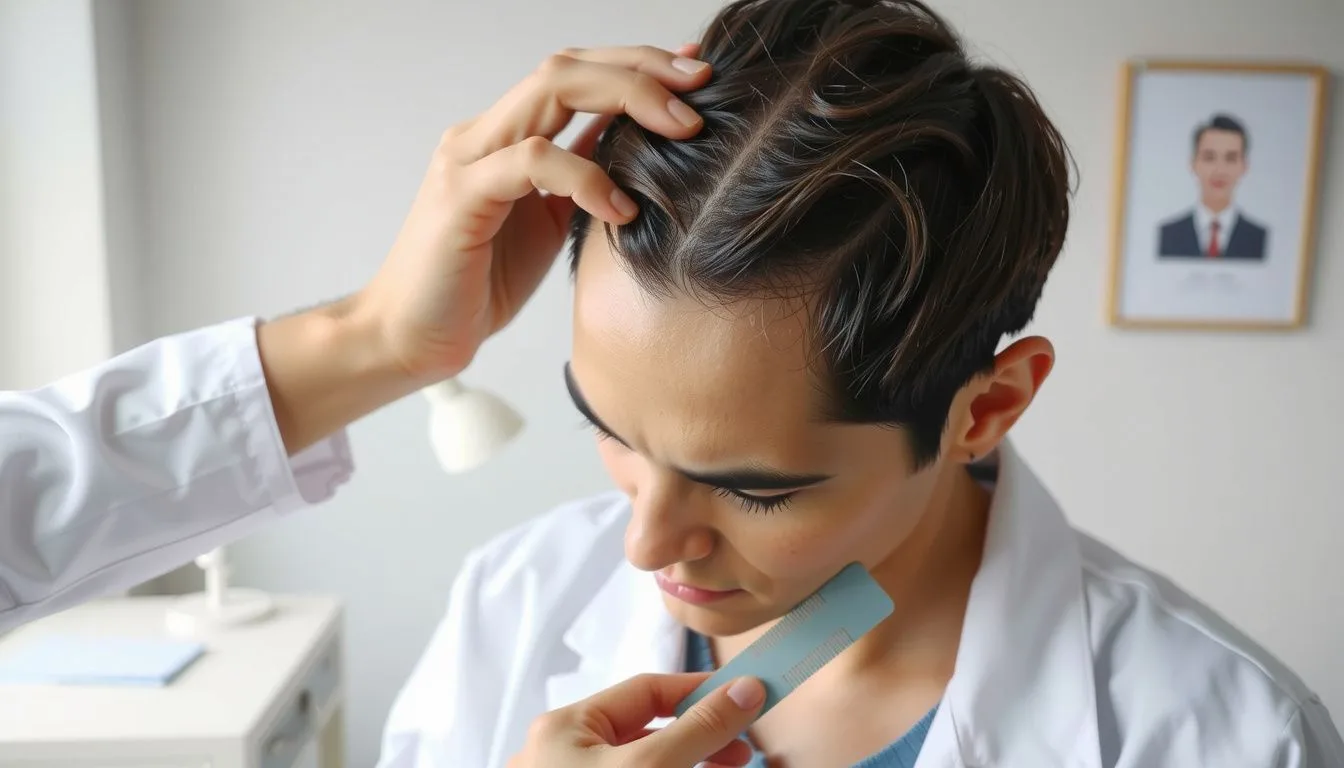
A clinician begins with your history: when the shedding started, how much you lose daily, recent illnesses, surgeries, major stress, diet changes, and every medication or supplement you take. Expect a close look at your scalp for inflammation, scarring, or broken hairs, plus a gentle pull test to gauge how readily strands release.
Blood tests commonly check ferritin, thyroid function, vitamin D, and complete blood count, since Iron deficiency and thyroid disorders are frequent, treatable contributors. In some cases a scalp biopsy or trichoscopy clarifies the diagnosis. Early evaluation matters because several causes are reversible when addressed promptly, and identifying the type of loss guides the right treatment rather than guesswork.
FAQs
What are the most common reasons hair starts falling out?
The most common causes of hair loss include androgenetic alopecia (male and female pattern baldness), telogen effluvium triggered by stress, illness, or nutritional deficiencies, and hormonal shifts such as those during pregnancy, menopause, or thyroid disorders. Medical conditions like alopecia areata, scalp infections, and certain medications or treatments (including chemotherapy) also frequently lead to hair falling out. Tight hairstyles, harsh chemical treatments, and poor diet can contribute to gradual or sudden shedding. Identifying the underlying trigger is essential, since treatment and reversal depend on the specific cause.
Can stress or poor diet really make your hair fall out?
Yes, both stress and poor diet can contribute to hair loss. Severe or prolonged stress can push hair follicles into a resting phase, leading to noticeable shedding months later, a condition known as telogen effluvium. Poor nutrition, especially deficiencies in iron, zinc, vitamin D, and protein, weakens hair structure and disrupts the growth cycle. Addressing these underlying factors often helps slow or reverse the shedding once the cause is corrected.
How can you tell if hair loss is temporary or permanent?
Temporary hair loss, such as telogen effluvium triggered by stress, illness, or nutritional deficiencies, usually causes diffuse shedding that reverses once the underlying cause is resolved. Permanent hair loss, most commonly androgenetic alopecia or scarring alopecia, involves progressive thinning or follicle destruction that does not regrow on its own. A key sign is whether shedding is sudden and widespread versus gradual and patterned, and whether regrowth occurs within several months. A dermatologist can confirm the type through history, scalp examination, and sometimes a biopsy.