Thinning along the hairline rarely happens overnight. You may notice a widening part, a sparser temple, or edges that no longer hold a style as they once did. The real question is what is happening beneath the surface: are the follicles alive and able to recover, or is the loss permanent? That distinction shapes every decision about hairline loss treatment. This article explains what causes edge thinning, how to judge whether regrowth is realistic, and which approaches help.
What Causes Hairline Loss Along the Edges?

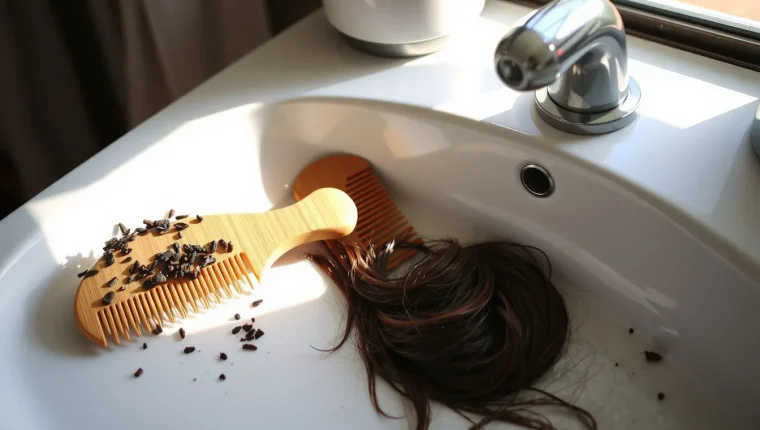
Hairline loss along the edges usually develops through a combination of external stress and internal biology. Traction is one of the most common culprits: tight ponytails, braids, weaves, and repeated pulling on the same strands gradually weaken the follicles near the temples and forehead. Chemical relaxers and frequent heat styling add another layer of strain, often leaving the edge hair brittle and prone to breakage.
Beyond styling, several internal factors can drive thinning at the hairline. Hormonal shifts related to thyroid function, pregnancy, or menopause may disrupt the hair growth cycle, while androgenetic alopecia causes follicles to miniaturize over time. Nutritional gaps, chronic stress, and certain medications can also push more hairs into a shedding phase than usual.
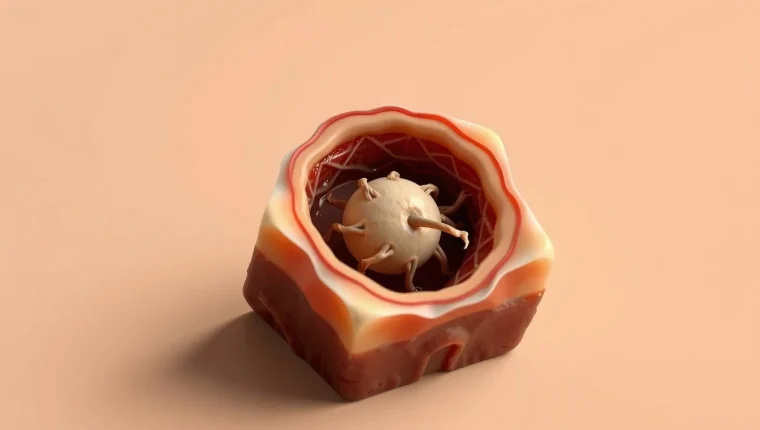
What ties these causes together is how they affect the follicle itself. When the root is repeatedly irritated or deprived of support, the growth phase shortens and strands emerge thinner and weaker until they stop appearing altogether. This is why the cause matters: traction alopecia and stress-related shedding often reverse once the trigger is removed, while genetic or scarring conditions may leave lasting damage. Identifying which mechanism applies to your hairline is the first step toward understanding whether regrowth is realistic.
How to Tell Temporary Shedding From Permanent Follicle Damage
Your first clue is timing and pattern. Temporary shedding tends to follow a trigger within the past two to four months, such as illness, surgery, extreme stress, rapid weight loss, or a new medication. It usually appears as diffuse thinning across a wider area rather than a clean, receding line. You may also notice small, tapered hairs shedding alongside longer strands. If the trigger fades and the scalp still shows follicles, regrowth is generally realistic.
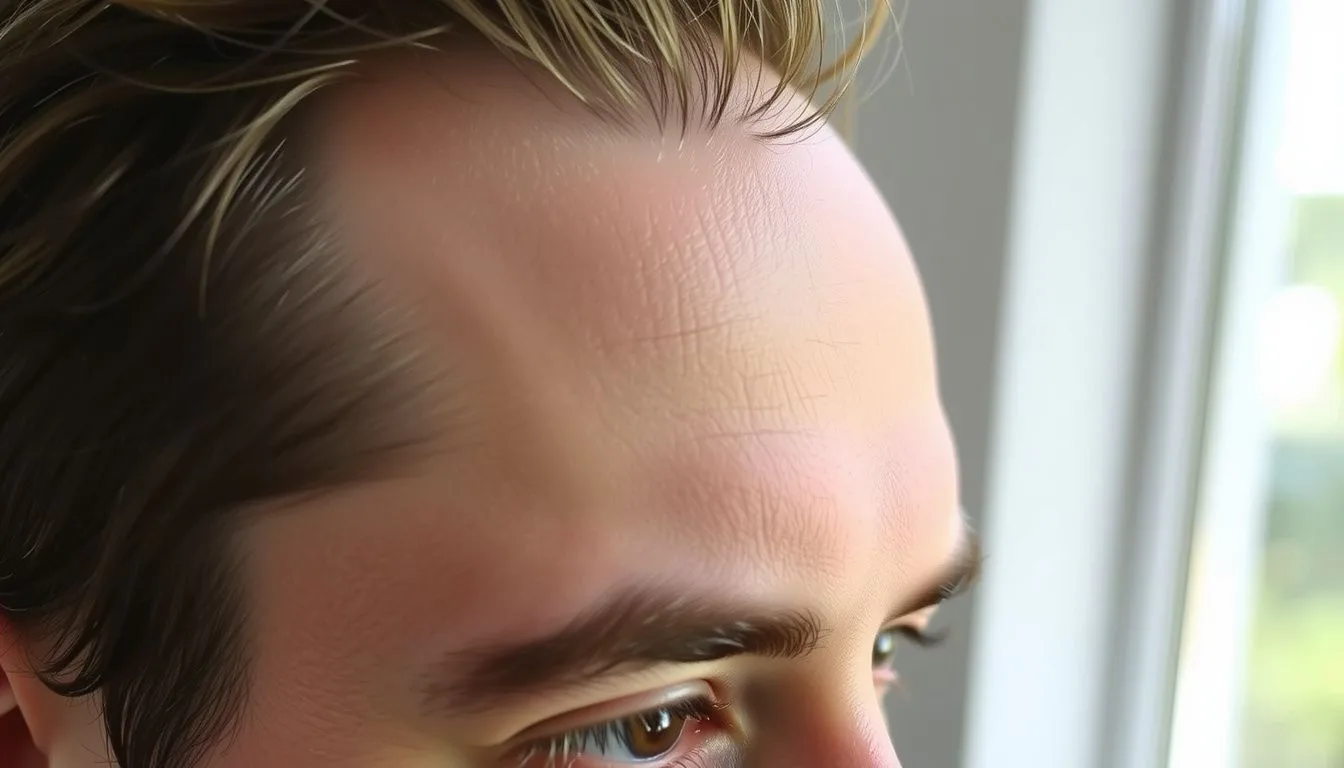
Permanent damage looks different. The edges become smooth, shiny, and sometimes tender or itchy, and the skin may feel tighter than the surrounding scalp. Follicular scarring is the turning point: once scar tissue replaces the follicle, that hair cannot return on its own. You may also see a loss of follicular openings, meaning the tiny dots where hairs once emerged are no longer visible.
Why does the distinction matter? It changes your expectations. Reversible shedding responds to removing the cause and supporting recovery, while scarring limits what any topical or oral option can achieve. If you see smooth, shiny edges with no visible openings, self-assessment has reached its limit. A dermatologist can confirm whether follicles remain and guide your next step.
Which Hairline Loss Treatments Actually Support Edge Regrowth
Treatments for edge regrowth generally fall into two groups: those that work on follicles still capable of producing hair, and those that address the scalp environment around them. Topical minoxidil is the most widely studied option for the hairline, and it can support regrowth when follicles remain active. Prescription oral medications may be recommended for pattern-related thinning, though they are less effective where traction has already damaged follicles. Corticosteroid injections are sometimes used when inflammation is driving the loss, but they target a specific cause rather than general thinning.
Procedures such as platelet-rich plasma or low-level laser therapy aim to stimulate circulation and follicle activity. They tend to work best as support alongside other treatments rather than as standalone fixes. Hair transplantation can restore density in areas of follicular scarring, but it requires healthy donor hair and does not prevent ongoing loss. Lifestyle changes — reducing tension on the hairline, avoiding harsh styling — matter most when traction is the underlying issue.
Realistic expectations depend on whether follicles are dormant or permanently damaged. Dormant follicles may respond within three to six months of consistent use, while scarred follicles will not regrow regardless of treatment. Consistency matters more than any single product, and results are usually gradual rather than dramatic.
Everyday Habits That Slow Recovery and Thinning at the Hairline
Daily routines often decide whether the hairline recovers or keeps receding. The habits that slow recovery are usually the same ones that created the problem: constant tension and harsh handling. Tight ponytails, braids, or headbands pull on the same follicles day after day, and this sustained strain keeps the area inflamed and prevents weak strands from thickening. Brushing wet edges, rough towel drying, and aggressive scalp scrubbing add friction that fragile follicles cannot tolerate. Chemical relaxers, frequent coloring, and hot tools near the hairline compound the damage, especially when applied to already thin edges. Even sleeping on tight styles or resting the head in the same position can maintain pressure overnight.
Supporting recovery means reducing that load. Looser styles, silk pillowcases, and gentle cleansing let the follicles rest. Avoiding heavy products that clog the hairline and limiting heat and chemicals give new growth a chance to emerge. The single most important adjustment is reducing constant tension on the edges, because without it, even the best treatments struggle to work. Small, consistent changes in how you style, wash, and handle your hairline can either protect regrowth or quietly erase it.
When to See a Specialist About Regrowing Your Edges
Most edge thinning responds to consistent home care, but some situations call for professional evaluation. If you notice redness, itching, burning, or scaling along the hairline, that points to an active inflammatory or scalp condition that no amount of gentle styling will resolve. The same is true when shedding continues for months despite reduced tension, or when the skin in the affected area looks smooth and shiny with no visible openings where follicles should be.
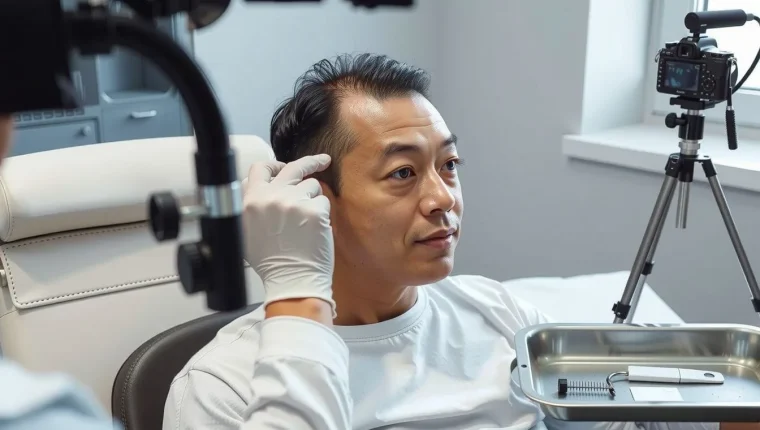
A specialist begins by examining the scalp under magnification and asking about your styling history, medical conditions, and medications. That assessment distinguishes traction alopecia from scarring or autoimmune causes and determines whether follicles are still viable. Blood work may follow if an underlying condition such as thyroid imbalance or anemia is suspected.
The findings shape the plan. If follicles remain intact, a dermatologist may combine in-office treatments with prescription-strength topicals to accelerate what home care alone cannot achieve. Where scarring has already closed off follicles, the conversation shifts toward realistic goals, because regrowth is unlikely and the focus becomes preserving the hair that remains.
FAQs
Can hairline loss treatment actually regrow edges that have been gone for years?
Regrowth depends largely on whether the hair follicles at the edges are still alive but dormant or have been permanently destroyed by scarring. Treatments like minoxidil, prescription medications, and low-level laser therapy can revive dormant follicles and restore some density, even after years of thinning. However, when the edges have been bald for a long time due to scarring alopecia or traction damage that has scarred the scalp, follicles cannot regenerate, and results from topical or oral treatments are usually limited. In these cases, options such as hair transplantation may offer the most realistic chance of restoring the hairline.
Which treatments work best for traction alopecia along the hairline?
The most effective approach for traction alopecia along the hairline is to stop the tension-causing hairstyles immediately, since early intervention gives the best chance of regrowth. Dermatologists often recommend topical minoxidil to stimulate follicle recovery, and in inflammatory or resistant cases they may prescribe topical or intralesional corticosteroids. If scarring has already occurred and follicles are permanently damaged, hair transplantation may be the only option to restore the hairline.
How long does it take to see results from hairline loss treatment?
Most people notice the first signs of improvement from hairline loss treatment after two to three months, with more visible regrowth typically appearing around the six-month mark. Full results usually take six to twelve months, since hair grows slowly and follicles need time to respond to treatments like minoxidil, finasteride, or platelet-rich plasma. Consistency matters more than speed, because stopping treatment early often reverses any progress you have made. Your specific timeline depends on the cause of your hairline loss, the treatment used, and how consistently you follow the plan.