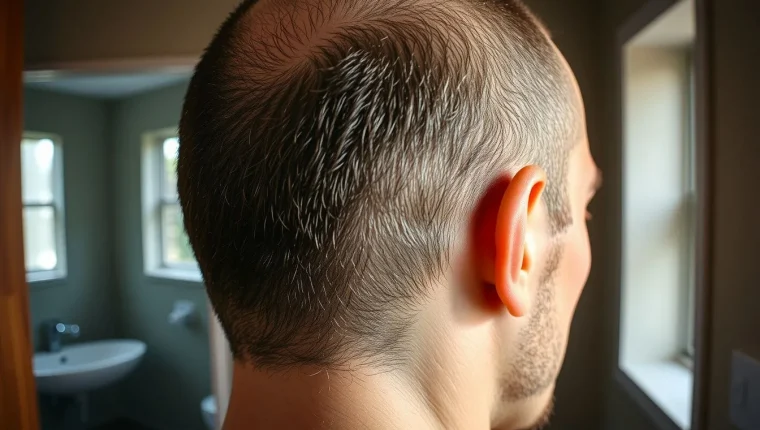
More hair in your brush, a widening part, or a more visible scalp is common and rarely random. What causes alopecia in females is not a single trigger but a mix of factors that often overlap. Hormonal shifts, an inherited sensitivity to androgens, thyroid and other medical conditions, nutritional gaps, and certain medications can each play a role, and several can act at the same time. The pattern and timing of the loss, along with your health history, help separate one cause from another. Effective treatment depends on the underlying driver, so these differences matter, as does knowing when thinning needs medical evaluation rather than watchful waiting.
Understanding Female Pattern Hair Loss and Androgenetic Alopecia
Female pattern hair loss is a distinct form of shedding, not simply a faster version of normal daily loss. In patterned thinning, hair diminishes in a recognizable distribution—most often along the part line, at the crown, and over the front of the scalp—while the sides and back tend to remain fuller. Diffuse shedding, by contrast, spreads fairly evenly across the whole scalp and is typically linked to stress, illness, nutritional gaps, or medication. Recognizing this difference matters, because the two problems call for different conversations with a clinician.
The medical term for this patterned condition is androgenetic alopecia. It develops when androgens, hormones present in every woman’s body, act on hair follicles that are genetically susceptible to them. Over time, these follicles shrink, producing hairs that are finer, shorter, and less pigmented before they eventually stop growing altogether. The process is gradual rather than sudden, which is why many women first notice a widening part or a thinner ponytail rather than obvious bald patches.
In women, androgenetic alopecia usually begins sometime after puberty and becomes more noticeable with age, though it can start earlier. Because it is the most common explanation for progressive thinning in women, it is often the first possibility a doctor considers—but it is not the only one, which is why a proper evaluation looks beyond the pattern alone.
How Hormonal Shifts Trigger Hair Thinning in Women
Hair follicles respond to hormones throughout a woman’s life, and the timing of thinning often reflects a shift in that hormonal environment. Androgens such as testosterone and dihydrotestosterone (DHT) are present in women too, and in susceptible follicles they gradually shrink the growth phase and produce finer, shorter strands. What matters most is not the absolute hormone level but how sensitive a woman’s follicles are to androgens, which is why two women with similar blood results can experience very different degrees of thinning.
Estrogen and progesterone normally counterbalance these androgens, supporting thicker, longer growth. When their levels fall, that protective effect weakens and androgen influence becomes more visible. This is why hormonal imbalance around menopause is a common turning point, as declining estrogen allows existing androgen sensitivity to surface. Similar shifts occur after childbirth, when progesterone and estrogen drop sharply, and during perimenopause, when cycles become irregular. Coming off hormonal contraception can trigger a comparable temporary shedding phase.
Other life stages bring different pressures. Thyroid changes, polycystic ovary syndrome, and significant stress can all disturb the hormonal balance that governs the hair cycle. The same shift, however, does not affect every woman equally: a follicle that is highly androgen-sensitive may thin noticeably after a mild change, while a less sensitive one barely reacts. Tracking when your thinning began, and what else was happening in your body at that time, can help you and a clinician identify whether hormones are a likely driver.
The Role of Genetics and Family History in Female Hair Loss

Genetics do not simply raise or lower hormone levels in women with hair thinning. Instead, inheritance appears to shape how sensitive the hair follicles are to androgens — the hormones that gradually shrink susceptible follicles over time. This inherited sensitivity is the core mechanism behind female pattern hair loss, and it explains why two women with similar hormone profiles can have very different amounts of thinning.
Family history is a useful clue because this predisposition can pass through either the mother’s or the father’s side. It may also skip generations, so a woman with no visibly affected parent can still carry the trait. A relative with significant thinning is a meaningful signal, but its absence does not rule out a genetic contribution.
Importantly, genetics sets the predisposition rather than the outcome. Inherited follicle sensitivity may remain quiet until other factors — such as hormonal shifts, stress, or medical conditions — trigger or accelerate visible loss. That is why the same family trait can appear at different ages and intensities in different women.
Medical Conditions and Medications That Can Cause Alopecia in Females
Not every case of hair thinning traces back to hormones or inherited traits. Several medical conditions can interrupt the hair growth cycle and produce shedding that looks noticeably different from the patterned loss described earlier. Thyroid disorders, both underactive and overactive, frequently disturb the ratio of growing to resting follicles, while iron deficiency and low ferritin reduce the resources hair needs to sustain growth. Autoimmune conditions such as alopecia areata cause the immune system to attack follicles directly, often producing smooth, round patches rather than diffuse thinning. In each case, the shedding tends to be telogen effluvium in nature: a temporary shift of many follicles into the resting phase, followed by increased shedding weeks later.
Medications represent another distinct category. Certain drugs list hair loss as a known side effect, including some antidepressants, blood thinners, retinoids, and treatments for thyroid disease or cancer. Because these effects depend on dose and timing, they usually reverse once the medication is adjusted or stopped under medical guidance.
Emotional or physical stress belongs here as well, but as a temporary disturbance rather than a permanent cause. Severe illness, surgery, rapid weight loss, or prolonged psychological strain can push follicles into shedding, typically two to three months after the triggering event. Unlike genetic thinning, stress-related loss is often self-limiting and improves as the body recovers.
When to Seek Diagnosis and Treatment for Hair Loss in Women

Most hair thinning is gradual, so a single bad week rarely means anything serious. Certain patterns, however, deserve a professional look rather than continued waiting. Seek prompt evaluation for sudden or rapid shedding, coin-sized bald patches, scalp pain, itching, scaling, or visible scarring where the skin looks smooth and shiny. These features point toward conditions that can become permanent if ignored, including scarring alopecia, which destroys follicles irreversibly.
A clinician distinguishes among the causes discussed earlier by combining history with targeted testing. They will ask about timing, diet, stress, childbirth, and recent illness, then examine the scalp and may order blood work for thyroid function, iron stores, or hormone levels. In some cases a scalp biopsy confirms the diagnosis.
Early assessment matters because it widens your options. Treating an underlying deficiency or condition can halt progression, and the sooner therapy begins, the more hair you are likely to keep.
FAQs
What causes alopecia in females besides hormones and androgenetic factors?
Besides hormonal and androgenetic causes, female alopecia often results from telogen effluvium triggered by physical or emotional stress, illness, surgery, or rapid weight loss. Nutritional deficiencies, particularly of iron, ferritin, zinc, and vitamin D, along with thyroid disorders and autoimmune conditions like alopecia areata, are also common contributors. Additional factors include traction from tight hairstyles, harsh chemical treatments, certain medications, and scarring scalp conditions that permanently damage hair follicles. Identifying the specific trigger through clinical evaluation is essential, since treatment and prognosis vary widely depending on the underlying cause.
How do androgen hormones trigger female pattern hair loss?
Androgens trigger female pattern hair loss by binding to receptors in genetically susceptible hair follicles, where they are converted by the enzyme 5-alpha reductase into dihydrotestosterone (DHT). DHT then miniaturizes these follicles, shortening the growth phase and causing hairs to become progressively thinner and shorter until they stop producing visible strands. This sensitivity is inherited, which is why androgen levels can be normal yet hair loss still occurs in a recognizable pattern along the central scalp.
Can stress or thyroid issues also cause alopecia in females?
Yes, stress and thyroid problems are well-recognized contributors to alopecia in females, alongside the hormonal and androgenetic causes discussed above. Chronic emotional or physical stress can push hair follicles into a resting phase, leading to noticeable shedding known as telogen effluvium, while both hypothyroidism and hyperthyroidism commonly disrupt the hair growth cycle and cause diffuse thinning. Because these triggers are often reversible, identifying and treating the underlying stress or thyroid imbalance frequently allows hair to regrow.