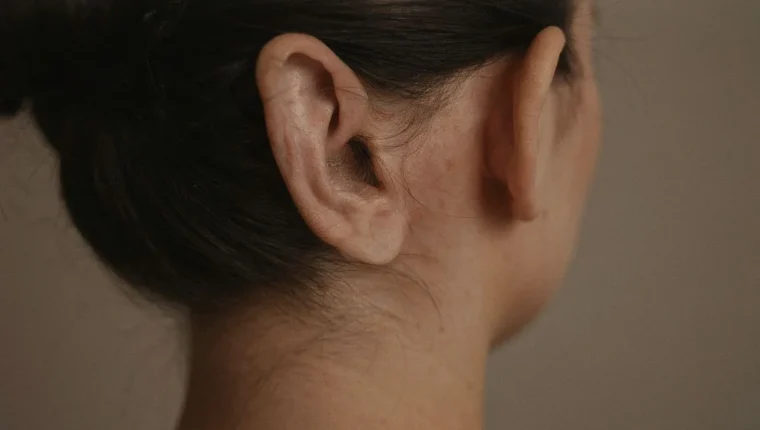
Protruding or unusually shaped ears can affect confidence at any age—some people hide them under hats or hairstyles for years before considering a change. Ear reshaping surgery, also known as otoplasty, is a straightforward procedure that repositions or reshapes the ears to create a more balanced look. It’s one of the few cosmetic surgeries commonly performed on children as young as five because the ears are nearly fully developed by that age. Still, it’s not a decision to make lightly. Like any operation, otoplasty comes with real pros and cons—from permanent results and minimal scarring to risks like asymmetry or dissatisfaction with the outcome. And while many people are good candidates, not everyone is. Understanding who benefits most from the procedure, what recovery involves, and what could go wrong will help you decide whether it’s the right step for you.
What Is Ear Reshaping Surgery and How Does It Work?
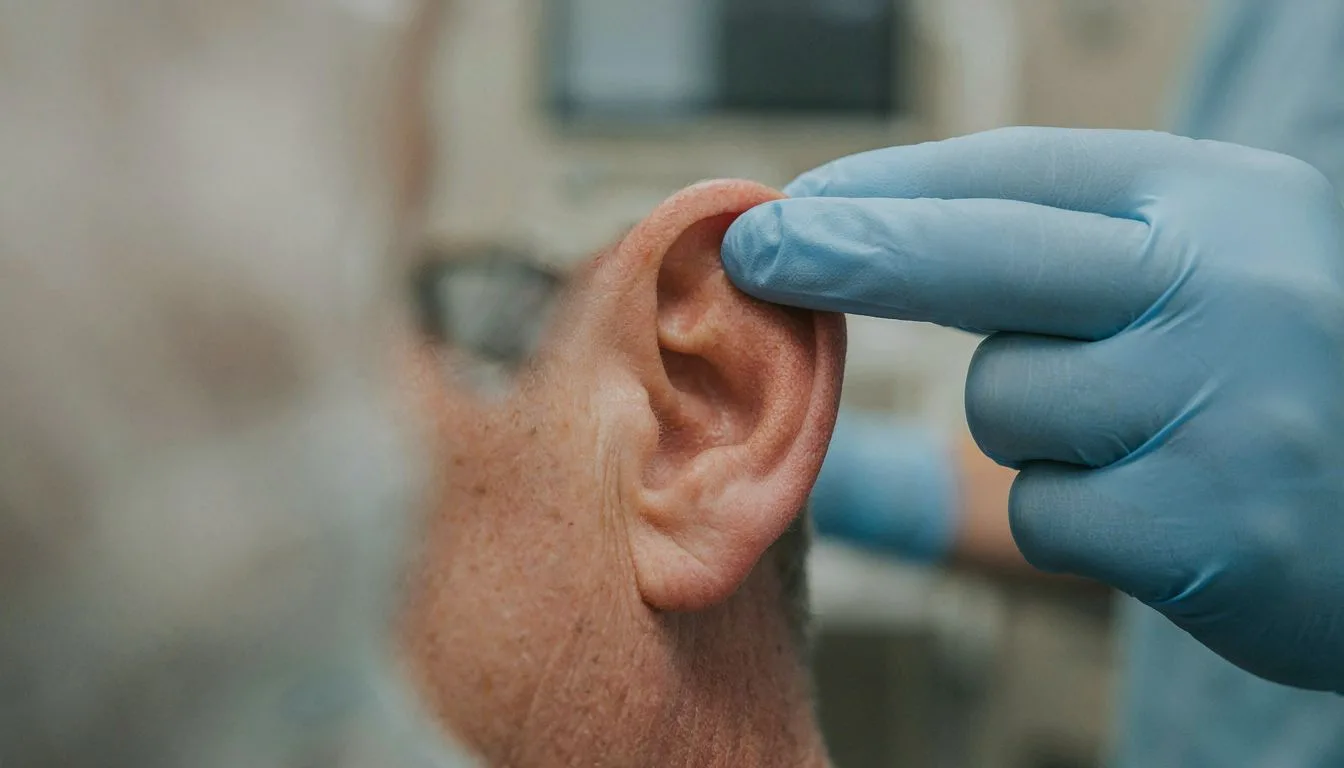
Ear reshaping surgery, medically known as otoplasty, is a cosmetic procedure designed to change the size, position, or contour of the ears. It is most commonly performed to correct protruding ears, but it also addresses deformities such as oversized earlobes, asymmetry, or congenital conditions like “cup ear” and lop ear. For many patients, the procedure offers both a physical and emotional transformation, especially when prominent ears have been a lifelong source of self-consciousness.
The surgery itself is typically performed under local anesthesia with sedation, though general anesthesia may be used for young children. During the procedure, a surgeon makes a small incision, usually hidden behind the ear in the natural crease where it meets the head. From there, the underlying cartilage is reshaped using one of two main techniques: cartilage scoring, which involves cutting or weakening the cartilage so it bends into the desired position, or cartilage sparing, which uses sutures to fold and secure the cartilage without removing tissue.
The cartilage sparing method is often preferred because it preserves the ear’s natural contours and reduces the risk of irregular surfaces. Once the cartilage is repositioned, the incisions are closed with sutures and a protective dressing is applied to hold the ears in their new position during initial healing.
Most otoplasty procedures take between one and two hours, and patients can usually return home the same day. The results are visible almost immediately once the dressings are removed, and because ear cartilage heals reliably, the new shape is typically permanent — making it one of the more predictable and satisfying cosmetic surgeries available today.
Key Advantages of Ear Reshaping Surgery
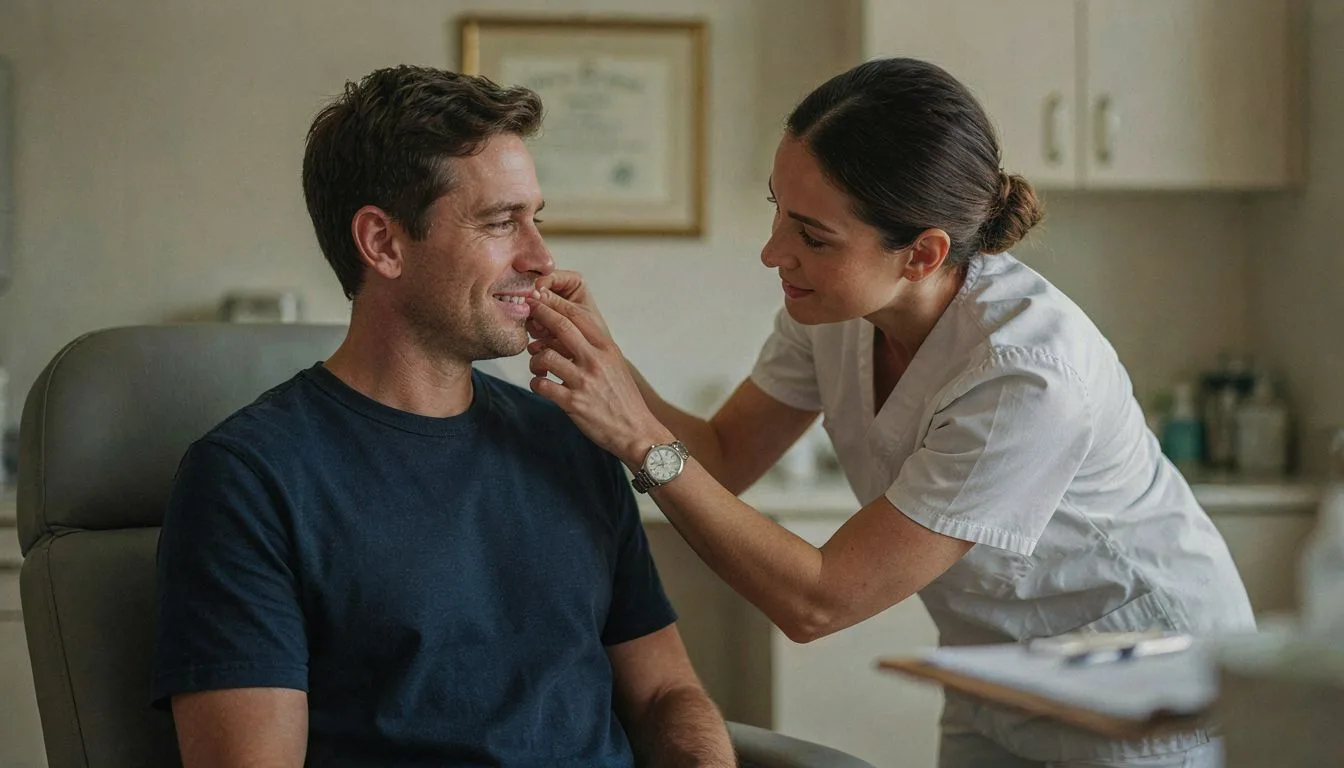
For many people, the decision to reshape their ears is less about vanity and more about finally feeling comfortable in their own skin. When we weigh the benefits of otoplasty against the effort it requires, the positives are hard to ignore — and they go well beyond a simple change in appearance.
The most significant gains patients report fall into a few clear areas:
- Improved facial balance: Ears that sit closer to the head or have a more natural contour bring the whole face into better proportion, softening features that once drew unwanted attention.
- A boost in self-confidence: Many patients — especially children and teens — describe feeling freer in social settings, no longer adjusting hairstyles or avoiding photos to hide their ears.
- Results that last a lifetime: Because the cartilage is permanently repositioned, the correction typically holds for decades, making it one of the more enduring cosmetic procedures available.
- A relatively quick procedure: Most otoplasties take one to two hours and are performed on an outpatient basis, meaning patients return home the same day.
- Minimal visible scarring: Surgeons place incisions behind the ear or within its natural folds, so any marks are discreet and fade over time.
What makes these advantages particularly meaningful is how early the payoff can appear. Adults often go back to desk work within a week, and children who have the procedure before school age can avoid years of teasing altogether. The surgery itself doesn’t change how hearing works — it reshapes cartilage and skin — so functional concerns are rarely part of the equation. For those whose prominent ears have been a lifelong source of self-consciousness, the procedure offers a permanent, low-maintenance solution with results visible almost immediately after healing begins.
Drawbacks and Risks to Consider Before Surgery
Every surgical procedure carries some degree of risk, and ear reshaping surgery is no exception. While otoplasty is considered safe and complications are uncommon, going in with realistic expectations is just as important as choosing the right surgeon. Understanding the potential drawbacks and surgical risks beforehand helps you weigh your decision carefully rather than rushing into it.
The most common concerns are relatively minor. Temporary bruising, swelling, and tenderness around the ears are normal in the first days after surgery. Some patients also experience numbness or a change in skin sensation around the ears, which usually resolves over several weeks or months, though in rare cases it can persist longer.
More serious complications are rare but worth knowing about. These include infection, bleeding, unfavorable scarring behind the ear, and asymmetry — where one ear ends up looking slightly different from the other. There is also a small chance of an overcorrection or undercorrection, meaning the ears may be pinned back too far or not far enough. In such cases, a revision procedure may be needed, which adds extra cost, healing time, and emotional strain.
Cost is another practical consideration. Since otoplasty is typically classified as cosmetic surgery, it is rarely covered by insurance unless a functional issue, such as a congenital deformity, is involved. You should also factor in time away from work or school, typically around a week.
Finally, remember that results — while long-lasting — depend heavily on surgical technique and how well you follow aftercare instructions. Smoking, certain medical conditions, and poor wound care can all compromise healing, so full honesty with your surgeon during consultation is essential.
Ear Reshaping Surgery Pros and Cons at a Glance
When you weigh the benefits of otoplasty against its drawbacks side by side, the decision often becomes much clearer. The strongest argument in favor is the combination of permanent results, a short operative time, and hidden incisions — meaning most patients enjoy improved facial balance without visible evidence of surgery. Add a boost in self-confidence that frequently begins within weeks of the procedure, and it’s easy to see why satisfaction rates for this surgery remain consistently high.
On the other side of the scale, the drawbacks are real but manageable for most healthy individuals. You’ll need to commit to wearing a headband for several weeks, avoid contact sports for a month or more, and accept the small possibility of asymmetry, temporary numbness, or a reaction to anesthesia. Cost is another practical consideration, since cosmetic ear correction is rarely covered by insurance unless a functional impairment exists.
It helps to remember that the severity of these cons depends heavily on your personal circumstances. A non-smoker in good health with realistic expectations faces a very different risk profile than someone with an active lifestyle or underlying medical conditions. The age of the patient matters too — children often recover faster, but surgery on very young ears requires careful timing.
The question is not whether the procedure is objectively “good,” but whether the benefits align with what matters most to you and whether you can comfortably accommodate the recovery demands. That personal fit — more than any statistic — is what separates a satisfying outcome from a regrettable one, and it leads naturally to identifying who makes an ideal candidate.
Who Is an Ideal Candidate for Otoplasty?
Otoplasty is one of the few cosmetic procedures where candidacy depends far more on physical maturity and realistic expectations than on age alone. Because ear cartilage is fully developed by around age five or six, children can safely undergo the surgery early, which is often recommended so that teasing or self-consciousness during school years is avoided. Adults, too, make excellent candidates at any age, provided they are in good overall health and understand what the procedure can and cannot achieve.
Surgeons generally agree on a set of core criteria when evaluating whether someone is well suited for the operation:
- Protruding or asymmetric ears — The most common reason for surgery is ears that stick out noticeably from the head or differ in shape and position, a concern that is both functional in appearance and often deeply personal.
- Stable ear anatomy — Ear growth should be complete, which typically makes children aged five and older and adults of any age eligible for treatment.
- Good general health — Candidates should be free of uncontrolled chronic conditions or ear infections that could impair healing and increase surgical risk.
- Non-smokers, or willing to quit — Smoking restricts blood flow to the skin and cartilage, so patients are usually asked to stop smoking several weeks before and after the procedure.
- Realistic expectations — The best results occur in patients who understand that otoplasty improves ear position and shape but will not make the ears perfectly identical or entirely unrecognizable from before.
Age matters in another, less obvious way: motivation. For children, the desire to change the ears should ideally come from the child themselves rather than purely from parents, since personal motivation strongly influences satisfaction after surgery. Adults should similarly be seeking the change for their own reasons, not to meet someone else’s expectations.
Finally, an ideal candidate is someone prepared for the process as a whole — attending the pre-operative consultation honestly, following preparation instructions closely, and committing to the recovery period with patience. When these personal and physical factors align, otoplasty consistently delivers some of the highest satisfaction rates in cosmetic surgery.
How to Prepare for Your Ear Correction Procedure
Preparation begins well before the day of surgery. Once your surgeon has confirmed you are a good candidate, you will attend a detailed consultation where your medical history, current medications, and any previous ear surgery are reviewed. This is also the moment to raise questions about anesthesia, since otoplasty is commonly performed under local anesthesia with sedation, though general anesthesia may be recommended for younger children.
In the weeks leading up to your procedure, your surgeon will give you specific instructions tailored to your health profile. A few of the most common include:
- Stop smoking at least four to six weeks before surgery, as nicotine significantly impairs healing and increases complication risk.
- Avoid blood-thinning medications and supplements such as aspirin, ibuprofen, fish oil, and vitamin E, unless your doctor approves them.
- Arrange for a responsible adult to drive you home and stay with you during the first 24 hours.
- Fill any prescribed medications in advance so your recovery kit is ready before you arrive.
Good preparation also means practical planning at home. Stock soft foods, keep your head elevated with extra pillows, and choose loose, button-up shirts rather than pullovers — anything that avoids pulling over your ears in the first days after surgery. If you work or study, plan for at least one week off, and postpone strenuous exercise for the period your surgeon specifies.
The night before and the morning of the procedure, follow your fasting instructions carefully, typically avoiding food and drink for six to eight hours if sedation or general anesthesia is planned. Wash your hair thoroughly, as you may need to keep the surgical area dry for several days afterward.
Finally, prepare mentally as well as physically. Understanding each step of the process — from the consultation to the first follow-up appointment — reduces anxiety and helps you follow your aftercare instructions with confidence. Patients who arrive informed and organized almost always navigate the experience more smoothly and recover with fewer surprises.
Recovery Timeline and Long-Term Results
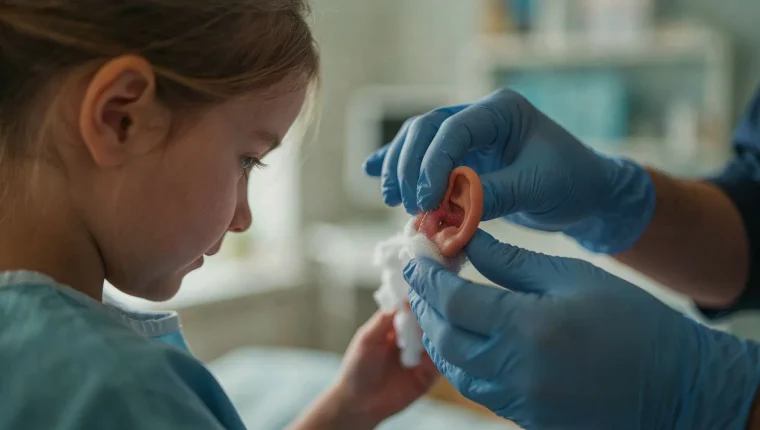
Recovery after otoplasty is typically smoother and faster than most patients expect. In the first 24 to 48 hours, mild soreness, swelling, and a feeling of tightness around the ears are normal and can be managed with prescribed pain medication. A protective headband or dressing is worn continuously during this early stage to hold the ears in their new position and protect them while you sleep. Most adults return to work or school within five to seven days, although children may need a week or so away from classes to rest comfortably.
The recovery timeline generally follows a predictable pattern: within two weeks, stitches and dressings are removed, bruising fades, and everyday activities resume. Strenuous exercise, swimming, and contact sports should be avoided for four to six weeks to protect the healing cartilage. After the first month, wearing the headband only at night is usually sufficient, and by the third month, most residual swelling has resolved.
Long-term results are among the most reassuring aspects of this procedure. Because ear cartilage retains its corrected shape once healed, outcomes are considered permanent for the vast majority of patients. The scar, hidden in the natural crease behind the ear, typically fades to a barely noticeable thin line over the following months. Facial balance and symmetry achieved through the surgery remain stable for a lifetime, which is why many patients describe otoplasty as one of the most rewarding cosmetic decisions they have made.
To protect your results, follow your surgeon’s aftercare instructions closely: keep the incision sites clean, avoid bending or pressure on the ears, and attend all follow-up appointments so healing can be monitored. Choosing a board-certified, experienced surgeon significantly reduces the risk of complications such as asymmetry or overcorrection. With proper care and realistic expectations, most people enjoy natural-looking, well-proportioned ears that continue to boost their confidence for decades after the procedure.
FAQs
How long does it take to recover from ear reshaping surgery?
Most people return to work or school within about a week after ear reshaping surgery, though you'll need to wear a protective headband for several weeks, especially at night. Full recovery, including the resolution of swelling and tenderness, typically takes four to six weeks. Strenuous activities and contact sports should wait until your surgeon clears you, usually after one to two months. Following your aftercare instructions closely helps ensure a smooth recovery and long-lasting results.
At what age is ear reshaping surgery most effective?
Ear reshaping surgery, or otoplasty, is most effective once the ears have reached full development, which typically happens around age five to six. Many surgeons recommend performing the procedure during childhood, between ages five and fourteen, because the cartilage is still soft and easier to reshape, and correcting prominent ears early can spare children years of teasing. Otoplasty is also very effective in teens and adults of any age, as long as the ear cartilage is healthy and the patient is in good overall health. The ideal timing ultimately depends on the individual, so a consultation with a qualified surgeon is the best way to determine when surgery makes sense.
Does ear reshaping surgery leave visible scars?
Ear reshaping surgery (otoplasty) does leave small scars, but surgeons place the incisions behind the ear or within its natural creases, so they are typically well hidden. Most patients find that the scars fade significantly over the following months and become barely noticeable. Choosing an experienced, board-certified surgeon is the best way to ensure scarring is minimal and discreet.