Choosing veneers abroad can reduce the cost of a smile makeover, but the real value of dental veneers Turkey packages depends on more than the headline price. A package may include consultations, digital smile planning, temporary veneers, final restorations, hotel accommodation, airport transfers, and aftercare. These inclusions can make treatment easier to arrange, yet they may also hide important differences in material quality, laboratory standards, dentist experience, and the number of appointments required. Patients should also consider whether they are suitable for veneers, how complications will be handled after returning home, and whether the quoted fee covers necessary adjustments. Turkey can offer modern clinics and experienced cosmetic dentists, but a low price alone is not proof of a good result. The safest decision comes from comparing complete treatment plans, verified qualifications, realistic outcomes, and long-term maintenance—not simply choosing the cheapest package.
What Do Dental Veneers Turkey Packages Include?
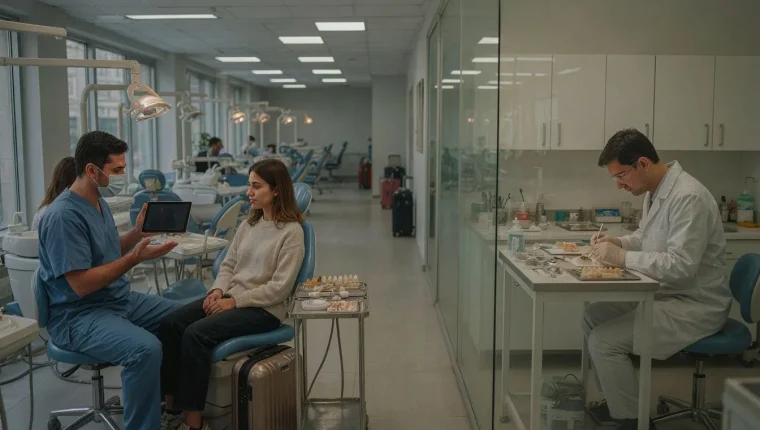
A typical veneer package covers far more than the porcelain or composite shells themselves. Most providers begin with a remote consultation, followed by an in-person dental examination and a review of your medical and dental history. This assessment helps determine whether veneers are appropriate and whether issues such as decay, gum disease, enamel damage, or teeth grinding need treatment first.
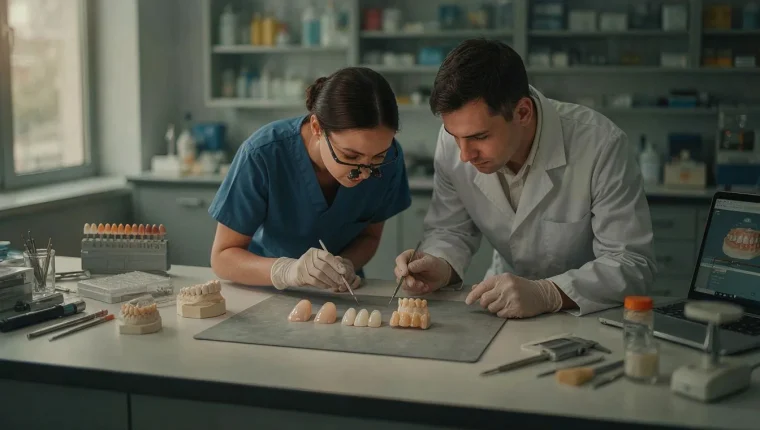
The clinical portion commonly includes digital scans, photographs, treatment planning, tooth preparation, and the fitting of temporary veneers when necessary. The final restorations may be created from porcelain or composite resin, depending on the package and the treatment plan. Some clinics also include a trial smile or digital preview so you can discuss the proposed shape, shade, and overall appearance before the permanent veneers are made.
Travel-related inclusions vary considerably. Many dental veneers Turkey packages include airport transfers, hotel accommodation, and transportation between the hotel and clinic. Others may offer a patient coordinator, translation support, or assistance arranging flights, but these services should never be assumed.
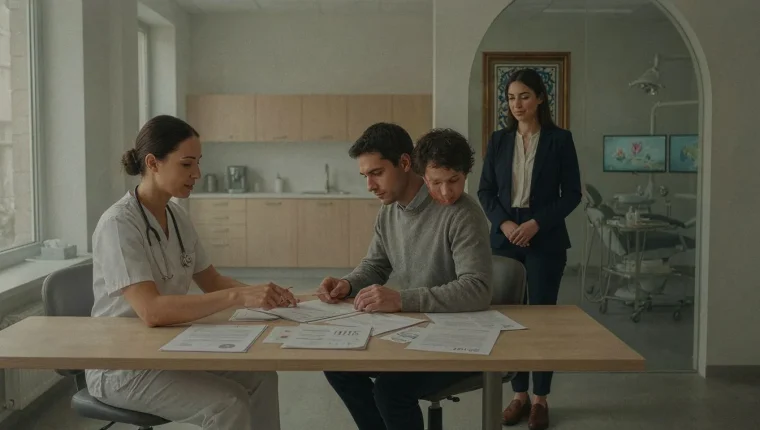
Before booking, request an itemised quotation. Check whether consultations, X-rays or scans, temporary restorations, laboratory fees, medications, follow-up visits, and adjustments are included. Clarify the number of veneers covered and ask what happens if additional treatment is recommended after the examination. A low headline price can change substantially when essential clinical services are excluded.
How Much Can You Save with Veneers Abroad?

The main financial appeal of getting veneers abroad is the difference between the treatment price and the total cost of receiving comparable care at home. In countries such as Turkey, lower operating expenses and competitive clinic pricing can make a complete veneer treatment substantially more affordable, particularly when several teeth are being restored.
However, the advertised price should not be treated as the final saving. Compare like for like: the number of veneers, the material used, consultations, temporary restorations, X-rays, flights, accommodation, transfers, and any follow-up visits. A package that appears inexpensive may offer fewer inclusions, while a slightly higher quote may provide better laboratory work, additional appointments, or stronger aftercare support.
For many patients, the most useful figure is the total treatment cost, calculated before booking. Request a written quotation that separates clinical fees from travel expenses and confirms whether fillings, gum treatment, bite adjustments, or replacement of old restorations are charged separately.
Your potential saving also depends on the number of veneers required and your eligibility for treatment. Healthy teeth and gums usually allow a more predictable plan, whereas untreated decay or gum disease can add appointments and expense. Travel insurance may not cover elective dental work, so check the policy carefully and reserve a budget for unexpected treatment or an additional stay.
Which Materials and Treatments Are Available?
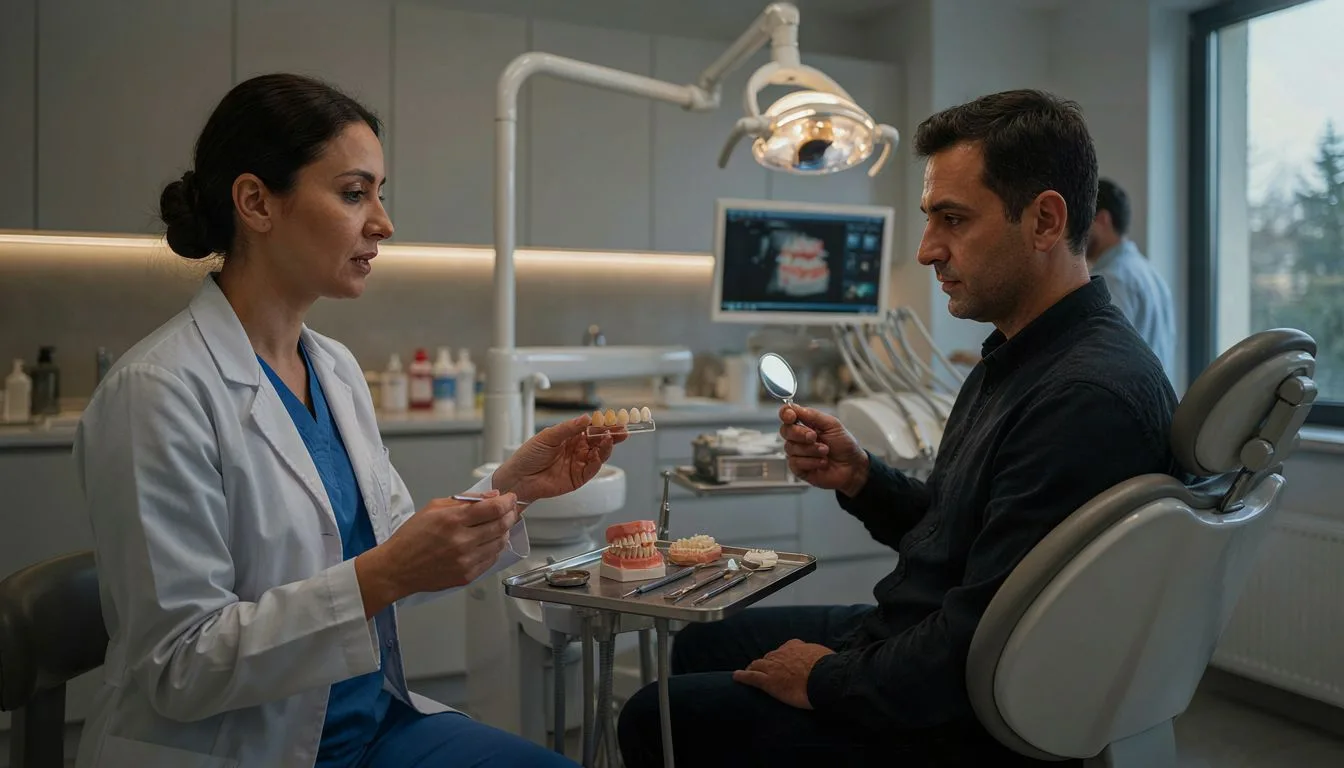
The material you choose affects the appearance, durability, maintenance, and suitability of your veneers. A reputable dentist will assess your enamel, bite, gum health, and cosmetic goals before recommending an option rather than treating every smile in the same way. The right choice also depends on whether you need a minor aesthetic change or a more extensive restorative treatment. During your consultation, discuss how each material may perform in your specific circumstances, including its expected lifespan, appearance, repairability, and effect on your natural teeth. Understanding these factors can help you make an informed decision and ensure that the proposed treatment matches both your oral health needs and your cosmetic expectations.
- Porcelain veneers: These thin ceramic shells offer a natural, translucent appearance and strong stain resistance. They are often selected for reshaping teeth, closing small gaps, or improving persistent discoloration.
- Composite veneers: Tooth-coloured resin is applied and shaped directly on the teeth. This option is usually quicker and more affordable, although it can be more prone to staining, chipping, and wear than porcelain.
- Minimal-prep veneers: Some ceramic restorations require little or no enamel removal. Their suitability depends on tooth position, colour, thickness requirements, and the desired final shape.
- Dental crowns: Crowns cover the entire visible portion of a significantly weakened or heavily restored tooth. They may be recommended when a veneer would not provide sufficient protection.
- Teeth whitening and bonding: Whitening can address natural teeth that are darker than planned veneers, while bonding can repair small chips or make limited cosmetic adjustments without full coverage.
These options may be used individually or in combination, depending on the condition and appearance of your teeth. For example, whitening may be completed before veneer placement so the shade of the restorations can be planned more accurately, while bonding may be sufficient when only a small chip or minor cosmetic concern needs attention. Your dentist should explain the advantages, limitations, and maintenance requirements of each approach rather than focusing only on the initial cost or speed of treatment.
Porcelain veneer design and tooth preparation should be discussed carefully because these decisions influence comfort, longevity, and future maintenance. Ask whether digital scans, diagnostic previews, and temporary veneers are included, and confirm which laboratory fabricates the restorations. A written treatment plan should explain the selected material, the number of teeth involved, and any procedures required before placement, such as gum treatment or fillings. It should also clarify how your bite will be assessed, what aftercare is expected, and how repairs or replacements would be handled in the future. This information allows you to compare treatment options realistically and proceed with a plan that supports both a natural-looking result and long-term oral health.
How Can You Assess Clinic Quality and Dentist Expertise?
Assessing a clinic requires more than comparing package prices or browsing attractive before-and-after photographs. Start by checking whether the clinic clearly identifies its dentists, professional qualifications, years of experience, and areas of expertise. You should also confirm that the dentist is licensed to practise in the country where treatment will take place and that the clinic is properly registered with the relevant health authorities.
Look for evidence of consistent clinical standards. A reputable provider should explain the consultation process, diagnostic records, treatment alternatives, expected results, and possible limitations before asking you to commit. High-quality clinics typically use digital scans, photographs, X-rays when clinically necessary, and a documented treatment plan rather than recommending veneers from photographs alone.
Reviews can be helpful, but assess them critically. Give greater weight to independent platforms, detailed patient experiences, and comments that discuss communication, fitting appointments, comfort, and follow-up care. Be cautious when every review is brief, identical, or focused only on low prices. You can also ask who designs and places the veneers, whether a qualified dentist performs the preparation, and which laboratory makes the restorations.
One of the strongest indicators of expertise is informed consent. Before treatment, the dentist should discuss tooth preparation, material selection, bite considerations, maintenance, and alternatives such as bonding or crowns where appropriate. Clear answers, realistic promises, and enough time to ask questions are more reassuring than guaranteed results or pressure to book immediately.
What Risks and Aftercare Should You Consider?
Veneers can improve appearance, but they do not make teeth immune to decay, gum disease, or damage. Before travelling home, ask the dentist to explain possible complications such as sensitivity, bite discomfort, veneer fracture, bonding failure, or irritation caused by poorly fitting edges. The risk depends on your existing dental health, preparation technique, material choice, and daily habits.
Good aftercare begins with following the clinic’s instructions during the first few days. Avoid biting hard objects, opening packages with your teeth, and immediately eating very hard or sticky foods. Continue brushing twice daily with a fluoride toothpaste and cleaning carefully between the teeth. Although porcelain is resistant to staining, the natural teeth around it can still discolour, while smoking and frequent exposure to coffee, tea, or red wine may affect the overall appearance.
Pay close attention to warning signs after treatment. Persistent pain, swelling, bleeding gums, a loose veneer, a sharp margin, or a bite that feels uneven should be assessed by a dentist rather than ignored. Arrange a follow-up appointment before returning home if possible, and obtain copies of your treatment records, radiographs, veneer specifications, and any warranty terms. Most importantly, confirm who will provide support if a problem develops after you leave. Long-term maintenance may include routine examinations, professional cleaning, a night guard for patients who grind their teeth, and prompt repair or replacement when necessary.
FAQs
Are dental veneers Turkey packages more affordable than treatment in the UK or US?
Yes, dental veneer packages in Turkey are often more affordable than comparable treatment in the UK or US, even when flights, accommodation, transfers, and consultations are included. Prices vary by clinic, veneer material, and the number of teeth treated, so compare the full package details, dentist qualifications, laboratory standards, and aftercare rather than choosing solely on cost.
What do dental veneers Turkey packages usually include?
Dental veneers Turkey packages usually include an initial consultation, dental examination, X-rays, treatment planning, veneer preparation, and placement. Many packages also cover laboratory fees, temporary veneers, airport transfers, hotel accommodation, and follow-up appointments. Inclusions vary by clinic, so confirm whether flights, medications, additional dental work, and aftercare are included before booking.
Are dental veneers in Turkey safe and long-lasting?
Dental veneers in Turkey can be safe and long-lasting when qualified, licensed dentists use high-quality materials and follow proper sterilization and treatment protocols. Porcelain veneers typically last 10–15 years or longer with good oral hygiene, regular dental checkups, and protection from excessive biting forces. Safety and durability depend more on the clinic, dentist, materials, and aftercare than on the country itself.