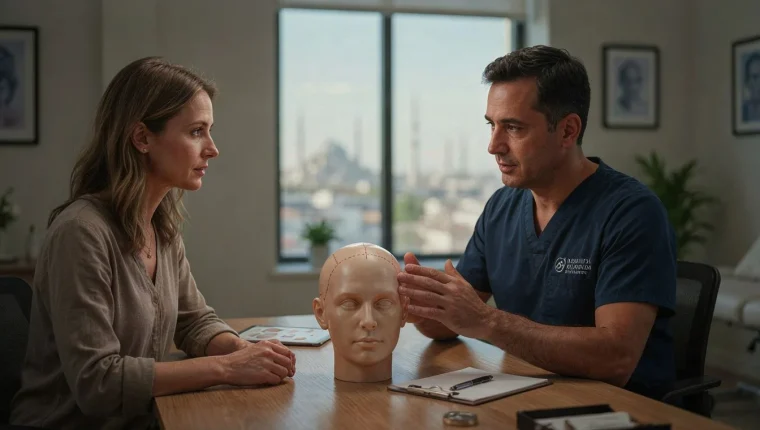
More Americans are traveling to Turkey for cosmetic procedures, and the brow lift is one of the fastest-growing choices. In the United States, a brow lift often costs $6,000 to $10,000, while a full brow lift Turkey package for Americans typically includes surgery, hospital fees, anesthesia, hotel accommodation, and airport transfers for a fraction of that price.
But lower cost is only part of the story. Turkey’s clinics handle high surgical volumes, many surgeons are internationally trained, and facilities in Istanbul and Antalya cater specifically to international patients. What should you expect from these packages, how much can you realistically save, and which details matter most when comparing offers? This guide breaks it all down — from pricing and surgeon credentials to recovery timelines and travel logistics.
Why Americans Choose Turkey for Brow Lift Surgery
Turkey has quietly become one of the most popular destinations for American patients seeking facial rejuvenation, and the reasons go well beyond simple curiosity. The country performs hundreds of thousands of cosmetic procedures each year, and brow lifts are among the treatments international patients request most often. Turkish surgeons frequently complete fellowship training in Europe or the United States, and many lead busy practices focused specifically on facial plastic surgery, which means high procedure volumes and refined technique.
Cost plays an obvious role. A brow lift in the United States often exceeds $8,000 to $12,000 once surgeon fees, anesthesia, and facility charges are added together. In Turkey, the same operation typically costs a fraction of that, even after flights and hotel stays are factored in. For many patients, the math makes a procedure financially realistic for the first time.
There is also the matter of convenience. Most Turkish clinics serving international patients operate English-speaking coordinators who handle scheduling, airport transfers, and interpreter support from the first consultation to the final check-up. Istanbul’s two major airports offer direct flights from New York, Chicago, Washington, and other US hubs, often under eleven hours.
Quality standards matter most, of course. Reputable Turkish hospitals hold JCI accreditation, the same international certification applied to leading hospitals in the United States, which signals audited safety protocols and physician credentials. Combined with modern operating facilities and attentive aftercare, this is why so many Americans now see Turkey not as a compromise but as a smart, well-supported choice for facial surgery abroad.
What a Brow Lift Turkey Package for Americans Typically Includes
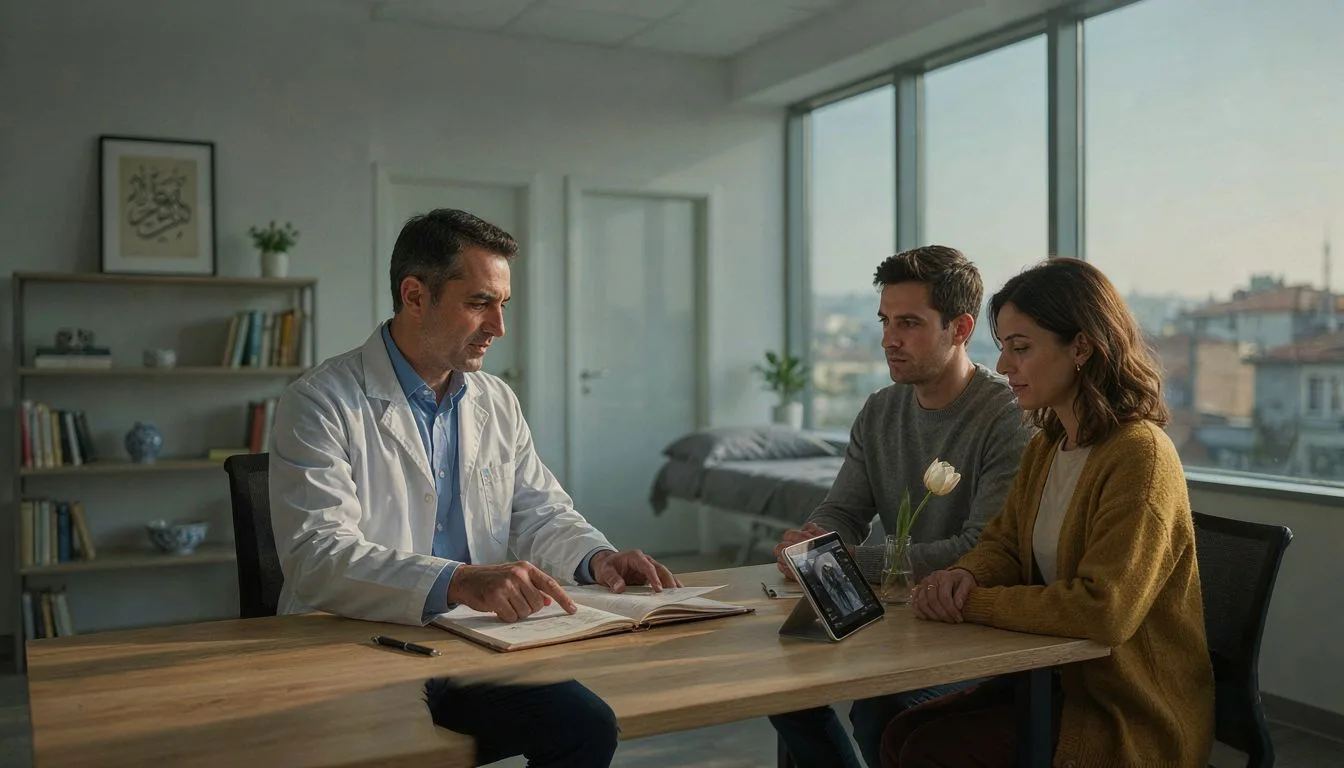
When you request a quote from a Turkish clinic, the first thing you’ll notice is that most providers bundle everything into a single, all-inclusive price. This approach is sometimes called the all-inclusive package model, and it’s the main reason pricing feels so transparent compared to itemized American medical billing. Rather than receiving separate invoices for the surgeon, the facility, and the anesthesia, you get one figure that covers the entire treatment journey.
While details vary between clinics, a well-structured package for international patients generally contains these core elements:
- Surgeon consultation and pre-operative testing: Before any surgery, you’ll have an online video consultation, then blood work, an ECG, and a physical examination once you arrive in Turkey to confirm you’re fit for the procedure.
- The surgical fee itself: This covers the board-certified plastic surgeon, the anesthesiologist, and the use of a fully equipped, sterile operating theater — typically in a private hospital rather than a small clinic.
- Hotel accommodation: Most packages include between four and seven nights in a four- or five-star hotel close to the hospital, often with breakfast and airport transfers arranged by a patient coordinator.
- Medications and post-operative supplies: Antibiotics, pain relievers, and any compression garments or dressings you need during recovery are usually provided without extra charge.
- Follow-up care and translation support: Scheduled post-op checkups, suture removal, and an English-speaking coordinator who accompanies you to appointments are standard with reputable providers.
It’s worth knowing that some extras sit outside the package. Your international flights are almost always your own responsibility, and if you combine a brow lift with another procedure such as a facelift or eyelid surgery, the clinic will typically quote a revised price rather than simply doubling the cost. Always ask for the package terms in writing before you pay any deposit, so you know exactly what happens if you need to extend your stay or require additional aftercare.
Cost Comparison: US Prices vs Turkish Brow Lift Packages
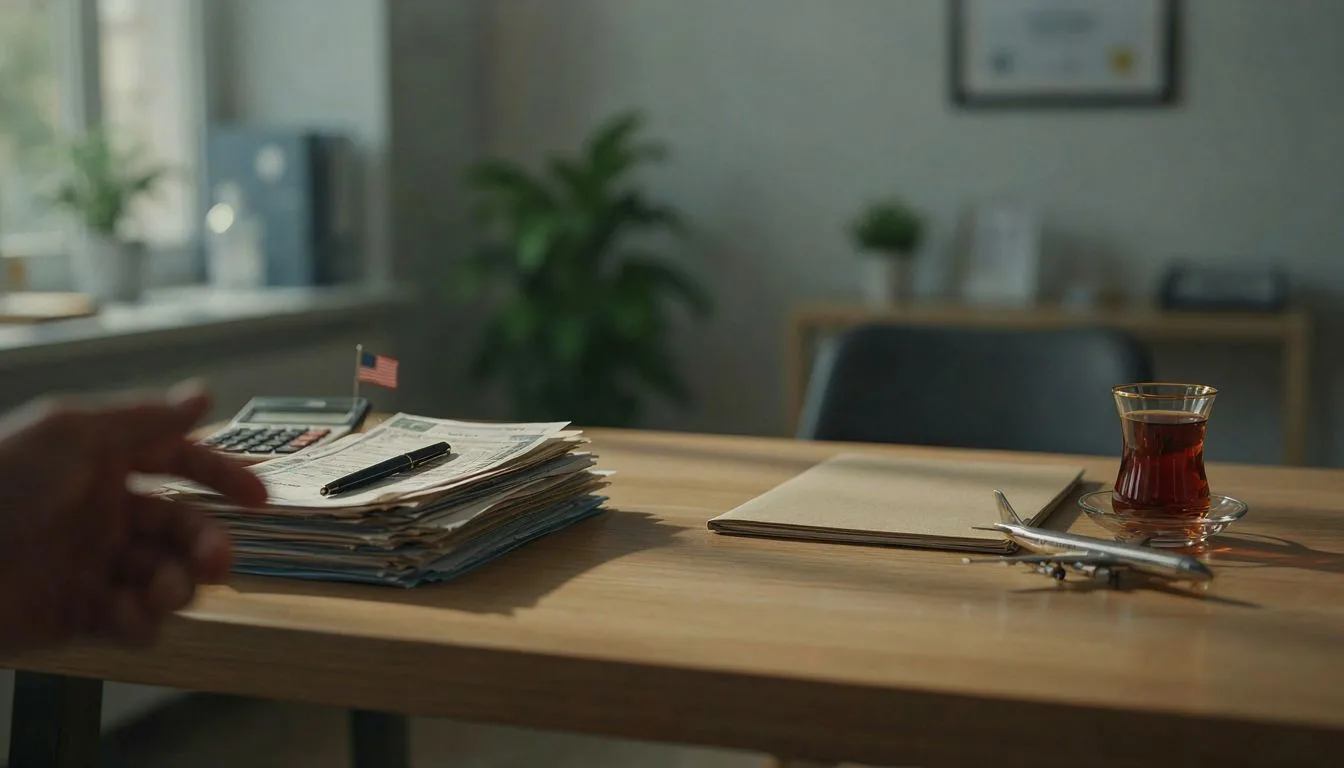
Numbers tell the story better than anything else when comparing brow lift costs. In the United States, a brow lift typically runs between $6,000 and $12,000, and that figure usually covers only the surgeon’s fee, anesthesia, and facility charges. Add in pre-operative testing, prescriptions, and follow-up visits, and the true out-of-pocket total often climbs higher—especially since most insurance plans classify the procedure as cosmetic.
In Turkey, the same surgery generally costs between $2,500 and $4,500, and this is where the all-inclusive package model changes the math entirely. Because the price bundles the surgical fee, hotel accommodation, transfers, medications, and translation support into one figure, Americans can often fly to Istanbul, have the procedure, recover in a four- or five-star hotel, and return home while still spending 40–60% less than they would domestically.
Why is the gap so wide? It comes down to economics, not quality. Lower operating costs, favorable exchange rates, and high patient volume allow Turkish clinics to charge less while still paying their surgeons well. Many lead surgeons train in the US or Europe and perform brow lifts daily at far greater volumes than their American counterparts.
One practical note: when comparing quotes, ask what happens if complications arise after you fly home. Reputable clinics provide remote follow-up and clear policies on revision surgery, and knowing these terms upfront makes the price comparison genuinely meaningful rather than just appealing.
Planning Your Medical Trip: Flights, Accommodation, and Timeline
Once you’ve decided on a clinic and confirmed your quote, the practical side of your trip comes into focus — and this is where a bit of planning pays off. Most patients fly into Istanbul Airport (IST), which offers direct routes from major US cities like New York, Chicago, and Los Angeles. Book your flights as soon as your surgery date is confirmed; prices from the US to Istanbul typically range from $600 to $1,100 round trip depending on the season.
Your clinic coordinator will usually help with scheduling, but here’s what a realistic 7-day itinerary looks like: arrive one or two days before surgery for your consultation and pre-operative testing, have your procedure on day two or three, then allow several days of rest and follow-up appointments before flying home. Do not try to compress this into fewer than six days — your surgeon will want to clear you before you board that return flight.
Accommodation is typically covered in your package for the duration of your stay, usually a four- or five-star hotel close to the clinic. If you’re bringing a companion, confirm early that the hotel room can accommodate two guests, as some base packages assume a single occupant. An extra companion fee is usually modest and worth clarifying upfront.
A few logistics worth handling in advance: make sure your passport is valid for at least six months, arrange your e-Visa online before departure (US citizens are eligible), and notify your bank that you’ll be traveling. While the aftercare details of your recovery will be covered shortly, knowing your day-by-day structure now helps you request the right time off work — most patients plan for ten to fourteen days away from the office in total.
How the Brow Lift Procedure Works: Techniques and What to Expect
Every surgical plan begins with the same question: which technique fits your anatomy and your goals? Turkish surgeons typically recommend one of three approaches, and the choice depends on how high your brow sits, where your hairline falls, and how much skin laxity you have. During your consultation, the surgeon will often use a mirror and a simple pencil test to show you exactly what each technique would achieve before you commit to anything.
Understanding your options helps you ask sharper questions and feel confident on surgery day. The three most common approaches are:
- Endoscopic brow lift — the least invasive option, using a tiny camera and a few short incisions hidden in the hairline. It lifts the brow with minimal scarring and a faster healing period, making it the most popular choice for younger patients with moderate sagging.
- Coronal brow lift — a classic technique involving an incision across the top of the scalp. It offers the most dramatic correction and long-lasting results, but is generally reserved for patients with significant drooping or excess skin.
- Temporal (lateral) brow lift — a targeted approach that lifts only the outer third of the eyebrows through small incisions near the temples. It’s ideal when the concern is a tired or angry look around the eyes rather than overall brow descent.
Whichever technique you and your surgeon choose, the operation itself usually takes between one and two hours and is performed under general anesthesia. You’ll arrive at the clinic in the morning, and most patients are back at their hotel by the evening with a light dressing in place. Because the incisions are placed within the hairline, they are typically invisible once healed, though you may experience temporary numbness or tightness in the forehead area.
Your surgeon will mark the incision lines the night before or the morning of surgery, so it’s worth asking to see them. This is also the moment to confirm any final details about symmetry and lift height. Clinics that specialize in international patients usually schedule this last check-up the day before the operation, leaving you a calm evening to rest before the procedure itself.
Recovery and Aftercare During Your Stay in Turkey
The first 48 hours after surgery set the tone for your entire recovery, and this is precisely why most clinics build a dedicated aftercare window into their packages. Immediately following your brow lift, you’ll rest in a recovery suite under nursing supervision before being transferred to your hotel — most Americans are surprised at how quickly they’re mobile, often walking unassisted the same evening.
Swelling and bruising around the forehead and upper eyelids peak around day two or three, then fade steadily. Cold compresses, sleeping with your head elevated, and taking prescribed medication as directed make a noticeable difference in how you look and feel. Your surgeon will typically see you the next morning for a first dressing check, which is one of the clearest advantages of staying in Turkey rather than flying home right away: your actual surgeon examines your healing in person, not a distant colleague reviewing photos.
A standard post-operative follow-up schedule within a 7-day itinerary usually looks like this: a day-one or day-two checkup, suture removal or adjustment around day five to seven depending on the technique used, and a final clearance appointment before your return flight. Between visits, an interpreter or patient coordinator remains reachable by phone or WhatsApp, so language never becomes a barrier if you notice anything unusual.
During your stay, you should plan for quiet days — light walking, hotel downtime, short outings to café or shopping districts once you feel comfortable. Avoid sun exposure, heavy lifting, bending, and strenuous activity for at least two weeks. Most clinics advise waiting seven to ten days before flying, which conveniently matches the package timeline and lets you attend every scheduled check.
You’ll leave with written aftercare instructions, a supply of medications, and often a direct line to your surgeon’s team for follow-up once you’re back in the US. Keep your final medical report and imaging; documenting your healing with periodic photos makes the eventual teleconsultation with your Turkish clinic far more useful for both sides.
Choosing a Safe and Accredited Clinic Abroad
A credible clinic is the single most important variable in your entire surgical journey, and the good news is that verification is entirely in your hands before you book a single flight. The gold standard to look for is JCI accreditation (Joint Commission International), which confirms the hospital has passed rigorous international safety and hygiene audits. Turkey has more JCI-accredited facilities than almost any other country outside the US, so a quality clinic is easy to find—provided you know how to filter.
Beyond accreditation, dig into the credentials of the specific surgeon who will operate on you. Look for board certification by the Turkish Society of Plastic, Reconstructive and Aesthetic Surgeons (TPRECD), at least several years of facial surgery experience, and a portfolio of real brow lift before-and-after photos from patients with similar facial anatomy. A reputable surgeon will gladly arrange a video consultation before you commit.
Be equally diligent about what happens online. Warning signs include clinics that quote a final price without ever seeing your photos, pressure tactics with “today only” discounts, and reviews that read suspiciously uniform. Cross-check independent sources such as Trustpilot, RealSelf, and Google reviews, and prioritize clinics that respond transparently to negative feedback.
It’s also worth confirming the practical safety net: ask which hospital the clinic is affiliated with in case of complications, whether an anesthesiologist (not just a technician) administers your anesthesia, and what the policy is if a revision is needed. Serious providers answer these questions without hesitation.
Finally, make sure your arrangements include a clear post-operative follow-up schedule—both during your stay in Turkey and guidance for when you’re back home. The best clinics assign a patient coordinator who remains reachable after you return to the US, and they’ll share your operative records and suturing details so your local physician can continue your care seamlessly. A clinic that plans for your aftercare is a clinic that plans for your outcome.
FAQs
How much does a brow lift Turkey package for Americans typically cost compared to prices in the US?
A brow lift package in Turkey typically costs between $2,500 and $5,000, covering the surgery, anesthesia, hospital fees, medications, and often hotel accommodation and transfers. In the US, the same procedure alone generally ranges from $6,000 to $12,000 or more, with additional costs for anesthesia and facility fees. This means American patients can often save 50% to 70% by choosing Turkey, even after including flights. Prices vary depending on the surgeon's experience, the clinic, and the technique used.
What is usually included in a brow lift Turkey package, such as accommodation, transfers, and aftercare?
A brow lift Turkey package typically covers the surgery fee, anesthesia, hospital costs, and pre-operative tests. It usually also includes airport transfers, several nights of hotel accommodation, medications, and post-operative check-up appointments. Many clinics additionally provide a follow-up support line for aftercare, though the exact contents vary by provider, so patients should confirm what is included before booking.
How long should Americans plan to stay in Turkey after a brow lift before flying home safely?
Most Americans should plan to stay in Turkey for about 7 to 10 days after a brow lift before flying home. This allows your surgeon to remove stitches, monitor early healing, and manage swelling or bruising during the first critical days. A short follow-up check before departure also lets your doctor confirm you're fit to fly, since cabin pressure can affect freshly operated tissues. If your procedure was combined with other surgeries, extending your stay to two weeks is often recommended.