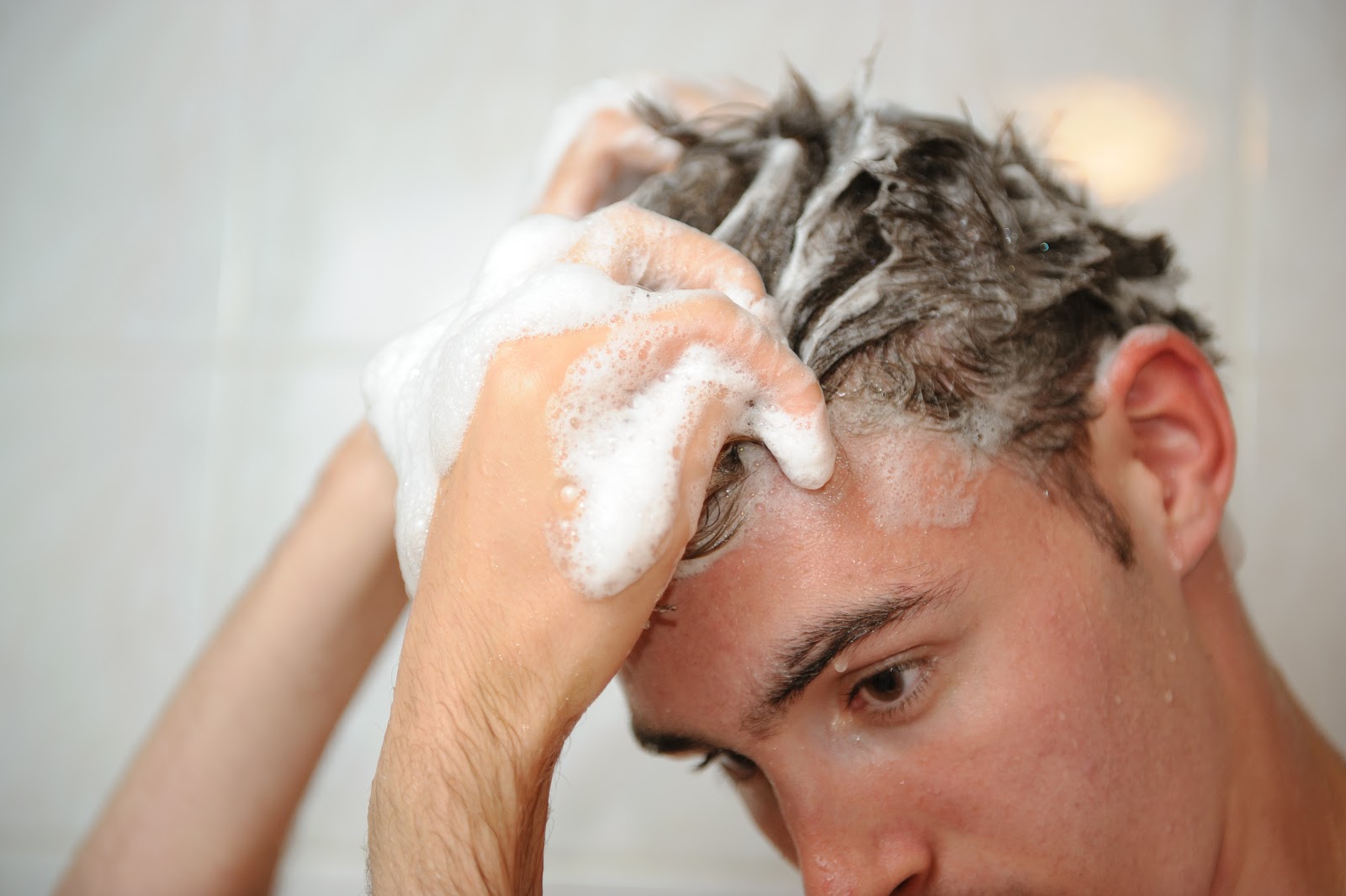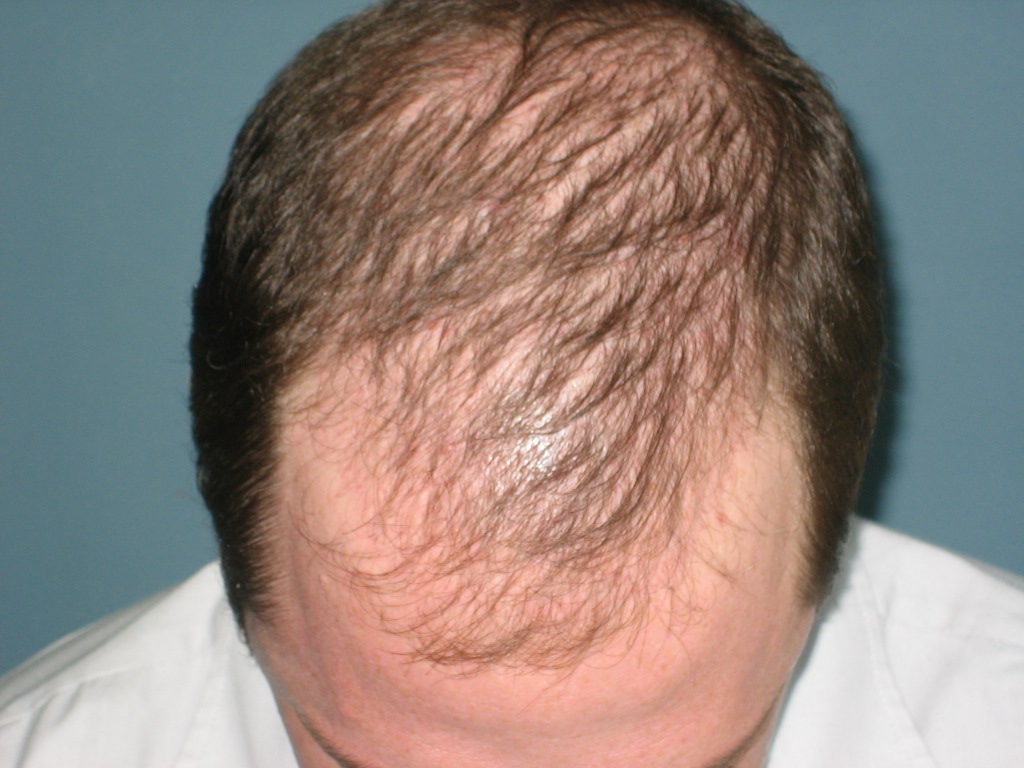
Hair loss can develop for many reasons, and the cause is not always obvious. Inherited traits, hormonal changes, medical conditions, nutritional gaps, stress, medications, and hair-care habits may all affect the hair growth cycle in different ways. Some people notice gradual thinning, while others experience sudden shedding or visible changes in hair density. Understanding the possible triggers can help you recognize patterns and decide whether further advice is needed. This article explains the main factors linked to hair loss in clear, practical terms. It is intended for general information, not personal diagnosis, since identifying the exact cause may require an assessment by a qualified healthcare professional.
What Causes Hair Loss? Common Reasons Explained
Hair loss can appear in several distinct patterns, and recognizing the pattern provides an important starting point. Normal shedding involves individual hairs falling out during washing, brushing, or throughout the day. Thinning usually develops more gradually, with reduced density across the scalp or a widening part. Localized or patchy loss creates clearly defined areas with little or no hair and may affect the scalp, eyebrows, beard, or other body sites.
These patterns can have different explanations. A gradual change may reflect an inherited tendency, while sudden shedding can follow a disruption in the hair growth cycle. Hair may also break near the scalp rather than fall out from the follicle, creating the appearance of reduced coverage. In some cases, more than one factor contributes to visible loss.
Timing, distribution, and accompanying symptoms help place the change in context. Ask whether the loss began suddenly or slowly, whether it is even across the scalp or concentrated in specific areas, and whether itching, scaling, pain, redness, or skin changes are present. Recent changes in health, routines, or medicines may also be relevant. The main categories include hair growth cycle disruption, inherited follicle sensitivity, physical damage, and underlying health factors. These clues can guide further questions, but they cannot confirm a diagnosis on their own.
How Genetics and Hormones Affect Hair Growth
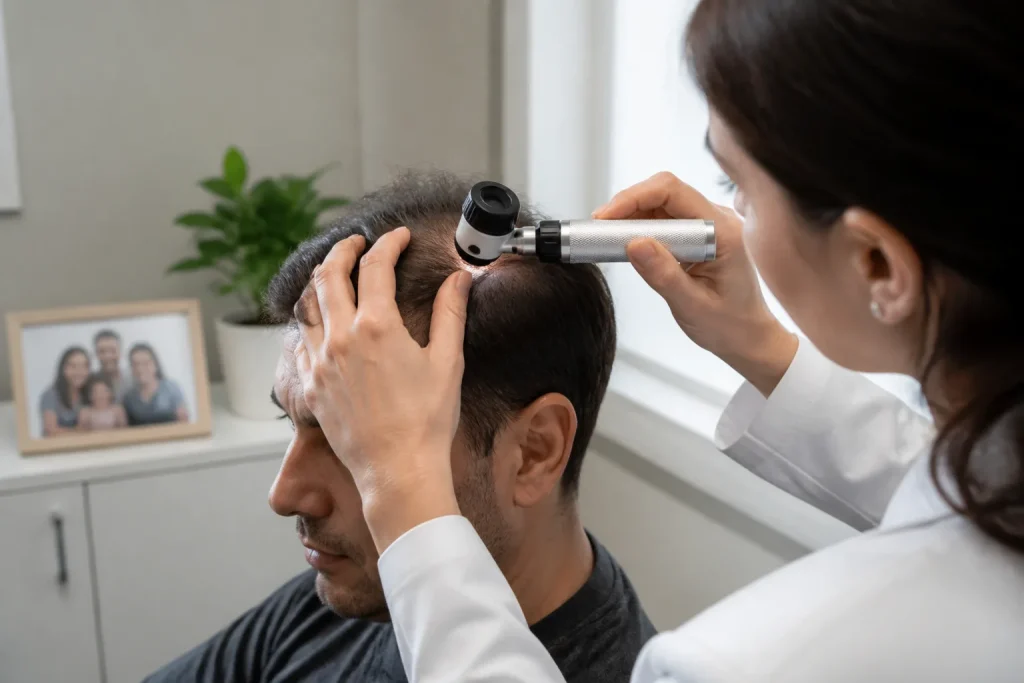
Inherited traits are a common reason hair gradually becomes finer or less dense. In hereditary pattern hair loss, follicles may be more sensitive to certain androgen hormones, causing each growth cycle to produce shorter, thinner strands. This process often begins gradually around the temples, hairline, or crown, although the pattern can vary between individuals. A family history may increase the likelihood, but thinning can occur even when relatives have not experienced obvious hair loss.
The key process is follicle miniaturization: affected follicles shrink over time and produce hairs that are less substantial than before. The follicles do not all change at the same rate, so density may decline slowly rather than disappear suddenly. The age at which thinning begins, its distribution, and whether close relatives have a similar pattern can provide useful context, but they cannot confirm the cause on their own.
Hormonal fluctuations may also influence hair follicles. Changes during pregnancy, after childbirth, menopause, or other major physiological transitions can shift follicles between growth and resting phases. Some people notice increased shedding several weeks or months after a hormonal change, while others experience changes in texture or overall fullness. Hormonal conditions can sometimes resemble inherited thinning, so the timing and pattern of hair loss matter. Gradual loss should not automatically be attributed to genetics, particularly if it develops alongside other changes in health or hormone levels.
Can Illness, Medication, or Nutrition Trigger Shedding?

Illness can affect hair shedding even after the main symptoms have improved. A high fever, significant infection, surgery, or other physical strain may disrupt the normal hair growth cycle, causing more follicles to enter the resting phase. This type of shedding often appears several weeks to a few months after the triggering event, so the timing may not seem connected at first.
Some prescription medicines can also contribute to increased shedding or changes in hair texture. The possibility depends on the drug, dose, treatment duration, and individual response. If hair loss begins after starting or changing a medicine, discuss the timing with the prescribing clinician or pharmacist. Do not stop a prescribed treatment independently, since doing so may create greater health risks.
Nutrition may play a role when the body lacks essential building materials for hair production. Low iron stores, inadequate protein intake, and deficiencies involving nutrients such as zinc or vitamin B12 can be relevant in some people, particularly after restrictive dieting, rapid weight loss, digestive problems, or reduced appetite. However, hair shedding does not prove that a specific deficiency is present, and taking high-dose supplements without testing can be unhelpful or harmful.
A clinician can review recent illnesses, medicines, dietary changes, and other symptoms to identify a plausible cause. Blood tests may be recommended when the history suggests a nutritional or medical problem. Addressing the underlying issue may help normalize telogen effluvium, a delayed form of diffuse shedding that can follow physical stress, although regrowth patterns vary from person to person.
How Stress, Hairstyles, and Hair Care Damage Contribute

Everyday hair practices can affect how much hair remains visible, even when the follicles themselves are healthy. Tight ponytails, braids, buns, extensions, and similar styles place repeated pulling force on the roots. Over time, this may cause traction alopecia, a form of hair loss related to ongoing tension. Loosening styles, changing how the hair is secured, and allowing the scalp to rest can reduce preventable stress on the follicles.
It is also useful to distinguish hair-shaft breakage from shedding at the follicle. Heat styling, bleaching, coloring, chemical straightening, vigorous brushing, and rough towel drying can weaken the shaft. Damaged strands may snap, leaving shorter pieces and the appearance of reduced density, but the hair has not necessarily been shed from its root. Gentle handling, lower heat, appropriate conditioning, and avoiding overlapping chemical treatments can help limit this type of damage.
Emotional or physical stress may also influence the hair growth cycle and lead to increased shedding. The effect can vary between people, and stress is not always the only contributing factor. Improving sleep, eating regularly, and addressing ongoing sources of stress may support general hair health, but persistent or worsening loss should not automatically be attributed to styling or stress alone.
When Is Hair Loss a Sign to Seek Medical Advice?
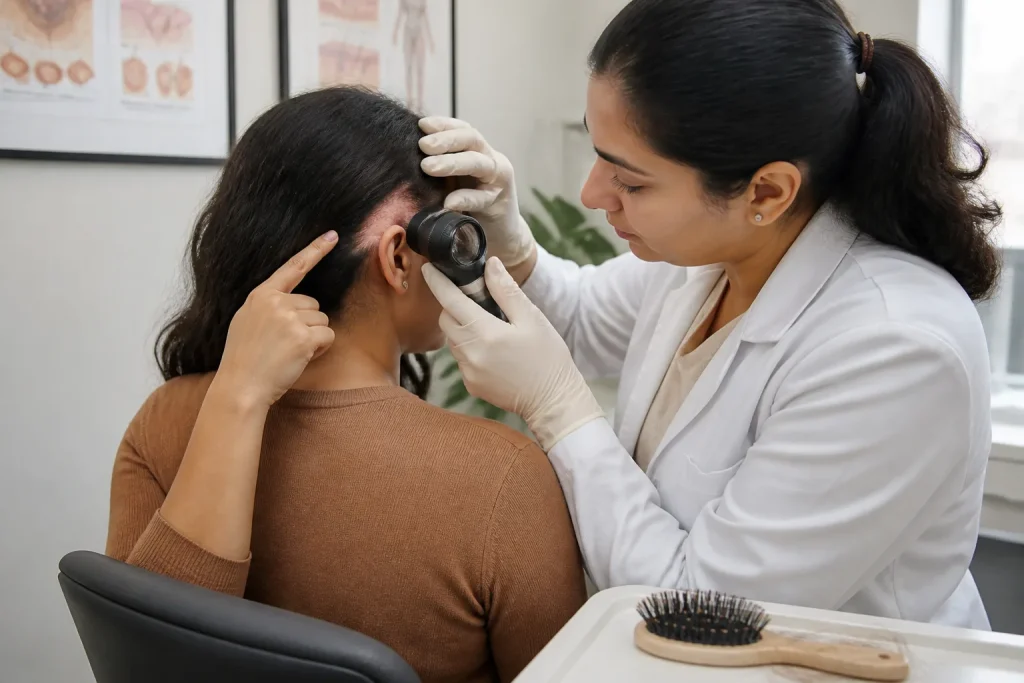
Hair loss deserves medical evaluation when its pattern, speed, or accompanying symptoms suggest an underlying problem that may need targeted care. Observation may be reasonable for mild, gradual thinning, but a clinician can distinguish temporary shedding from conditions affecting the scalp or hair follicles.
- Sudden or rapid shedding: Seek advice if hair begins falling out noticeably over days or weeks, especially when large amounts appear during washing or brushing.
- Patchy or sharply defined loss: Smooth bald spots, broken hairs, or loss of eyebrows or eyelashes should be assessed rather than managed only with home remedies.
- Scalp symptoms: Pain, intense itching, redness, swelling, scaling, crusting, sores, or discharge may indicate inflammation or infection.
- Other health changes: Fatigue, unexplained weight change, fever, menstrual changes, weakness, or new medication use can provide important clues about the cause.
A clinician may review your health history, examine the scalp and hair density, and decide whether blood tests or other evaluation is appropriate. Online information cannot confirm the diagnosis or determine treatment, so persistent, worsening, or symptom-associated hair loss should be discussed with a qualified healthcare professional.
FAQs
Can hair loss be caused by a vitamin deficiency?
Yes, deficiencies in iron, vitamin D, zinc, biotin, or other nutrients can contribute to hair shedding and reduced hair growth. However, hair loss may also result from genetics, hormonal changes, illness, stress, or scalp conditions, so supplements are not helpful unless a deficiency is confirmed. A healthcare professional can recommend blood tests and appropriate treatment.
Is sudden hair shedding usually temporary?
Yes, sudden hair shedding is often temporary, especially after stress, illness, fever, major weight loss, hormonal changes, or certain medications. Hair growth commonly returns once the trigger resolves, although visible recovery may take several months. Consult a dermatologist if shedding continues, causes bald patches, or occurs with scalp irritation or other symptoms.
How can I tell whether my hair loss is hereditary?
Hereditary hair loss often develops gradually, follows a recognizable pattern at the temples or crown, and affects close relatives on either your mother’s or father’s side. A dermatologist can distinguish pattern hair loss from causes such as stress, nutritional deficiencies, thyroid problems, or scalp conditions by examining your hair density, shedding pattern, and scalp. Seek medical advice if hair loss is sudden, patchy, painful, or accompanied by itching or inflammation.