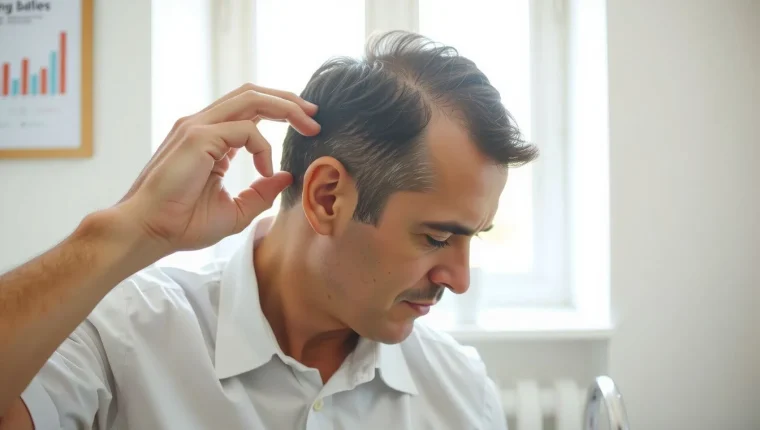
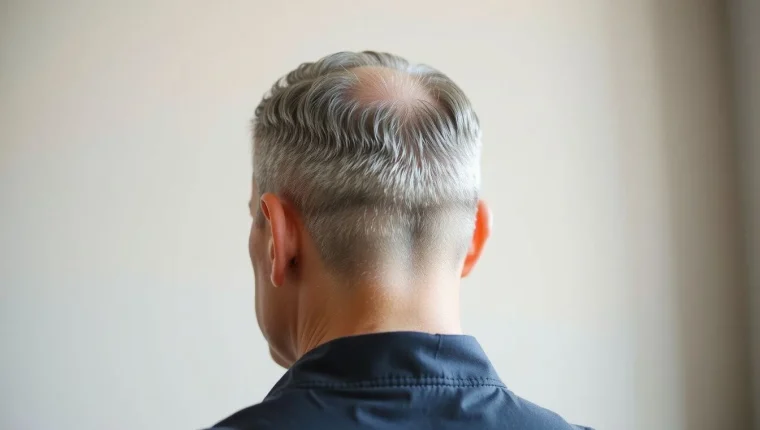
A receding hairline rarely happens overnight. Most men first notice it in photos, when the temples look thinner than a year earlier, or when styling takes more effort to cover the corners. This pattern is usually androgenetic alopecia, the most common form of male hair loss, and it affects a large share of adult men at some point. It is not a sign of poor health or bad habits, and it is not simply “just aging” to be ignored. Genetics and hormones drive it, which means the rate and extent vary widely from person to person. Understanding what causes the hairline to recede, how it usually progresses, and which treatments have real evidence makes it far easier to decide whether to act and what to expect.
Understanding Androgenetic Alopecia and the Receding Hairline
Androgenetic alopecia is the medical term for the most common form of hair loss in men, and each part of the word carries meaning. “Androgenetic” signals two forces working together: androgens, the hormones that influence how hair follicles behave, and genetics, the inherited sensitivity that decides how a given scalp responds to those hormones. In practical terms, the condition is not a sudden failure of the scalp but a gradual change in how certain follicles grow hair over time.
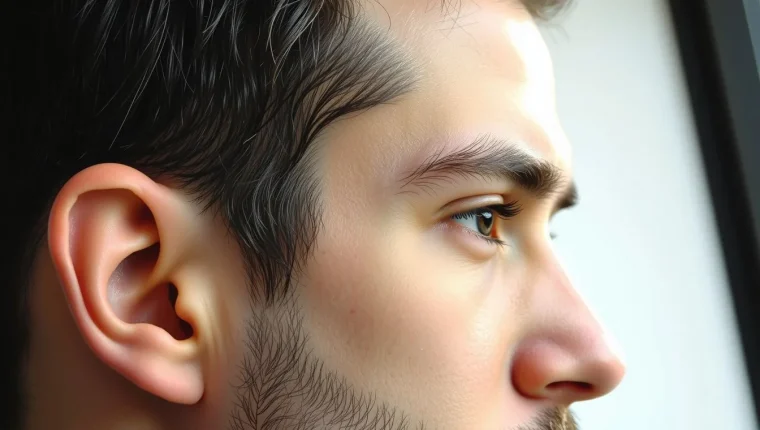
The frontal hairline is usually the first place this change becomes visible. Follicles along the temples and front of the scalp tend to be the most sensitive to the hormonal signals involved, so they miniaturize earlier than hair elsewhere. Strands grow back thinner, shorter, and lighter until they stop emerging altogether, which creates the characteristic M-shaped recession.
This pattern differs from other kinds of shedding. Telogen effluvium, for instance, causes diffuse thinning across the whole scalp, often after stress, illness, or a nutritional deficit, and it is frequently temporary. A receding hairline that advances slowly and follows a recognizable shape is far more consistent with androgenetic alopecia than with random or stress-related loss.
How DHT and Genetics Drive Male Pattern Baldness
Androgenetic alopecia is not simply a matter of too much testosterone. The key player is dihydrotestosterone (DHT), a potent androgen produced when the enzyme 5-alpha reductase converts testosterone in the hair follicle and other tissues. DHT binds to androgen receptors in genetically susceptible follicles, and this binding is what triggers the gradual shrinking process known as miniaturization.
What makes DHT so consequential for the hairline is that not all follicles respond to it the same way. Hair on the sides and back of the scalp is largely resistant, while follicles along the frontal hairline and crown tend to be far more sensitive. This pattern of sensitivity is inherited, which is why male pattern baldness runs in families and why two men with identical hormone levels can have very different hairlines.
The inherited factor is not the amount of DHT itself but the follicle’s sensitivity to it. Variations in the androgen receptor gene, among others, influence how strongly a given follicle reacts to DHT over time. In susceptible men, DHT shortens the growth phase of each hair cycle and causes individual hairs to become thinner, shorter, and less pigmented before they eventually stop producing visible hair.
This mechanism explains why the frontal hairline is often the first area affected and why the recession tends to follow a predictable pattern. It also clarifies the therapeutic logic behind treatment: if DHT is the signal driving miniaturization, then reducing DHT production or blocking its action at the follicle is the most direct way to slow or partially reverse the process. This principle guides the medical options discussed later.
Early Signs and Stages of a Receding Hairline
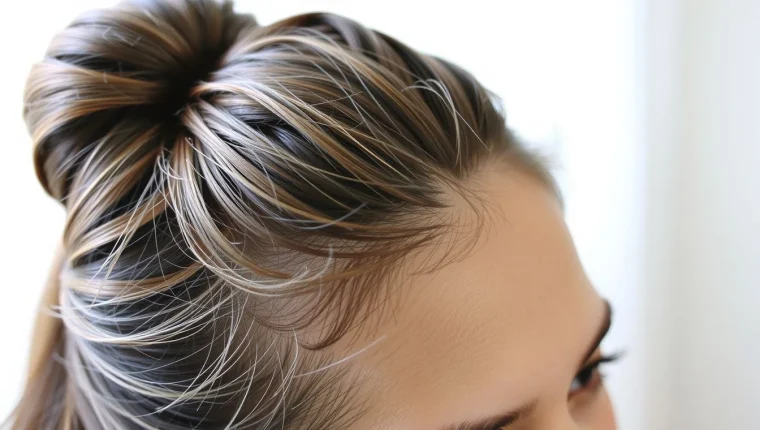
What most men notice first is not a bald patch but a change at the temples, where the hairline gradually loses density and creeps backward. This frontal zone is especially sensitive to follicular miniaturization, the process in which affected hairs become thinner, shorter, and less pigmented before they stop growing altogether. Because the change is slow, comparing your hairline today with a photo from two or three years ago often reveals more than a mirror does.
- Temple recession: The corners of the hairline thin and move back, creating a subtle “M” shape that widens over time.
- Frontal line shift: The central hairline rises and loses the fine hairs that once softened its edge.
- Diffuse thinning behind the line: Density drops just behind the frontal edge, making styling harder even when the line itself looks intact.
- Widening part and crown changes: A broader part or a thinning crown often accompanies early frontal recession.
- Advanced recession: The frontal and crown zones may eventually connect, leaving a remaining band of hair.
Recognizing these cues early matters because miniaturized follicles can still be preserved or partially restored while they remain active. Once a follicle stops producing visible hair, the options narrow considerably, which is why timing of recognition shapes how much can realistically be kept.
Medical Treatments That Slow or Reverse Hair Loss
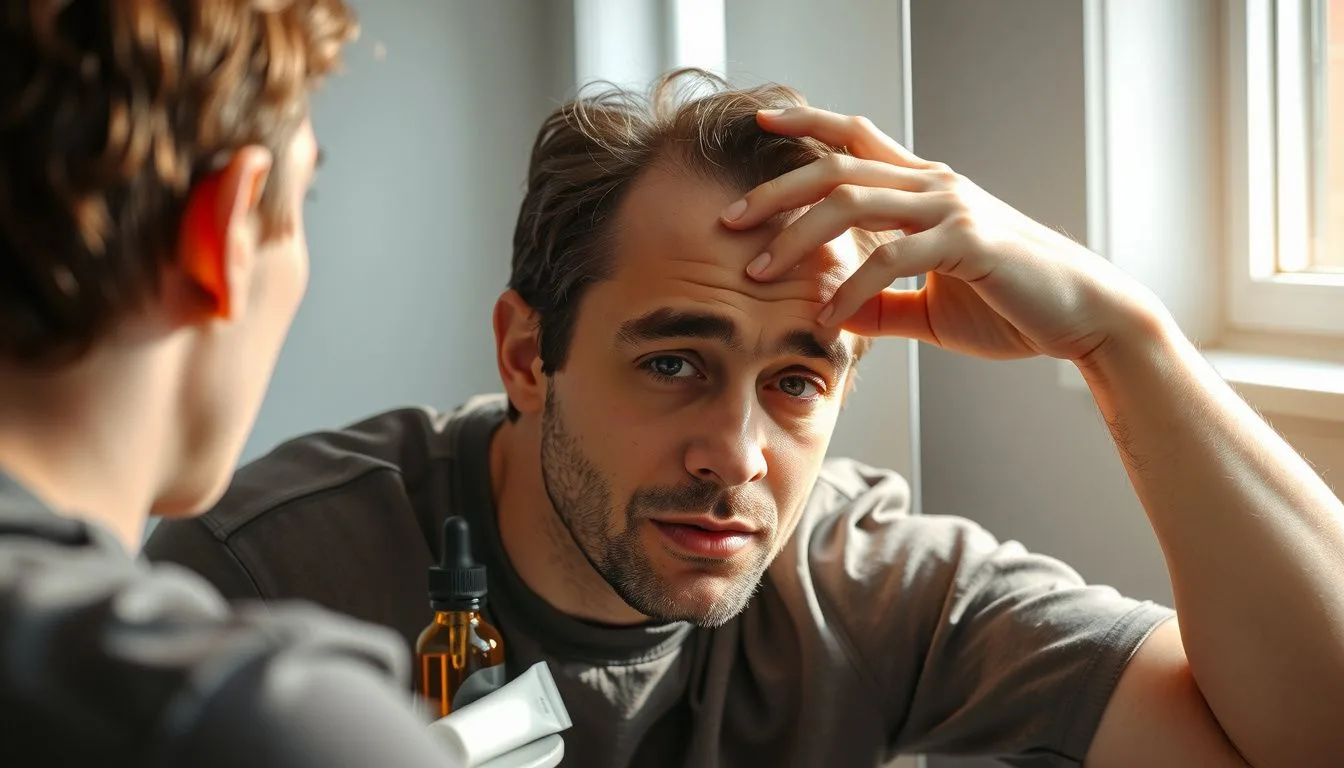
Medical treatment for a receding hairline falls into a small number of well-studied categories, and each works differently. The first group targets the hormone behind the problem: 5-alpha-reductase inhibitors such as finasteride block the conversion of testosterone into DHT, the driver of follicular miniaturization. By lowering DHT, these oral medications slow further recession and, in many men, produce partial regrowth over months of consistent use. The second group stimulates the follicle directly. Topical minoxidil widens blood flow and prolongs the growth phase, and it works best on thinning areas rather than completely bare skin. A third option, topical or oral minoxidil combined with a DHT blocker, is often used when a single agent gives limited results.
Expectations matter here. Medication is generally better at holding the line than rebuilding it, and the earlier treatment starts, the more hair there is to preserve. A dormant follicle may recover; a scarred one usually will not.
| Treatment | What it does | How it is used | Typical expectations |
|---|---|---|---|
| Finasteride (oral) | Lowers DHT to slow miniaturization | Daily tablet, prescription | Slows loss; partial regrowth in some men after 3–6 months |
| Minoxidil (topical) | Stimulates follicles and extends growth phase | Applied to scalp once or twice daily | Thickens thinning areas; limited effect on bare skin |
| Combination therapy | Targets DHT and follicle stimulation together | Prescribed plan using both agents | Often better results than either alone |
Lifestyle Habits and Procedures That Support Hair Regrowth
Daily habits cannot regrow a hairline on their own, but they shape the environment in which medical treatment either works or stalls. The scalp is living tissue, and chronic inflammation, poor circulation, and oxidative stress all work against follicular recovery. Smoking is one of the clearest negatives: it constricts small blood vessels and has been linked to earlier and faster progression of androgenetic alopecia. A diet rich in protein, iron, zinc, and vitamin D supports the raw materials hair follicles need, while crash dieting and severe calorie restriction can trigger a separate shedding episode on top of existing loss. Gentle handling matters too — tight caps, harsh brushing, and frequent tension on the frontal hairline add mechanical stress that a miniaturized follicle tolerates poorly.
Sleep and stress management are less visible but still relevant. Elevated cortisol and disrupted sleep do not cause androgenetic alopecia, yet they can worsen shedding and slow recovery. Regular aerobic exercise improves circulation and helps regulate stress hormones.
Procedures sit in a different category. Platelet-rich plasma (PRP) injections, low-level laser therapy, and microneedling are used alongside medication, not instead of it. Evidence for each varies, and results are usually modest. Hair transplant surgery is the only option that physically restores hair to a receding hairline, but transplanted follicles still sit in a DHT-sensitive scalp, so ongoing medical therapy protects the result. None of these measures replaces finasteride, minoxidil, or combination therapy; they support it.
FAQs
Can male hair loss with a receding hairline be stopped or reversed naturally?
Natural remedies alone generally cannot stop or reverse a receding hairline caused by androgenetic alopecia, since this condition is driven by genetics and the hormone DHT. Proven treatments such as minoxidil and finasteride can slow or partially reverse hairline recession in some men, but results vary and early intervention works best. Lifestyle measures like reducing stress and eating a balanced diet may support overall hair health but should not be relied on as a cure.
Which treatments work best for a receding hairline caused by androgenetic alopecia?
For a receding hairline caused by androgenetic alopecia, the most effective treatments are FDA-approved medications such as topical minoxidil and oral finasteride, which can slow hair loss and promote regrowth in many men. Finasteride typically works best for the crown and mid-scalp, while minoxidil can help at the hairline, though results vary. For more advanced recession, procedures like hair transplantation offer the most durable improvement when combined with ongoing medical therapy. Starting treatment early generally leads to better outcomes, so consulting a dermatologist is recommended.
How soon can you see results from male hair loss treatments for a receding hairline?
Most men notice early changes from treatments like minoxidil or finasteride within three to six months, but visible improvement along a receding hairline typically takes six to twelve months of consistent use. Because the frontal hairline responds more slowly than the crown, full results may require up to a year or longer. Stopping treatment usually reverses any gains, so ongoing use is necessary to maintain them.