Growing long, healthy hair is not just about making it grow faster. The goal is to support the scalp, hair follicles, and hair fiber while preventing breakage that removes the length you want to keep. Hair growth varies from person to person, so visible progress usually takes time and depends on factors such as nutrition, routine, genetics, and overall health. This guide covers practical ways to protect existing length, maintain stronger strands, choose suitable hair care and treatment options, and recognize when slow growth or shedding may need professional attention.
How to Grow Long Healthy Hair: The Foundations of Strong Growth

Hair grows from living follicles beneath the scalp, but the length you see depends on how much of that growth remains attached over time. A follicle can produce hair normally while the older fiber repeatedly breaks at the ends, creating the impression that growth has stopped. For this reason, growing longer hair requires both supporting the growth cycle and protecting the existing length.
Length retention is shaped by several factors. Genetics influence the hair-growth cycle, maximum length potential, and natural density. Hair type also matters because curls, coils, and fragile or highly porous strands may experience more friction and dryness. A healthy scalp gives follicles a better environment, while inflammation, persistent itching, or sudden shedding may interfere with normal growth and should not be ignored.
Damage from heat, chemical processing, tight hairstyles, sunlight, and rough handling can weaken the hair fiber long before problems are visible. No single oil, supplement, or fast-growth product can overcome ongoing breakage or an untreated scalp concern. Consistent, gentle care is more reliable than shortcuts, and persistent thinning or excessive shedding warrants advice from a qualified dermatologist.
Build a Hair-Friendly Diet and Daily Routine

Hair growth depends partly on having enough raw material to produce a strong hair fiber. Include a reliable protein source at meals, such as eggs, fish, poultry, dairy, tofu, beans, or lentils. A varied diet should also provide iron, zinc, vitamin D, vitamin B12, and other nutrients involved in normal follicle function. Severe calorie restriction or highly limited eating patterns can make it harder to meet these needs.
Dietary adequacy matters more than chasing a single “hair growth” food. Drink regularly according to thirst and activity, but remember that hydration alone cannot correct poor nutrition. If you have heavy periods, digestive symptoms, a restrictive diet, or ongoing fatigue, ask a qualified healthcare professional whether testing for a nutrient deficiency is appropriate. Do not begin high-dose supplements without confirmation, because unnecessary supplementation can cause side effects and may interfere with other treatments.
Daily habits also affect length retention. Aim for consistent sleep and use practical stress-management strategies, such as exercise, relaxation, or a regular wind-down routine. Repeatedly wearing tight ponytails, braids, or extensions can place tension on the hair and scalp, so alternate styles and avoid excessive pulling. Limit frequent high-heat styling, keep tools at a moderate temperature, and use them only on dry hair. These small adjustments help protect the new length your follicles produce from avoidable weakening and breakage.
Prevent Breakage With Effective Washing and Detangling

Wash-day habits can determine how much of your natural growth becomes visible length. Choose washing frequency based on scalp oiliness, product buildup, hair texture, sweating, and lifestyle rather than following a fixed schedule. A clean scalp supports comfortable hair care, while overly frequent washing or very hot water may leave the hair fiber dry and more fragile.
Apply shampoo mainly to the scalp and let the lather rinse through the lengths instead of aggressively rubbing them. Follow with conditioner through the mid-lengths and ends, where older hair is more vulnerable to dryness. Allow the conditioner to soften the strands before handling them, then detangle in small sections, beginning at the ends and gradually moving toward the roots. A wide-tooth comb or flexible brush can reduce pulling, especially when the hair is damp.
Gentle handling is central to preventing breakage. Blot excess water with a soft towel or cotton T-shirt rather than twisting or rubbing the hair. Let it partially air-dry when practical, and keep blow-dryer heat moderate and moving. Repeated friction from rough fabrics, aggressive brushing, frequent high-heat styling, chemical processing, and tight ponytails or extensions can weaken the shaft and cause split ends. Varying hairstyles, protecting hair during sleep, and loosening tension help preserve length between washes.
Choose Treatments for Scalp Health and Hair Repair
Scalp care and hair repair require different strategies. A healthy scalp gives hair follicles a cleaner, more comfortable environment, while repair products mainly improve the condition and appearance of the existing hair fiber. Regular cleansing can remove excess oil, sweat, and styling residue, but harsh products or overly frequent washing may worsen dryness or irritation. Choose a gentle shampoo based on your scalp’s needs, then adjust how often you use it according to oiliness, activity, and product buildup.
Conditioners, masks, leave-in products, and lightweight oils can reduce friction, improve softness, and help damaged lengths feel stronger. However, they cannot permanently rebuild split ends or make a follicle produce hair faster. Select formulas according to your hair’s texture and condition: moisturizing products may help dry lengths, while occasional strengthening treatments can benefit fragile hair. Apply heavier products mainly from the mid-lengths to the ends if your scalp becomes greasy or congested easily.
Scalp condition management should remain separate from cosmetic repair. Persistent itching, scaling, redness, tenderness, sores, or sudden changes in shedding deserve assessment by a qualified healthcare professional rather than repeated experimentation with oils or masks. Stop any treatment that causes burning or worsening discomfort, since irritation can make routine hair care harder and may obscure an underlying scalp problem.
Track Progress and Address Slow Growth or Excessive Shedding

Track changes under consistent conditions so gradual progress is easier to judge. Take photos of the front, sides, and back once every four to six weeks, using the same lighting, camera distance, hairstyle, and hair condition. You can also measure a small section from the same point, while noting trims, protective styles, heat use, and significant changes in your routine.
Record whether you are noticing more short broken pieces or complete strands with a bulb-like end. These patterns can help distinguish breakage from shedding, while visible length does not always reflect changes in hair density. Temporary increases in shedding may occur after illness, major stress, or other changes, but persistent or worsening loss deserves attention.
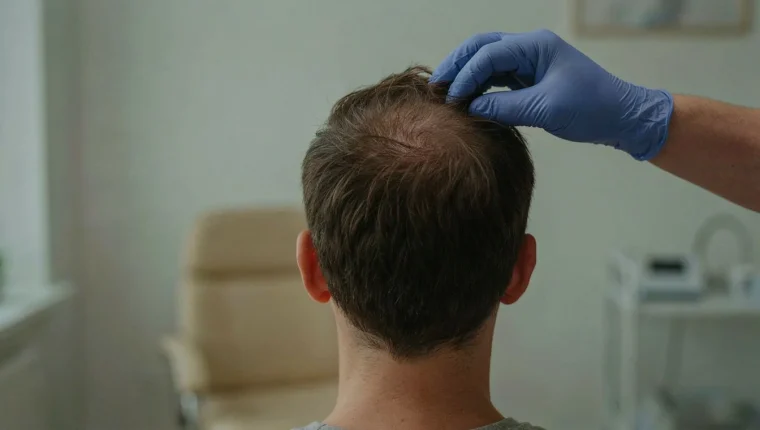
Arrange a professional assessment for sudden shedding, patchy thinning, scalp pain, marked itching, redness, scaling, or changes accompanied by fatigue or other symptoms. A dermatologist or qualified clinician can examine the scalp and hair and decide whether relevant testing is needed. Avoid self-diagnosing the cause or starting high-dose supplements based only on photographs.
FAQs
How long does it usually take to grow long hair?
Hair typically grows about half an inch (1–1.25 cm) per month, so reaching long hair usually takes several years, depending on your starting length and goal. Genetics, age, health, hormones, and hair care can affect growth, while preventing breakage through gentle handling, adequate nutrition, and regular trims helps retain length.
Which foods support stronger hair growth?
Eggs, fatty fish, lean meats, beans, lentils, Greek yogurt, nuts, seeds, leafy greens, and berries provide protein, iron, zinc, omega-3 fatty acids, biotin, and vitamins that support healthy hair follicles. A balanced diet can help reduce nutrition-related shedding, but supplements are only useful when a deficiency exists. Persistent hair loss or thinning should be assessed by a healthcare professional.
How can I stop my hair from breaking while it grows?
Reduce breakage by handling your hair gently, limiting heat styling and chemical treatments, and using conditioner after every wash. Detangle with a wide-tooth comb, avoid tight hairstyles, trim split ends, and protect your hair from friction while sleeping. A balanced diet with adequate protein and nutrients also supports healthy growth; see a dermatologist if breakage is sudden, severe, or accompanied by hair thinning.