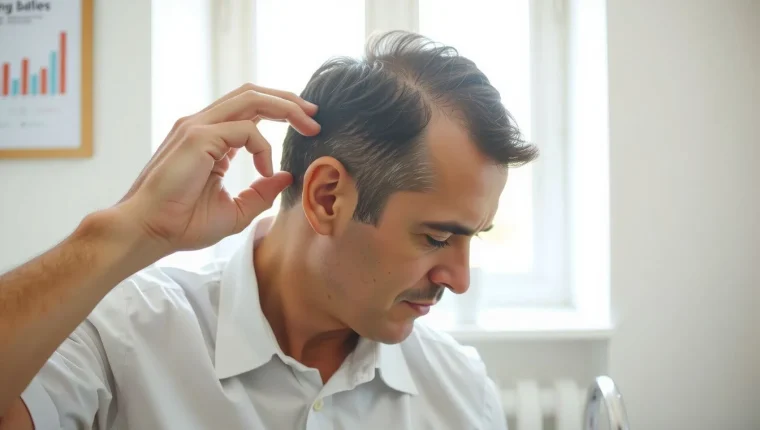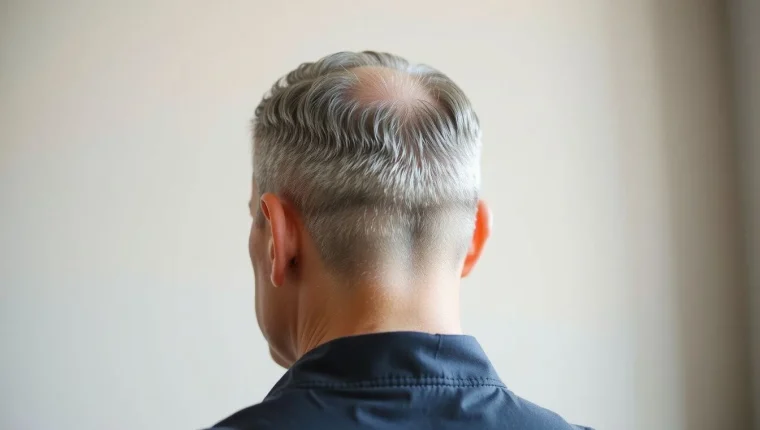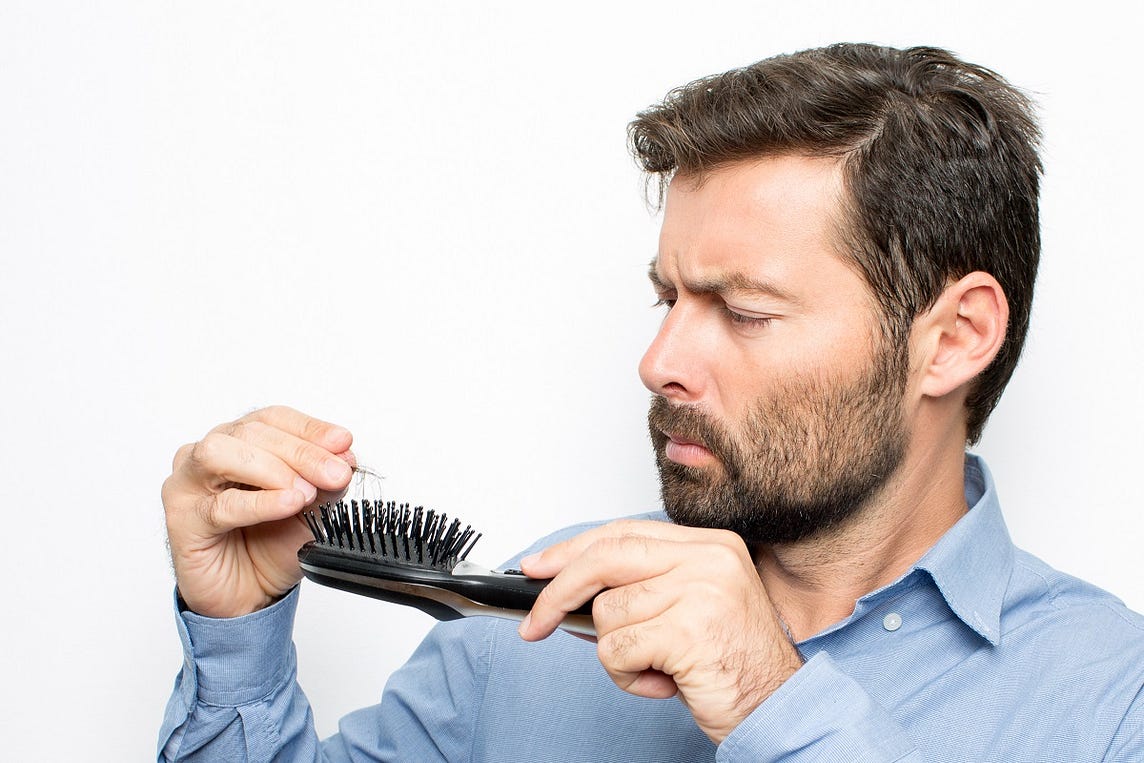
Hair loss can develop gradually or appear suddenly, and the right solution depends on its cause, pattern, and progression. A hair loss treatment plan starts by identifying why hair is thinning instead of choosing a product at random. Genetics, hormonal changes, nutritional deficiencies, stress, medical conditions, and scalp problems may all affect hair growth. Some people benefit from topical or oral medication, while others may consider hair restoration procedures such as FUE or DHI if permanent follicle loss has occurred. The key questions are whether the shedding can be reversed, how long results may take, and which options are medically appropriate. This guide explains common treatments, when to seek professional advice, and what to expect from recovery, aftercare, and gradual changes in hair density.
What Causes Hair Loss and When Should You Seek Help?
Hair loss can result from temporary changes in the body, inherited sensitivity in the hair follicles, or an underlying medical condition. The pattern and speed of shedding often provide useful clues. Gradual thinning at the temples or crown commonly points to androgenetic alopecia, while sudden shedding across the scalp may follow illness, major stress, rapid weight loss, surgery, or hormonal changes. Patchy bald spots can be linked to alopecia areata, an autoimmune condition, whereas scalp inflammation, infection, or repeated traction from tight hairstyles may damage follicles directly.
Some triggers are reversible once they are identified. Nutritional deficiencies, thyroid disorders, certain medications, and hormonal imbalances can all affect the hair-growth cycle. Excessive shedding may also occur several weeks or months after a physical or emotional stressor, because more follicles enter the resting phase at the same time.
Seek medical advice if hair loss is sudden, progresses quickly, forms distinct patches, or occurs with itching, scaling, pain, redness, or scarring. A clinician should also assess shedding accompanied by fatigue, unexplained weight changes, menstrual irregularities, or other new symptoms. Early evaluation matters because scarring alopecia can permanently destroy hair follicles if treatment is delayed.
Do not rely on supplements or over-the-counter products without understanding the cause. A dermatologist can review your medical history, medications, family pattern, and scalp condition before recommending appropriate next steps.
How Doctors Diagnose the Source of Thinning Hair
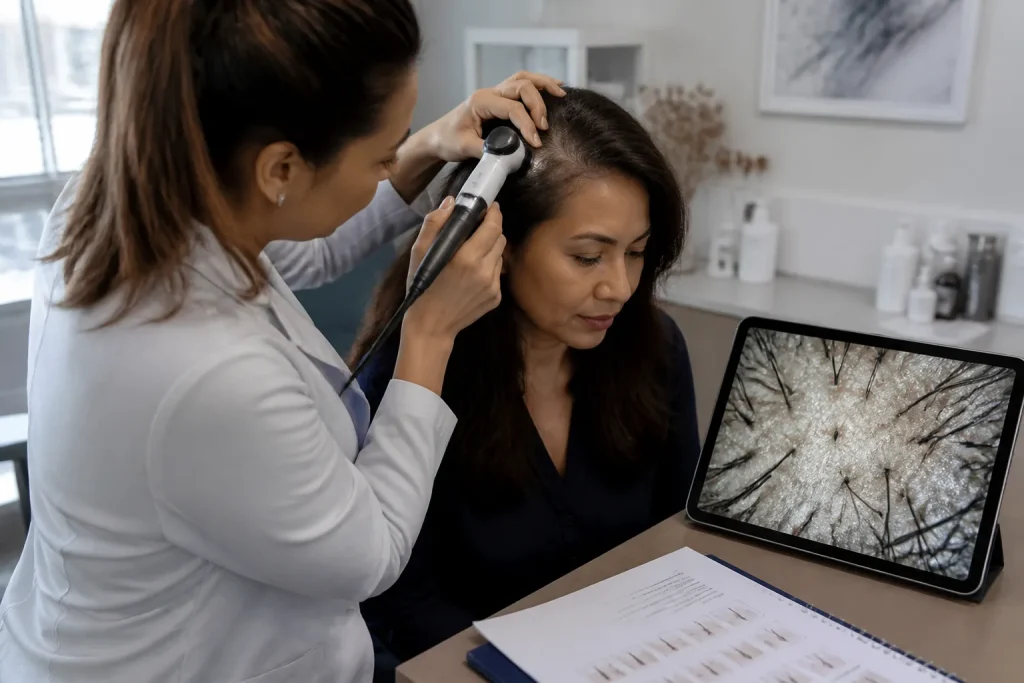
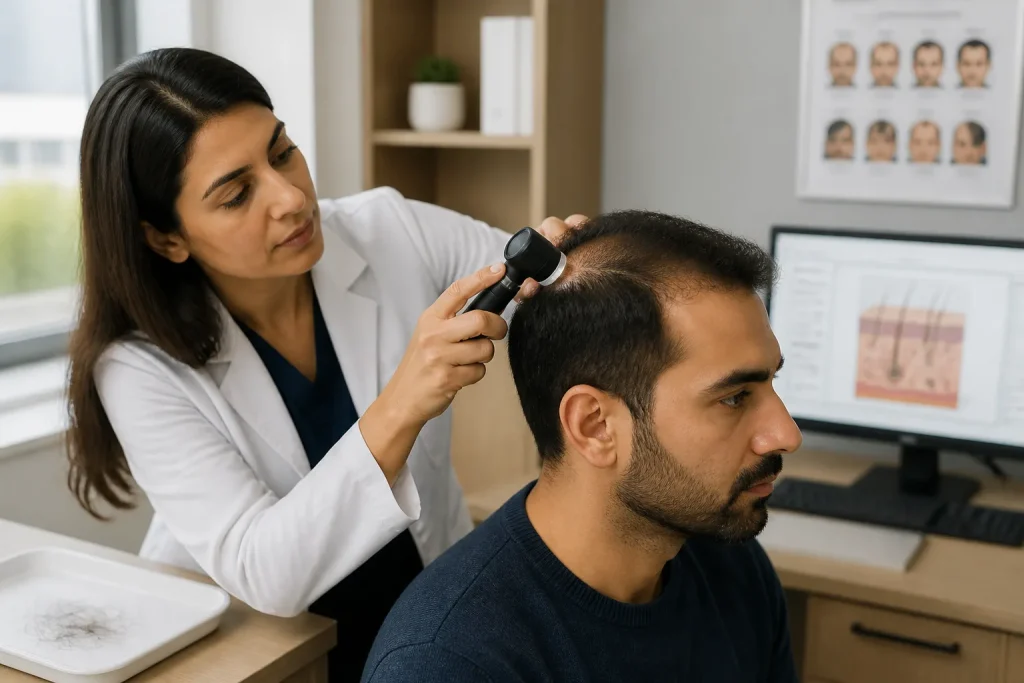
A medical assessment begins with a detailed history of how the thinning started and how quickly it is progressing. A doctor may ask whether shedding is diffuse or concentrated in specific areas, whether close relatives have experienced pattern baldness, and whether recent illness, major stress, weight changes, pregnancy, medication, or nutritional problems could be involved. The pattern and timing often help distinguish temporary shedding from progressive follicle miniaturization.
The scalp and hair are then examined closely for changes in density, hair shaft thickness, broken hairs, redness, scaling, tenderness, or smooth patches. A gentle pull test may show whether an unusually high number of hairs are entering the shedding phase. Dermoscopy can provide a magnified view of the scalp and follicles, helping identify signs of androgenetic alopecia, alopecia areata, inflammation, or early scarring.
Depending on the findings, the clinician may order blood tests to check factors such as iron stores, thyroid function, vitamin levels, or hormone balance. A scalp biopsy is sometimes considered when inflammation or scarring alopecia is suspected, because damaged follicles may require prompt treatment. The diagnosis determines whether medication, lifestyle changes, monitoring, or a hair restoration procedure is appropriate.
Which Hair Loss Treatment Options Are Available?
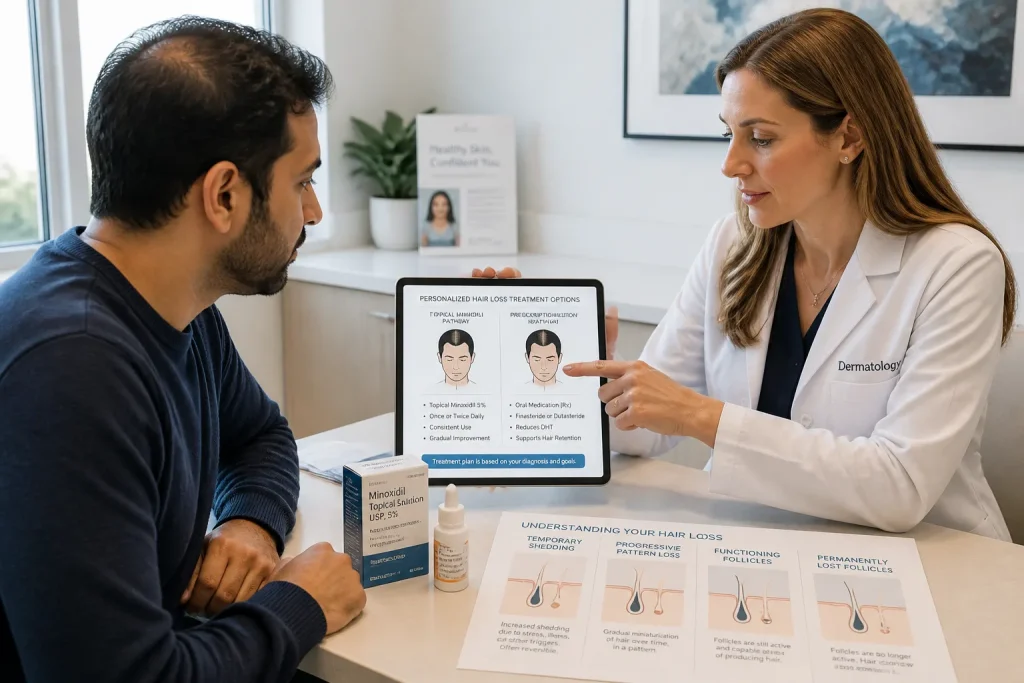
Treatment depends on the cause, pattern, and activity of the hair loss, so the plan should follow a medical assessment rather than a one-size-fits-all formula. Some options slow ongoing thinning, while others restore coverage in areas where follicles remain healthy or have been permanently lost. The most appropriate choice may depend on whether the loss is temporary or progressive, whether the follicles are still functioning, and whether an underlying condition requires treatment first.
- Topical minoxidil: This nonprescription medicine may help prolong the growth phase and improve density in some forms of pattern hair loss. Continued use is generally needed to maintain its effects, and temporary shedding can occur after starting.
- Prescription medication: Depending on the diagnosis and a person’s health profile, a clinician may consider oral or topical medicines that reduce hormonal effects on follicles. These treatments require discussion of possible side effects, interactions, and suitability.
- Injections and regenerative approaches: Platelet-rich plasma and similar procedures are sometimes used to support weakened follicles. Results vary, and treatment quality, diagnosis, and maintenance can influence outcomes.
- Hair transplant surgery: FUE and DHI transfer individual grafts from a suitable donor area to a recipient area. Surgery is most appropriate when there is sufficient donor hair and the pattern of loss is stable enough for planning.
Follicle preservation is a key distinction: medication may protect or strengthen follicles that are still functioning, whereas transplanted grafts are used to add coverage where natural growth is unlikely to return. Active inflammation, infection, nutritional deficiency, or scarring alopecia may need treatment before any cosmetic procedure is considered. A dermatologist or qualified hair-restoration surgeon can explain which approach matches the diagnosis, expectations, and long-term pattern of loss. A thorough assessment also helps set realistic expectations about timing, maintenance, and the likelihood of achieving fuller coverage.
What Can You Expect During Hair Restoration Recovery?
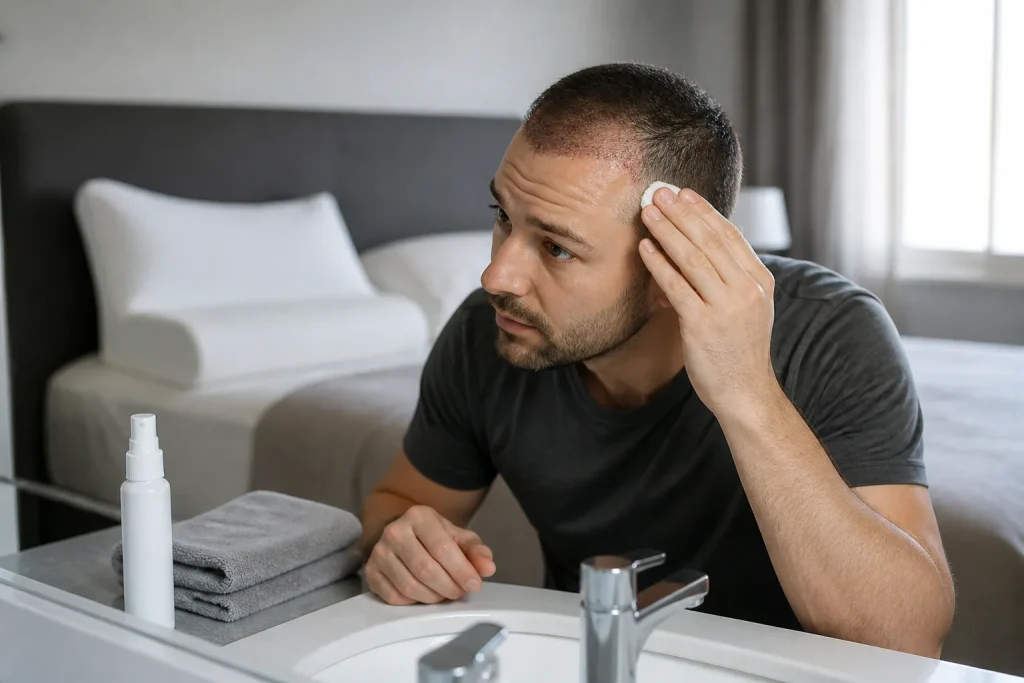
Recovery after hair restoration varies according to the procedure used, the number of grafts placed, and individual healing. After FUE or DHI, the scalp may appear red, swollen, or tender for several days. Small scabs can form around the grafts, and mild itching is common as the skin repairs itself. These effects usually improve gradually, but your clinic should explain what is normal for your specific procedure.
During the first week, careful aftercare protects the newly implanted follicles. Patients are commonly advised to wash the scalp gently, avoid rubbing or scratching the recipient area, and sleep with the head elevated if swelling occurs. Strenuous exercise, swimming, direct sun exposure, alcohol, and smoking may need to be limited temporarily. Follow the surgeon’s instructions rather than applying unapproved products.
A temporary phase known as shock loss may occur several weeks after surgery. Some transplanted hairs, and occasionally nearby existing hairs, shed before new growth begins. This does not necessarily mean the follicles have been lost. Visible regrowth is usually gradual, with changes developing over several months as the follicles enter new growth cycles.
Contact your medical team if you develop worsening pain, spreading redness, heavy bleeding, fever, pus, or severe swelling. Follow-up visits allow the clinic to assess healing and address concerns early. Final density can take many months to evaluate, so realistic expectations and consistent aftercare are essential throughout the recovery period.
How Can You Support Long-Term Hair Growth?
Long-term hair growth depends on protecting existing follicles while addressing the factors that may continue to trigger shedding. Follow the treatment plan recommended by your dermatologist, and allow enough time to judge its effect, since hair cycles are slow and visible changes may take several months.
Consistent aftercare is especially important after hair restoration. Use prescribed products as directed, avoid scratching or irritating the scalp, and follow instructions about washing, exercise, sun exposure, and styling. After FUE, DHI, or another transplant method, protecting the recipient area during early healing helps newly placed grafts settle properly.
Daily habits can also support scalp and follicle health. Eat enough protein and include iron, zinc, vitamin D, and other nutrients through a balanced diet, but do not take supplements routinely unless a clinician identifies a deficiency. Smoking, unmanaged stress, poor sleep, and tight hairstyles may contribute to breakage or worsening loss in some people, so reducing these factors can be beneficial.
Continue monitoring changes in shedding, density, and scalp condition. New or sudden loss, persistent inflammation, painful areas, or widening thinning should be assessed rather than treated with unproven products. Regular medical reviews allow treatment to be adjusted, particularly if pattern hair loss progresses or another condition develops.
FAQs
Can hair loss grow back on its own?
Hair loss can sometimes grow back on its own if it results from temporary shedding, stress, illness, hormonal changes, or certain medications. However, hereditary hair loss usually continues without treatment, and long-standing follicle damage may be permanent. A dermatologist can identify the cause and recommend suitable options, such as medical treatment or hair restoration.
How long does it take to see results from treatment?
Initial improvements may appear within three to six months, but noticeable hair growth and increased density usually develop between six and twelve months after treatment. Hair transplant results can continue maturing for up to 18 months, depending on individual growth, the treated area, and aftercare. Your specialist can provide a more accurate timeline based on the procedure and your hair restoration plan.
When should I see a dermatologist about shedding?
See a dermatologist if shedding lasts more than two to three months, becomes noticeably heavier, or creates visible thinning or bald patches. Seek medical advice sooner if hair loss starts suddenly, affects the eyebrows or body, or occurs with scalp itching, pain, redness, scaling, or other symptoms. A dermatologist can identify potential causes and recommend appropriate treatment.