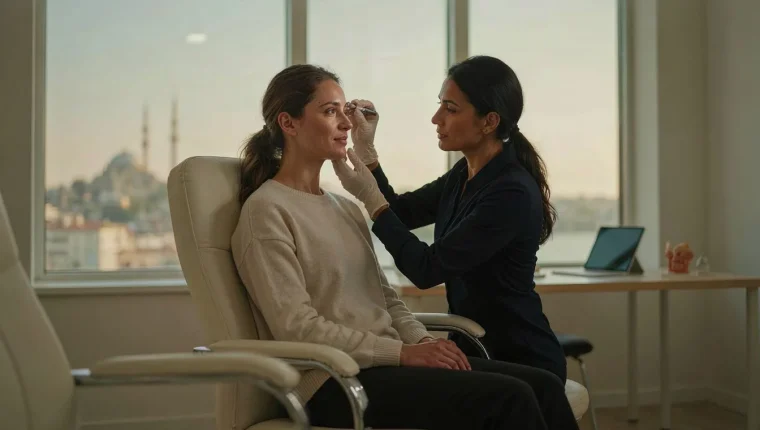
An eyebrow transplant can change your whole look—but only if the person placing the grafts knows what they’re doing. The real decision is finding the right eyebrow transplant surgeon in Turkey for your face and your goals, rather than simply choosing Turkey or a clinic.
This guide shows you how to evaluate a surgeon’s qualifications, verify their credentials, prepare the right consultation questions, and understand what an honest quote should include. What you won’t find are medical guarantees or clinic endorsements — those deserve your own due diligence.
Turkey’s popularity in hair restoration is well known, but popularity alone isn’t a recommendation. Let’s dig deeper.
Why Choose Turkey for an Eyebrow Transplant
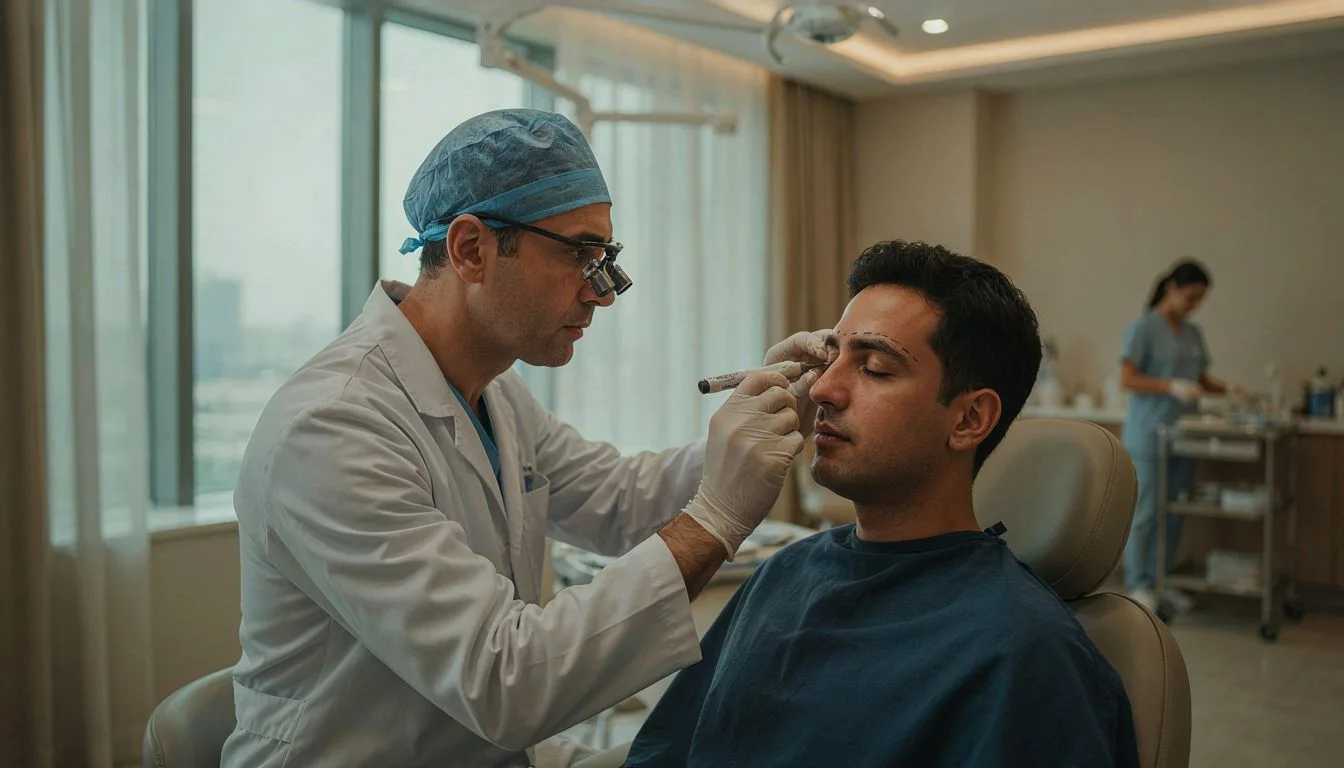
Turkey has become one of the most popular destinations in the world for eyebrow restoration, and the reasons go well beyond price. The country performs an enormous number of hair restoration procedures every year, which means Turkish clinics have refined their techniques through sheer repetition and specialization. Many surgeons focus exclusively on follicular extraction and implantation, giving them a level of daily practice that is hard to find elsewhere.
Cost is the other major draw. An eyebrow transplant in Turkey typically costs a fraction of what the same procedure runs in the UK, Germany, or the United States, even after adding flights and accommodation. For many patients, this price gap makes an all-inclusive package genuinely affordable without sacrificing quality materials or technology.
Turkey’s popularity is also its challenge. The market is crowded, and that high procedure volume includes both world-class clinics and operations that cut corners. The abundance of options is an advantage only if you know how to filter it — which is exactly what the next section will help you do.
Key Qualities to Look for in an Eyebrow Transplant Surgeon Turkey
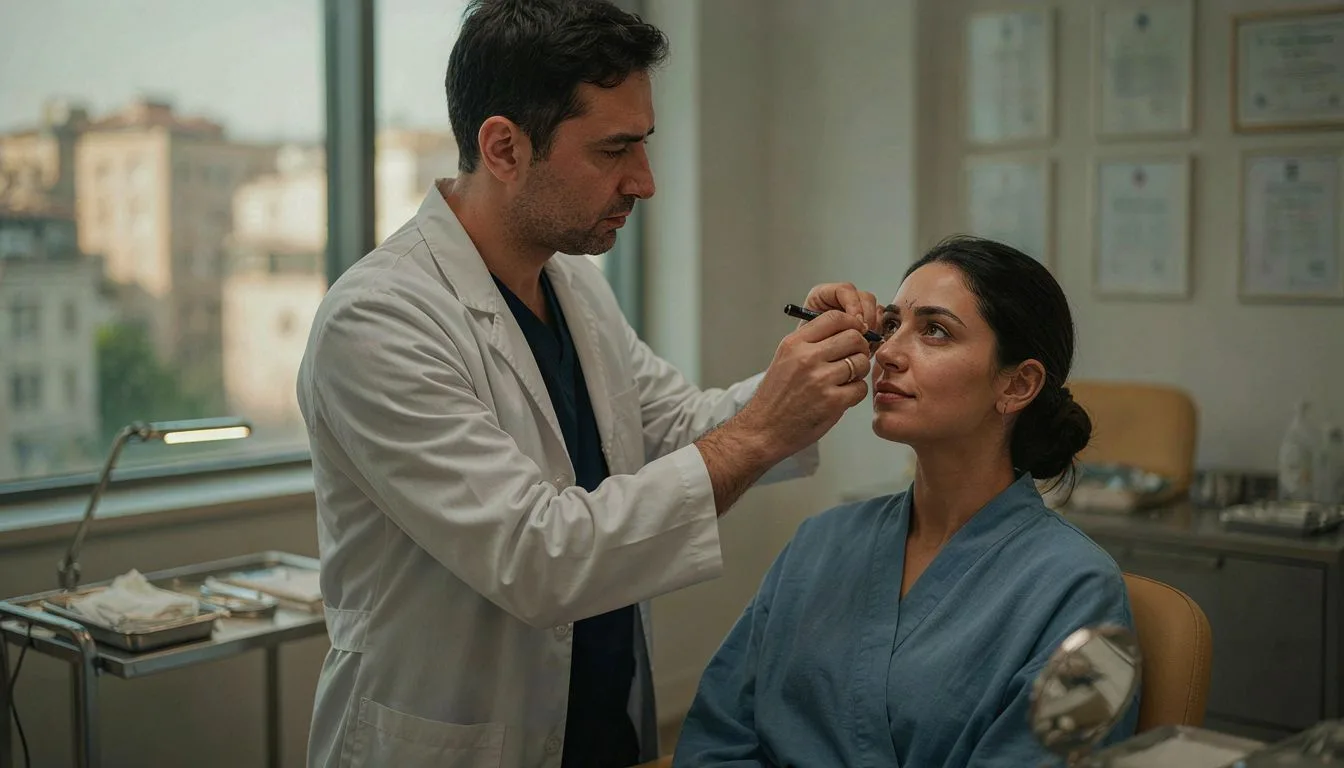
Not every surgeon who offers hair restoration is equipped for eyebrows. The brow is a small, highly expressive area where a few millimeters of error are visible in every conversation, so the qualities that matter go beyond general surgical skill.
Start with board certification in a relevant field such as plastic surgery or hair restoration, ideally paired with focused experience in facial hair transplantation rather than scalp work alone. Eyebrow design demands a different eye: the surgeon must plan hairline shape, respect the natural angle and direction of growth toward the outer temple, and place each graft so the brow looks like it grew there, not like it was implanted.
Artistic judgment is just as important as technical precision. A qualified surgeon evaluates symmetry against your facial proportions, suggests designs that suit your features, and will sometimes advise against a requested shape if it would look unnatural. That honesty is a strength, not a sales pitch.
Finally, pay attention to how the surgeon communicates. Clear answers, realistic expectation setting, and honest discussion of growth cycles and possible limitations are hallmarks of someone you can trust with a delicate facial procedure.
How to Verify a Surgeon's Credentials and Experience
Once you know what to look for in a surgeon, the next step is confirming that those qualities are real. Claims made on clinic websites are marketing; independent verification is what turns a promise into a trustworthy choice. Fortunately, there are several concrete ways to check a surgeon’s background before you commit to anything.
- Check medical licensing: Ask for the surgeon’s Turkish medical license number and any registration with the Turkish Medical Association. Internationally trained surgeons may also hold membership in organizations such as ISHRS, which you can confirm on their official directories.
- Request authentic before-and-after photos: Ask specifically for eyebrow cases performed by the surgeon you are considering, not generic clinic images. Consistent, natural-looking results across multiple patients are a strong signal of skill.
- Confirm who performs the surgery: Some clinics advertise a well-known surgeon but delegate most of the work to technicians. Ask directly whether that surgeon will personally design and carry out your procedure.
- Ask for patient references: Speaking with former patients, especially international ones, gives you an unfiltered view of the entire experience, from planning to aftercare.
Cross-check everything you learn across multiple independent sources, including third-party review platforms and medical forums, rather than relying on a single website. Discrepancies between what a clinic claims and what you can verify elsewhere should be treated as a serious warning sign.
Questions to Ask During Your First Consultation
A first consultation—whether by video call or in person—is your best opportunity to judge how a surgeon thinks, not just what they promise. An experienced eyebrow transplant surgeon in Turkey will welcome detailed questions and answer them with specifics; hesitation or scripted replies tell you just as much. Prepare your list in advance and take notes so you can compare clinics later.
Some questions that reveal the most:
- Which technique do you recommend for my case—FUE or DHI—and why? The answer should reference your hair characteristics, eyebrow density goals, and scar situation, not generic marketing claims.
- Who designs the eyebrow shape, and can I adjust it before surgery? A skilled surgeon draws the design with you, accounts for facial symmetry, and never treats the outline as fixed.
- What does the healing timeline look like, and what aftercare do you provide from Turkey? Expect clear milestones for shedding, regrowth, and full results, plus a named contact for follow-up questions.
- How many eyebrow transplants do you personally perform each month? This builds on the credentials you have already verified and confirms the surgeon’s current, hands-on experience.
Pay close attention to how answers are delivered. Vague timelines, refusal to put details in writing, or pressure to book immediately with a “discount that expires today” are classic red flags. A confident professional gives you room to decide and puts every promise—technique, design revisions, follow-up schedule—into your written treatment plan.
Understanding Costs and What They Should Include
Eyebrow transplant prices in Turkey vary widely depending on the surgeon’s experience, the clinic’s location, and the technique used, so quoting exact figures here would be misleading. What matters more is knowing how to compare quotes meaningfully. A fair quote should clearly state what is covered: the initial consultation, the procedure itself, prescribed medications, and structured aftercare. Ask specifically whether a touch-up policy is included, since eyebrow work sometimes requires minor refinement months later—and a written touch-up guarantee protects you from surprise invoices.
Equally important are the costs that often hide outside the headline price. Ask directly about translation services, accommodation packages, and whether follow-up visits after you return home are included or billed separately. Some clinics bundle these into attractive packages; others add them at checkout.
Finally, treat price as one factor among many, never the deciding one. A slightly higher fee from a board-certified surgeon with verified results is almost always the better investment than a bargain offer from a clinic you cannot properly vet.
FAQs
How do I verify the qualifications of an eyebrow transplant surgeon in Turkey?
Verify the surgeon's medical degree and board certification in plastic surgery or dermatology, and confirm membership in recognized bodies such as the Turkish Society of Plastic, Reconstructive and Aesthetic Surgery (TPRECD) or the International Society of Hair Restoration Surgery (ISHRS). Ask how many eyebrow transplants the surgeon performs annually and request before-and-after photos of actual patients, ideally with contactable references. Check that the clinic is licensed by the Turkish Ministry of Health and holds international accreditations like JCI. Finally, schedule a direct consultation to assess the surgeon's communication and ensure the procedure will be performed by the doctor rather than unlicensed technicians.
What credentials and certifications should I look for when choosing a clinic?
Look for a clinic staffed by board-certified physicians or licensed specialists relevant to the treatment you need, and verify that the facility holds accreditation from a recognized body such as JCI (Joint Commission International) or your national health authority. Check that providers maintain valid medical licenses through official registries, and confirm certifications for any specialized equipment or procedures, such as laser safety credentials or radiology accreditation. Membership in professional associations and documented ongoing training are additional signs of a credible clinic.
How much does an eyebrow transplant typically cost in Turkey compared to other countries?
An eyebrow transplant in Turkey typically costs between $1,500 and $3,000, while the same procedure in the UK or the US often ranges from $4,000 to $8,000 or more. This price gap exists because of lower operational and labor costs in Turkey rather than differences in quality, as many Turkish clinics use comparable technology and internationally trained surgeons. Most Turkish clinics also include extras such as consultation, aftercare products, and follow-up in the package price.