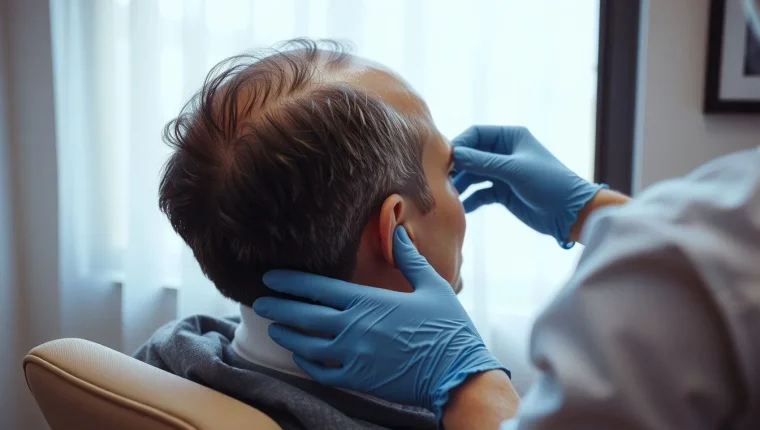
Hair shedding that continues for months after a stressful event or illness has passed no longer feels temporary. When handfuls of hair appear in the shower or on the pillow week after week, the usual reassurance that “it will grow back” no longer fits. This persistent pattern is what separates chronic telogen effluvium from the short-term shedding most people experience after fever, surgery, or emotional strain. Understanding why it continues requires looking at the triggers that keep hair follicles from staying in the growth phase, the clinical signs that distinguish it from other forms of hair loss, the treatments that address the underlying cause, and the realistic timeline for regrowth.
What Distinguishes Chronic Telogen Effluvium From Normal Hair Shedding
Every scalp sheds hair every day, and that is not a problem. Hair follicles move through a repeating cycle: a long growth phase, a brief transition, and a resting phase that ends when the old strand is pushed out. Because these cycles are staggered, only a small fraction of follicles release hair at any one time. Losing roughly 50 to 100 strands daily is the expected result of this turnover, and the count can rise temporarily with seasonal shifts, washing habits, or a single stressful event.
What separates ordinary shedding from a chronic pattern is not the number of hairs in the brush but how long the increase lasts. A normal shed spike settles as follicles re-enter the growth phase and the loss returns to baseline within a few months. When shedding stays elevated well beyond that window, the balance between hairs leaving and hairs regrowing has stopped correcting itself. This persistent duration is the clearest dividing line, because volume alone is unreliable — two people can lose the same amount daily, yet only one is stuck in a prolonged cycle.
Observable differences matter too. Normal shedding tends to be diffuse and stable, without visible thinning at the part or temples. Chronic shedding often comes with a gradual reduction in overall density, more noticeable loss around washing and brushing, and a sense that hair no longer looks the way it used to. If elevated daily loss has continued for several months without settling, that timeline — more than any single day’s count — points toward a chronic pattern rather than routine turnover.
How Ongoing Stress and Health Triggers Sustain Excessive Shedding
A single stressful event or illness usually causes shedding that peaks and then fades as the body settles. When shedding persists for months, the more likely explanation is that something is still active — a trigger that never fully resolved or a new one that took its place. The follicles keep being pushed out of the growth phase before they can complete a normal cycle, so hair continues to fall instead of stabilizing.
Ongoing emotional stress is one of the most common sustaining factors. Chronic anxiety, poor sleep, and sustained life strain keep stress hormones elevated, and that hormonal environment can hold follicles in a shedding pattern rather than letting them reset. The same logic applies to physical health conditions: thyroid disorders, iron deficiency, low ferritin, and other nutritional gaps can each keep the hair cycle disrupted for as long as they remain untreated. Because these problems are often mild and easy to overlook, they can quietly sustain shedding long after the original trigger has passed.
Other factors work in similar ways. Significant weight loss, restrictive dieting, and unresolved illness can all prolong the shedding phase. Medications and hormonal shifts may also play a role. What matters is not any single cause but whether something ongoing is still present. These possibilities are worth raising with a clinician rather than assuming, since identifying what is still active is the first step toward interrupting the cycle.
Recognizing the Clinical Signs and Diagnostic Patterns of Persistent Hair Loss
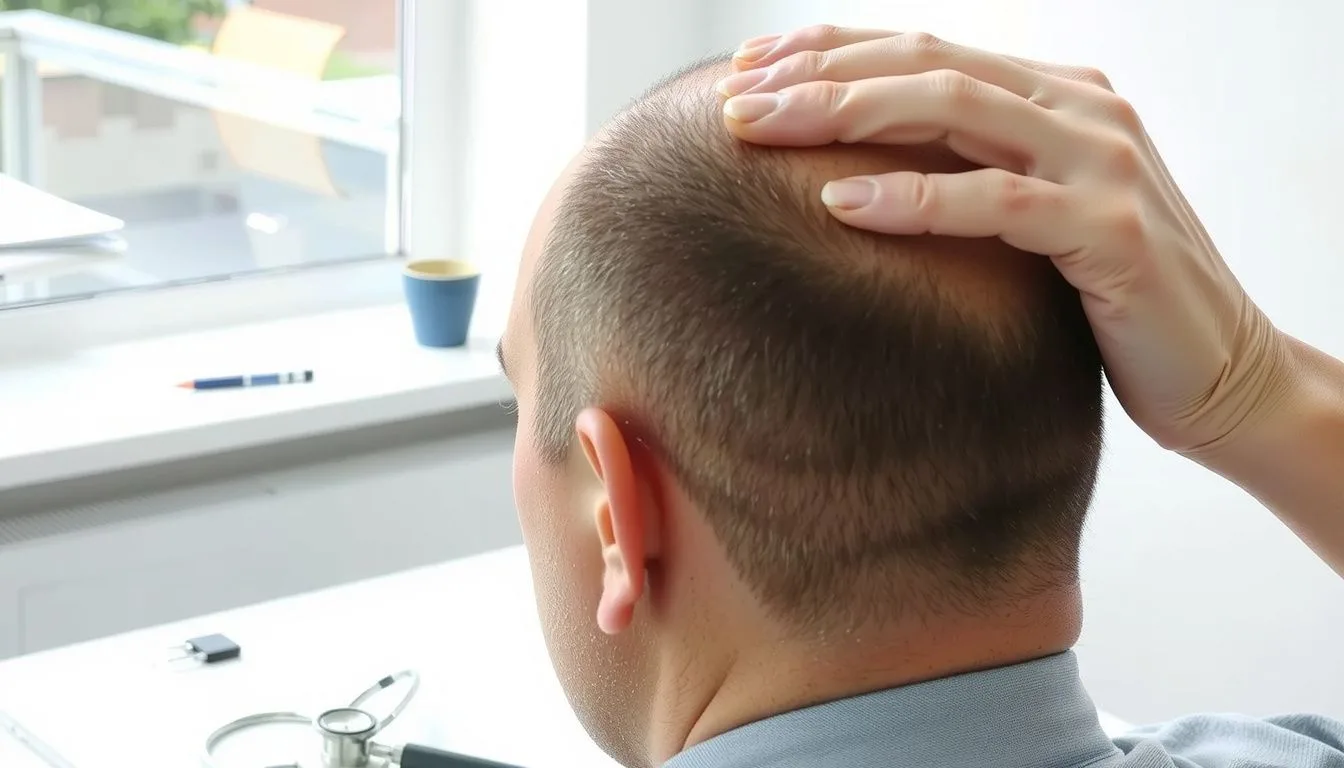
What a person can see at home is often the first clue: shedding spread evenly across the scalp rather than concentrated in bald patches, a part that looks slightly wider, and a scalp that appears normal without redness, scaling, or scarring. These surface observations matter, but they cannot confirm the diagnosis on their own.
Clinical evaluation adds the detail that separates this condition from others. A clinician takes a careful history, noting how long shedding has lasted, whether it fluctuates, and whether it followed an illness, medication change, or period of stress. On examination, they look for preserved follicular openings, a positive hair pull test, and diffuse thinning that spares the frontal hairline. Blood tests for thyroid function, iron stores, and other contributors help rule out reversible causes, while a scalp biopsy is reserved for unclear cases.
The key distinction is pattern recognition: chronic telogen effluvium produces diffuse, fluctuating shedding with an intact scalp, whereas androgenetic alopecia shows patterned thinning and alopecia areata produces smooth patches. Because these conditions respond to different strategies, accurate identification directly shapes which treatment path makes sense.
Treatment Approaches for Breaking the Cycle of Chronic Shedding
Because shedding in this condition is sustained by whatever keeps pushing follicles out of their growth phase, treatment begins with that cause rather than with the hair itself. This is the core principle behind managing chronic telogen effluvium: treatment follows the trigger. If a thyroid imbalance, iron deficiency, an uncontrolled medical condition, or a medication is the ongoing driver, correcting it is the first and most important step. Where stress or poor nutrition plays a role, addressing sleep, diet, and emotional strain supports the same goal. Without this step, other measures tend to disappoint.
Once the sustaining factor is under control, clinical management focuses on helping the follicle cycle reset. A clinician may recommend correcting specific deficiencies, reviewing medications that interfere with hair growth, and, in selected cases, treatments intended to support regrowth. Progress is not immediate. Because hair grows slowly and each follicle moves through its phases on its own schedule, improvement is judged over months, not days. Approaches that do not fit this condition, such as harsh treatments aimed at a different diagnosis, are generally unhelpful and can add further stress to the scalp.
Timeline and Expectations for Hair Recovery and Regrowth

Hair recovery is slow by nature because it is governed by the growth cycle, not by effort. Strands that have already entered the shedding phase cannot be rescued; regrowth only begins once follicles reset and a new anagen phase starts. Even after the underlying trigger is addressed, this reset does not happen overnight, which is why visible change lags well behind the decision to seek help.
The sequence most people notice is fairly consistent. Shedding volume gradually declines first, often over several weeks to a few months, before any new density becomes apparent. Fine, shorter hairs along the part line or hairline usually signal early regrowth. A reasonable checkpoint is reduced shedding rather than immediate thickness, since visible regrowth typically follows months later and reaches meaningful density over a longer stretch.
Recovery can stall or reverse if the factors that originally sustained the shedding remain active, and persistent shedding that shows no sign of easing after several months warrants reassessment with a clinician.
FAQs
What are the most common signs that chronic telogen effluvium is still active?
The most common sign that chronic telogen effluvium is still active is continued excessive shedding of telogen hairs, often noticed as more hair than usual on the pillow, in the shower, or on the brush, typically exceeding 100 hairs per day. You may also see diffuse thinning across the scalp, especially near the temples and crown, without distinct bald patches, and a positive hair pull test in which several hairs come out easily when gently tugged. Unlike acute telogen effluvium, these shedding patterns persist for more than six months and tend to fluctuate rather than resolve on their own.
How long does it usually take for hair to recover once chronic telogen effluvium improves?
Once the underlying trigger of chronic telogen effluvium is corrected, shedding typically slows within two to three months, and visible regrowth follows over the next three to six months. Because chronic telogen effluvium often involves a prolonged shedding phase, full recovery of density can take six to twelve months or longer. Improvement depends on resolving the cause, such as nutritional deficiencies, thyroid issues, or stress, and on consistent follow-up with a dermatologist.
Can chronic telogen effluvium return after recovery, and what triggers a relapse?
Yes, chronic telogen effluvium can return after recovery because the underlying triggers are often recurrent rather than permanently eliminated. Relapses are typically set off by the same stressors that caused the initial shedding, including severe illness, major surgery, significant emotional stress, rapid weight loss or nutritional deficiencies, and hormonal shifts such as those related to pregnancy, menopause, or thyroid changes. Because the hair cycle remains sensitive to these disruptions, managing the condition often means identifying and controlling triggers over the long term rather than treating it as a one-time event.