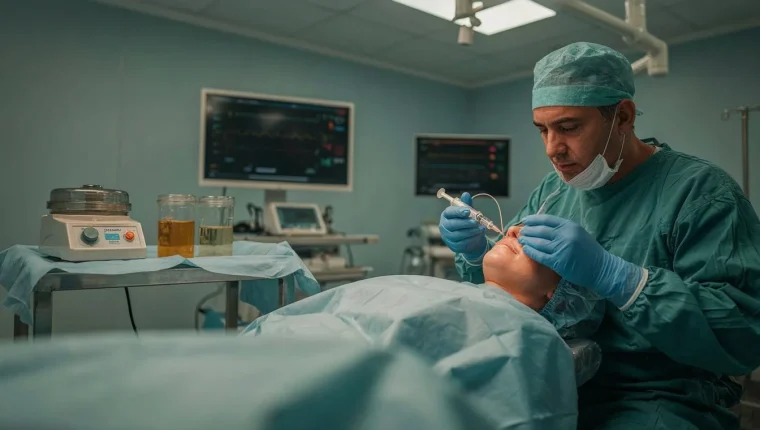
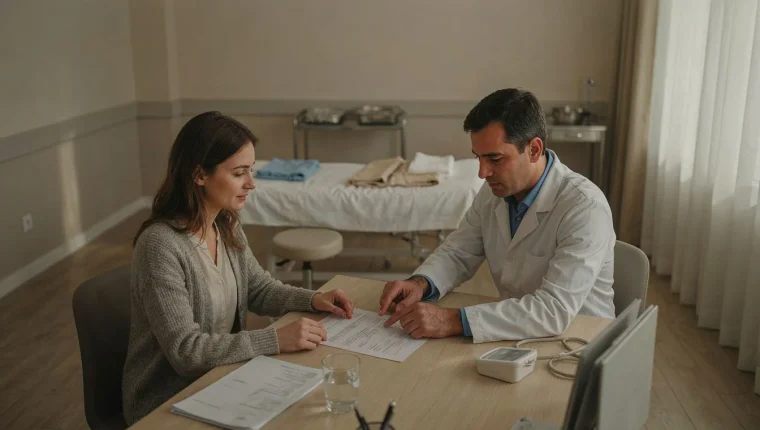
The Brazilian Butt Lift (BBL) is one of the most requested body contouring procedures in the world—and one of the most expensive in the United States. That’s why many Americans are looking at Turkey, where the same surgery often costs a fraction of U.S. prices and is performed by board-certified surgeons in internationally accredited clinics.
But how much does it actually cost? What’s included in that price? And is traveling abroad for a BBL in Turkey truly worth it for American patients?
This guide covers realistic BBL Turkey cost figures for Americans, what drives the price gap between Istanbul and Los Angeles, how to vet a clinic safely, and your recovery timeline after flying home. No hype — just the practical details you need before making this decision.
Why Americans Choose Turkey for Brazilian Butt Lift Surgery
American patients considering a Brazilian Butt Lift are increasingly booking their procedures thousands of miles from home, and the reasons go well beyond the headline savings. Turkey has quietly built one of the world’s most robust medical tourism infrastructures, and accredited plastic surgery clinics in Istanbul and other major cities now perform BBL procedures at a volume and consistency that rivals leading US surgical centers.
Cost is the most obvious draw. A BBL in the United States often carries a total price tag of $12,000 to $20,000 once surgeon fees, anesthesia, and facility charges are tallied. In Turkey, comparable procedures performed by board-certified surgeons frequently come in at a fraction of that figure, even after adding international flights and a recovery stay.
Price alone doesn’t explain the trend, though. American patients consistently point to the bundled nature of Turkish packages, which typically combine the surgery, hospital stay, medications, compression garments, and follow-up care under a single quote. There’s also a practical advantage built into the experience: clinics that serve international patients employ English-speaking coordinators who manage everything from airport transfers to post-operative check-ins.
Surgeon experience matters too. Turkey’s high procedure volume means many surgeons perform BBLs and other body contouring surgeries far more frequently than their US counterparts, developing refined fat transfer techniques as a result. Add in Turkey’s geographic convenience — direct flights from New York, Chicago, and Los Angeles — and the logistics become surprisingly manageable for most Americans planning their procedure abroad.
What Does a Brazilian Butt Lift Cost in Turkey Compared to the US?

One of the biggest reasons American patients book flights to Istanbul instead of visiting a clinic in Miami or Los Angeles comes down to a single, dramatic number gap. In the United States, a Brazilian Butt Lift typically runs between $8,000 and $15,000, and in major metro areas like New York or Beverly Hills, quotes can easily climb past $20,000. In Turkey, the same procedure is generally priced between $3,500 and $6,500 — often including extras that American clinics bill separately. That price difference is the core of why the medical tourism route has grown so popular.
Several elements shape this comparison:
- Surgeon fees: US board-certified surgeons charge premium rates that reflect high overhead costs, while equally experienced Turkish surgeons often operate with significantly lower clinic expenses.
- Facility costs: Hospital and operating room charges in Turkey are a fraction of American equivalents, even at internationally accredited facilities.
- Anesthesia and staff: These are frequently bundled into Turkish quotes, whereas US providers commonly itemize them as separate line items.
- Currency advantage: When paying in US dollars, American patients benefit from favorable exchange rates against the Turkish lira, stretching their budget further.
Lower cost does not automatically mean lower quality. Many Turkish surgeons perform hundreds of BBL procedures annually — a volume few US surgeons match — and the country has become one of the world’s busiest hubs for cosmetic surgery. Pricing varies widely between clinics, and the cheapest quote is rarely the safest choice. Understanding exactly what a quoted price covers is the next essential step, and that’s where the real savings become clear.
Brazilian butt lift Turkey cost for Americans: What's Included in the Price
When American patients receive a quote from a Turkish clinic, the figure usually covers far more than the surgery itself. Most accredited plastic surgery clinics in Istanbul and other major cities operate on an all-inclusive package model, which is one of the main reasons the numbers look so attractive compared to US pricing.
A typical package bundles the surgeon’s fee, anesthesia, operating room costs, and hospital stay into a single price. Beyond the medical essentials, you can generally expect airport transfers, a set number of nights in a partner hotel, a personal patient coordinator who speaks English, and all pre-operative testing and post-operative follow-up appointments. Compression garments, medications, and often a translation service during consultations are also commonly included.
This structure matters for Americans because it eliminates the surprise billing familiar from the US healthcare system. Instead of receiving separate invoices from the surgeon, anesthesiologist, and facility weeks after surgery, you know the total cost before you book your flight. Packages vary between clinics, so it is worth asking exactly what is covered. Some quotes include VIP accommodation and daily nursing care, while others offer only the basics.
Items usually billed separately are things like extended stays beyond the package, additional procedures combined with your BBL, or optional tourism services. Requesting a detailed, itemized breakdown in writing before paying any deposit is the single best way to confirm what your quote genuinely includes and avoid misunderstandings after you arrive.
Factors That Influence Your Final Surgery Quote
No two quotes are identical, and understanding why helps you evaluate whether a price is fair. The single biggest driver of your final number is your individual surgical plan — the amount of fat to be harvested and transferred, the number of areas treated during liposuction, and whether complementary procedures are combined all change the surgeon’s time, anesthesia duration, and facility resources.
Your body composition plays a practical role here. A patient seeking moderate contouring of the abdomen and flanks will receive a different quote than someone requiring extensive liposuction across multiple zones to gather enough fat for the desired volume. Surgeons in Turkey typically assess your photos during a pre-consultation before giving a personalized figure.
Beyond the surgical plan itself, several other variables shift the total:
Surgeon experience and reputation: a highly sought-after, board-certified surgeon may charge noticeably more than a less-established colleague, even within the same clinic.
Timing and seasonality: some clinics adjust pricing during peak medical tourism months, while others offer seasonal promotions or discounts for flexible travel dates.
Package tier: basic quotes may cover only the surgery, while premium all-inclusive packages bundle hotel stays, private transfers, and extended aftercare — features you already know can significantly affect value.
Additional treatments: adding a tummy tuck, 360-degree liposuction, or touch-up sessions to your BBL in Turkey increases both operating time and cost.
Revision policies: whether minor corrections are covered under warranty varies between clinics and should be clarified before you commit.
Because of these variables, treat any online figure as a starting range rather than a fixed price. Request a written, itemized quote based on your own photos and medical history, and confirm exactly which services it covers — that quote, not an advertised average, is the real budgeting tool for planning your trip.
How to Budget for Travel, Accommodation, and Recovery Expenses
Beyond the surgery quote itself, your total trip cost depends heavily on one often-underestimated factor: the length of your recovery stay in Turkey. Most clinics recommend that American patients remain in the country for 10 to 14 days after a BBL, and every additional night affects your accommodation, food, and local transportation budget. Planning these expenses in advance prevents the unpleasant surprise of watching your savings for surgery get eaten by daily living costs.
A practical way to approach this is to build a separate travel budget alongside your medical quote. Consider the main components:
- Flights: Round-trip tickets from major US cities to Istanbul typically range from $700 to $1,200 depending on season and booking time, so reserving 2–3 months ahead can save several hundred dollars.
- Accommodation: Many all-inclusive packages include hotel nights, but if yours doesn’t, budget roughly $40–$100 per night for a comfortable apartment or hotel near the clinic.
- Local transportation: Airport transfers are usually covered by clinics, but plan $10–$25 per day for taxis or ride apps during follow-up appointments.
- Meals and daily expenses: Turkey is affordable by US standards; $30–$50 per day comfortably covers food, SIM cards, and incidentals.
- Recovery supplies: Compression garments, specialized pillows for sitting, and prescribed medications may add $150–$300 if not already included in your package.
One expense Americans frequently forget is the companion factor. Because a BBL limits your mobility during the first days, many patients bring a travel partner whose flight, lodging, and meals can add $800–$1,500 to the total. If you travel alone, confirm whether your clinic provides post-operative nursing support or daily check-ins.
It’s also wise to hold a contingency reserve of about 10–15% of your total budget for unexpected costs, such as an extended stay recommended by your surgeon or an additional follow-up scan. Finally, keep payment logistics in mind: some clinics offer discounts for cash or bank transfers, while credit card payments may involve foreign transaction fees of 1–3%, so ask your bank before departure and factor those fees into your planning.
Choosing a Qualified Surgeon and Accredited Clinic in Turkey

A low price means nothing if it comes at the expense of safety. When evaluating clinics in Turkey, your first checkpoint should be whether the surgeon is certified by the Turkish Society of Plastic, Reconstructive and Aesthetic Surgeons (TPRECD), which confirms board-certified training in plastic surgery specifically — not general medicine or cosmetic “courses.” Many reputable Turkish surgeons are also international members of organizations like ISAPS, which adds another layer of verified credentials.
Beyond paper qualifications, look closely at the clinic’s accreditation and hospital standards. The safest BBLs are performed in full-service, JCI-accredited hospitals or licensed private hospitals with intensive care capability — not small aesthetic centers operating under local anesthesia in office-style settings. This matters especially for BBL, because fat embolism risk is directly tied to surgical technique and facility readiness.
Verification is easier than you might think. Reputable clinics will readily provide the surgeon’s Turkish medical license number, before-and-after photos of their own patients (not stock images), and real patient references you can contact. If a clinic pressures you to book within days, refuses a video consultation with the surgeon before payment, or communicates only through sales agents, treat these as red flags. You should always speak with the surgeon who will operate on you — not just a coordinator.
It’s also worth asking specific technical questions during your consultation. Experienced BBL surgeons will discuss their fat injection technique, maximum injection volumes, and why they avoid injecting into the muscle — a practice now considered the safest approach and standard among well-trained surgeons in leading Turkish hospitals. Vague or evasive answers should end the conversation.
Finally, confirm what happens if complications arise after you fly home. Strong clinics offer written aftercare policies, a dedicated follow-up contact, and clear guidance on revision procedures. A surgeon who plans for your entire recovery journey — not just the day of surgery — is usually one worth trusting with your result.
What to Expect Before, During, and After Your Procedure
Once you’ve chosen your surgeon and clinic, the process itself follows a well-established rhythm that most American patients find reassuringly structured. Knowing what each stage involves helps you arrive prepared—and knowing that your all-inclusive package typically covers these steps removes a layer of financial stress from the experience.
Before the procedure, you’ll have a detailed consultation, either virtually before flying or in person during your first days in Turkey. Your surgeon will review your medical history, order blood tests, and confirm your individual surgical plan, including how much fat will be harvested and where it will be placed. You’ll receive instructions to stop smoking, avoid certain medications, and arrange a companion if your clinic requires one.
During the surgery itself, a Brazilian Butt Lift is performed under general anesthesia and usually takes three to four hours. Fat is removed through small incisions using liposuction—typically from the abdomen, flanks, or thighs—then purified and injected into the buttocks in strategic layers. The technique of injecting purified fat in multiple layers, often called fat grafting, is what determines both your final shape and how well the results last.
After surgery, expect to spend your first night under medical supervision. Most clinics provide a compression garment that you’ll wear for several weeks to reduce swelling and help your skin conform to new contours. Patients are usually cleared to fly home between days seven and ten, and most international packages include your post-operative check-ups before departure.
Recovery at home follows a predictable pattern: you’ll need to avoid sitting or lying directly on your buttocks for roughly two to three weeks, using a special pillow when sitting is unavoidable. Swelling gradually subsides over the first two months, while final results typically emerge around the six-month mark as the transferred fat stabilizes. Clinics that offer ongoing virtual follow-up can be worth prioritizing, since your healing continues long after you’ve returned to the United States.
FAQs
How much does a Brazilian butt lift in Turkey cost compared to the United States?
A Brazilian butt lift in Turkey typically costs between $3,500 and $6,000, while the same procedure in the United States generally ranges from $8,000 to $15,000 or more. This means patients can save roughly 50–70% by choosing Turkey, even after adding flights and accommodation. The lower price reflects Turkey's lower operating and labor costs rather than lower quality, as many clinics are JCI-accredited and surgeons are experienced. Most Turkish packages also bundle the surgery with hotel stays, transfers, and aftercare, which are usually billed separately in the U.S.
Does the price usually include flights, accommodation, and aftercare?
No, the price of a package usually does not include all of these by default. Most medical travel packages cover the procedure, hospital fees, and accommodation, but flights are often separate or included only in premium all-inclusive packages. Aftercare is typically included for a limited period, such as follow-up consultations and medications for the first few weeks. Always check the itemized list of what the price covers before booking.
Is it safe to travel back to the US shortly after the procedure?
Yes, most patients can safely fly back to the US shortly after the procedure, typically within a day or two depending on the treatment. Minimally invasive and non-surgical procedures usually allow travel the same or next day, while surgeries may require waiting a few days for initial recovery and a follow-up check. Your doctor will confirm at your post-procedure examination whether you are fit to fly and provide any specific precautions, such as staying hydrated and moving around during the flight. Always follow your surgeon's clearance before booking your return flight.