Finding much more hair than usual on your pillow, in the shower drain, or tangled in your brush is unsettling, especially when the shedding continues day after day. If you are losing more hair than usual, two questions tend to dominate your thoughts: is this something to worry about, and what could be causing it? Severe hair fall can stem from genetic patterns, medical conditions, nutritional gaps, or everyday habits, and each cause calls for a different response. Understanding what drives the shedding is the first step; knowing when the amount and pattern become concerning is the second. From there, you can decide when it is time to seek professional help.
Understanding Severe Hair Fall and Its Root Causes

Hair does not grow continuously; it cycles through phases of active growth, transition, and rest before shedding. Because a certain amount of daily loss is built into this cycle, shedding only becomes meaningful when it clearly exceeds that baseline. Understanding this rhythm is the first step toward identifying what may be driving heavier loss.
The causes behind excessive shedding generally fall into a few broad groups. Genetic predisposition is one of the most common, often producing a gradual, patterned thinning rather than sudden loss. Medical conditions such as thyroid disorders, hormonal imbalances, and autoimmune reactions form another category, while nutritional shortfalls in iron, vitamin D, or protein can weaken hair at the follicle. Lifestyle factors, including chronic stress, poor sleep, and harsh styling practices, may also intensify shedding.
In practice, these categories rarely act alone. Genetics, health status, diet, and daily habits often overlap, which is why pinpointing a single cause on your own is unreliable. A structured overview helps you locate your situation, but confirming it requires professional evaluation.
How Androgenetic Alopecia Drives Progressive Thinning
Androgenetic alopecia is not random shedding. It is a genetically driven, hormone-sensitive condition in which specific follicles gradually shrink under the influence of androgens, most notably dihydrotestosterone (DHT). This sensitivity is inherited, which is why the pattern tends to run in families and why it unfolds in predictable ways rather than scattering hair loss evenly across the scalp.
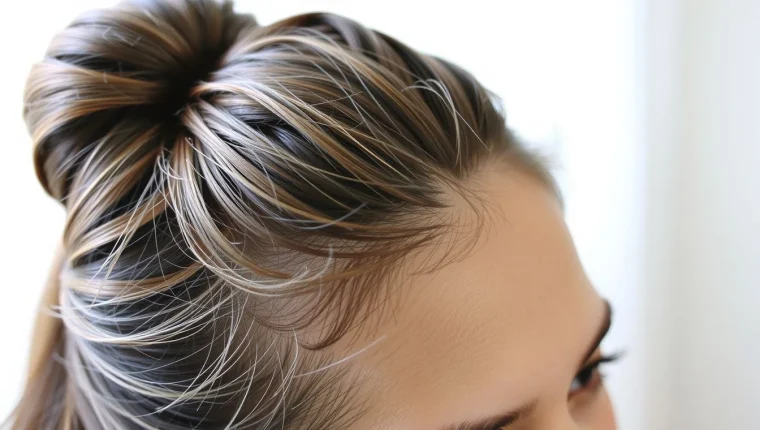
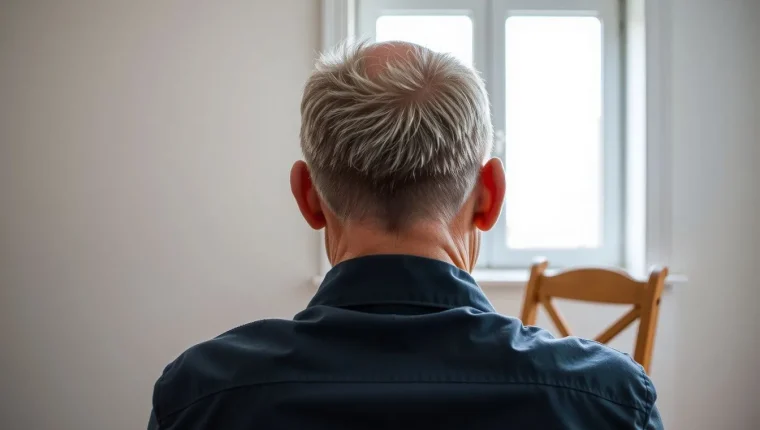
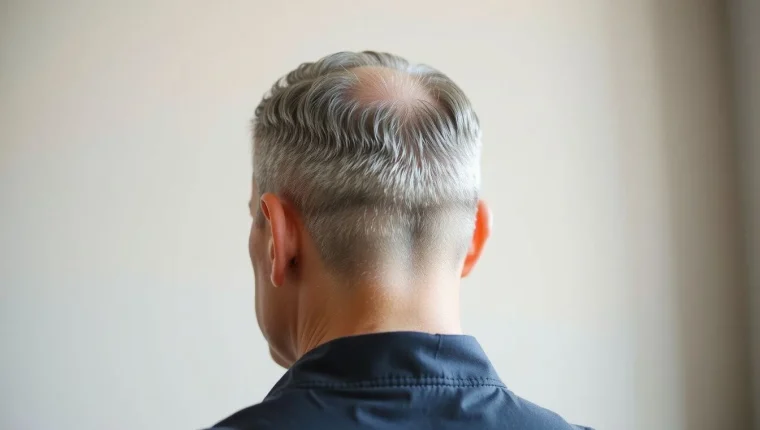
The defining feature is follicular miniaturization. Over successive growth cycles, affected follicles produce thinner, shorter, and less pigmented hairs until they eventually stop producing visible hair altogether. Because different regions of the scalp have varying sensitivity to androgens, thinning follows a characteristic map: the temples and crown in men, and a widening part or diffuse thinning across the top in women. This patterned distribution is what separates androgenetic alopecia from the uniform shedding seen in other forms of hair loss.
Progression is typically slow and cumulative. What begins as a subtle change in hair density can become clearly visible over months or years, and the trajectory is generally one-directional without intervention. Recognizing this pattern early matters because follicles that are still producing thin hairs are more responsive to treatment than those that have fully miniaturized.
Recognizing the Difference Between Normal Shedding and a Serious Concern

Every scalp sheds hair daily as part of the natural growth cycle, and a loss of roughly 50 to 100 strands per day is generally considered normal. This number is not fixed, however, and it can rise temporarily with seasonal changes, washing habits, stress, or hormonal shifts, which is why a single heavy day rarely tells the full story.
What separates ordinary shedding from a serious concern is not one dramatic moment but a persistent change in pattern. Warning signs include a sudden and sustained increase in daily loss, a visibly widening part, a scalp that becomes easier to see, or thinning concentrated along the crown and hairline. These patterns suggest that something beyond routine turnover is at work.
Rather than judging any single day, track your shedding over several weeks. Note how much hair collects after washing, compare photos of the same angle in consistent lighting, and watch for gradual density changes. A clear trend over time is far more informative than a stressful morning in front of the mirror.
Medical Conditions and Lifestyle Triggers That Worsen Hair Loss
Genetic predisposition may set the stage, but it rarely acts alone. Several medical conditions can amplify shedding and make an existing pattern worse. Thyroid disorders, both an underactive and overactive thyroid, frequently disrupt the hair growth cycle and increase daily loss. Hormonal imbalances such as elevated androgens or polycystic ovary syndrome can intensify thinning, particularly along the crown and part line. Nutritional deficiencies also play a direct role: low iron stores, insufficient vitamin D, and inadequate protein or zinc leave the follicle without the building blocks it needs, so shedding accelerates.
Lifestyle triggers often compound these effects. Chronic stress pushes more follicles into the resting phase, so heavier shedding appears weeks later. Crash diets, restrictive eating, and sudden weight loss create the same nutritional shortfall. Harsh hair practices, including tight pulling styles, frequent chemical treatments, and excessive heat, add mechanical and chemical damage on top of a scalp already under strain.
What matters is that these factors interact with genetic hair loss rather than replace it. A person already prone to follicular miniaturization may find that an untreated thyroid issue or low ferritin tips them from gradual thinning into noticeable shedding. Because several of these conditions are treatable, they are worth reviewing with a clinician before assuming the loss is purely hereditary.
When to Seek Professional Help and What Treatment Options Exist
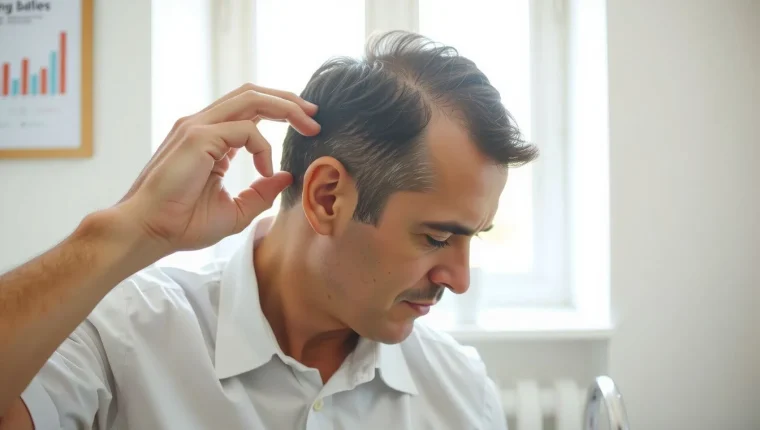
Knowing when to act is as important as knowing what to do. A reasonable rule is that shedding which continues heavily for more than a few weeks, or which is accompanied by visible thinning, a widening part, or a receding hairline, deserves a medical opinion. Other triggers for a visit include patchy bald spots, scalp pain, itching, or scaling, and loss that begins suddenly rather than gradually. Anyone who has already noticed a persistent change in pattern should not wait for the situation to reverse on its own, because several forms of hair loss are progressive and become harder to manage once follicles have shrunk substantially.
The first appointment is usually with a dermatologist, though a primary care physician can also begin the evaluation. Expect a focused history covering timing, family background, medication, diet, and stress, followed by a scalp examination and sometimes a blood test to rule out thyroid disorders, iron deficiency, or hormonal imbalances. In selected cases, a small scalp biopsy or a trichoscopy scan may be recommended.
Treatment direction depends entirely on what the evaluation uncovers. Options may include topical minoxidil, prescription oral medications, nutritional correction where a deficiency is found, or procedures such as platelet-rich plasma and hair transplantation for suitable candidates. Because early intervention generally preserves more follicles, seeking help sooner rather than later gives the widest range of choices.
FAQs
How much severe hair fall is normal, and when does it signal androgenetic alopecia?
Shedding roughly 50 to 100 hairs a day is normal, but consistently losing noticeably more, especially in clumps or with visible thinning, exceeds typical shedding. Severe hair fall signals androgenetic alopecia when the loss follows a patterned distribution, such as a receding hairline or widening part, and progresses gradually over months. Unlike temporary shedding from stress or illness, this pattern reflects hair follicle miniaturization driven by genetics and hormones. A doctor or dermatologist can confirm the diagnosis and recommend treatment before further loss occurs.
Can severe hair fall from androgenetic alopecia be reversed if treatment starts early?
Early treatment can slow or stop androgenetic alopecia and often regrows some hair, but completely reversing severe hair fall is unlikely once follicles have miniaturized extensively. Medications like minoxidil and finasteride work best when started before significant thinning, so the sooner treatment begins, the better the outcome. Even in advanced cases, treatment can help preserve remaining hair and prevent further loss.
Which doctor should I see for severe hair fall that might be caused by genetics?
For severe hair fall that may be genetic (androgenetic alopecia), start by seeing a dermatologist, since dermatologists specialize in hair and scalp disorders and can confirm the diagnosis. A primary care physician can also serve as a first point of contact and refer you onward if needed. In some cases, an endocrinologist may be involved to rule out hormonal causes such as thyroid disease or PCOS.