Thinning at the part or a widening crown is a recognized medical condition called female pattern hair loss, not just a cosmetic concern, and it responds to treatment. The key is matching each option to its cause. Not every product works, and some popular remedies have little evidence. Proven paths include FDA-approved topical minoxidil, prescription oral medications, and in-office procedures that stimulate follicles. Diagnosis matters because low iron, thyroid issues, or hormonal shifts can mimic or worsen the pattern. Care depends on staging the loss, reviewing health history, and setting realistic expectations over months, not weeks. This guide covers the condition’s development and diagnosis, medications with regulatory approval, non-drug and procedural options, and how daily habits and follow-up support lasting results.
Understanding Female Pattern Hair Loss and Its Causes
Female pattern hair loss follows a recognizable shape: thinning along the part, a widening crown, and a preserved frontal hairline. This pattern is not random. It reflects a specific vulnerability of certain follicles to androgens, particularly dihydrotestosterone (DHT), which binds to receptors in genetically susceptible hair follicles and gradually shrinks them.
This process is called follicle miniaturization. Over successive growth cycles, affected hairs become shorter, finer, and lighter until they stop emerging altogether. Genetics set the stage, but hormones drive the change, which explains why the condition can begin after puberty and often accelerates around menopause.
Because the mechanism is progressive, timing matters. Treatments that interrupt androgen activity or extend the growth phase work best while follicles are still active. Once a follicle scars over permanently, medical therapy alone cannot revive it. This is why understanding the cause shapes every treatment decision that follows.
Diagnosing the Condition: Tests and Evaluation
Because female pattern hair loss and other forms of shedding can look alike at first glance, the path to effective care begins with an accurate diagnosis. Treating the wrong cause wastes months and can mask a condition that needs different attention. A clinician starts by asking about the timeline of thinning, family history, recent illnesses, medications, and hormonal events such as pregnancy or menopause. This history often reveals more than a mirror can.
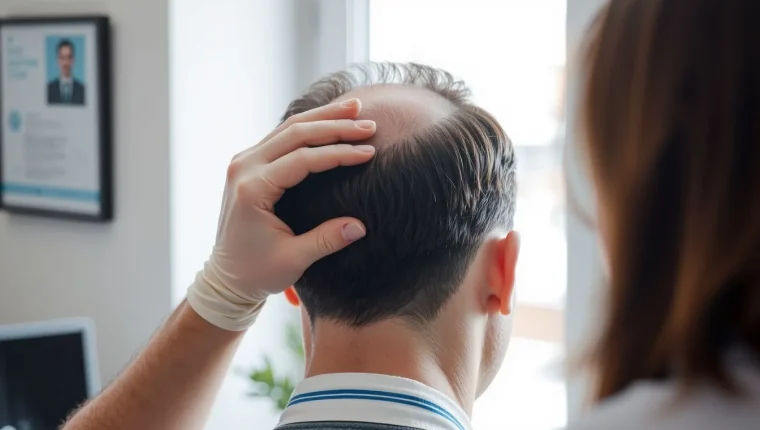
Next comes a close examination of the scalp, noting the distribution of hair loss, the width of the part, and whether follicles appear miniaturized. A pull test helps show whether shedding is active, while dermoscopy lets the clinician inspect hair shafts and follicle openings for telltale signs of pattern loss.
Laboratory tests are not routine for every patient, but they are considered when the presentation is unusual or when other causes are suspected. Blood work may check ferritin, thyroid function, vitamin D, and hormone levels. A scalp biopsy is reserved for cases where the diagnosis remains unclear.
Findings that point toward pattern hair loss include a gradual widening of the part, preserved frontal hairline, and miniaturized hairs scattered through the affected area. Sudden, diffuse shedding or patchy loss usually signals a different problem, which is why self-diagnosis can steer treatment in the wrong direction.
FDA-Approved Medications for Female Pattern Hair Loss

Regulatory approval draws a clear line between options that have been tested against placebo in controlled trials and those sold on hopeful marketing. For female pattern hair loss, only a small number of medications carry that formal approval, and each works through a different route.
Topical minoxidil is the most widely recognized approved treatment. Applied directly to the scalp, it prolongs the growth phase of the hair cycle and widens narrowed follicles, which is why it targets the miniaturization process already described. The 2% solution is typically the starting point for women, though 5% formulations are also used. Results appear gradually, often over several months, and stopping use usually reverses the gains.
Oral spironolactone is frequently prescribed off-label for women. It works by blocking androgens that contribute to follicle shrinkage, making it especially relevant when hormonal influence is suspected. Because it affects hormone balance, it requires a prescription and periodic monitoring, and it is not appropriate during pregnancy.
Other options include finasteride, which is not approved for women and carries specific risks, and topical anti-androgen formulations that remain investigational. This is where realistic expectations matter: no approved medication restores a full head of hair, and each works best when used consistently. The timeline is measured in months, not weeks, and skipping doses undermines the very mechanism the drug depends on. Understanding what each medication can and cannot do helps women judge their progress honestly rather than abandoning a treatment too early.
Non-Pharmacological Treatments and Procedural Options

When medication alone does not meet expectations, or when a woman prefers to avoid drugs, a range of non-pharmacological and procedural routes remain available. These options differ widely in how they work and in how much evidence supports them, so it helps to separate in-office procedures from supportive devices and products. Most are best understood as complements to medical therapy rather than replacements for it, and their suitability depends on the stage of thinning, the pattern of loss, and individual goals.
- Platelet-rich plasma (PRP) injections deliver concentrated growth factors into the scalp and are used in some clinics to support follicle activity, though study results remain mixed and sessions are repeated over months.
- Low-level laser therapy uses light-emitting devices to stimulate circulation at the follicle level; evidence is modest but generally favorable for mild to moderate thinning when used consistently.
- Hair transplantation moves healthy follicles to thinning areas and can produce durable density, but it does not stop ongoing loss and works best when the condition is stabilized first.
- Scalp camouflage and cosmetic fibers offer immediate visual coverage without altering the underlying process, making them a practical option for special occasions or early thinning.
Because these approaches act differently from approved drugs, they should be discussed with a clinician who can assess whether they fit the pattern of loss and whether they might interfere with or enhance ongoing treatment. Used thoughtfully alongside medical care, they can broaden the range of options without replacing proven therapies.
Lifestyle Adjustments and When to Seek Professional Help
Everyday habits cannot reverse follicle miniaturization, but they shape the scalp environment that treatments work within. Gentle styling, avoiding tight braids and harsh chemical straighteners, and limiting high-heat tools reduce unnecessary traction and breakage. A balanced diet with adequate iron, protein, and vitamin D supports normal hair cycling, though supplements only help when a genuine deficiency exists. Stress management matters too, since telogen shedding can overlap with pattern loss and blur how well a treatment is working.
Progress is slow, so track it objectively: photograph the same part under similar lighting every two to three months rather than judging daily. Persistent shedding, scalp pain, or widening despite consistent treatment are signals to seek a dermatologist. A specialist can confirm the diagnosis, adjust therapy, and rule out conditions that mimic pattern loss.
FAQs
What is the most effective female pattern hair loss treatment recommended by dermatologists?
Dermatologists most often recommend topical minoxidil as the first-line treatment for female pattern hair loss because it is FDA-approved, well-tolerated, and effective at slowing shedding and promoting regrowth. For women who do not respond adequately, oral antiandrogens such as spironolactone are commonly added, particularly when elevated androgen activity contributes to the condition. Combining topical minoxidil with other therapies, including low-level laser therapy or platelet-rich plasma, can improve results in moderate to severe cases. Because response varies, the most effective approach is a personalized plan guided by a dermatologist and maintained consistently over several months.
How long does it take to see results from female pattern hair loss treatment?
Most women begin to notice early changes from female pattern hair loss treatment within three to six months, though visible improvement in density typically takes six to twelve months. Because hair grows slowly, treatments such as minoxidil, anti-androgens, or low-level laser therapy require consistent daily use before results become apparent. Full benefits often emerge after a year or more, and stopping treatment usually leads to a return of the original pattern of loss.
Can natural remedies replace medical treatment for female pattern hair loss?
No, natural remedies cannot replace proven medical treatments for female pattern hair loss. While some options like rosemary oil or low-level laser therapy may offer mild support, they lack the consistent evidence of FDA-approved treatments such as minoxidil, finasteride, or spironolactone. You can use natural remedies as complementary care, but they should not substitute for a doctor-recommended treatment plan.