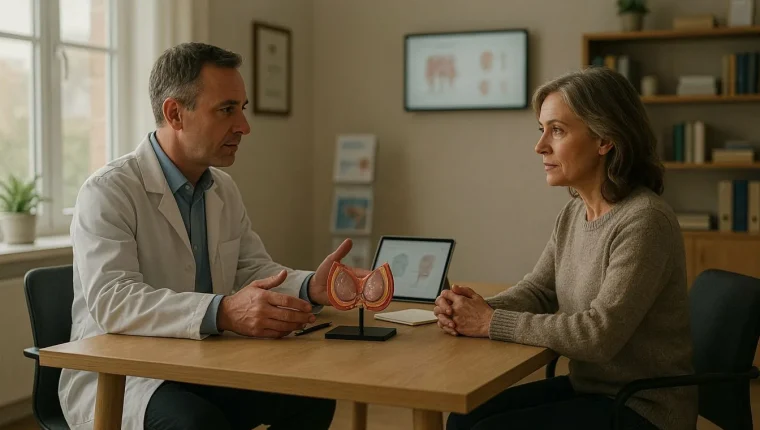
Considering breast augmentation is a big decision, and one of the first questions many women ask is: am I a good candidate for it? The honest answer is that this procedure works best for people who meet certain physical and lifestyle criteria — not everyone, and not for every motivation. A good candidate is typically in overall good health, has fully developed breasts, holds realistic expectations about the outcome, and is making the choice for herself rather than for someone else. Age, breast anatomy, skin quality, smoking, and future pregnancies all affect how well surgery goes and how long results last. Understanding these points before booking a consultation saves time, money, and disappointment and helps you have a more productive conversation with your surgeon.
Understanding Who Makes an Ideal Breast Augmentation Candidate
Every year, hundreds of thousands of people explore breast augmentation, yet a surprisingly small number of them take the time to ask whether the procedure truly fits their situation. Being a good fit is about far more than wanting a fuller silhouette — it involves your health, your anatomy, and your expectations working in harmony with what surgery can realistically deliver.
An ideal breast augmentation candidate is someone who is physically healthy, has fully developed breasts, and is pursuing the procedure for personal reasons rather than external pressure. Board-certified plastic surgeons consistently emphasize that patients who understand both the benefits and the limitations of implants tend to be the most satisfied with their results.
It also helps to distinguish between different motivations. Some people want to restore volume lost after pregnancy or significant weight changes, while others seek better symmetry or simply a proportion that feels more aligned with their frame. All of these are common and valid reasons. What matters is that the goal is achievable — augmentation can change size and improve shape, but it cannot fix every concern or create a “perfect” chest.
Surgeons typically look for a few defining traits during a consultation: stable weight, no active infections or untreated medical conditions, and a clear, specific idea of what improvement means to you. If you can describe your goals in concrete terms — for example, “I want to fill out clothing better” rather than “I want to look like someone else” — you are already thinking the way a strong candidate does. The sections ahead will break down exactly how health, age, lifestyle, and emotional readiness shape that picture.
Physical and Health Requirements You Should Meet

Your body needs to be in a stable, healthy state before any surgeon will schedule breast augmentation. This is not gatekeeping for its own sake—surgery places real demands on your cardiovascular system, your immune response, and your healing capacity. The healthier you are going in, the smoother your recovery and the lower your risk of complications like infection, poor wound healing, or capsular contracture. That is why a thorough medical evaluation comes first: your surgeon will review your health history, current medications, and any chronic conditions before clearing you for the procedure.
Most clinics look for a fairly consistent set of health markers when assessing whether someone is ready for surgery:
- Stable overall health: Conditions such as uncontrolled diabetes, high blood pressure, or autoimmune disorders must be well managed before surgery, since they directly affect how well your incisions heal.
- No active infections or illness: Even a lingering cold or a urinary tract infection can postpone your procedure, because operating while your immune system is compromised raises the risk of complications.
- Healthy weight: Surgeons typically prefer a stable weight and a body mass index within a safe range, as very high BMI increases anesthesia risks and wound-healing problems.
- Non-smoking status: Nicotine restricts blood flow to the skin and tissue, dramatically increasing the chance of healing complications—most surgeons require you to stop smoking at least four to six weeks before and after surgery.
- Current mammograms when appropriate: If you are over a certain age or have a family history of breast conditions, your surgeon may want a baseline imaging study to ensure your breast tissue is healthy before augmentation.
Certain medications also matter. Blood thinners, some antidepressants, and even herbal supplements like ginkgo or fish oil can increase bleeding during surgery, so your surgeon will ask for a complete list and may adjust timing or dosages. If you have a history of breast cancer or a strong genetic predisposition, you will likely need additional clearance from an oncologist before moving forward. None of these requirements are meant to discourage you—they exist so that your surgery is performed on a body that is genuinely prepared to recover well.
Age Guidelines for Breast Augmentation
Age is one of the first practical questions people ask, and the answer has two layers: the legal minimum and the developmental readiness of your body. In the United States, saline breast implants are FDA-approved for patients aged 18 and older, while silicone implants require you to be at least 22. These numbers are not arbitrary — they reflect how long it takes for breast tissue to fully develop and how implant safety data was collected across age groups.
Beyond the legal thresholds, most surgeons want to see that your breasts have stopped growing, which typically happens by the late teens or early twenties. Operating before development is complete can lead to unpredictable results, since continued growth may change the size, shape, and position of the implants over time.
It is worth knowing that there is no official upper age limit. What matters more is your overall health, which ties back to the medical evaluation we covered earlier. Many people in their 40s, 50s, and beyond have successful augmentations, often combined with a lift to address age-related changes like volume loss or sagging. If you are over 40 and due for screening, a current mammogram may be requested before surgery so your surgical team has a clear baseline.
If you are under the minimum age, alternatives such as fat transfer or simply waiting are worth discussing with a board-certified surgeon — the timing of your surgery matters just as much as the decision itself.
Lifestyle Factors That Affect Your Eligibility
Your daily habits can matter just as much as your lab results when a surgeon evaluates you for surgery. One habit stands above the rest: smoking. Nicotine narrows blood vessels and reduces oxygen flow to healing tissue, which significantly raises the risk of wound complications, implant exposure, and poor scarring. Most surgeons require you to stop smoking at least four to six weeks before and after the procedure, and some will decline to operate until you have quit completely.
Alcohol use is another consideration. Regular heavy drinking can interfere with anesthesia, thin the blood, and slow recovery. Moderate, occasional drinking is rarely an issue, but honesty during your consultation is essential—surgeons ask for a reason.
Weight stability also plays a role here. If your weight fluctuates dramatically due to yo-yo dieting, the appearance of your results can change over time, and significant weight loss after surgery may alter breast shape. Reaching a weight you can maintain long before the operation gives you the most predictable outcome.
Exercise habits matter, too. Being generally fit supports faster healing, but you will need to plan around recovery: no upper-body workouts, heavy lifting, or strenuous activity for several weeks. If your routine revolves around intense training, be prepared to pause it.
Finally, think about your lifestyle logistics. Do you have someone to help you in the first days at home? Can you take enough time off work? Surgery is only the beginning—healing well depends on the environment and support system you return to afterward.
Pregnancy, Breastfeeding, and Timing Your Surgery

Pregnancy and breastfeeding are two of the most significant life events that can change your breast tissue, and both deserve careful thought when you are planning surgery. Many people assume that implants themselves interfere with future breastfeeding, but the reality is more nuanced: most patients can still nurse after surgery, especially when the incision and implant placement avoid the milk ducts and nerves. The bigger issue is what pregnancy does to the results, not what the surgery does to pregnancy.
This is why experienced surgeons recommend waiting until your family planning is complete, or at least until you are finished having children in the near future. A pregnancy after breast augmentation stretches the skin, shifts glandular tissue, and can cause the breasts to sag or change shape — sometimes enough to require a revision. That does not mean a later pregnancy ruins your results permanently, but it may alter them in ways you did not anticipate.
Breastfeeding itself also brings temporary changes. During lactation, breasts enlarge as the milk ducts fill, then deflate afterward, which can affect both appearance and comfort. If you are currently breastfeeding, surgeons generally advise waiting until at least three to six months after you stop, so your breast tissue has returned to its baseline and your surgeon can plan accurately.
A few practical timing points worth discussing at your consultation:
- Waiting at least six months postpartum allows hormones to settle and breast tissue to stabilize before surgery.
- Nursing completion matters more than pregnancy itself, since lactation causes the most dramatic temporary changes in size and shape.
- Planned future children do not automatically disqualify you — they simply mean you should weigh the possibility of a future revision.
- Implant placement can be tailored to protect milk ducts and nerves if you want to preserve breastfeeding ability later.
None of this requires you to have your entire future mapped out. The goal is honest planning: tell your surgeon about your family plans, however uncertain they may seem, so the surgical approach and timing can be chosen with that context in mind rather than against it.
Emotional Readiness and Realistic Expectations
Physical health is only half of the equation. A good breast augmentation candidate also needs to arrive at the decision with a stable mindset and a clear picture of what surgery can and cannot deliver. Surgeons routinely say that the most satisfied patients are not those with the “perfect” body, but those with the healthiest attitude toward the procedure.
This is where emotional readiness becomes a genuine medical consideration. Board-certified plastic surgeons evaluate it during consultations, and many will postpone or decline surgery if they detect unresolved distress. Warning signs include seeking surgery to save a relationship, pressure from a partner, or the expectation that a changed body will transform an unhappy life.
Realistic expectations also shape your outcome satisfaction. Implants can restore volume, improve symmetry, and enhance proportion, but they cannot:
Make an existing relationship better, guarantee a promotion at work, or replicate someone else’s chest on your frame. Your surgeon works with your unique anatomy — your skin quality, chest wall shape, and existing tissue all influence the final result. Photos of celebrities or other patients are useful for communication, not as a literal blueprint.
It also helps to understand that recovery involves temporary changes. Swelling, shifting implant position, and a settling period of several months are normal, and scars fade gradually rather than disappearing overnight. Patients who anticipate this healing curve tend to experience far less post-operative anxiety than those expecting instant, final results.
Age and life stage play a role here too. Younger patients in their late teens and early twenties sometimes feel social pressure to change their bodies quickly; a thoughtful surgeon will explore whether the desire comes from within or from external comparison. Body image concerns rooted in anxiety or depression deserve care from a mental health professional first, not dismissal.
The healthiest candidates share a common thread: they want breast augmentation for themselves, they understand the limitations of the procedure, and they are prepared for both the physical recovery and the gradual emotional adjustment that follows. When your motivation is self-directed and your expectations are grounded in what surgery actually achieves, you give yourself the best possible chance of long-term satisfaction with your decision.
When to Consider Alternatives to Breast Augmentation
Surgery is not the only path to feeling more confident about your chest, and recognizing that early can save you time, money, and unnecessary risk. For some people, a fat transfer breast augmentation offers a subtle increase in size using your own tissue — ideal if you want a modest change (typically half a cup to one cup) without implants or foreign material. It also has the added benefit of slimming the donor area, such as the abdomen or thighs.
Other options may fit better depending on your underlying concern. If your issue is shape rather than volume, a breast lift (mastopexy) can restore a more youthful contour after weight loss, pregnancy, or nursing — without adding implants. If mild sagging or loss of firmness is the main frustration, non-surgical treatments such as skin-tightening devices may provide modest improvement, though results are limited and temporary.
There are also situations where waiting is genuinely the smartest choice. If you are within six months of giving birth or still nursing, your breast tissue is still settling. If you are actively losing weight or plan a significant change ahead, your results could shift dramatically afterward — so stabilizing first protects your investment. And if you are considering surgery mainly because of pressure from a partner or an expectation that a new body will resolve a relationship or career problem, a consultation with a counselor or therapist is often more valuable than a surgeon’s quote.
Cost deserves honest attention too. If budget constraints would push you toward a bargain provider or overseas surgery with unclear follow-up care, it may be safer to save longer or explore smaller-scale options rather than compromise on quality. Revision surgery to fix a poorly done primary procedure is far more expensive and complicated than getting it right the first time.
The right decision is the one that matches your anatomy, your timing, and your true motivation — and sometimes that decision is simply “not yet,” or “not surgery at all.”
FAQs
Am I old enough to be a breast augmentation candidate?
Most surgeons require breast augmentation patients to be at least 18 years old for saline implants and at least 22 for silicone implants, as approved by the FDA. Beyond age, a good candidate should have fully developed breasts and realistic expectations about the results. If you meet these requirements and are in good overall health, you are old enough to consider the procedure, though a board-certified surgeon will confirm your individual suitability during a consultation.
What health conditions might disqualify me from getting breast implants?
Certain health conditions can make breast augmentation unsafe, including active infections, uncontrolled chronic illnesses like diabetes or high blood pressure, bleeding disorders, and autoimmune conditions that impair healing. A history of breast cancer, especially with ongoing treatment or surveillance concerns, may also disqualify you or require special planning. Smoking, obesity, and pregnancy or breastfeeding can temporarily affect your eligibility. Your surgeon will review your full medical history during the consultation to determine whether the procedure is safe for you.
Can I have breast augmentation if I plan to become pregnant or breastfeed in the future?
Yes, you can have breast augmentation even if you plan to become pregnant or breastfeed in the future. The surgery does not affect your ability to conceive, and most women with implants can breastfeed successfully, especially when the incision is placed under the breast fold or through the armpit rather than around the nipple. Keep in mind that pregnancy and breastfeeding can naturally change your breast size and shape, which may affect your long-term cosmetic result and occasionally lead to a touch-up procedure. Your surgeon will discuss implant placement options that best preserve your ability to nurse.