If you’re considering ear pinning surgery, your first question probably isn’t about the results—it’s about the pain. It’s the concern that comes up most often in consultations, and it deserves an honest answer rather than a reassuring brush-off.
The reality: otoplasty is generally less painful than people expect. Because the procedure is performed under anesthesia, you feel nothing during surgery itself, and the discomfort that follows is usually described as soreness, tightness, or throbbing rather than sharp pain. Most patients manage well with simple pain relievers and rest.
Your experience depends on factors like your pain threshold, the extent of the correction, and how closely you follow aftercare instructions. Some days will be more uncomfortable than others, especially in the first 48 to 72 hours.
This guide walks you through what to genuinely expect — from the operating table through full recovery — so you can approach your decision with clear eyes instead of unnecessary fear.
What Happens During Otoplasty and Where Discomfort Occurs
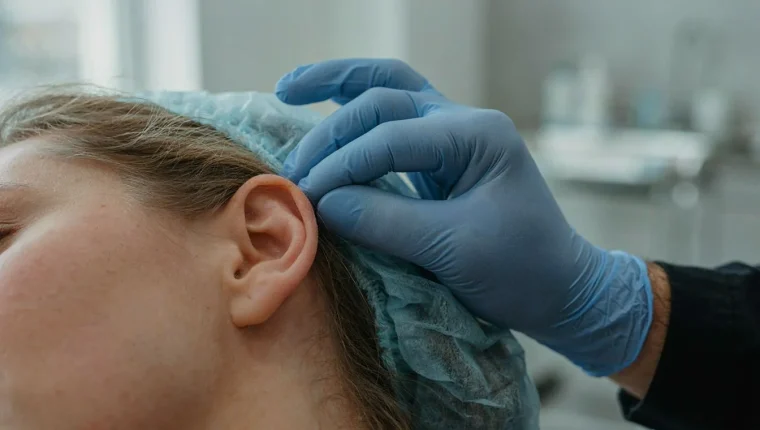
Otoplasty is a relatively straightforward surgical procedure, and knowing exactly what the surgeon does helps make sense of the sensations you might feel afterward. In most cases, an incision is made in the crease behind the ear, where any scarring stays well hidden. From there, the surgeon reshapes or removes a small amount of the underlying framework so the ear can sit closer to the head or fold in a more natural way.
The key structure involved is the ear’s cartilage — the firm but flexible tissue that gives your ear its shape. Cartilage can be scored, thinned, or repositioned with sutures to create the new contour. The skin over it is gently redraped and closed, usually with dissolvable stitches. Very little soft tissue is disturbed compared to many other cosmetic surgeries, which is one reason recovery tends to be quicker.
So where does the discomfort actually come from? The outer ear is packed with nerve endings, and once the numbing medicine wears off, the combination of the healing incision site and reshaped cartilage is what produces that characteristic sore, throbbing feeling. A tight, full sensation often follows too, partly because of the dressing and partly from natural swelling. Understanding this anatomy makes the reports of mild-to-moderate soreness in the days after surgery much easier to put into perspective.
How Painful Is Otoplasty During the Procedure Itself?
Here’s the reassuring truth most patients discover: thanks to anesthesia, you won’t feel pain during the surgery itself. This is one of the most common fears people carry into the operating room, and it’s worth addressing head-on.
Depending on your age and your surgeon’s assessment, the procedure is performed under either local anesthesia with sedation or general anesthesia. Adults and older teens often only need local anesthesia, meaning the ear area is fully numbed while you remain relaxed and drowsy. Children, on the other hand, typically receive general anesthesia and sleep comfortably through the entire operation.
If you’re awake under local anesthesia, what you might notice is sensation rather than pain — a feeling of pressure, tugging, or subtle movement as the surgeon reshapes the cartilage. Some patients even report hearing faint sounds, but nothing painful. Your surgical team monitors you continuously and can adjust your sedation if you feel anything uncomfortable.
In short, the operating room is not where the discomfort of ear surgery happens — that comes later, during recovery, and it’s very manageable.
What to Expect in the First 48 Hours After Surgery

The first real test of your comfort begins when the anesthesia wears off, usually two to four hours after surgery. Most patients describe this moment as a gradual return of sensation rather than a sudden wave of pain. What follows is typically a dull, throbbing ache behind the ears — noticeable, but far more manageable than most people braced themselves for. This early window is often called the peak discomfort period, and knowing what it involves helps you prepare rather than panic.
Interestingly, the incisions themselves are rarely the main culprit. The protective head dressing plays a bigger role in how you feel. The bandage wraps snugly around your ears to hold them in position and protect the healing cartilage, and that constant, gentle pressure can feel tight, heavy, and occasionally itchy. Many patients say the dressing is the most annoying part of recovery — more so than any actual pain.
During these first 48 hours, expect tenderness when you accidentally brush your ears, some swelling that makes the area feel warm and firm, and mild throbbing that responds well to your prescribed pain medication. Sleeping with your head elevated and resting on your back — not your side — makes a genuine difference in how the pressure feels. Discomfort usually peaks on the first night, then begins a steady, noticeable decline from the second day onward.
Managing Pain After Ear Surgery: Medications and Home Care
The good news is that most patients find post-operative discomfort very manageable with a simple plan. Your surgeon will typically prescribe a pain reliever — often something like paracetamol or a mild opioid for the first few nights — and it works best when you take it on schedule rather than waiting for the pain to build. One critical rule: avoid aspirin and other blood-thinning medications unless your surgeon explicitly approves them, as they increase bruising and bleeding risk around the healing cartilage.
Beyond medication, a few practical habits at home make a noticeable difference in how comfortable those early days feel:
- Sleep with your head elevated. Use two or three pillows or rest in a recliner for the first week to reduce blood pressure around the ears and ease throbbing, especially overnight.
- Never sleep on your side. Pressure directly on the ears can shift the healing cartilage, cause intense pain, and even affect your final result. Back sleeping is essential until your surgeon clears you.
- Keep the dressing clean and dry. The head bandage protects the surgical site and controls swelling, so avoid getting it wet in the shower and don’t loosen or remove it on your own.
- Ask before using cold compresses. Some surgeons approve carefully placed ice packs to reduce swelling, but direct contact with the ears is usually off-limits while the dressing is on.
Take your medication with food to prevent nausea, and set phone reminders so overnight doses aren’t missed — the peak discomfort period passes much more smoothly when relief is consistent. If your prescribed painkiller stops doing its job, call your surgical team rather than doubling up doses or adding over-the-counter drugs on your own, since combinations can interfere with healing.
How Long Does Soreness Last During Recovery?

Most patients find that soreness follows a predictable fade pattern: it’s strongest during those first 48 hours, then noticeably improves by the end of the first week. By day seven or so, many people describe their discomfort as mild tenderness rather than genuine pain — the kind you notice when you brush past your ear, not something that interrupts your day.
Healing doesn’t stop when the acute phase ends. Residual tenderness can linger for several weeks, especially when touching the ears, wearing glasses, or accidentally rolling onto them at night. Some patients report mild sensitivity along the incision lines or a feeling of tightness for a month or two, and occasional twinges when the weather changes are not unusual. All of this falls well within normal recovery.
Individual variation is real, too. Factors like your age, how extensive the cartilage reshaping was, and how closely you follow your aftercare instructions all influence the timeline. Someone who sleeps carefully elevated and avoids pressure on the ears often feels better sooner than someone who doesn’t.
The most reliable way to know what’s normal for you is your surgeon’s guidance, since they’ve seen your specific procedure and healing progress firsthand. As a general rule, steady improvement week over week is the pattern to expect — if that trajectory reverses instead of continues, that’s worth paying attention to, which brings us to the warning signs every patient should know.
Warning Signs That Your Pain Is Not Normal
Most discomfort after otoplasty follows a predictable pattern: it peaks in the first days, then gradually eases. Pain that behaves differently deserves your attention. Understanding what normal recovery feels like gives you a reliable baseline, and any meaningful departure from that baseline is worth taking seriously. Knowing how to spot a warning sign of infection or another complication early makes a real difference, because problems caught quickly are almost always easier to treat. The signs below are the ones surgeons most want patients to recognize, and each one stands out clearly against the background of ordinary healing discomfort.
As you read through them, remember that a single symptom on its own may not mean much, but combinations — pain plus fever, redness plus discharge — raise the level of concern considerably. Trust your instincts as well: patients often sense that something is wrong before they can name exactly what it is.
- Pain that worsens instead of improving — discomfort should trend downward each day; if one ear suddenly becomes more painful than the other, or pain intensifies after day three, that’s a signal to call your surgeon.
- Fever above 38°C (100.4°F) — a rising temperature alongside ear pain often points to an infection developing near the incision sites.
- Unusual swelling or redness that spreads — some swelling is expected, but swelling that keeps growing, feels hot, or turns deep red is not part of normal healing.
- Discharge or fluid leaking from the incision — clear fluid in tiny amounts can be normal early on, but pus, yellow drainage, or a foul smell requires prompt evaluation.
- Bleeding that soaks the dressing — a few spots on the bandage are common, but active bleeding or persistent soaking needs immediate contact with your surgical team.
The rule here is simple: when in doubt, call. Surgeons and their teams expect these calls and would rather answer a question that turns out to be nothing than miss a problem that could have been treated the same day. You are not bothering anyone by checking in — that is exactly what post-operative support exists for. Keeping your surgeon’s contact information somewhere easy to reach during the first week removes any friction from making that call, and it ensures that if a genuine warning sign does appear, you can act on it without hesitation.
Tips for a Smoother, More Comfortable Healing Process
A big part of your comfort during recovery is actually determined before surgery day. Patients who prepare their recovery space in advance tend to move less, rest better, and feel far less frustration in those first tender days. Stock up on soft foods, fill prescriptions early, and arrange pillows so you can sleep with your head elevated comfortably without improvising at bedtime.
Small choices make a noticeable difference, too. Wear loose, button-up shirts so nothing pulls over your ears, and keep water and easy meals within arm’s reach of your resting spot.
Once your surgeon clears you, a protective headband worn at night shields your ears from accidental pressure while you sleep — a simple habit that prevents both discomfort and setbacks to your results.
Finally, treat your follow-up appointments as part of your pain management plan, not just paperwork. Your surgeon can catch small issues before they become painful ones, adjust your care as healing progresses, and reassure you when sensations change. Patients who follow activity restrictions closely almost always report an easier, calmer recovery than those who rush back too soon.
FAQs
How long does otoplasty pain last after surgery?
Most patients experience the sharpest pain in the first 2 to 3 days after otoplasty, which is well controlled with prescribed pain medication. Discomfort typically fades to mild soreness or tenderness within the first week, especially when you wear your protective headband as directed. By two weeks, most people feel essentially normal, though slight sensitivity around the ears can linger for a few weeks. If pain worsens rather than improves after the first few days, contact your surgeon, as this may signal an infection or other complication.
Is otoplasty pain worse in adults than in children?
Adults often report more discomfort than children after otoplasty, mainly because ear cartilage is softer and more pliable in younger patients, making it easier to reshape with less tissue trauma. Adults may also perceive pain more intensely and tend to be more anxious about the recovery process. Medication generally manages pain well in both groups, and most patients describe it as mild to moderate soreness rather than severe pain. Adults should simply be prepared for a slightly firmer, more tender ear during the first week or two of healing.
What pain relief methods work best during otoplasty recovery?
Most patients manage otoplasty discomfort well with over-the-counter pain relievers like acetaminophen, though your surgeon may prescribe a short course of stronger medication for the first few days when soreness peaks. Keeping your head elevated, even while sleeping, significantly reduces throbbing and swelling, and applying cold compresses around—not directly on—the ears during the first 48 hours adds noticeable relief. Avoid aspirin and ibuprofen unless your surgeon approves them, as they can increase bruising and bleeding. Most people find pain subsides considerably within the first week, needing little more than mild painkillers after that.