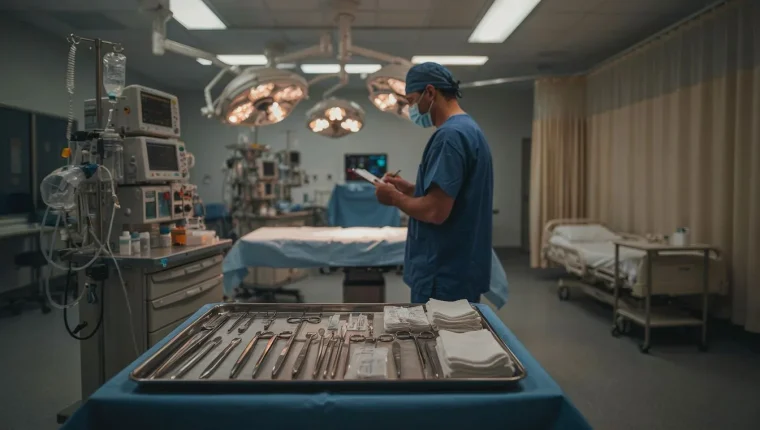
Choosing a breast reduction clinic in Turkey means considering more than price. A smooth recovery or revision surgery often depends on decisions made during the first few hours of research.
Turkey has built a strong reputation for cosmetic surgery, and breast reduction is one of the most requested procedures. Accredited hospitals, experienced plastic surgeons, and all-inclusive packages attract thousands of patients every year. At the same time, the market is crowded, and not every clinic operates at the same standard.
The right clinic is the one that matches your anatomy, your health profile, and your expectations, not the one with the most polished Instagram feed or the lowest quote. Surgeon credentials, hospital accreditation, before-and-after results, and transparent communication matter far more than marketing.
What to Look for in Surgeon Credentials and Experience

The surgeon sitting across from you at the consultation matters far more than the marketing brochure or the clinic’s marble lobby. A breast reduction combines functional relief with aesthetic refinement, so the surgeon needs technical training and artistic judgment to deliver natural-looking, comfortable results for years.
Start by verifying that your surgeon holds an active, unrestricted medical license and is board-certified in plastic, reconstructive, and aesthetic surgery — not just a general surgery qualification. Membership in respected bodies such as the Turkish Society of Plastic, Reconstructive and Aesthetic Surgeons (TPRECD) or international equivalents such as ISAPS adds another layer of credibility, because these organizations require ongoing education and peer review to maintain standing.
Beyond paperwork, ask how many breast reductions the surgeon performs each year. A high annual volume — ideally fifty or more — signals that the operation is a routine part of their practice rather than an occasional add-on. Equally important is how long they have been specializing in breast surgery specifically, since techniques continue to evolve and surgeons who keep pace tend to handle complex cases, such as significant asymmetry or previous failed reductions, with greater confidence.
During your meeting, pay attention to how the surgeon explains the planned approach: incision pattern, expected scar placement, nipple sensation preservation, and how much tissue will be removed. A confident professional will walk you through these details without rushing, will show you multiple before-and-after photos of patients with similar body types, and will be transparent about revision rates. Volume of similar cases is the single best predictor of a smooth surgical experience and a result you will be happy with long term.
Why Clinic Accreditation and Safety Standards Matter
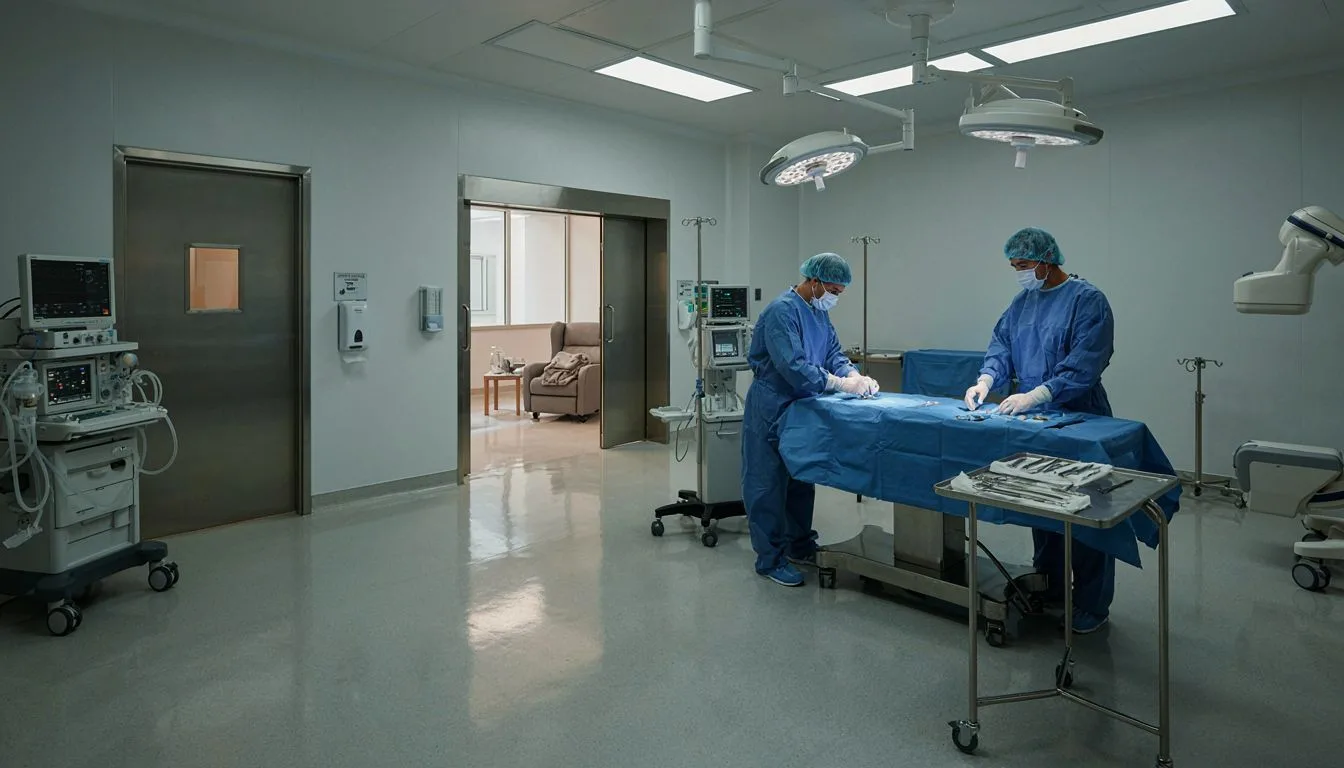
Even when a surgeon has the right training and a steady track record of similar cases, the facility around them decides how safe your actual day-of-surgery experience will be. Accreditation acts as an outside audit of the clinic’s protocols, equipment, and hygiene practices, so you can verify those claims instead of taking them on faith. In Turkey’s medical tourism market, this distinction matters because clinics range from purpose-built surgical centers to smaller offices, and the standards regulating staff and facilities vary widely between them.
- JCI accreditation is the international benchmark most travelers recognize, signaling that the clinic meets hospital-level safety and quality criteria.
- Operating room standards should include HEPA-filtered ventilation, sterile surgical suites, and a dedicated recovery area separate from general patient rooms.
- Anesthesia safety depends on a board-certified anesthesiologist staying present throughout the procedure, with full monitoring equipment and emergency resuscitation tools on hand.
- Emergency transfer protocols reveal whether the clinic has a written plan, a trained response team, and an affiliated hospital for handling complications that exceed on-site capacity.
- Equipment sterilization and infection control records should be current and available for review, since outdated sterilization tracking is a common red flag in under-regulated settings.
Ask the coordinator to email copies of certifications and the clinic’s most recent audit summary before you book a flight, and confirm which hospital partners handle emergencies. If a clinic hesitates to share these documents, consider that a meaningful signal about how the rest of your care will be handled.
Reading Patient Reviews and Real Before-and-After Results
Past patients often tell you what brochures and clinic websites carefully edit out. Real reviews describe how the consultation felt, whether the surgeon listened, how pain was managed after surgery, and how the team handled small complications. Look for feedback that mentions specific details such as scar healing, follow-up frequency, and responsiveness on WhatsApp or email once the patient returned home. Vague five-star ratings without context carry far less signal than detailed stories that match your own priorities.
Before-and-after photos are equally revealing when you know how to read them. Ask galleries to show patients whose starting breast size, body type, and age resemble yours, because identical techniques produce very different outcomes on different frames. Consistent lighting, similar angles, and scars shown at the same maturity stage (usually six to twelve months) suggest honesty. If a clinic only posts early-week results, hides incision lines, or crops images to crop out asymmetry, treat the gallery as marketing rather than evidence.
Finally, cross-check what you see on the clinic’s own channels against independent forums and moderated communities where patients discuss long-term satisfaction, nipple sensation, and any revision surgery. Patterns that repeat across multiple unconnected sources usually reflect the genuine patient experience and help you narrow your shortlist before any money changes hands.
Comparing Pricing, Packages, and Hidden Costs
Pricing for breast reduction in Turkey can look almost identical from one clinic to the next on a price-comparison page, but the number that matters is rarely the one advertised. Two quotes sitting side by side at €3,200 and €3,600 may actually represent very different experiences once you read what each package includes.
A solid all-inclusive package usually bundles the surgeon’s fee, anesthesia, operating-room use, compression garments, post-op medications, one or two nights of hotel accommodation, airport transfers, and at least one in-person follow-up visit. When a quote is missing several of these line items, the lower headline price often shifts the cost onto the patient without anyone saying so out loud.
Watch for charges that hide behind phrases like “depending on individual needs.” Revision policies, garment replacements, extra drain removals, second post-op consultations, and extended hotel stays because recovery takes longer than expected are common extras. Ask each clinic to list what is included, what is excluded, and what conditions trigger an additional fee, then compare those answers line by line.
Planning Travel Logistics and On-Site Support in Turkey
Surgery abroad is more than a procedure; it is a small journey, and the trip itself shapes how safe and comfortable your experience feels. Once you have narrowed your shortlist to a clinic that meets medical criteria, the practical layer — flights, transfers, accommodation, and what happens between landing and discharge — starts to matter just as much.
Most reputable clinics run a dedicated medical travel coordinator role, and this is the person who usually keeps the whole trip stitched together. Before you book anything, ask how that role is structured: who arranges airport pickups, who translates during consultations, and who you actually call if something unexpected happens at the hotel at midnight. The clearer the chain of contact, the less you have to improvise in a foreign city.
- Airport-to-hotel-to-clinic transfers are typically included in package pricing; confirm whether the driver is a clinic employee or a third-party contractor, since this affects accountability if a pickup is missed.
- Accommodation proximity matters more than star rating — staying within ten minutes of the clinic shortens every pre-op visit and post-op check, especially in the first 72 hours.
- A translator who is present during the surgical consultation, not just at reception, helps you understand consent forms, scar placement decisions, and pain-management instructions without guesswork.
- Companion policies vary: some clinics require a friend or family member to stay overnight after general anesthesia, while others provide a nurse-on-call option at an extra fee.
- Post-discharge mobility windows — how far you can travel, when you can fly, and whether a follow-up visit is needed before departure — should be locked in before you buy your return ticket.
Once logistics are mapped, recovery becomes a quieter chapter: compression garments are fitted, drain care is explained in your own language, and the coordinator checks in by message while you rest. A well-organized trip does not just reduce stress; it lowers the chance that a logistical gap — a missed transfer, an unclear instruction, an unplanned extra night — turns into a medical one.
Questions to Ask During Your Initial Consultation
The consultation room is where you finally meet the people behind the website. Most Turkish clinics offer video or in-person consultations before you fly, and this conversation usually decides whether you commit or keep searching. Treat it as an interview, not a sales call, and the right questions will quickly reveal how a clinic actually operates beneath its polished marketing.
Ask how many breast reductions the surgeon performs each month, because surgical volume directly shapes consistency and complication rates. Request before-and-after photos of patients with a similar body type to yours, and pay attention to scar placement, nipple position, and symmetry rather than just cup size. Clarify whether the clinic uses 3D imaging or manual measurements for planning, how decisions are made about incision technique, and what the realistic recovery timeline looks like for someone traveling home within a week.
Beyond aesthetics, dig into logistics. Who answers if you have a concern at 11 p.m. the night before surgery? Is the first night spent in the hospital, a recovery hotel, or an apartment? What happens if a revision is needed after you return to your home country; will the surgeon see you remotely, or are you expected to fly back at your own expense? Strong clinics answer these questions clearly, without hesitation or vague reassurances.
Finally, trust how the conversation feels. If the coordinator rushes you, avoids specifics, or refuses to connect you with past patients, that silence is itself an answer. A confident clinic welcomes scrutiny because its results, processes, and patient care already speak for themselves, and a good consultation will leave you reassured rather than pressured.
FAQs
What should I look for when choosing the best breast reduction clinic in Turkey?
Look for clinics with board-certified plastic surgeons who specialize in breast reduction, and verify their credentials through Turkish Medical Association records or international memberships like ISAPS. Prioritize facilities that hold JCI or ISO accreditation, provide before-and-after galleries of real patients, and offer detailed consultations that include 3D imaging and personalized surgical plans. Patient reviews on independent platforms, transparent pricing with no hidden fees, and comprehensive aftercare programs with on-site medical teams are equally important indicators of quality.
How do I verify the credentials and experience of surgeons at a clinic in Turkey?
To verify a surgeon’s credentials and experience at a clinic in Turkey, start by asking the clinic directly for the surgeon’s full name, medical license number, and a copy of their Turkish Medical Association (TTB) registration, which is required for all practicing physicians in the country. Then cross-check this information on the TTB online database (ttb.org.tr) and confirm their specialization certificate from the Turkish Ministry of Health. Finally, review their surgical log, published research, or before-and-after portfolios, and look for independent patient reviews or international accreditations such as JCI, which add another layer of accountability to the clinic’s standards.
What questions should I ask about aftercare and recovery before selecting a clinic in Turkey?
You should ask how many follow-up appointments are included, who handles them (the clinic or a local provider), and what specific symptoms would require you to return to Turkey versus being treated at home. Clarify the protocol for wound care, medication management, and physical therapy, including detailed written instructions and emergency contact options available 24/7. Confirm what complications are covered, the duration of the recommended stay in Turkey post-procedure, and whether your local doctor will receive a comprehensive discharge summary to support your ongoing recovery.