You’ve decided on gastric bypass surgery in Turkey—now you need to know how soon you can safely fly back to Canada. It’s a fair concern, and one that deserves a clear, honest answer rather than vague reassurance. The good news is that flying after gastric bypass is generally safe sooner than many people expect, but timing, preparation, and a few in-flight precautions genuinely matter for your recovery. This guide explains when it is typically safe to board a plane, what Turkish clinics usually recommend before clearing you for travel, and how to make the long-haul flight from Istanbul to Toronto or Vancouver as comfortable as possible. Let’s get into the details that will help you plan your trip with confidence.
When Is It Safe to Fly After Gastric Bypass Surgery in Turkey?
Most bariatric surgeons in Turkey agree on a clear window: you should wait at least 10 to 14 days after gastric bypass surgery before boarding a flight home. This waiting period isn’t arbitrary — it covers the two highest-risk phases of recovery, when internal incisions are still fresh and the danger of bleeding or leakage is at its peak. By day 10, most patients have passed their first follow-up checks, drains (if any) have been removed, and the surgical team has confirmed that healing is on track.
The “safe” date can shift depending on your individual case. If your surgery involved complications, extended hospitalization, or open (rather than laparoscopic) technique, your surgeon may recommend waiting three to four weeks. Conversely, patients recovering smoothly with good mobility and no swelling are often cleared right at the two-week mark.
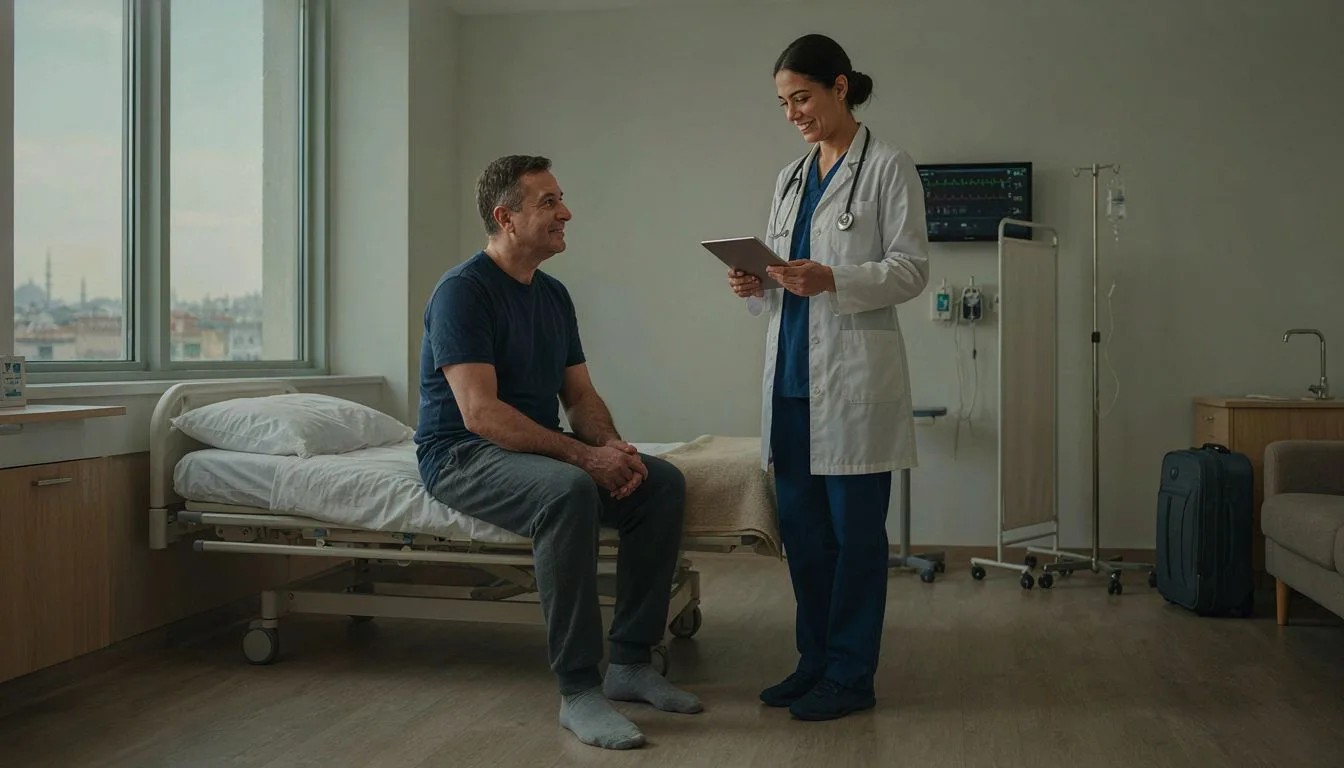
Before your flight, plan for one essential step: a final in-person check-up in Istanbul or your treatment city, typically scheduled a day or two before departure. Your surgeon will review your blood work, confirm there’s no fluid buildup, and provide a fit-to-fly letter — a document some airlines request for passengers traveling within two to three weeks of abdominal surgery. Skipping this appointment is rarely worth the risk, as it’s also your last chance to address questions about pain management, diet stages, and medication for the journey.
Flying After Gastric Bypass Turkey to Canada: What to Expect on the Journey
Once you’re cleared to travel, the flight from Istanbul to Toronto or Montreal — typically 10 to 11 hours — becomes the real test of your early recovery. Most patients who fly 10 to 14 days after gastric bypass surgery manage the journey comfortably, but knowing what to expect removes much of the anxiety.
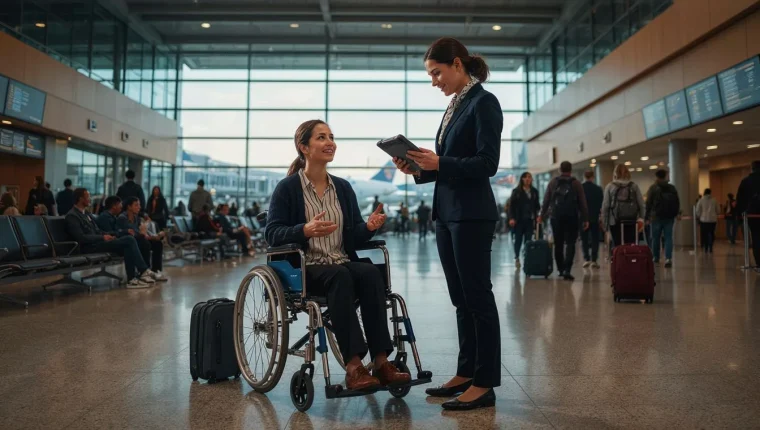
Airports in Turkey are well equipped for post-surgical travelers. Request wheelchair assistance when booking if you want to avoid long walks through terminals like Istanbul Airport, which can involve considerable distances between gates. Security screening is rarely an issue, though carrying a copy of your discharge summary and surgeon’s letter is smart in case staff ask about medications or recent procedures.
On board, a few practical realities stand out. Your smaller stomach will make in-flight meals challenging — stick to soft, protein-rich choices or bring your own approved snacks. Hydration matters more than usual at cabin altitude, so sip water steadily and skip alcohol and carbonated drinks entirely, as pressurization can worsen gas and discomfort.
Perhaps the most important element of flying after gastric bypass Turkey Canada is pacing yourself: stand and stretch every hour or two, walk the aisle when the seatbelt sign is off, and wear loose clothing and compression stockings for the duration. If you land feeling sore but steady, that’s entirely normal — the discomfort usually settles within a day of arriving home.
Airline Policies and Medical Clearance for Post-Bariatric Travel
Every airline has its own rules about flying shortly after surgery, and most of them are far more practical than patients expect. Unlike some procedures, gastric bypass does not automatically trigger a refusal to carry you — what airlines care about is whether you’re medically stable and whether your surgeon considers the flight safe. This is why most Turkish bariatric clinics issue a document confirming you are fit to fly, typically dated 10 to 14 days after your operation.
The document that matters most here is the fit-to-fly certificate, sometimes called medical clearance. It confirms your surgery date, states that you have no complications, and clears you for commercial air travel. Canadian border officers rarely ask for it, but airline ground staff sometimes do, especially if you request assistance or special seating.
Before booking, it’s worth checking a few airline-specific points:
- Wheelchair or assistance requests: Most carriers let you request this free of charge when booking, which helps if you’re still moving carefully through large airports like Toronto Pearson.
- Seat selection: An aisle seat with extra legroom makes standing and stretching during the flight far easier.
- Medical documentation requirements: Some airlines require the fit-to-fly letter to be issued within a specific window before travel — usually 7 to 10 days before departure — so time your follow-up appointment accordingly.
- Oxygen or special equipment: You won’t need supplemental oxygen after an uncomplicated bypass, but if any complication occurred, clearance rules become stricter and involve the airline’s medical desk.
Keep both a printed and digital copy of your clearance letter in your carry-on luggage, alongside your discharge summary from the Turkish hospital. If your return date shifts because of a delayed follow-up, ask your clinic to reissue the letter rather than flying with an outdated date — a mismatch between your surgery date and the certificate can cause unnecessary questioning at check-in.
How to Reduce Blood Clot Risk During a Long-Haul Flight

Blood clots, or deep vein thrombosis (DVT), are the single most important medical concern when flying after gastric bypass, because recent surgery combined with hours of immobility raises the risk significantly. The good news: a few deliberate habits during the flight lower that risk dramatically.
Movement is your first line of defense. Aim to stand and walk the aisle for a few minutes every hour — even a slow lap to the galley and back keeps blood circulating through your legs. When seated, do simple calf exercises: lift your heels, then your toes, in repeated cycles, and change your sitting position often rather than staying frozen in one posture.
Compression stockings are worth packing in your carry-on. Graduated compression socks improve venous return in the legs and are routinely recommended for long-haul flights after bariatric surgery. Put them on before boarding, when your legs are least swollen.
Hydration matters more than you might think. Cabin air is extremely dry, and dehydration thickens the blood. Sip water steadily throughout the flight, and skip alcohol and coffee, both of which contribute to fluid loss. Avoid crossing your legs for long stretches, and loosen any restrictive clothing around your waist or thighs.
Finally, know the warning signs — calf pain, swelling, or warmth on one side — and mention your recent surgery to cabin crew if anything feels unusual. If your surgeon prescribed a low-dose blood thinner for travel days, take it exactly as directed.
Recovery Milestones Before Your Return Flight Home
Before your surgeon signs off on that fit-to-fly certificate, your body needs to hit a few concrete checkpoints. The most important of these is wound healing: incisions should be closed, dry, and free of redness or discharge before you board. Most patients in Turkey reach this stage within 10 to 14 days after gastric bypass surgery, which is exactly why clinics build that buffer into your treatment plan.
Your care team will also want to see that you’re tolerating food and fluids well. By the time you fly, you should be comfortably managing the pureed or soft-food phase, keeping liquids down without persistent nausea, and staying hydrated — all of which matter more than usual at cabin altitude, where dehydration comes on faster.
Other milestones your surgeon checks during your final follow-up include stable pain levels manageable with oral medication, normal early blood work, and no signs of leakage, fever, or infection. Many Turkish hospitals schedule this review the day before departure, so any concerns can be addressed while you’re still in the country.
If any milestone isn’t met, don’t panic — clinics can typically adjust your departure by a few days. A slightly later flight home is a far better trade than arriving in Canada with a complication that started at 35,000 feet.
FAQs
How soon after gastric bypass surgery in Turkey can I safely fly back to Canada?
Most patients can safely fly back to Canada about 7 to 10 days after gastric bypass surgery in Turkey, once your surgeon confirms you are recovering well at your postoperative check-up. Flying too early increases risks such as blood clots and discomfort from cabin pressure, so surgeons typically recommend staying in Turkey for at least the first week for follow-up care. Before booking your return flight, get clearance from your surgical team, stay hydrated, and walk regularly during the flight to support circulation.
Do I need a fit-to-fly medical clearance before boarding my flight to Canada?
Most travelers do not need fit-to-fly medical clearance to board a flight to Canada; airlines only require it in specific situations, such as late pregnancy, recent surgery, certain illnesses, or needing onboard oxygen. Check your airline's medical policy before traveling, as requirements vary by carrier. If you have a serious or unstable medical condition, ask your doctor for a fit-to-fly certificate and contact the airline's medical desk in advance.
What precautions should I take during the long-haul flight to prevent blood clots?
During a long-haul flight, move your ankles and legs regularly, walk in the aisle every hour or two when possible, and stay well hydrated with water while limiting alcohol and caffeine. Wear loose, comfortable clothing, and if you have risk factors such as a history of blood clots, recent surgery, pregnancy, or obesity, ask your doctor beforehand—graduated compression stockings or, in some cases, a preventive anticoagulant may be recommended. Avoid crossing your legs for extended periods, and if you notice swelling, pain, or redness in one leg after the flight, seek medical attention promptly.