Planning your gastric bypass surgery in Turkey is one thing — figuring out how to safely fly back to the USA afterward is another. Air travel after bariatric surgery requires more thought than simply booking a return ticket. How soon is too soon to fly? What precautions should you take during a long-haul flight? And when should you call your surgeon before boarding? This guide covers everything you need to know about flying after gastric bypass in Turkey back to the USA, including recommended waiting times, in-flight comfort tips and warning signs you shouldn’t ignore. Whether you’re in the early planning stages or your surgery date is just weeks away, understanding these details can make your recovery smoother and your journey home far less stressful.
When Is It Safe to Fly After Gastric Bypass Surgery in Turkey?
Most bariatric surgeons agree on a general window: patients are typically cleared to fly around 10 to 14 days after gastric bypass surgery. This isn’t an arbitrary number — it reflects the period during which the highest risk of internal bleeding, staple-line leaks, and post-operative complications has largely passed. Some patients with exceptionally smooth recoveries fly as early as day 7, but this is only with explicit surgeon approval after a final check-up.
The main concern on a flight is the pressure change inside the small gas bubble surgeons leave during laparoscopic procedures. This residual gas can cause shoulder and chest discomfort at cruising altitude in the first week, which is one reason early travel feels far worse than it actually is. Once that gas is absorbed — usually within 7 to 10 days — flying becomes significantly more comfortable.
Your specific clearance also depends on how the surgery was performed and your recovery progress. Before your return trip, you should have a post-operative consultation confirming that your incisions are healing, you’re tolerating fluids, and there are no signs of infection. Reputable clinics in Turkey typically schedule this final check exactly with your flight date in mind, so book your return journey with at least a 10-day buffer built in from the day of surgery.
Flying to the USA After Gastric Bypass in Turkey: What to Expect
By the time you’re cleared to fly, typically 10 to 14 days after surgery, your body has moved past the most delicate healing phase, but a transatlantic journey still feels different than it did before your operation. Knowing what the journey actually involves helps you prepare both physically and mentally.
Most patients are surprised by how manageable the flight itself is. The cabin pressure change doesn’t harm your healing stomach, and the smaller capacity of your new pouch doesn’t cause problems at altitude. What you will notice is fatigue. Your body is still healing and adjusting to a dramatically reduced calorie intake, so expect to feel more tired than usual, even on a direct flight from Istanbul to New York.
The bigger adjustment comes in how you eat and drink during travel. Airport meals and airline food will largely be off the menu, so you’ll rely on the strategy of sipping water steadily and packing small, soft snacks such as protein shakes or puréed fruit pouches. Walking to the restroom regularly doubles as your movement routine, which matters for circulation on a flight of ten hours or more.
One practical point worth planning ahead: jet lag combined with your new eating schedule can leave you unsure when to take medications or supplements. Before leaving Turkey, ask your bariatric team to map out a simple timeline adjusted to US Eastern or your home time zone, so your first days back run smoothly.
Airline Policies and Medical Requirements for Post-Bariatric Travelers
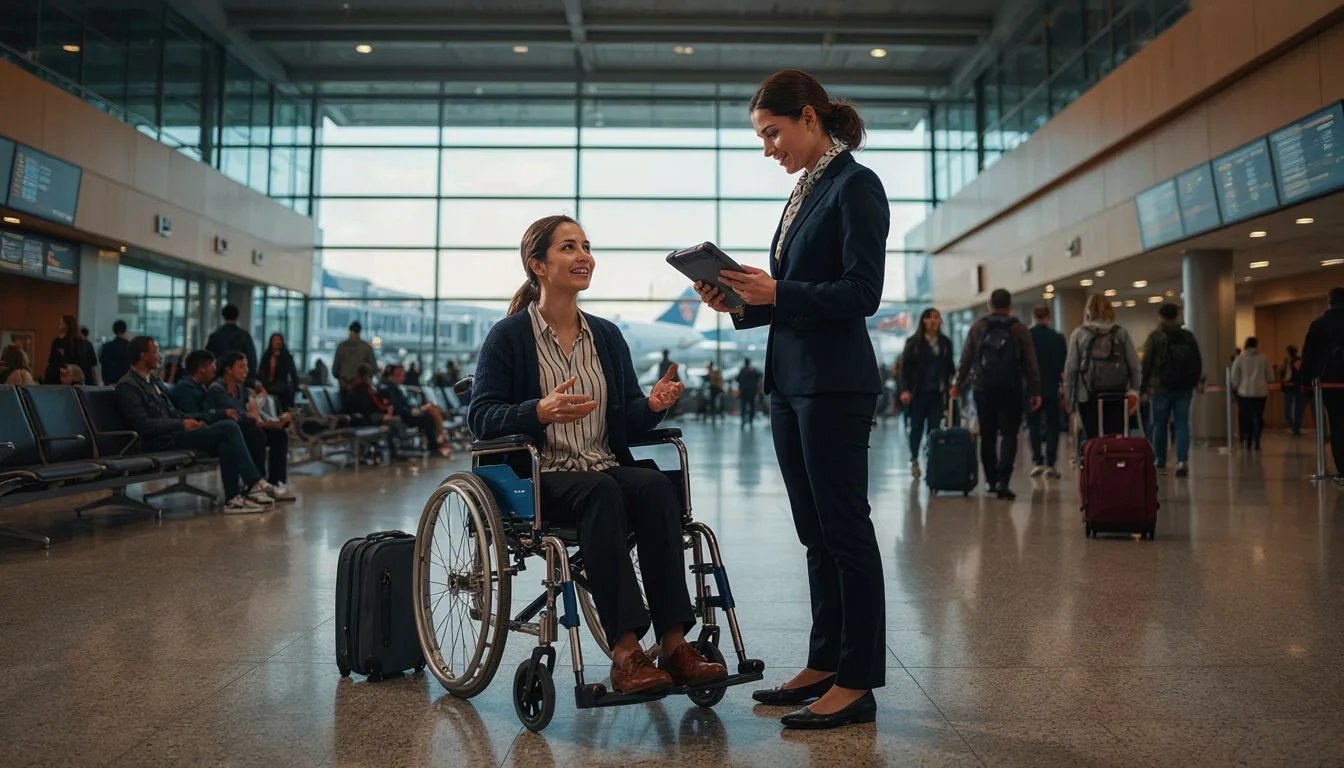
Every airline sets its own rules for passengers who have recently had surgery, and these policies matter just as much as your surgeon’s clearance. Before booking your flight home, contact the carrier directly and ask about their requirements for post-operative travelers. Many airlines ask for a fit-to-fly certificate issued within 48 to 72 hours of departure, confirming you are healthy enough for air travel after your procedure.
Besides medical clearance, most major carriers flying transatlantic routes have practical policies you should know about in advance:
- Special meal requests: Airlines like Turkish Airlines and major U.S. carriers offer dietary options, though post-bariatric portion sizes are usually best managed by bringing your own approved snacks.
- Wheelchair or assistance services: These can be requested free of charge at booking and help you avoid long walks through large hub airports such as Istanbul or Chicago.
- Seat selection policies: Requesting an aisle seat with extra legroom makes it easier to stand, stretch, and walk during the flight, which supports circulation.
- Oxygen and medication rules: If your surgeon prescribes anything unusual, verify the airline’s policy on carrying liquid medications and medical supplies through security.
Keep in mind that policies differ between carriers, so written confirmation by email is worth requesting. Some airlines may also ask that you travel with a companion if your surgery was less than ten days before departure. Checking these details before you leave the hospital in Turkey saves you from stressful surprises at the check-in counter and ensures your journey home starts smoothly.
Preventing Blood Clots and Managing Discomfort on Long-Haul Flights
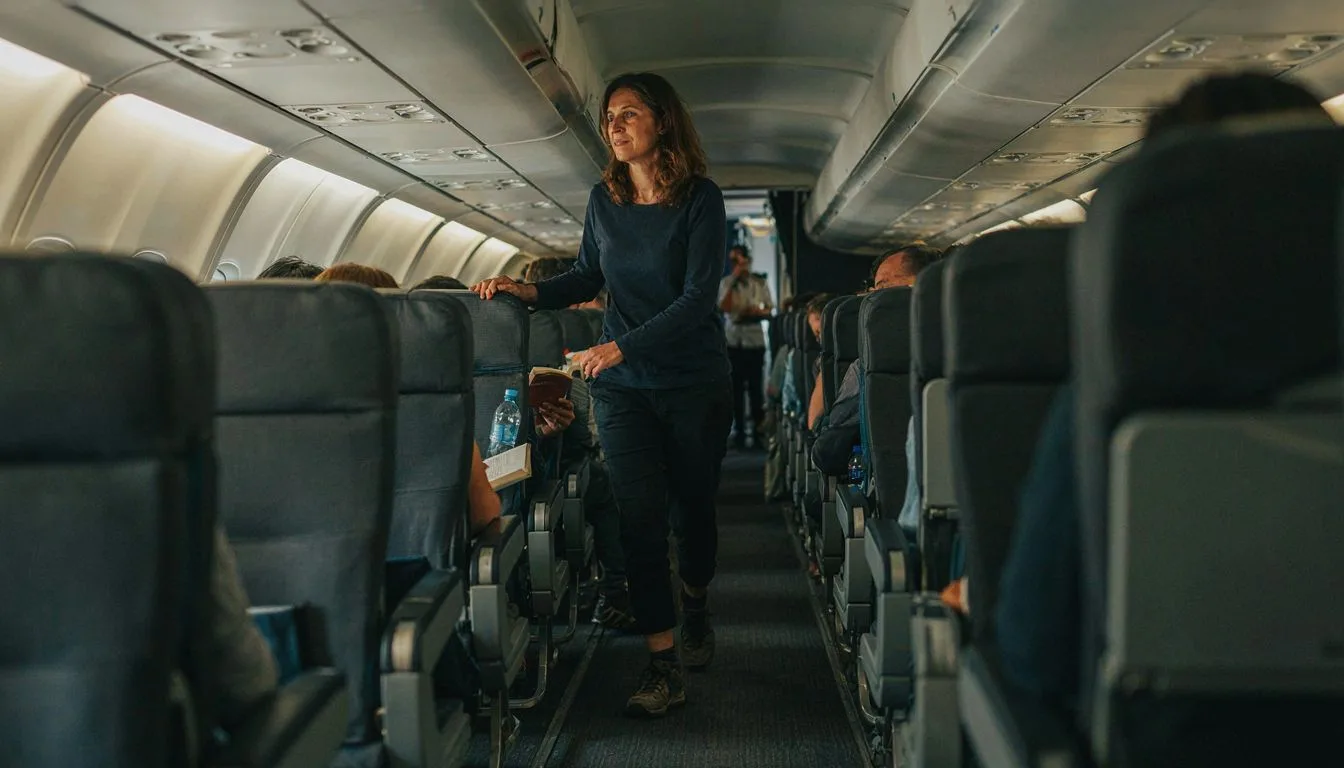
Long-haul flights pose a unique challenge after bariatric surgery because your body is still in a heightened clotting-risk state during the first few weeks of recovery. The single most important habit to adopt is regular movement: stand up and walk the aisle every 60 to 90 minutes, and when seated, do simple calf pumps and ankle circles every half hour. These small actions keep blood circulating through your legs, where most post-surgical clots form.
Compression stockings, which your Turkish surgical team will likely recommend before discharge, add another layer of protection on a 10 to 12 hour journey back to the States. Wear them from the moment you board until you land, and stay well hydrated with small, frequent sips of water — dehydration thickens the blood and worsens both clot risk and post-operative fatigue. Skip alcohol and coffee during the flight, as both contribute to fluid loss.
Discomfort management is equally practical. Bring a small lumbar pillow to support your incision sites, request a seatbelt extender if needed, and keep your prescribed pain medication in your carry-on so you can stay ahead of soreness rather than chase it. Choose aisle seats when possible so walks don’t require negotiating with seatmates. Landing with your legs rested, your incisions supported, and your circulation moving makes that final stretch of your medical journey far more comfortable.
Essential Documents and Medical Records to Carry When Traveling Home
The paperwork you bring home matters just as much as the surgery itself. Before leaving Turkey, ask your hospital for a complete set of discharge documents and medical records, translated into English if needed. These records become your medical history in the United States, and any future doctor, emergency room, or insurance provider will rely on them.
At minimum, you should carry your operative report describing the gastric bypass technique used, discharge summary, pathology results if a sample was taken, and a letter from your surgeon confirming you were fit to travel. Keep the fit-to-fly certificate in your hand luggage, since airline staff may ask for it at check-in or boarding.
Prescriptions deserve special attention. Bring all medications in their original, labeled packaging, along with a written prescription or doctor’s note explaining what each one is for. Bariatric patients often travel with supplements such as multivitamins, calcium, or B12 injections, so document those as well. Carry medications in your cabin bag, never in checked luggage, in case of delays.
It’s also wise to keep digital copies of everything scanned and stored on your phone or email. Paper can be lost, but a backup ensures your post-op care in the USA continues smoothly from the moment you land.
FAQs
How soon after gastric bypass surgery in Turkey can I safely fly back to the USA?
Most patients can safely fly back to the USA about 7 to 10 days after gastric bypass surgery in Turkey, once the surgeon confirms at a follow-up check that recovery is progressing well. Flying too early increases the risk of complications such as blood clots, so surgeons typically recommend waiting at least one week. Before your flight, follow your surgeon's advice on staying hydrated, moving around during the flight, and possibly wearing compression stockings. Always get clearance from your surgical team before booking your return flight.
What should I do during the long-haul flight to reduce the risk of blood clots?
During a long-haul flight, move your ankles and knees regularly, walk up and down the aisle every hour or two when possible, and stay hydrated with water. Wearing loose, comfortable clothing and avoiding alcohol and sedatives that keep you immobile also helps. If you have a higher risk of blood clots, ask your doctor before flying about compression stockings or other preventive measures.
Can I request a doctors fit-to-fly letter from my Turkish hospital for airline check-in?
Yes, Turkish hospitals can issue a fit-to-fly letter, typically through your treating physician after a brief examination. Request it from the doctor managing your condition, ideally a few days before travel, and expect a fee for the medical report. The letter should be issued close to your departure date since most airlines require it to be dated within a few days of the flight, so check your airline's specific requirements before your appointment.