Thinking about a Brazilian butt lift in Istanbul but not sure where to start? An increasing number of Canadian patients are researching BBL surgery abroad, and Turkey keeps appearing at the top of their search results. But attractive prices alone don’t answer the real questions: What does the process actually look like? Who is a good candidate? How do you pick a surgeon you can trust?
This guide is written specifically for Canadians considering a BBL in Istanbul. It covers the full picture: costs, the step-by-step patient journey, candidacy criteria, how to vet surgeons and clinics, recovery expectations, and travel logistics. What it doesn’t do is endorse any specific clinic or quote a fixed price — those decisions stay yours. Let’s get into it.
Why Canadian Patients Choose Istanbul for Brazilian Butt Lift Surgery
The biggest reason Canadians book a Brazilian butt lift in Istanbul comes down to simple arithmetic: the price differential. A BBL in Canada routinely costs two to three times what an equivalent package does in Turkey, and when the procedure isn’t covered by provincial health plans, that gap becomes the deciding factor for many patients.
But cost alone doesn’t explain Istanbul’s pull. The city hosts an enormous volume of cosmetic surgery activity, which has produced a dense network of clinics that focus exclusively on aesthetic procedures like fat transfer and body contouring. This concentration supports entire ecosystems — dedicated patient coordinators, translators, and hotels that cater to international patients — that a typical Canadian private clinic simply doesn’t offer.
The structural driver most specific to Turkey is the all-inclusive package model. Turkish clinics commonly bundle the surgery, anesthesia, hospital fees, compression garments, medications, airport transfers, and a multi-night hotel stay into one quoted price. In Canada, each of these elements is billed separately, if offered at all.
These practical factors — pricing, clinic density, and bundled logistics — form the foundation of Istanbul’s appeal, and the exact numbers behind them are worth examining closely before you commit.
How Much Does a BBL Cost in Istanbul Compared to Canada?

Let’s talk numbers, because this is usually the deciding factor. A Brazilian butt lift in Toronto or Vancouver typically runs between $15,000 and $20,000 CAD, and that figure usually covers the surgery alone. In Istanbul, an all-inclusive package quote generally lands between $4,500 and $8,000 USD, and it bundles far more than the operating room.
Here’s what those Turkish package prices typically include: the surgeon’s fee, anaesthesia, hospital and operating theatre costs, pre-operative tests, compression garments, a multi-night hotel stay, and private transfers between the airport, hotel, and clinic. In Canada, each of those items tends to be billed separately — if it’s available at all.
| Cost Component | Istanbul (USD, indicative) | Canada (CAD, indicative) |
|---|---|---|
| Surgeon’s fee & anaesthesia | Included in package | $12,000–$16,000 |
| Hospital & pre-op testing | Included in package | $1,500–$3,000 |
| Hotel, transfers, garments | Often included | Not typically offered |
| Flights & visa | Usually excluded | Not applicable |
| Companion expenses | Usually excluded | N/A |
Keep in mind all figures above are indicative and vary by surgeon, clinic, and season — always request a current, itemised quote directly. Beyond the package price, budget separately for return flights, the Turkish e-visa, any extra nights if your recovery runs long, and medications or lymphatic massage sessions after you fly home. Planning for these extras from the start keeps your total spend honest and stress-free.
Brazilian butt lift Istanbul Canadian patients: what to expect from consultation to surgery day
Your journey begins long before you board the plane. Most patients start with a remote consultation: you submit photos from a few standard angles, fill out a medical history form, and share any relevant lab results or medications. Within a few days, the clinic typically returns a preliminary assessment and an itemized quote. This stage is your first real filter — a reputable clinic will ask detailed questions about your weight stability, smoking habits, and surgical history before promising anything.
Once you arrive in Istanbul, the in-person assessment becomes the deciding step. The surgeon examines your fat donor areas and skin quality, confirms how much volume is realistic, and finalizes the surgical plan. Expect blood work, an ECG, and a chest X-ray, usually completed in a single morning. If anything raises a red flag, a good surgeon will adjust the plan or decline to operate — take that seriously rather than as an inconvenience.
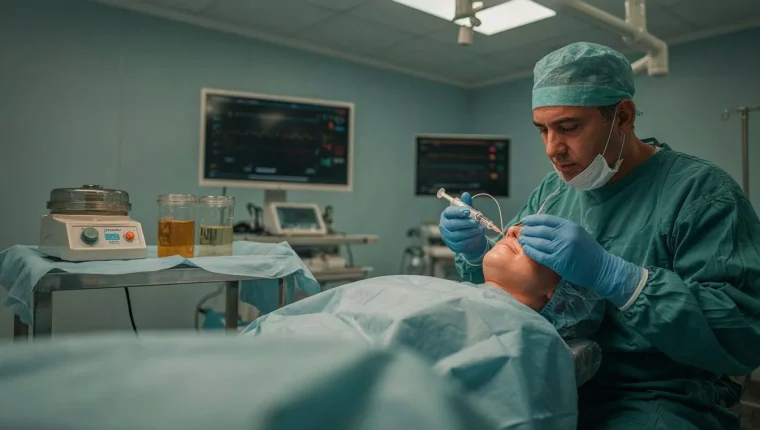
Surgery day itself runs smoothly when you know the rhythm. You’ll be marked while standing, placed under general anesthesia, and the procedure typically lasts three to four hours depending on how many areas are liposuctioned. You wake up in a recovery room wearing your compression garment, and most clinics keep you overnight for monitoring with pain management and your first post-op check.
Come prepared: a valid passport, your medical history documents, a list of current medications, and recent lab results if you have them. Patients who organize these in advance move through admission far faster — and save their energy for the recovery period ahead.
Qualifying for Surgery: Candidacy Requirements and Pre-Operative Assessment
Not everyone who wants a BBL gets one right away — and that’s a good thing. Surgeons in Istanbul apply the same medical standards you’d find in Canada, because patient candidacy determines both your safety and the quality of your results. Before any clinic confirms your surgery date, they’ll assess whether your body, health status, and expectations actually align with what the procedure can deliver. Understanding these criteria before you fly helps you self-assess honestly and avoid booking a trip that gets cancelled at the last minute.
Most surgeons evaluate candidates against a fairly consistent set of requirements:
- Stable weight: You should be at a weight you can maintain, since significant fluctuations after surgery can change your results. Most surgeons prefer candidates within or near a healthy BMI range.
- Sufficient donor fat: The procedure relies on harvesting fat from areas like your abdomen, flanks, or thighs. Very lean patients may not have enough fat to achieve the desired volume.
- Health: Uncontrolled conditions such as diabetes, high blood pressure, or heart disease typically need to be managed and cleared before surgery.
- Non-smoking status: Smoking seriously compromises fat survival and wound healing. Most clinics require you to quit at least four to six weeks before and after surgery.
- Realistic expectations: Candidates who understand the limits of fat transfer — including that some of the transferred fat is naturally reabsorbed — tend to be better surgical candidates.
Once a clinic tentatively accepts you, the pre-operative workup usually includes blood tests (complete blood count, clotting profile, blood sugar), sometimes an ECG for anesthesia clearance, and a detailed review of your medical history and current medications. If you’re on blood thinners or hormonal medications, your surgeon will give specific instructions about pausing them. Keep in mind that remote assessments are preliminary — the operating surgeon makes the final call after examining you in person, and occasionally a planned procedure is adjusted or postponed based on what that examination reveals.
Selecting a Qualified Surgeon and Accredited Clinic in Turkey
Vetting your provider is the single most important decision in this entire process, and it deserves more scrutiny than the price tag. Turkey has many excellent, internationally trained plastic surgeons — but it also has marketing-driven operations that prioritize volume over safety. Your job is to separate the two before you send a deposit.
Start by confirming that your surgeon holds a specialty in plastic and reconstructive surgery, which is the recognized board qualification for BBL procedures in Turkey. Be aware that some practitioners performing cosmetic surgery come from other medical backgrounds, so ask directly and verify the credential, not just the title on a website.
Use this checklist when evaluating any clinic:
- Board certification: Ask for the surgeon’s registration with the Turkish Medical Association and confirm their specialty training in plastic and reconstructive surgery.
- Facility accreditation: Ask whether the surgery takes place in a fully licensed hospital or an accredited private clinic, and who holds responsibility if complications arise overnight.
- Transparent consultation: A reputable surgeon will offer a real video consultation and review your photos and medical history personally — not a sales representative.
- Written aftercare plan: You should receive clear documentation on follow-up appointments, garment use, and emergency contact protocols before you book.
- Verifiable results: Request unedited before-and-after photos of actual patients, ideally including cases with your body type, and cross-check reviews on independent platforms rather than the clinic’s own site.
Treat pressure selling as an immediate red flag. Limited-time discounts, demands for full payment upfront, or vague answers about who performs the procedure — the surgeon or an assistant — are all reasons to walk away. A well-run clinic will welcome your questions, give you time to decide, and put every commitment in writing before asking for a deposit.
Recovery Timeline and Aftercare During Your Stay in Istanbul
The first 48 to 72 hours after surgery are the most intense. Expect soreness, significant swelling, and possibly small drainage points where excess fluid escapes — this is normal. Your surgeon will fit you with a compression garment, which you’ll wear nearly around the clock to control swelling and help your skin adhere to its new contours. The single most important rule: no sitting or lying directly on your buttocks. Clinics typically provide a special BBL pillow so you can lean forward when you must sit briefly.
During your first week, most Istanbul clinics schedule two or three follow-up appointments. Your surgeon checks incision sites, monitors swelling, drains any fluid if needed, and confirms you’re healing well before clearing you for travel. These visits are almost always included in your package, so take full advantage of them while you’re on site.
Once you’re home in Canada, the restrictions continue. Most surgeons require avoiding direct pressure on the buttocks for six to eight weeks, sleeping on your stomach or side, and delaying strenuous exercise until you’re cleared, often around eight weeks. Many clinics offer remote follow-up through video calls or messaging apps to monitor your progress.
Know the warning signs that warrant immediate contact: fever above 38°C, worsening pain rather than gradual improvement, spreading redness, foul-smelling discharge, shortness of breath, or calf pain. Reputable clinics give you a direct contact line and written instructions on what to do and where to seek local care if needed.
Travel Logistics: Flights, Accommodation, and How Long to Stay in Turkey
Once your surgery date is confirmed, booking the trip becomes the priority. Most clinics recommend that Canadian patients plan a total stay of 7 to 10 days in Turkey — long enough to cover pre-operative testing, the procedure itself, and the first critical phase of healing before you fly home.
Accommodation matters more than you might think. Choose a hotel close to the clinic, ideally within a short drive, since you’ll attend multiple post-operative check-ups. Many international patient coordinators suggest rooms with extra space so a companion can stay with you, which is genuinely helpful during the first days when moving around is uncomfortable.
Most clinics simplify the logistics. Airport transfers, transportation between your hotel and the clinic, and interpreter support are typically bundled into the package, so you rarely need to navigate the city alone.
Finally, book refundable or changeable flights when possible. Surgery schedules occasionally shift by a day, and flexible tickets protect you from unnecessary rebooking fees if your clinic adjusts the timeline.
FAQs
How much does a Brazilian butt lift in Istanbul cost compared to prices in Canada?
A Brazilian butt lift in Istanbul typically costs between $3,500 and $6,000, while the same procedure in Canada generally ranges from $8,000 to $15,000 or more. This means patients can often save 50% to 70% by choosing Istanbul, even after adding flights and accommodation. The lower price reflects Turkey's lower operating and labor costs rather than reduced quality, as many Istanbul clinics are internationally accredited and surgeons perform high volumes of these procedures.
Is it safe for Canadian patients to travel to Istanbul for BBL surgery, and how are clinics accredited?
Yes, many Canadian patients travel safely to Istanbul for BBL surgery each year, and the city is one of the world's leading destinations for cosmetic procedures. Reputable clinics are accredited by the Turkish Ministry of Health, which licenses and regularly inspects medical facilities, and many hold international certifications such as JCI accreditation. To ensure safety, verify the surgeon is board-certified in plastic surgery, confirm the clinic's accreditation status, and review patient testimonials before booking. Choosing an established clinic with experienced surgeons significantly reduces the risks associated with BBL surgery.
How long should I stay in Istanbul after my Brazilian butt lift before flying back to Canada?
Plan to stay in Istanbul for about 10 to 14 days after your Brazilian butt lift before flying back to Canada. Most surgeons require you to attend a follow-up check around day 7 to 10 to confirm you are healing well, remove any drains, and clear you for travel. Long-haul flights increase the risk of blood clots, so your surgeon may recommend waiting at least two weeks and taking precautions such as walking regularly, staying hydrated, and wearing compression stockings during the flight. Avoid sitting directly pressure on your buttocks for prolonged periods by using a BBL pillow during travel.