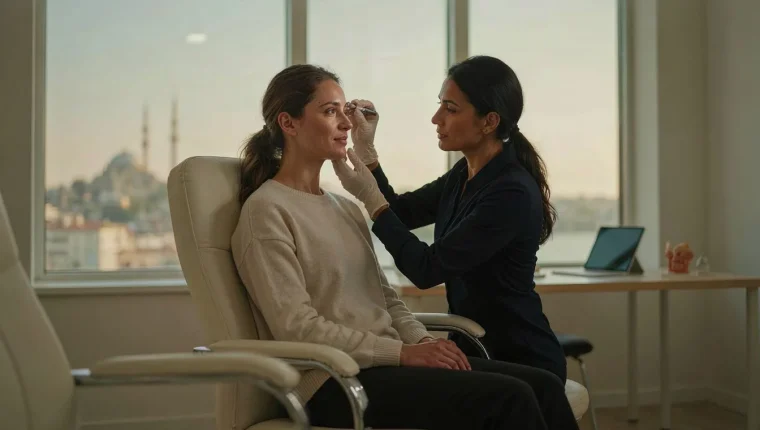
More US patients are researching Istanbul as a destination for eyebrow transplants, but reliable, practical information can be hard to find. This guide is for Americans considering the procedure abroad who want a clear picture before committing. This guide covers how the procedure works, how to choose a clinic, what the trip involves, and what costs and recovery realistically look like. This guide isn’t a medical consultation; final decisions belong with a qualified surgeon who has examined you personally.
Why US Patients Choose Istanbul for Eyebrow Transplants

Istanbul has become one of the world’s busiest hubs for hair restoration, and eyebrows are a natural extension of that expertise. The city hosts a high daily volume of procedures, which means surgeons and their teams refine their technique through constant repetition. For US patients, this translates into access to clinicians who perform eyebrow work far more frequently than many domestic practices do.
The second driver is economics. Even after adding flights and a hotel stay, the total cost of treatment in Istanbul often comes in well below comparable work in the United States, largely because of lower operating costs and a competitive, volume-based market.
Finally, Istanbul clinics have built their model around international visitors. Most offer packages that bundle the procedure with airport transfers, accommodation, and follow-up support, making a short treatment trip practical. The detailed price breakdown appears later in this guide, but the structural advantages are clear: established hair restoration infrastructure, favorable pricing, and logistics designed for travelers.
How the Eyebrow Transplant Procedure Works Step by Step
An eyebrow transplant in Istanbul follows the same clinical sequence you would find in a reputable US practice, usually compressed into a single well-organized day. It begins with a detailed consultation where the surgeon maps your eyebrow shape, taking facial proportions and your aesthetic goals into account. This eyebrow design and mapping stage is the most important part of the process, because the drawn outline determines how many grafts you need and where each one will sit.
On the day of surgery, donor hair is extracted from the back of the scalp using FUE (follicular unit extraction), a technique that leaves tiny, barely visible marks. Most cases require between 200 and 400 grafts per eyebrow.
The placement itself is where artistry matters most. Each graft is inserted at a precise angle and direction so the hairs grow naturally outward and flat against the skin, mimicking real eyebrow growth patterns rather than sticking up like scalp hair.
The whole procedure typically takes four to six hours under local anesthesia, and you’ll be awake, comfortable, and able to head back to your hotel afterward.
Choosing the Right Clinic and Surgeon for Your Hair Restoration
Vetting a clinic properly is the single most important step in your entire hair restoration journey, because the difference between a skilled provider and an aggressive marketer shows up on your face permanently. Turkey’s market includes world-class surgeons alongside high-volume operations that prioritize turnover over artistry, so a structured vetting framework protects both your money and your brows. The checklist below walks you through the core criteria to evaluate before committing to any provider.
- Surgeon credentials and involvement: Confirm the doctor’s board certification and whether they personally perform the extraction and placement, or only supervise technicians. Ask directly who will hold the tools during your procedure.
- Specialization in eyebrows: Facial work demands finer graft placement and correct angling compared to scalp procedures, so review the surgeon’s specific experience with eyebrow cases, not just hairline results.
- Portfolio quality: Look for consistent, angled before/after photos of real eyebrow patients over 6–12 months, ideally with close-ups that show natural direction of growth.
- Verifiable reviews: Cross-check testimonials on independent platforms and patient forums rather than relying only on the clinic’s own website.
- Transparent pricing: A written, itemized quote should detail graft count, medications, and follow-up care without hidden extras.
Be equally alert to red flags. Clinics that guarantee density results, push you to book within 24 hours, or avoid video consultations before payment are signaling priorities that have nothing to do with your outcome. A reputable clinic will welcome your questions, share realistic expectations, and never pressure a decision that involves your face. Taking the time to apply this framework carefully is the best investment you can make toward a safe, natural-looking result.
Travel, Accommodation, and Aftercare Planning for Your Trip

Planning your travel around the procedure matters just as much as choosing the clinic itself. Most Istanbul clinics schedule the full process—consultation, eyebrow design and mapping, extraction, and implantation—across two to three days, so US patients should plan a minimum stay of four to five days in the city. Flying home too early increases the risk of disturbing the delicate implanted grafts, and you want to be physically present if the surgical team needs to check your grafting on day two or three.
- Flight timing: Book your return at least 72 hours after implantation, and choose an aisle seat so you can avoid pressure on the brow area when resting.
- Accommodation: Many clinics arrange hotel packages within minutes of the facility; confirm whether transfers between the airport, hotel, and clinic are included.
- Patient-support services: Most established clinics provide a dedicated coordinator who handles scheduling, interprets if needed, and remains reachable after you return home—verify exactly what your clinic offers before booking.
- Aftercare kit: Expect to leave with prescribed antibiotics, saline spray, and written washing instructions for the healing brow zone.
- Follow-up planning: Ask how the clinic handles remote check-ins—reputable teams typically review photos you submit at set intervals.
Once you are back in the US, follow the washing and moisturizing routine exactly as instructed, avoid touching or rubbing the area, and shield your brows from direct sun during the first weeks. Mild swelling and tiny scabs are normal early on, but the day-by-day healing stages and when transplanted hairs shed and regrow belong to the next section.
Costs, Recovery Timeline, and Expected Results for Eyebrow Transplant in Istanbul
Cost is often the deciding factor for US patients considering an eyebrow transplant abroad. In Istanbul, procedures typically range from $1,500 to $3,500, compared to $4,000–$8,000 or more in the United States. Most packages include the surgeon’s fee, local anesthesia, medications, an aftercare kit, and follow-up support. Prices vary by clinic, graft count, and surgeon involvement, so always verify current pricing directly rather than relying on quoted figures.
Recovery follows a predictable pattern. Tiny scabs form within the first week, and most transplanted hairs shed between weeks two and six — a normal phase that alarms many first-time patients. True regrowth usually begins around month three, with meaningful density visible by month six and final results settling between nine and twelve months.
| Phase | Approximate Timing | What to Expect |
|---|---|---|
| Initial healing | Days 1–10 | Mild redness, small scabs; avoid touching the area |
| Shedding phase | Weeks 2–6 | Transplanted hairs fall out — this is normal, not failure |
| Early regrowth | Months 3–5 | Fine new hairs emerge and begin to thicken |
| Maturation | Months 6–12 | Full density and natural appearance develop |
Because transplanted follicles are typically taken from the scalp, the new eyebrow hairs keep scalp characteristics and may need periodic trimming to maintain shape. Realistic expectations matter: a good result restores natural-looking density, but it won’t exceed what your existing eyebrow structure can support. A skilled surgeon designs within those limits, which is why the mapping and design stage discussed earlier directly shapes your final outcome.
FAQs
How much does an eyebrow transplant in Istanbul cost compared to the US?
An eyebrow transplant in Istanbul typically costs between $1,500 and $3,000, while the same procedure in the US generally ranges from $4,000 to $8,000 or more. This means patients can often save 50–70% by choosing Istanbul, even after factoring in travel and accommodation expenses. The lower price reflects Turkey's lower operating costs rather than reduced quality, as many Istanbul clinics are internationally accredited and use similar techniques to US practices.
How long should US patients stay in Istanbul after the procedure?
US patients should typically stay in Istanbul for 5 to 7 days after most procedures such as hair transplants, dental work, or cosmetic surgery. This allows time for the initial healing, a follow-up check with the surgeon, and clearance for flying. Your specific procedure and recovery may require a shorter or longer stay, so confirm the recommended duration with your clinic when planning your trip.
Is the transplanted hair permanent, and will it match my natural eyebrow hair?
Yes, transplanted eyebrow hair is permanent because the follicles are typically taken from the back of the scalp, where hair is genetically resistant to falling out. Surgeons select donor hairs that closely match your natural eyebrow hair in thickness, color, and texture, so the results generally blend in well once grown. Keep in mind that transplanted hairs may initially grow faster than natural eyebrow hair and require occasional trimming, and final results usually appear within 6 to 12 months.