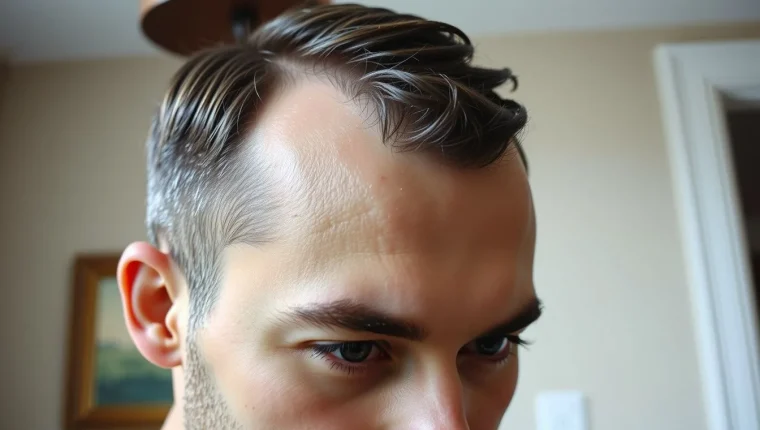
Can vitamins for hair loss reduce shedding or support thicker hair? Nutrition may play a role when hair thinning is linked to a genuine nutrient deficiency, but supplements are not a universal solution. Hair loss can also result from genetics, hormonal changes, illness, stress, medications, or scalp conditions. This article focuses on how vitamins and minerals relate to nutrient-related shedding, what realistic results may look like, and why identifying the underlying cause matters before starting a supplement. If thinning persists, worsens, or appears suddenly, professional evaluation may be more useful than hair-growth products alone.
What Causes Hair Loss and When Can Vitamins Help?

Hair loss does not have one universal cause, so vitamins are not automatically the right answer for every type of shedding. Increased hair fall may follow a restrictive diet, rapid weight loss, illness, prolonged stress, or certain medications. In these situations, the growth cycle can be temporarily disrupted, and hair may shed more noticeably several weeks or months after the trigger.
Nutrition is more likely to be relevant when the body lacks a nutrient needed to support normal hair production. A diet low in essential nutrients, poor absorption, or a health condition affecting nutrition can contribute to weaker strands or increased shedding. Correcting a confirmed or strongly suspected gap may support recovery, but taking extra supplements without a nutritional reason is unlikely to restore hair affected by another cause.
Progressive thinning at the crown, a widening part, receding hairline, or a clearly defined patch can suggest hereditary, hormonal, inflammatory, or other medical factors. Vitamins cannot reverse these mechanisms if nutrient status is normal. Family history, hormonal changes, scalp disease, and medication effects may require a different evaluation and treatment approach.
The pattern, timing, and duration of shedding therefore matter as much as the amount of hair being lost. Nutrient deficiency should be considered one possible contributor rather than assumed to be the explanation. Persistent or patterned thinning deserves professional assessment, especially before beginning high-dose supplements.
Key Vitamins for Hair Growth and Stronger Follicles
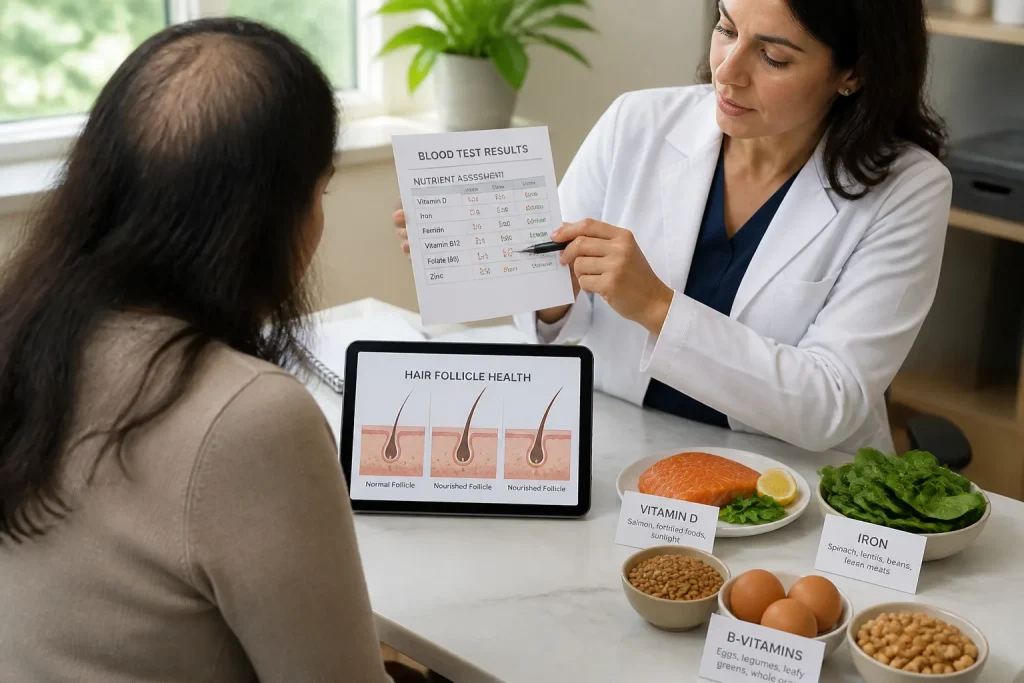
Several nutrients support the biological processes that keep hair follicles active, but their value depends largely on whether your intake or blood levels are inadequate. Correcting a nutrient deficiency may help reduce deficiency-related shedding and support normal regrowth, while taking extra vitamins rarely produces stronger hair in someone who already gets enough.
Vitamin D is involved in normal immune and tissue function, and low levels are sometimes found in people with certain forms of diffuse hair shedding. Iron-related nutrition also matters because iron contributes to oxygen transport and normal cellular activity. Inadequate iron stores may be relevant when shedding occurs alongside fatigue, heavy menstrual bleeding, or a restricted diet, although supplementation should be guided by an appropriate assessment.
B vitamins are often promoted for hair growth. Biotin supports keratin production and normal energy metabolism, but biotin deficiency is uncommon, and high-dose products are unlikely to help if levels are already sufficient. Other B vitamins, including folate and vitamin B12, contribute to cell formation and tissue maintenance, making them relevant when a genuine deficiency is present.
Zinc supports normal cell division, immune function, and tissue repair, all of which are relevant to active follicles. Protein is equally important because hair fibers are largely made from keratin, a protein-based structure. A low-protein diet or inadequate overall nutrition can affect hair density over time. These nutrients may support hair health in specific circumstances, but they are not a universal treatment for genetic thinning, hormonal changes, scalp disease, or other non-nutritional causes of hair loss.
How to Identify a Vitamin Deficiency Linked to Shedding

Some situations make a nutrient shortage more plausible. A highly restrictive diet, very low calorie intake, recent illness, digestive conditions that affect absorption, or medications that interfere with nutrient levels may increase the risk. Heavy menstrual bleeding can also contribute to low iron stores, while rapid weight loss may coincide with increased shedding.
Symptoms alone, however, cannot reliably identify the missing nutrient. Fatigue, pale skin, mouth changes, brittle nails, or numbness may have several possible causes, and hair shedding can result from hormonal changes, stress, illness, genetics, or scalp conditions. Avoid using symptoms as proof that a specific vitamin or mineral is needed.
The most useful next step is a review of your diet, health history, medications, recent illnesses, and the timing and pattern of shedding with a qualified clinician. Depending on that assessment, they may recommend blood tests such as a complete blood count, iron studies, thyroid testing, or targeted vitamin and mineral measurements. Blood testing guided by medical history is more reliable than choosing a supplement based on symptoms alone.
Test results should also be considered alongside the appearance of the hair loss. Diffuse shedding after an illness may have a different explanation from gradual thinning at the hairline or crown. This broader assessment helps distinguish a correctable deficiency from other causes before supplementation is considered.
Choosing Safe Supplements for Hair Loss
Safety should guide the choice of a hair supplement as much as its ingredient list. A targeted product may be appropriate when a confirmed nutritional need exists, while a standard multivitamin or food-first approach may be more suitable when the diet is broadly balanced. Taking several products at once can create unnecessary overlap, especially with nutrients such as vitamin A, vitamin D, iron, zinc, and selenium.
Read the Supplement Facts panel carefully and compare serving sizes with other vitamins, fortified foods, and medications. High-dose formulas are not automatically more effective, and excessive intake can sometimes worsen shedding or cause other health problems. Iron, for example, should generally be used only when testing or a clinician indicates that it is needed. Some ingredients may also interact with medicines or be unsuitable during pregnancy, kidney disease, liver disease, or other medical conditions.
Look for transparent labeling and, where available, independent third-party quality testing. Avoid products that promise guaranteed regrowth, instant results, or dramatic hair restoration. Upper intake limits help distinguish a reasonable dose from one that may increase risk, but individual needs still vary. Allow time for a professional review of symptoms and progress rather than increasing the dose when shedding does not change quickly.
When to Seek Medical Advice for Ongoing Hair Thinning
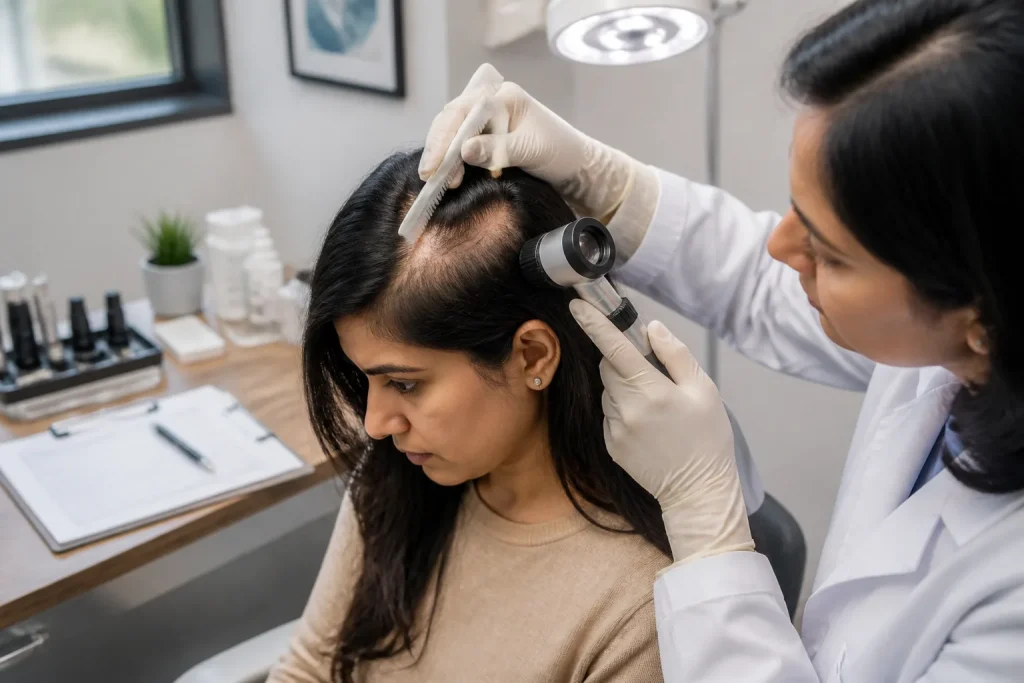
Seek medical advice if thinning is sudden, rapidly worsening, or noticeably different from your usual shedding. Hair loss in distinct patches, along with pain, itching, redness, scaling, swelling, or shiny areas of missing hair, may indicate inflammation or scarring that needs prompt assessment. Do not rely on supplements alone when these signs appear.
Arrange an evaluation if shedding continues for several months, affects the eyebrows or eyelashes, or occurs with fatigue, unexplained weight changes, menstrual irregularities, skin changes, or other new symptoms. Pregnancy, recent illness, major stress, restrictive dieting, medication changes, and a family history of hair disorders can also influence how urgently you should seek care.
A clinician or dermatologist may review your history, examine the scalp and hair follicles, and order targeted tests when appropriate. Early assessment can help distinguish nutritional issues from conditions requiring different treatment and may identify a manageable cause before hair density declines further.
FAQs
Can taking vitamins stop hair loss?
Vitamins may help reduce hair shedding if a deficiency, such as low iron, vitamin D, zinc, or biotin, is contributing to the problem, but they will not stop most types of hair loss. A healthcare professional can identify nutritional deficiencies with appropriate evaluation before recommending supplements, since excessive intake may cause side effects or worsen shedding.
How long do hair vitamins take to work?
Hair vitamins may take three to six months of consistent use before you notice changes in hair growth, shedding, or thickness, because hair grows slowly. Results are most likely if you have a nutrient deficiency; supplements may not help hair loss caused by genetics, hormones, or medical conditions. Choose products with medical guidance, since excessive amounts of certain vitamins can worsen hair loss or cause side effects.
Can too many supplements make hair loss worse?
Yes. Excessive or unbalanced supplements, especially high doses of vitamin A, selenium, or certain minerals, can trigger shedding or worsen hair loss. Supplements help hair growth mainly when they correct a confirmed deficiency, so consult a healthcare professional and consider blood testing before starting or combining products.