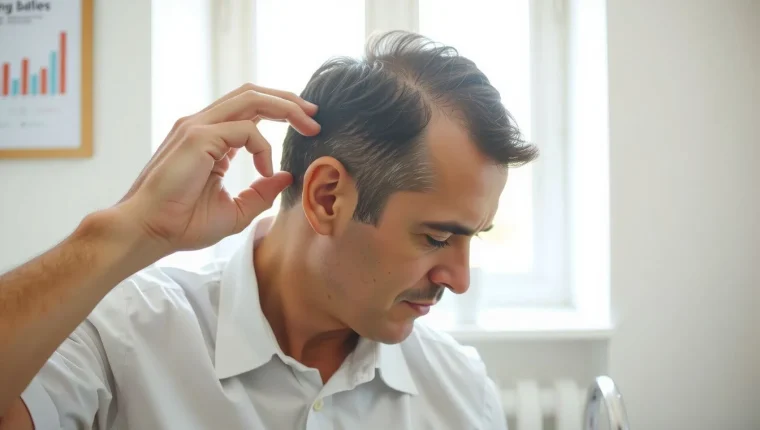
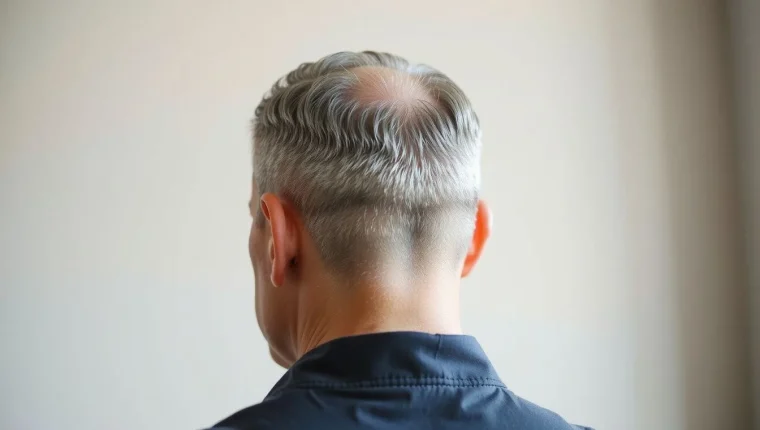
Can excessive exercise cause hair loss? Exercise itself is not usually a direct cause of hair loss, but very demanding training may be linked to increased shedding in some people. The connection often involves factors surrounding exercise, such as under-eating, nutrient deficiencies, physical stress, poor sleep, or inadequate recovery. Temporary shedding can also be confused with progressive hair thinning caused by genetics, hormones, illness, or other conditions. Intense workouts may affect the hair growth cycle; nutrition and recovery matter, and some changes deserve closer attention. Knowing the difference between short-term shedding and ongoing hair loss can help you respond appropriately without unnecessarily stopping healthy physical activity.
Can Exercise Cause Hair Loss?

Regular exercise does not usually damage hair follicles or directly cause permanent hair loss. For most people, moderate activity supports overall health without changing normal hair growth. The concern is more often linked to the conditions surrounding very demanding training, such as inadequate food intake, rapid weight loss, prolonged stress, poor sleep, or insufficient recovery.
The distinction between temporary hair shedding and progressive thinning is especially important. A physical or emotional stressor can disrupt the hair-growth cycle, causing more hairs to enter the resting phase and shed later. This type of shedding may appear diffuse across the scalp rather than as clearly defined bald patches. It can also be delayed, making exercise seem responsible even when another event occurred weeks or months earlier.
Exercise may therefore be associated with increased shedding without being the direct cause. Genetic pattern hair loss, thyroid problems, illness, medication effects, scalp conditions, and hormonal changes can develop independently of a workout routine. Hair loss that follows a distinct pattern, continues despite normal training and nutrition, or affects the scalp unevenly should not automatically be blamed on exercise.
For a clearer answer, consider the full context: training volume, recent dietary changes, body-weight fluctuations, sleep quality, recovery time, and any other health symptoms. These factors help distinguish a temporary response from an unrelated condition affecting hair density.
How Intense Workouts May Trigger Temporary Shedding

Very demanding training can coincide with increased hair shedding when the body is placed under unusual physical strain. A sudden increase in mileage, workout frequency, or intensity may act as a temporary stressor, particularly if hard sessions continue without enough rest. The concern is usually not exercise itself, but the combination of abrupt training changes, sustained exertion, illness, and insufficient recovery.
The timing can make the connection difficult to recognize. Hair does not typically shed immediately after a strenuous workout. A physical stressor may disrupt the normal growth cycle, with noticeable shedding appearing several weeks or even a few months later. This delayed pattern can lead people to overlook a demanding training block as a possible contributor.
This type of reaction is generally telogen effluvium, a form of temporary, diffuse shedding. It may appear as more hair on a pillow, in the shower, or on a brush, with reduced density spread fairly evenly across the scalp. It is different from a sharply defined bald patch, receding hairline, or gradual thinning concentrated at the crown, which may suggest another cause.
Persistent shedding should not automatically be blamed on workouts. Tracking changes in training, recovery, illness, and the timing of hair loss can help a healthcare professional assess the pattern accurately.
The Role of Nutrition and Energy Deficiency in Hair Thinning

Hair follicles need a steady supply of energy and nutrients to maintain normal growth cycles. During demanding training, low energy availability can develop when food intake does not adequately cover exercise and basic bodily needs. Restrictive dieting, skipped meals, or rapid weight loss may place the body under additional strain and can be associated with reduced hair density or increased shedding.
Protein is especially relevant because hair is largely made from keratin, a protein-based structure. Insufficient iron, zinc, vitamin D, vitamin B12, or other nutrients may also be considered when thinning develops, although the significance of each deficiency varies between individuals. These issues can occur in athletes following weight-class diets, endurance training plans, vegetarian or vegan diets without careful planning, or highly restrictive eating patterns.
Low energy availability does not prove that exercise directly caused hair loss, but it can create conditions that disrupt normal hair cycling. A healthcare professional or registered dietitian can review training volume, weight changes, menstrual or other health changes, dietary intake, and relevant medical history before recommending targeted testing.
Taking high-dose supplements without confirming a deficiency is not a reliable solution. Excessive amounts of certain nutrients can cause harm or interfere with other treatments, while supplements may overlook inadequate overall calorie or protein intake. Individualized nutrition guidance can help support training, hair growth, and general health without encouraging unnecessary restriction.
How Hormones, Stress, and Recovery Affect Hair Growth
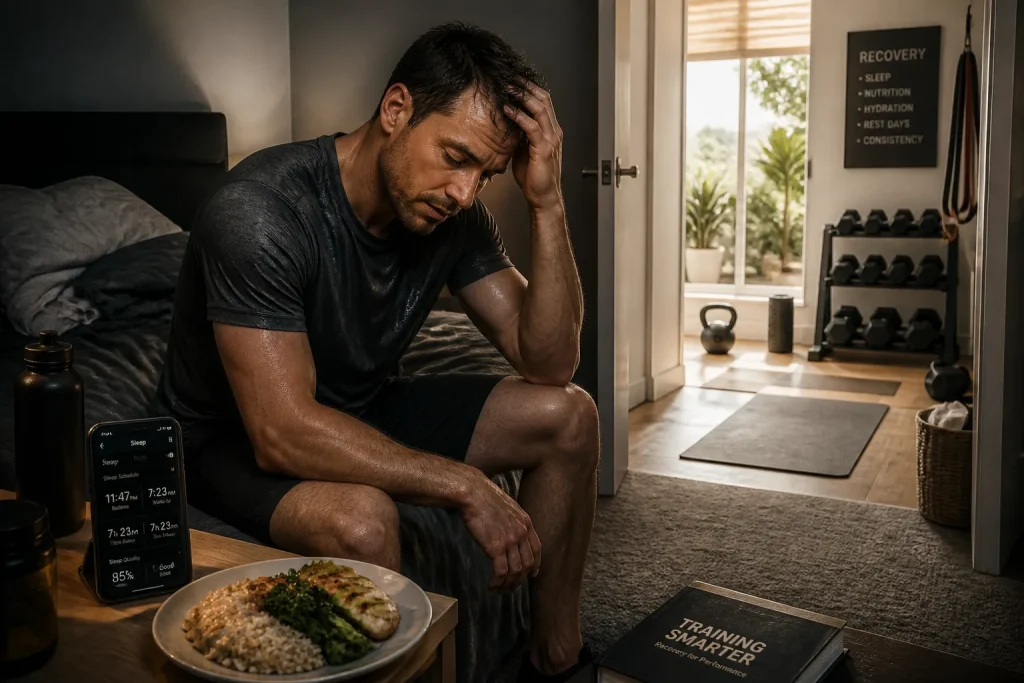
Training places both physical and psychological demands on the body, and hair growth can be affected when those demands remain high without enough recovery. Exercise-related stress may temporarily alter signals involved in the hair cycle, but it should not be viewed as a sole hormonal cause of hair loss. The broader pattern matters: training load, emotional strain, nutrition, sleep, and recovery capacity interact.
Sleep supports tissue repair and helps regulate stress responses. Consistently short or poor-quality sleep, combined with frequent hard sessions and too few rest days, may make it harder for the body to maintain normal follicle activity. Scheduling lighter sessions, taking rest days, and reducing intensity during periods of fatigue can help restore balance. Recovery also includes adequate food and fluids, not simply time away from the gym.
Hormonal balance deserves careful interpretation. Changes related to stress and under-recovery may contribute to diffuse shedding, but inherited sensitivity to androgens, thyroid disorders, medication effects, or other medical conditions can produce similar concerns. A receding hairline, progressive crown thinning, or persistent density loss may therefore need a different explanation than training stress alone. Reviewing exercise, sleep, and recovery habits is sensible, but persistent or patterned changes should be assessed by a qualified healthcare professional.
When Exercise-Related Hair Loss Needs Medical Evaluation
Hair shedding should be medically assessed if it continues beyond a few months, worsens quickly, or becomes noticeably different from general thinning. Patchy hair loss, sharply defined bald spots, scalp pain, itching, scaling, redness, swelling, or pustules may point to an inflammatory, infectious, or autoimmune condition rather than training alone.
A clinician can review changes in workout volume, calorie intake, recent illness, medications, family history, sleep, and hair-care practices. Depending on the pattern, evaluation may include a scalp examination and blood tests for issues such as iron deficiency or thyroid dysfunction. Keep expectations realistic: even after the underlying trigger is corrected, visible regrowth can take several months, and recovery varies according to the diagnosis and the condition of the follicles.
FAQs
Can overtraining make your hair fall out?
Yes, excessive or intense training can contribute to temporary hair shedding, usually indirectly through physical stress, inadequate calorie or protein intake, rapid weight loss, or nutrient deficiencies such as low iron. Hair typically grows back after the underlying cause is addressed, but persistent, sudden, or patchy hair loss may indicate another condition and should be assessed by a healthcare professional.
Can hair grow back after exercise-related shedding?
Yes, hair often grows back after exercise-related shedding if intense training, stress, rapid weight loss, dehydration, or nutritional deficiencies triggered temporary telogen effluvium. Hair growth typically resumes once the underlying cause is corrected, although visible regrowth may take several months. Persistent, worsening, or patchy hair loss should be assessed by a dermatologist to rule out conditions such as androgenetic alopecia or iron deficiency.
What nutrients support healthy hair during intense training?
Protein, iron, zinc, vitamin D, B vitamins, and omega-3 fatty acids help support normal hair follicle function during intense training. Include eggs, fish, lean meat, legumes, leafy greens, nuts, seeds, dairy, and whole grains, while replacing fluids and electrolytes lost through heavy sweating. Avoid high-dose supplements unless a clinician confirms a deficiency, as excessive nutrients can also contribute to hair shedding.