Hair shedding and thinning can become more noticeable during menopause, leaving many women wondering whether their hair density will return. Changes in the growth cycle, aging, stress, nutrition, and scalp health may all play a role, so there is no single solution that works for everyone. This guide explains practical, evidence-aware ways to manage menopause hair loss, protect existing strands, and understand when professional advice may be useful. It focuses on realistic hair care and treatment options rather than guaranteed results, helping you make informed decisions about your hair and overall health.
What Causes Hair Loss During Menopause?
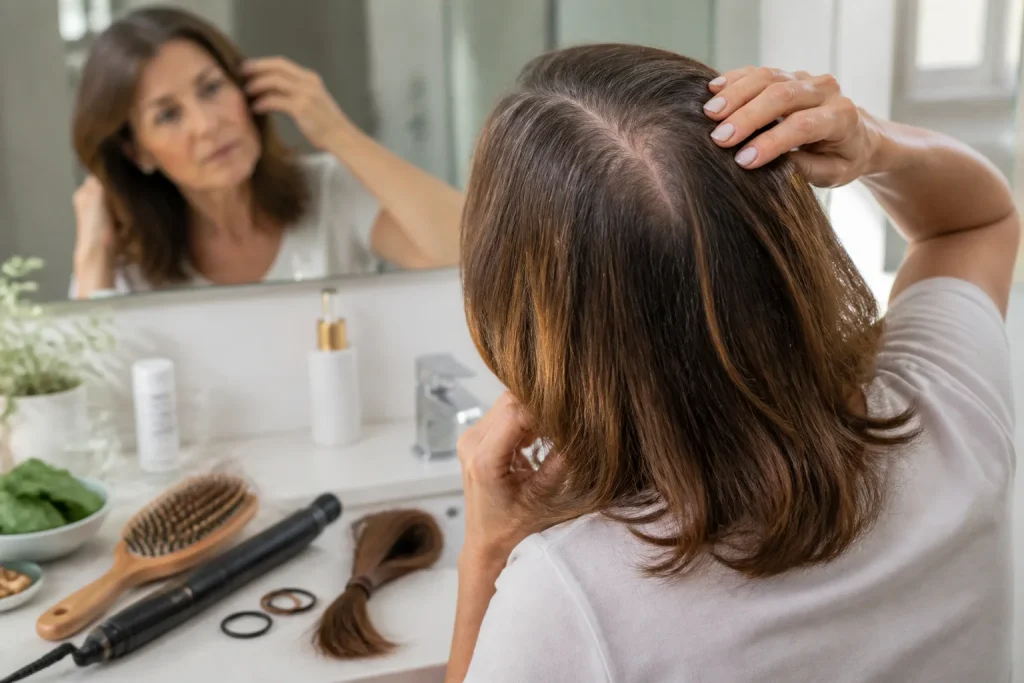
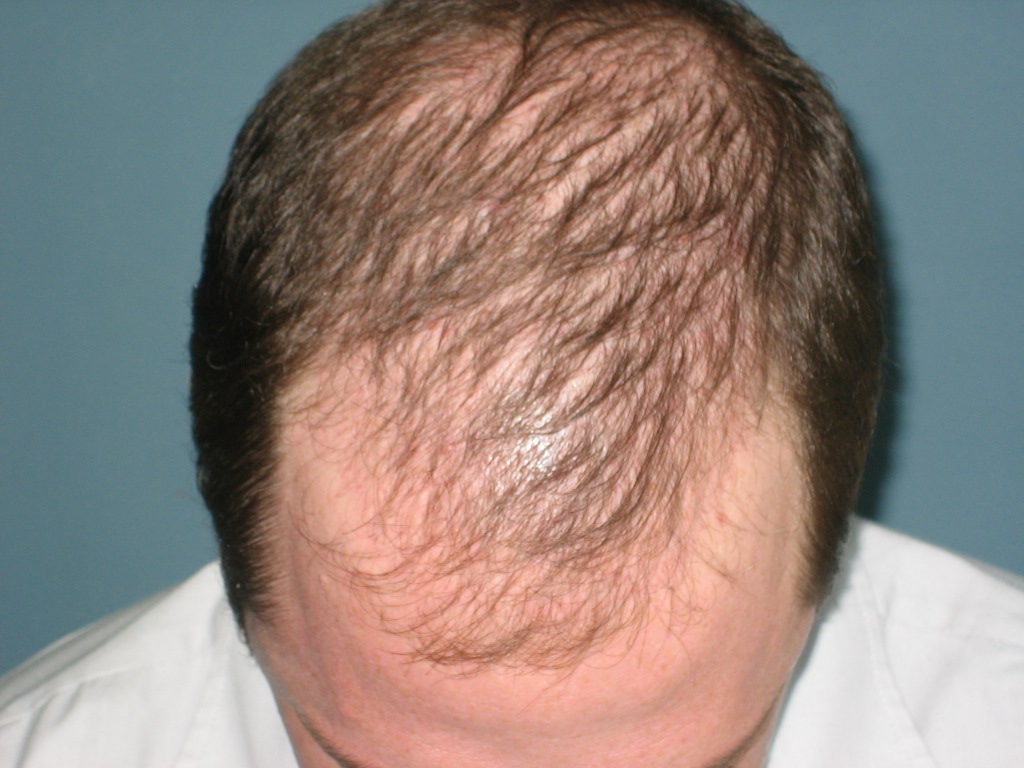
Hair thinning during menopause can have more than one cause. Declining estrogen may make the growth phase of each hair shorter, while changes in androgen activity can affect follicle sensitivity and hair density. These shifts may contribute to gradual, diffuse thinning across the scalp rather than a single bald patch.
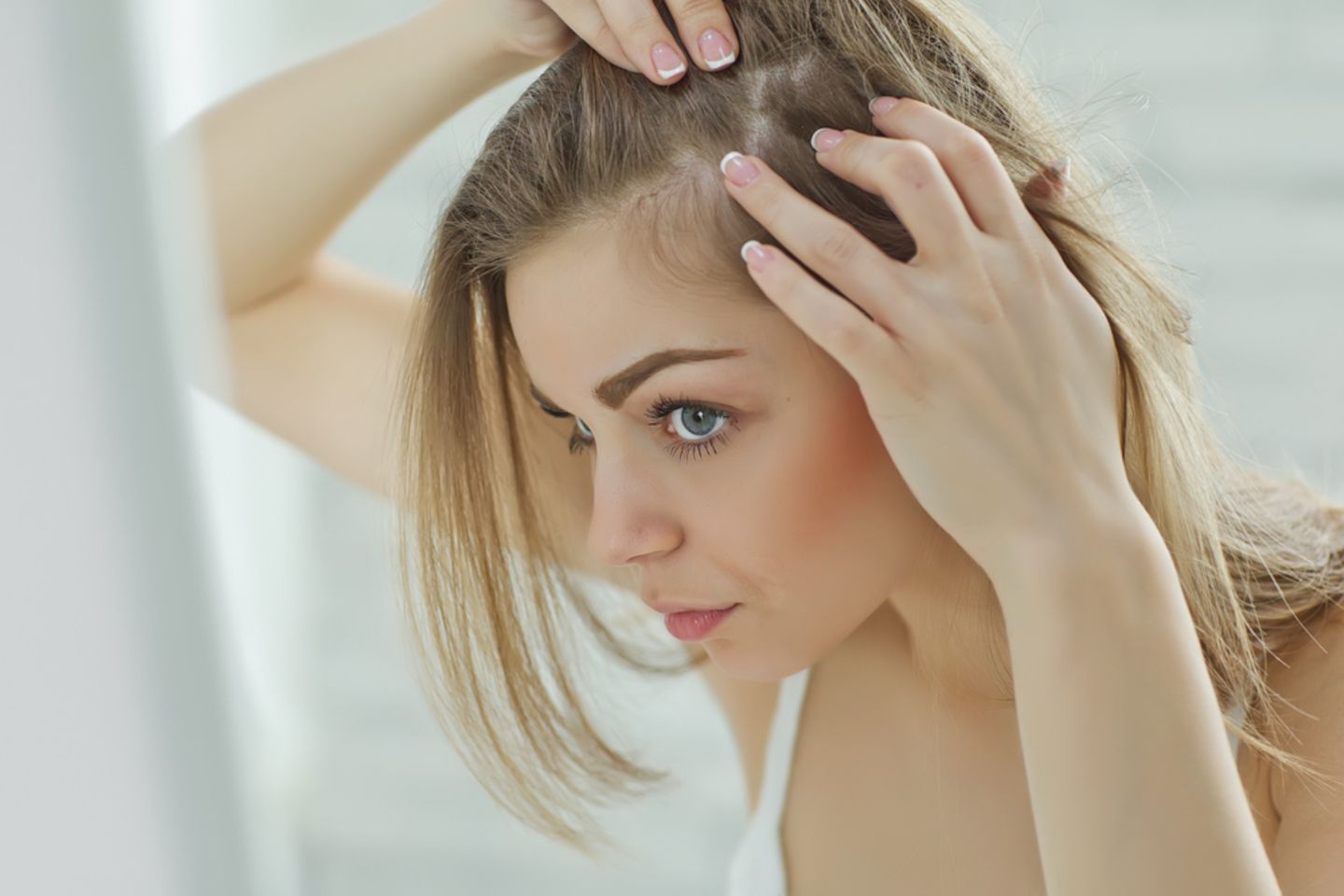
The pattern of shedding can offer useful clues. Widening of the part, a smaller ponytail, or reduced overall volume often suggests generalized thinning. By contrast, sudden loss in defined areas, intense scalp irritation, or rapid shedding may point to another condition that needs assessment. Hair breakage from heat styling, chemical treatments, tight hairstyles, or friction can also make thinning appear worse without causing loss from the follicle itself.
Other factors may overlap with hormonal changes. Thyroid disorders, low iron or protein intake, significant weight loss, illness, prolonged stress, and certain medicines can trigger increased shedding. Some people also experience temporary hair loss several months after a stressful physical or emotional event.
Because these causes can look similar, a clinician may review your health history, medications, diet, and family pattern of thinning, and may order blood tests when appropriate. Identifying the underlying trigger is especially helpful before choosing a treatment, since addressing a nutritional deficiency or thyroid problem differs from managing gradual age-related follicle changes.
How Hormonal Changes Affect Hair Growth and Scalp Health
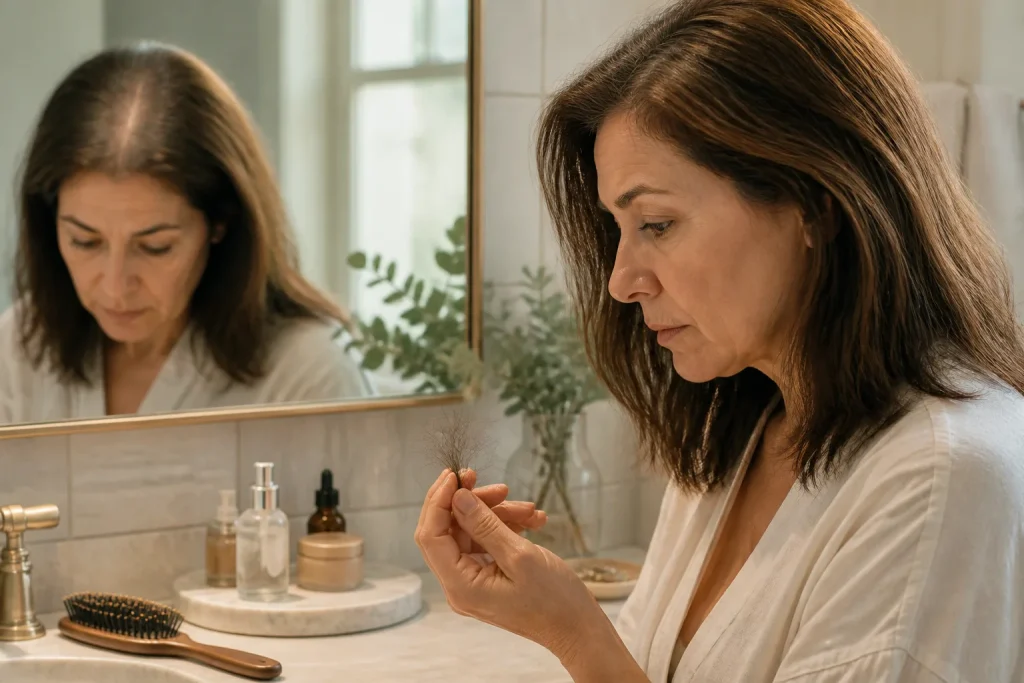
Menopause-related hormone shifts can change how long each hair remains in its active growth phase. As estrogen levels decline, more follicles may move sooner from the anagen phase into the resting telogen phase. This can increase daily shedding, while the replacement hairs may take longer to appear or grow more slowly.
Hormonal changes may also influence follicle miniaturization. Some follicles become more sensitive to circulating androgens, causing individual strands to grow finer and shorter over time. This does not affect everyone in the same way, but it can make the parting look wider or reduce overall hair density, particularly around the crown and front of the scalp.
The scalp environment can change as well. Lower estrogen may contribute to reduced moisture retention, making the skin feel dry, tight, or itchy. In other people, shifts in oil production can leave the scalp greasier or more prone to irritation. Either imbalance may affect comfort and make hair feel rougher or less manageable, although scalp symptoms alone cannot identify the cause of shedding.
These changes describe possible hormonal effects rather than a diagnosis. Persistent thinning, sudden shedding, or visible scalp changes should be assessed by a healthcare professional, who can distinguish hormonal pattern changes from other conditions.
Which Treatments Can Help Manage Menopause Hair Loss?

Treatment depends on the cause, pattern, and severity of the shedding, so a clinician may first review your medical history, scalp, medications, and—when appropriate—blood tests. Once other contributors have been considered, minoxidil may be discussed as a topical option for female-pattern thinning. It can help some people maintain or improve hair density, but results vary, and continued use is generally needed to preserve benefits. Temporary increased shedding, scalp irritation, or unwanted facial hair can occur.
A healthcare professional may consider other prescription treatments in selected patients, particularly when androgen-related thinning is suspected. These medicines are not suitable for everyone and may require attention to blood pressure, other medications, kidney or liver health, and pregnancy potential. They should not be started without individualized medical advice.
Nutritional treatment is most useful when testing confirms a deficiency such as low iron or another clinically relevant problem. Replacing a documented deficiency may support normal growth, but routine high-dose supplements can be ineffective or harmful. Hair-care products, volumizing shampoos, fibers, and scalp concealers can improve the appearance of fullness without changing follicle activity. Gentle styling and protection from breakage are supportive measures rather than treatments for the underlying cause.
Hair restoration procedures, including transplant techniques such as FUE or DHI, may be considered for carefully selected cases with a stable pattern and a suitable donor area. They redistribute existing grafts rather than create new follicles, and visible growth takes time. Any treatment should be judged by realistic expectations: improvement may take several months, maintenance may be necessary, and response cannot be guaranteed.
What Daily Habits Support Stronger, Thicker Hair?
Daily hair care can help preserve the hair you have by limiting breakage and irritation. Wash the scalp gently with a mild shampoo, use conditioner on the lengths, and detangle with a wide-tooth comb, starting at the ends. Avoid vigorous towel rubbing; blotting with a soft towel is less stressful on fragile strands.
Limit frequent heat styling, and use the lowest effective temperature with a heat protectant. Repeated bleaching, relaxing, or coloring can weaken the shaft, while tight ponytails, braids, and extensions may create traction on the follicles. Looser styles and regular breaks from tension can reduce preventable damage.
Adequate protein, iron-containing foods, fruits, vegetables, and healthy fats support normal hair production. Unless a clinician identifies a deficiency, high-dose supplements are not automatically helpful and may cause harm. Sleep, stress management, physical activity, and treatment of ongoing health problems also support general scalp health, although they are not standalone cures.
These habits mainly reduce breakage and protect hair density visually. They cannot reliably reverse hormonal thinning or follicle miniaturization, so persistent changes may still require professional assessment.
When Should You See a Doctor About Hair Shedding?

Hair shedding should be assessed by a healthcare professional when it is sudden, rapidly worsening, or noticeably different from your usual pattern. Prompt evaluation is especially appropriate for smooth patchy areas, scalp pain, itching, redness, swelling, scaling, sores, or signs of inflammation. These features may require a closer examination rather than routine hair-care changes.
Arrange an appointment if thinning continues, becomes visibly patterned, or affects your confidence and daily life. Mention related symptoms such as unusual fatigue, changes in weight, feeling unusually cold, sleep disruption, or other health concerns. A clinician may also need to review your medicines, supplements, recent illness, nutrition, medical history, and the timing of menopause.
Before the visit, note when shedding began, whether it is diffuse or concentrated in one area, and how much hair you notice during washing or brushing. The clinician can examine the scalp and hair follicles and decide whether any tests are appropriate; testing depends on the individual presentation. Sudden or patchy hair loss should not be ignored, particularly when it occurs with scalp symptoms or other unexplained changes.
FAQs
Can menopause-related hair loss grow back?
Menopause-related hair loss may improve, but regrowth depends on factors such as hormonal changes, genetics, nutritional deficiencies, and the condition of the hair follicles. Treating the underlying cause and using options recommended by a dermatologist may help increase hair density, although complete recovery is not guaranteed. Persistent or sudden shedding should be evaluated to rule out thyroid problems, iron deficiency, or other conditions.
Are vitamins helpful for thinning hair during menopause?
Vitamins may help menopausal hair thinning when a deficiency, such as low iron, vitamin D, zinc, or B12, contributes to shedding, but they will not reverse hormone-related hair loss in everyone. A doctor can recommend blood tests before supplementation, since excessive doses may worsen hair loss or cause other health problems. A balanced diet and appropriate treatment for menopausal hormonal changes may support healthier hair growth.
How long does menopause hair loss usually last?
Menopause-related hair loss may last for several years, often continuing while hormonal changes affect the hair growth cycle. Some women notice reduced shedding after menopause stabilizes, while others experience ongoing thinning due to genetics, thyroid problems, nutritional deficiencies, or other causes. See a healthcare professional or dermatologist if hair loss is sudden, severe, patchy, or persistent, as identifying the underlying cause can guide treatment.