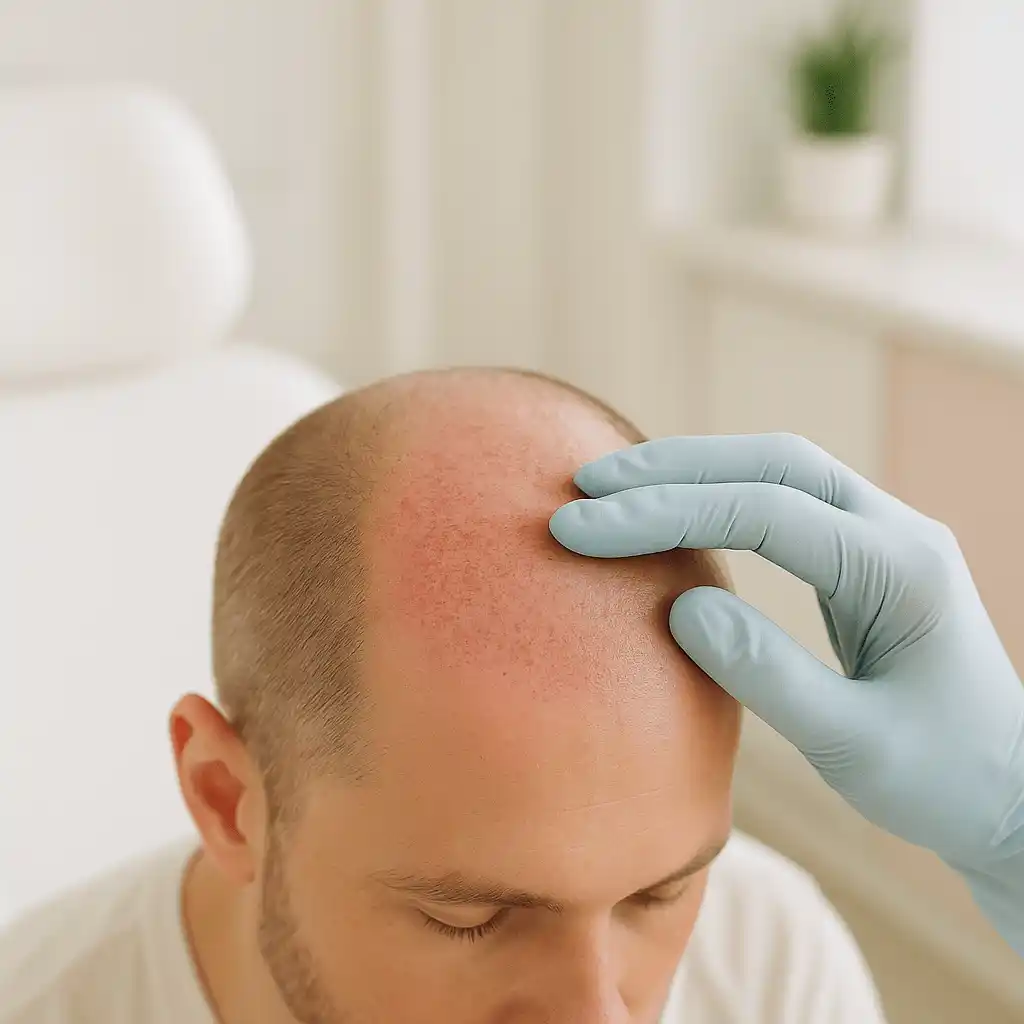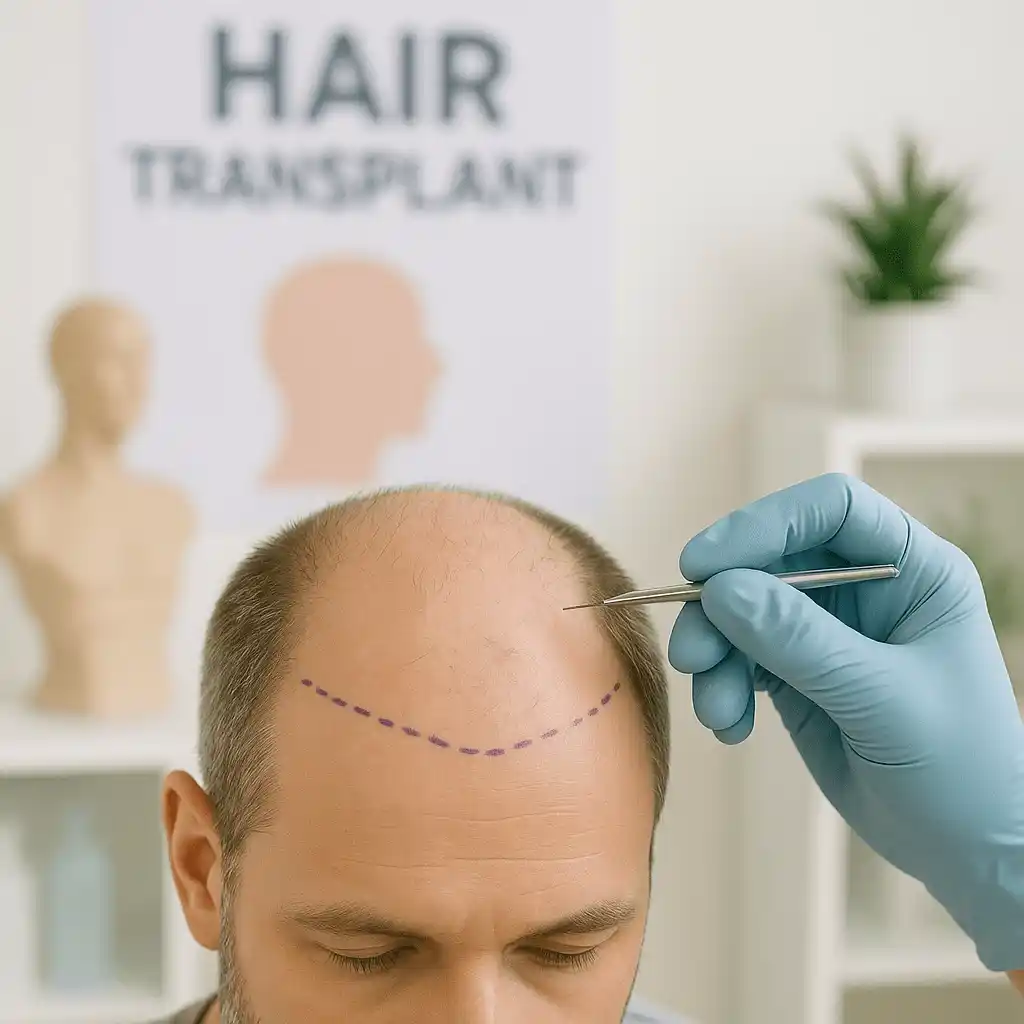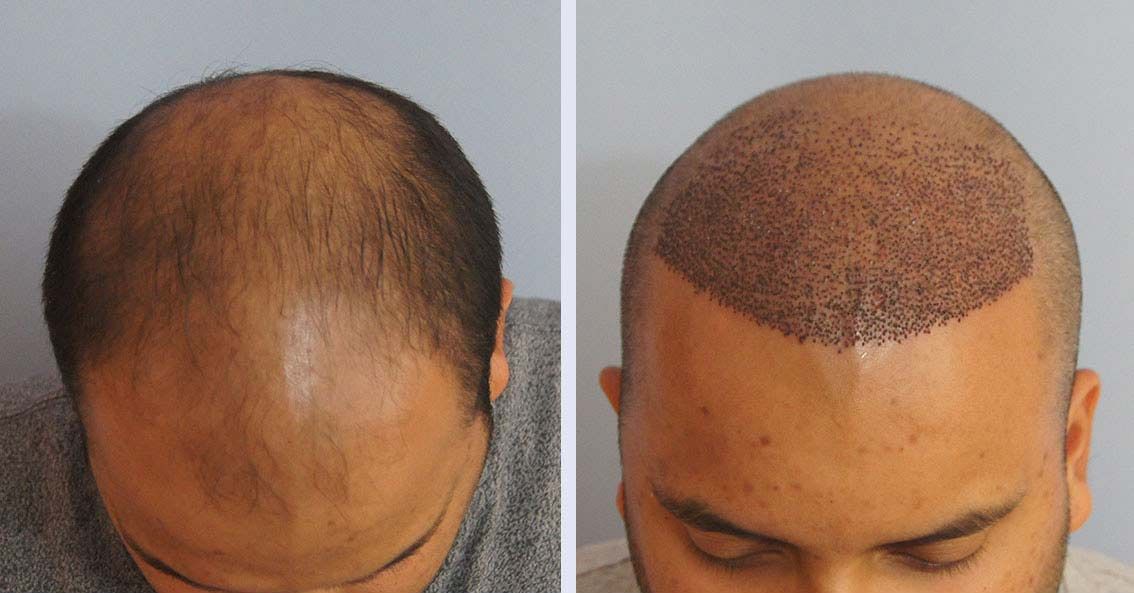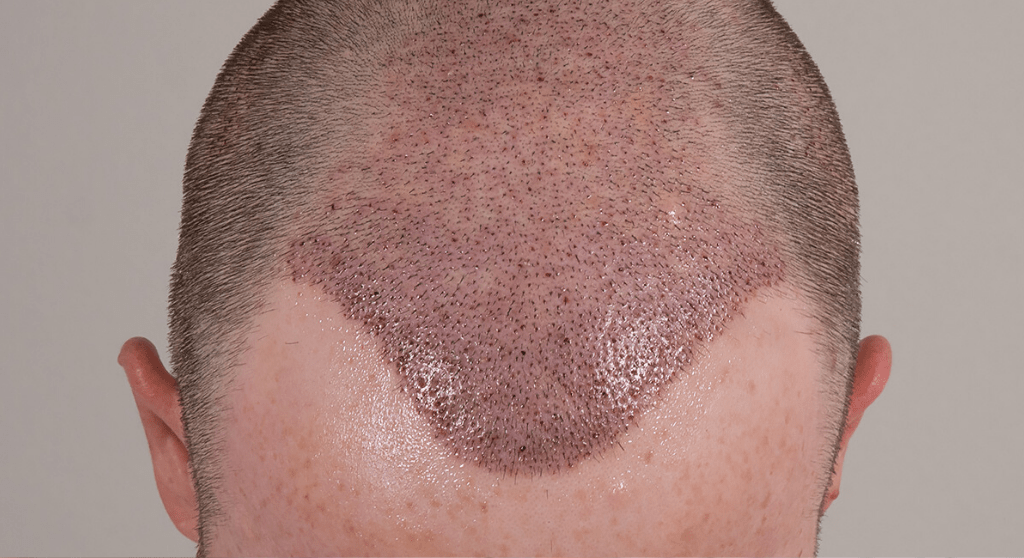
Many patients wonder, “Can I take whey protein after a hair transplant?” In most cases, the question depends less on whey itself and more on your recovery stage, the product’s ingredients, your allergies, and any medicines you are taking. Your surgeon’s aftercare instructions should always take priority, especially during the first days after FUE or DHI. Before restarting protein powder, consider how nutrition may support general healing and which warning signs or product ingredients deserve attention. It offers practical, general guidance, not personalized medical advice from your hair restoration clinic.
Is Whey Protein After Hair Transplant Safe?
For most healthy adults, whey protein is generally compatible with hair transplant recovery when taken as a normal dietary supplement. The powder itself does not usually interfere with implanted grafts, the donor area, or the recipient area. However, safety depends more on your individual health and the product you choose than on the transplant procedure alone. Whey is not proven to improve graft survival or guarantee faster hair growth.
Your transplant surgeon’s aftercare instructions take priority over general advice. Contact the clinical team before using whey if you have a milk allergy, lactose intolerance, kidney disease, liver disease, diabetes, or a history of adverse reactions to supplements. Medical advice is also sensible if you take prescription medicines or were given specific dietary restrictions after FUE or DHI.
Do not introduce a new supplement while you are experiencing persistent vomiting, severe stomach pain, facial swelling, breathing difficulty, widespread rash, fever, increasing redness, pus, or unusual bleeding. These symptoms may indicate an allergic reaction, illness, or a surgical complication and require prompt medical guidance. If recovery is uncomplicated, a moderate serving mixed with water is usually easier to assess than combining several new supplements at once.
How Protein Supplements May Affect Graft Recovery

Protein contributes to the normal repair and maintenance of body tissues after a hair transplant. Adequate intake provides amino acids needed for skin healing, immune function, and general recovery around the donor and recipient areas. However, this support is indirect: whey does not specifically “feed” implanted follicles or make grafts grow faster.
Adequate protein intake may be helpful if a patient is eating poorly, has increased nutritional needs, or was previously consuming too little protein. In that situation, a supplement can be a convenient way to meet general dietary requirements, provided it fits the person’s health status and post-operative advice. People with kidney disease, allergies, digestive conditions, or restricted diets should seek individual guidance before using it.
Protein deficiency can contribute to poor overall healing and may affect hair health, but it is different from the expected transplant timeline. Temporary shedding, delayed visible growth, and uneven density can occur even when nutrition is satisfactory because transplanted follicles require time to cycle and produce new shafts. Whey protein cannot prevent this normal process or guarantee stronger graft survival.
The quality of the overall diet, hydration, medical history, and instructions from the transplant clinician matter more than adding a particular powder. Supplement timing and formulation should be considered separately during early recovery.
When Can You Restart Whey Protein After Surgery?

There is no universal day for restarting whey protein after FUE or DHI. The appropriate timing depends on how the recipient and donor areas are healing, whether you are taking postoperative medication, and the instructions provided by your transplant surgeon. A supplement that was well tolerated before surgery may still be unsuitable temporarily if it causes digestive upset or contains ingredients that conflict with your recovery plan.
Use these practical checkpoints before reintroducing a protein shake:
- Food tolerance: You should generally be able to eat and drink your usual foods without nausea, vomiting, or significant stomach discomfort.
- Healing progress: Persistent bleeding, worsening swelling, increasing redness, drainage, or severe tenderness should be discussed with the clinic before adding supplements.
- Medication timing: Ask whether whey protein can be taken alongside antibiotics, pain medication, anti-inflammatory drugs, or any other treatment prescribed after surgery.
- Product review: Check the label for sweeteners, stimulants, herbal blends, large doses of added nutrients, and other components that may not suit early recovery.
- Personal health factors: People with milk allergies, lactose intolerance, kidney disease, or other medical concerns need individualized guidance before restarting.
If your surgeon has given a specific schedule, follow it even if you feel well. Surgeon clearance is especially valuable when healing is slower than expected, symptoms are changing, or the powder is a new product. Restarting with a modest serving and monitoring your tolerance can be more sensible than immediately returning to a high daily intake.
Which Ingredients Should You Avoid During Early Healing?
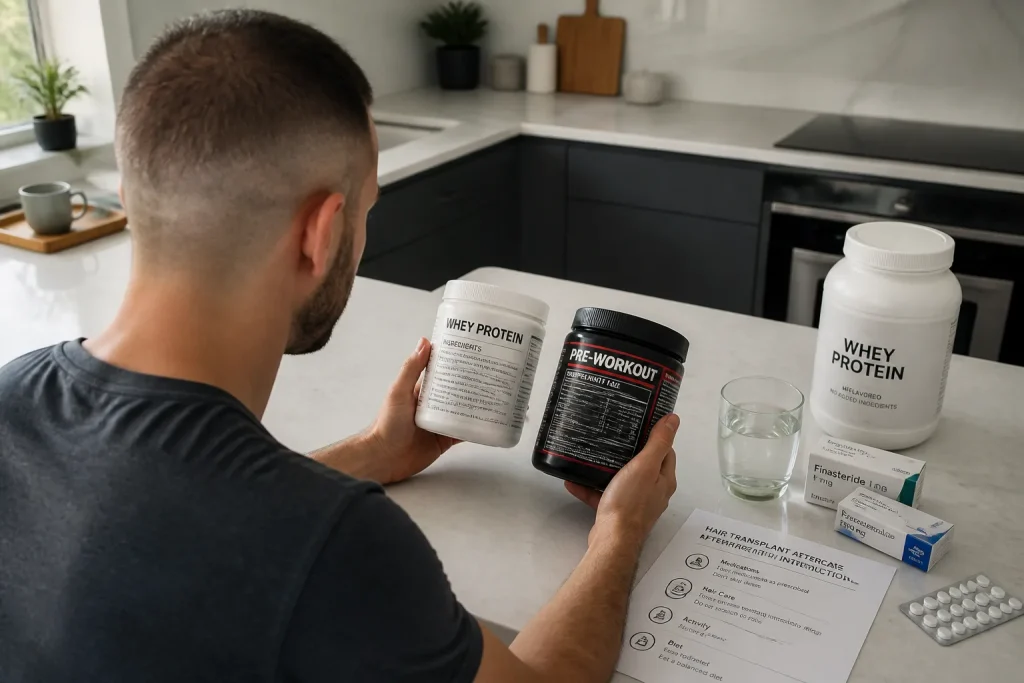
The protein amount on a label is only one part of the decision during early recovery. Additives may affect comfort, medication safety, or your ability to follow post-operative instructions, so review the entire formulation before using a powder after FUE or DHI. Products designed for athletic performance often contain ingredients that are unnecessary during graft healing. A simpler formula may be easier to tolerate while your scalp is healing, particularly if your appetite, digestion, sleep, or fluid intake has changed after the procedure.
- Stimulants: Pre-workout powders may contain caffeine or other stimulants that can affect sleep, fluid intake, or heart rate. Ask your clinic whether these ingredients fit your recovery plan.
- High-dose vitamins: Added vitamins and minerals can exceed what you need, particularly in products marketed for rapid bulking or performance. Avoid combining them with other supplements without professional guidance.
- Herbal blends: Herbal ingredients and proprietary mixtures may have unclear doses or interact with medicines. “Natural” does not automatically mean risk-free after surgery.
- Allergens and sweeteners: Dairy, lactose, sugar alcohols, artificial flavors, or thickening agents may cause bloating, diarrhea, or intolerance. Choose a simpler product if digestive symptoms develop.
- Hormonal or fat-loss claims: Avoid powders promising hormone changes, rapid fat loss, or unusually fast muscle gain unless the surgeon or pharmacist has reviewed them.
Share the product label with your transplant surgeon or pharmacist, especially if you take antibiotics, pain medicine, blood thinners, or other regular treatments. This review can help identify ingredients that may be unsuitable during early healing and clarify whether the product supports your recovery rather than adding unnecessary risks.
Stop a supplement that causes a reaction and contact the clinic if symptoms affect hydration, nutrition, or wound care. During the early recovery period, prioritize products you can tolerate comfortably and use them only in a way that remains consistent with your clinic’s post-operative instructions.
What Should You Eat to Support Hair Growth After FUE or DHI?

A balanced diet can help your body meet the nutritional demands of recovery after FUE or DHI while supporting normal hair biology. Build meals around varied protein sources such as eggs, fish, poultry, yogurt, beans, lentils, tofu, and lean meat. Combining these with colorful vegetables, fruit, whole grains, nuts, seeds, and healthy fats provides a broader range of nutrients than relying on a single shake or food.
Nutrients commonly associated with hair and follicle function include iron, zinc, vitamin D, vitamin B12, folate, and essential fatty acids. However, taking extra supplements does not automatically improve hair growth. Correcting a confirmed nutritional deficiency is more appropriate than using high-dose vitamins or minerals without testing, since excessive intake can cause side effects or interfere with treatment.
Regular meals, adequate fluids, and sensible portions can also make recovery easier, particularly if appetite or digestion is temporarily affected after surgery. Choose foods you tolerate well and follow the clinic’s instructions about medication, alcohol, activity, and wound care. Nutrition supports overall health and the normal hair-growth cycle, but it cannot replace prescribed aftercare or guarantee faster growth in transplanted grafts.
FAQs
Can whey protein cause hair shedding after a transplant?
Whey protein is not known to directly cause hair shedding after a transplant, and moderate use usually does not affect graft survival or hair growth. However, some products may contain hormones, stimulants, or additives that could potentially worsen androgenetic hair loss in susceptible people. Choose a reputable supplement, follow your clinic’s aftercare advice, and consult your surgeon if shedding is sudden, severe, or continues beyond the expected recovery period.
Should I ask my surgeon before using protein powder?
Yes. Ask your surgeon before using protein powder, especially after surgery, because your procedure, medications, kidney function, allergies, and recovery plan may affect which supplements are appropriate. Your surgeon can recommend a suitable product, timing, and serving size, or advise you to meet your protein needs through regular foods.
Is whey protein useful for improving post-transplant hair growth?
Whey protein may support overall nutrition after a hair transplant if it helps you meet your daily protein needs, but there is no strong evidence that it directly increases hair growth or graft survival. Most people can obtain sufficient protein from a balanced diet, while deficiencies in protein, iron, zinc, or other nutrients may contribute to shedding. Ask your transplant surgeon or a qualified clinician before using supplements, especially if you have allergies, kidney problems, or are taking medication.