More Canadian women are travelling to Istanbul for labiaplasty because they can find internationally accredited hospitals, surgeons who regularly perform the procedure, and costs that are often 40–60% lower than private clinics in Toronto or Vancouver. Travelling abroad for surgery raises fair questions about choosing a safe clinic, what recovery looks like away from home, and whether the quality is comparable. Before booking, Canadian patients need to know about surgeon credentials, pricing, travel logistics, and aftercare. These practical details can help you decide whether labiaplasty in Istanbul is the right choice for you.
Why Canadian Patients Choose Istanbul for Labiaplasty

The decision to travel abroad for an intimate procedure is rarely about price alone, and the reasons behind this growing trend are more practical than many expect. For labiaplasty in Istanbul, the appeal rests on three pillars: internationally trained surgeons, modern facilities that handle high patient volumes, and a cost structure that typically runs 40–60% lower than Canadian private clinics — without compromising standards.
Many Turkish plastic surgeons complete fellowships in Europe or North America and perform labiaplasty regularly, which matters enormously for a procedure where technique directly affects both aesthetic outcome and comfort. Clinics catering to international patients also operate with English-speaking coordinators, streamlined scheduling, and all-inclusive packages covering transfers, accommodation, and aftercare — removing much of the logistical stress of arranging surgery from abroad.
There is also the advantage of privacy. Recovering in a city thousands of kilometres from home allows women to heal away from colleagues, family questions, and daily obligations. Combined with Istanbul’s direct flights from Toronto, Montreal, and Vancouver, the journey is surprisingly manageable.
Still, cost savings mean nothing without safety. Verifying surgeon credentials — board certification, hospital privileges, and verified before-and-after results — remains the single most important step Canadian patients should take before booking any procedure.
Understanding the Labiaplasty Procedure and Its Benefits
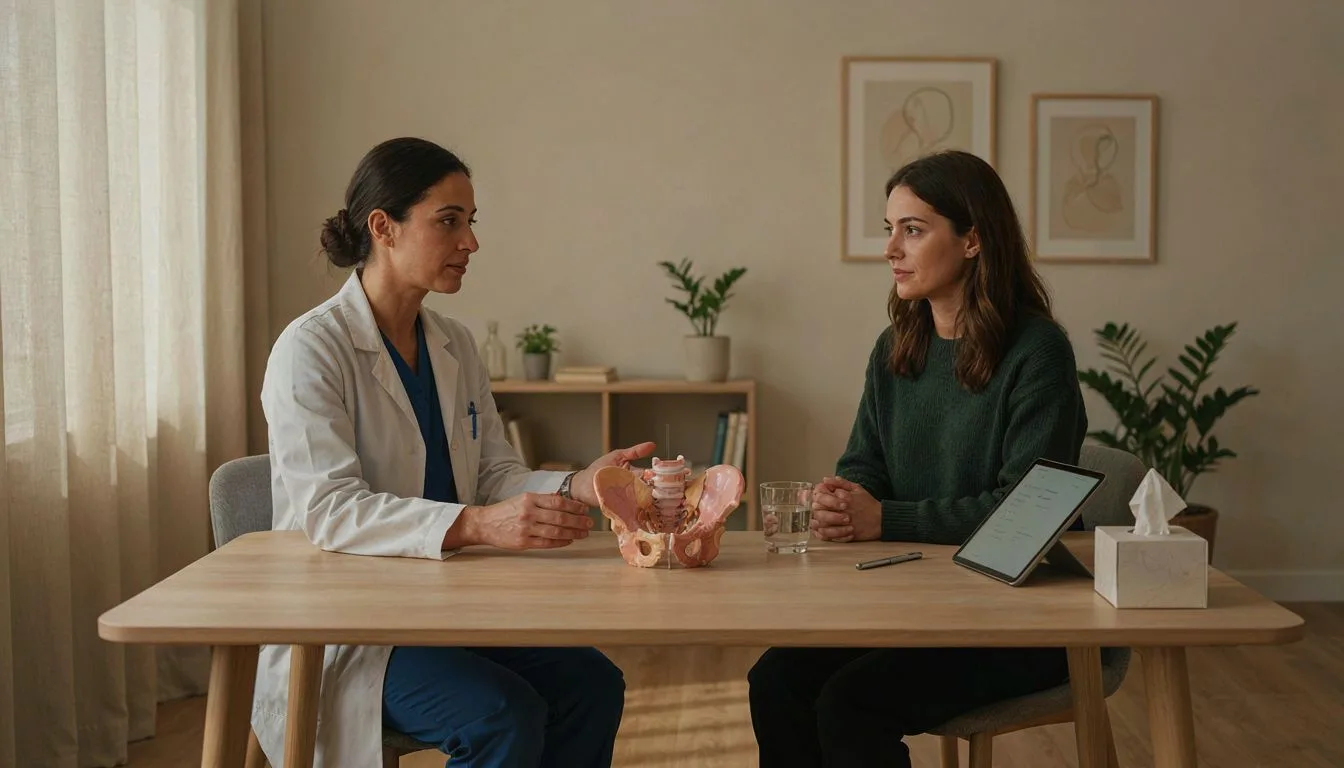
Labiaplasty is a surgical procedure that reshapes or reduces the labia minora, the inner folds of skin surrounding the vulva. Women typically seek it to relieve discomfort caused by enlarged or asymmetrical labia — irritation during exercise, pain when cycling, or self-consciousness in fitted clothing — rather than purely for cosmetic reasons. Performed under local or general anaesthesia, the operation usually takes one to two hours, and the most common technique is the trim method, in which excess tissue is removed and the edge carefully sutured to preserve natural contour and sensation.
Beyond symptom relief, patients often report improved comfort during physical activity, greater confidence in intimate situations, and freedom from chronic chafing. Because the surgeon works only on external tissue, recovery is generally faster than with many other operations, though individual healing always varies.
It is worth knowing that a qualified surgeon will assess your anatomy and goals during a consultation before recommending the most suitable technique — trim or wedge — and explain exactly what results are realistic. Clinics in Istanbul routinely handle these consultations remotely for international patients, sending pre-operative questionnaires and photos before you fly, so the surgical plan is largely settled before your arrival. This preparation is what we will turn to next.
How to Prepare for Your Surgery Trip from Canada
Getting the logistics right before you fly makes an enormous difference in how smooth your surgical experience feels. A well-planned trip for labiaplasty in Istanbul typically spans seven to ten days, giving you enough time for your initial consultation, the procedure itself, and a safe window of healing before your return flight. Before booking anything, confirm your surgeon’s availability and ask for a written treatment plan that outlines the technique, anesthesia type, and post-operative schedule.
Once your surgery date is secured, work through a practical checklist of travel and medical essentials:
- Passport and travel documents: Ensure your passport is valid for at least six months beyond your travel dates, and keep digital copies of your medical records and surgical approval letters accessible on your phone.
- Pre-operative medical requirements: Most Istanbul clinics request recent blood work and a health questionnaire before arrival, so complete these early to avoid delays in your surgical schedule.
- Loose, comfortable clothing: Pack soft cotton underwear, loose-fitting pants, and a cushioned travel pillow for your flight home, since sitting comfortably will matter during recovery.
- Accommodation near the clinic: Choose a hotel within a short distance of your surgeon’s office, as you will attend at least one or two follow-up visits before departing Turkey.
It is also wise to arrange a companion if possible, as having someone assist you during the first 48 hours after surgery reduces strain and speeds up comfort. Many clinics catering to international patients offer coordinators who handle airport transfers and interpreter services, so ask whether these are included in your package. Finally, notify your family doctor in Canada about your plans so they can support your ongoing care once you return home.
What to Expect During Recovery and Aftercare Abroad
The first 48 hours after surgery are the most intense, but most women are surprised by how manageable recovery actually is. You will experience swelling, mild to moderate discomfort, and some bruising around the treated area. Your surgeon in Istanbul will typically prescribe pain medication and antibiotics, and your clinic’s aftercare team will check in regularly — many facilities catering to international patients offer interpreter support so nothing gets lost in translation.
The most important part of your healing journey is proper wound care and hygiene. Your surgical team will give you detailed instructions on how to keep the area clean, which usually involves gentle saline rinses, wearing the loose clothing you packed, and avoiding tight underwear. Sitting comfortably may be tricky for the first week, so a small cushion or donut pillow is a smart addition to your travel bag.
Most clinics recommend staying in Istanbul for 7 to 10 days after your procedure. This buffer allows your surgeon to remove stitches if needed, monitor healing in person, and clear you for your flight home. Flying too early increases risks like swelling and pressure discomfort, so build this window into your itinerary.
Light walking is encouraged from day two or three to support circulation, but strenuous activity, swimming, and sexual intercourse are off-limits for roughly four to six weeks. Before you leave Turkey, your clinic should provide written aftercare instructions and a follow-up plan — ideally with an option to consult your surgeon remotely by video once you’re back in Canada. Keep every document, as these will help your family doctor support your ongoing recovery.
Cost Comparison: Istanbul vs. Canadian Clinics
Cost is often the deciding factor, and the numbers speak for themselves. In Canada, a private labiaplasty typically ranges from CAD $4,500 to $8,000, and it is rarely covered by provincial health plans when performed for cosmetic or comfort reasons. In Istanbul, the same procedure performed by board-certified surgeons usually costs between CAD $1,800 and $3,200, which is the 40–60% lower figure mentioned earlier in this guide.
What makes this gap possible is not lower quality, but economics: lower operating costs, favourable exchange rates, and high surgical volume in Turkey’s private clinics. Most Istanbul clinics also bundle services that Canadian clinics bill separately, including the surgeon’s fee, anaesthesia, hospital fees, post-operative medications, and follow-up visits.
When comparing quotes, ask what is included. A transparent all-inclusive package should cover your surgery, transfers, translation services, and accommodation near the clinic — eliminating hidden costs that can erode your savings.
Even after adding flights (often CAD $900–$1,400 round trip from major Canadian cities), most patients save between $2,000 and $4,000 overall. Request a detailed written quote from at least two clinics before booking, and confirm that the price is guaranteed and won’t change after you arrive.
FAQs
How much does labiaplasty cost in Istanbul compared to private clinics in Canada?
Labiaplasty in Istanbul typically costs between $1,500 and $3,000, while private clinics in Canada generally charge between CAD $4,000 and $8,000. This makes Turkey roughly 50–70% cheaper, even after adding travel and accommodation expenses. The price difference mainly reflects lower operating costs and favorable exchange rates rather than quality differences, as many Istanbul clinics are internationally accredited. Patients should verify the surgeon's credentials and confirm exactly what the quoted price includes.
Is it safe to travel to Istanbul for labiaplasty if I have no one to accompany me?
Yes, many patients travel to Istanbul for labiaplasty alone and do so safely, as clinics there are accustomed to international patients and typically provide comprehensive support. Most clinics offer services designed for solo travelers, including airport transfers, accommodation arrangements, English-speaking patient coordinators, and post-operative follow-up. It is still wise to choose an accredited clinic with verified reviews and to discuss your travel plans with the surgeon beforehand, but having no companion is not a barrier to a safe and successful experience.
How long should Canadian patients stay in Istanbul after the procedure before flying home?
Canadian patients should typically plan to stay in Istanbul for 7 to 10 days after their procedure before flying home. This window allows enough time for the initial recovery phase, follow-up appointments, and removal of dressings or drains. Your surgeon will confirm the exact timeline based on the type of surgery and how well you are healing, so it is best to book a flexible return ticket. Flying too soon after surgery can increase the risk of complications such as swelling or blood clots, which is why the extended stay is recommended.