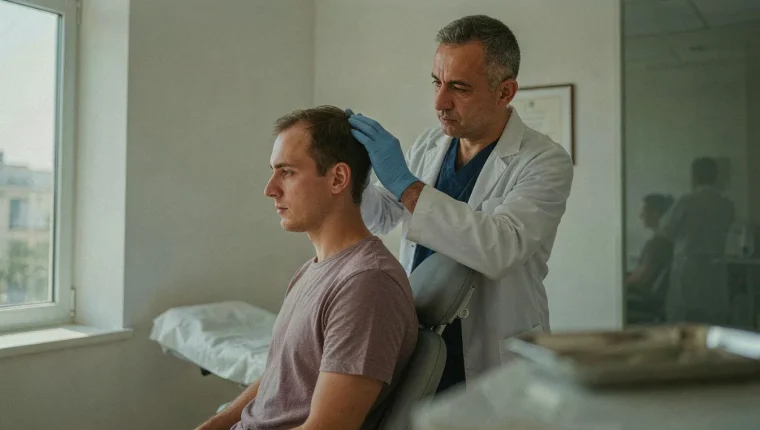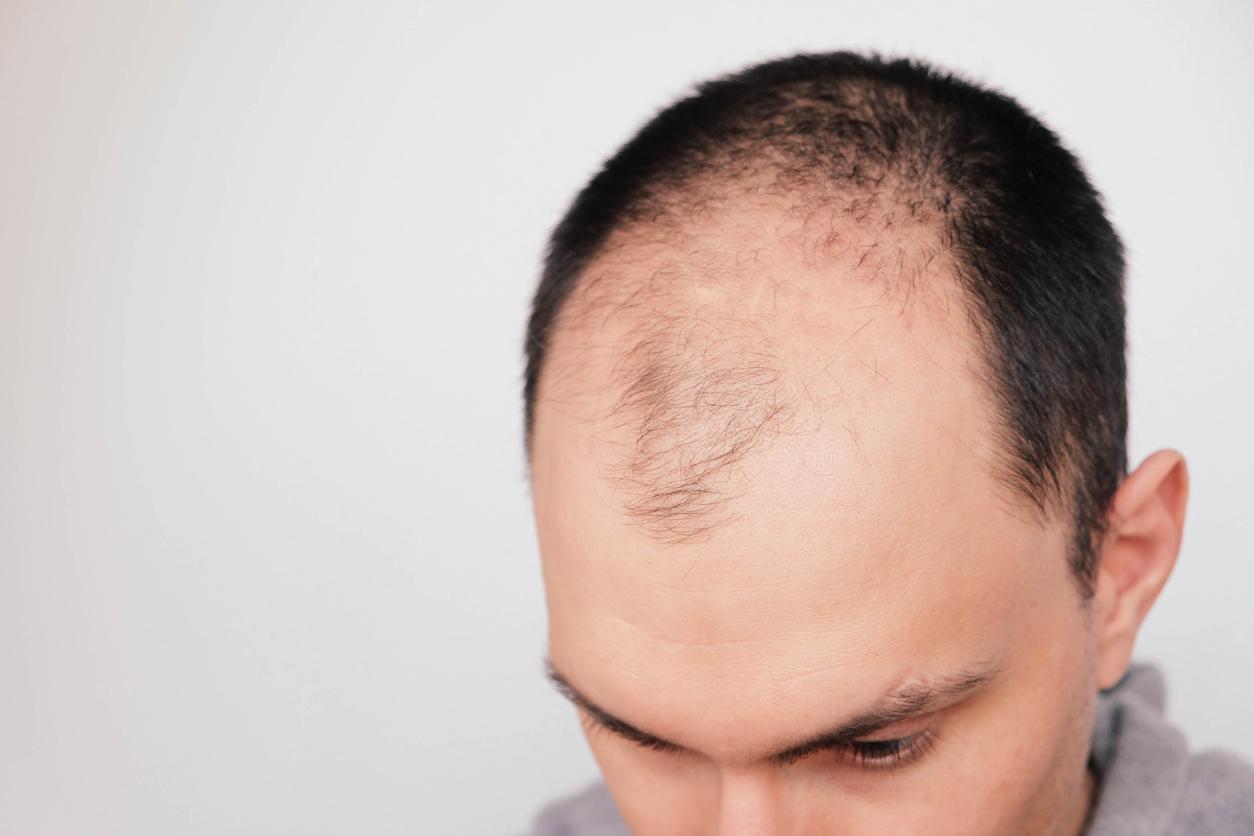
Preparing for an FUE hair transplant involves more than arriving at the clinic on the day of treatment. You may need to review your health history, discuss medications, adjust daily habits, and organize practical support for early recovery. Good preparation can help you feel more comfortable and give your clinic the information it needs to plan safely. However, instructions vary between patients and providers, so your surgeon’s guidance should always take priority. This guide explains key steps before FUE, focusing on realistic expectations, procedure-day readiness, and safe preparation rather than surgical technique or guaranteed hair growth results.
How to Prepare for FUE Hair Transplant: Initial Planning
Start with a detailed consultation before choosing a date for your FUE hair transplant. The discussion should clarify whether your current hair loss pattern is suitable for surgery, what level of density is realistic, and whether future thinning could affect the long-term appearance. Ask the surgeon to assess both the donor area and the recipient area rather than focusing only on the visible thinning.
Request a clear explanation of the proposed graft plan, including the estimated number of grafts, the areas to be treated, the expected procedure length, and the general stages of recovery. The clinic should also explain its aftercare instructions and provide a written timeline for preparation and follow-up. A carefully designed donor area assessment is essential because the available follicles are limited and must be used strategically.
Use the consultation to discuss your goals openly. Bring photographs of hairstyles or hairlines you prefer, but understand that the final design must reflect your facial features, existing hair density, and available donor follicles. Ask who will perform the extraction and implantation, how the clinic handles unexpected changes, and whom to contact with questions before surgery.
Plan practical matters early. Choose a date that allows enough time away from work, exercise, travel, or other responsibilities, and arrange reliable transport if sedation or discomfort could make driving unsuitable. Follow the clinic’s specific instructions rather than relying on general online advice; medical clearance, medication decisions, and personal restrictions should be confirmed directly with the treating team.
Medical Checks and Medication Guidance Before Surgery
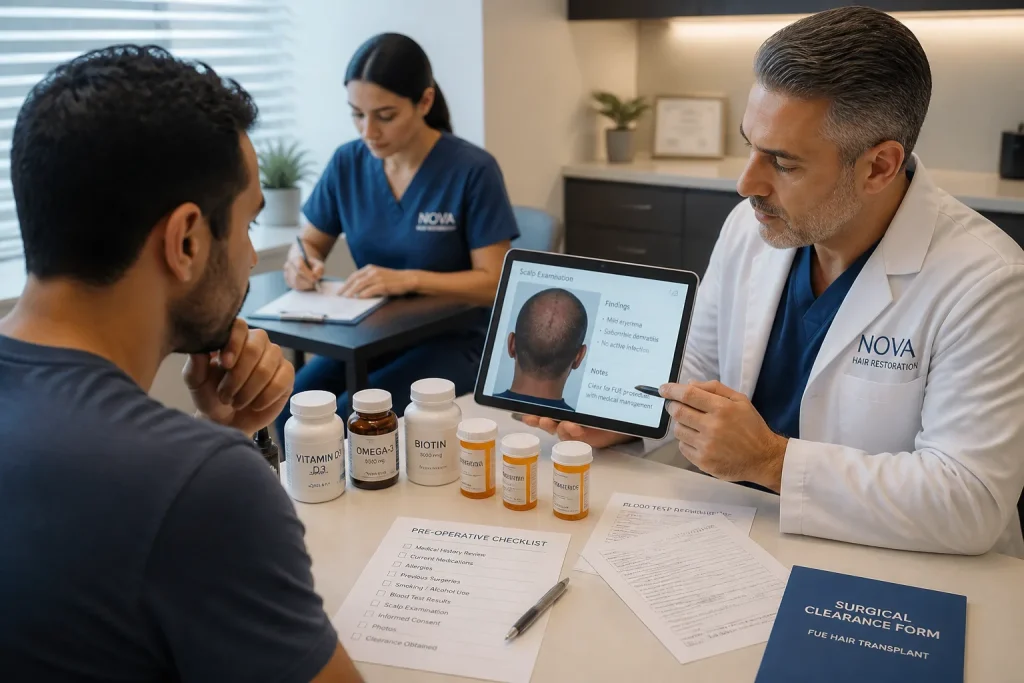
Before scheduling FUE, provide the clinic with a complete picture of your health. Share any chronic conditions, previous operations, bleeding problems, allergies, and reactions to anesthesia or medications. The surgeon may also ask about scalp disorders such as psoriasis, dermatitis, infection, or unexplained irritation, since these can affect whether treatment should be delayed. Depending on your medical history and the clinic’s protocol, blood tests or other clearance may be requested.
Review every substance you take, including prescriptions, over-the-counter pain relievers, vitamins, herbal products, and supplements. Aspirin, some anti-inflammatory medicines, anticoagulants, and certain supplements may influence bleeding or bruising, but their suitability depends on your individual situation. The most important step is medication review with your surgeon. Never stop a prescribed drug or alter its dose without instructions from the surgeon and the clinician who prescribed it.
Ask specifically whether topical scalp treatments, minoxidil, finasteride, or other hair-loss medication should be continued or paused. Also tell the clinic if you smoke, vape, drink alcohol regularly, or use recreational substances, as these may affect anesthesia planning, circulation, or wound healing. Conditions such as diabetes, high blood pressure, immune disorders, and clotting problems should be disclosed even if they are well controlled.
Request clear written instructions about permitted medicines, required tests, and when to contact the clinic if you develop a fever, scalp infection, or other illness before the procedure. This information allows the medical team to adjust the plan safely rather than relying on assumptions.
Hair Washing, Diet, and Lifestyle Adjustments

In the days before an FUE hair transplant, keep your scalp routine simple and follow the clinic’s specific washing instructions. Some clinics may ask you to wash your hair with a regular or medicated shampoo before treatment, while others may recommend avoiding certain products. Do not apply gels, waxes, sprays, oils, or heavy conditioners unless your surgical team says they are acceptable.
Ask whether you should avoid hair dye, bleaching, perming, or other chemical treatments before the procedure. These products can irritate the scalp, so your clinic may recommend leaving an appropriate interval between treatment and surgery. Do not start a new scalp treatment or use an exfoliating product without approval.
Eat normally unless your clinic gives you different instructions. A balanced meal with protein and carbohydrates may help you feel comfortable, but fasting requirements should be followed only when specifically requested by the clinic or anesthesia team. Drink enough water, and ask whether coffee, energy drinks, or other caffeinated beverages should be limited on the day before or morning of treatment.
Alcohol and smoking may affect the clinic’s preparation guidance, so ask when to stop and when they can be resumed. Avoid making assumptions based on general advice, particularly if you have medical conditions or receive separate clinician-approved instructions. Keep the scalp clean, avoid irritation, and contact the clinic if redness, infection, or unusual scalp symptoms appear before FUE.
What to Wear and Bring on the Procedure Day
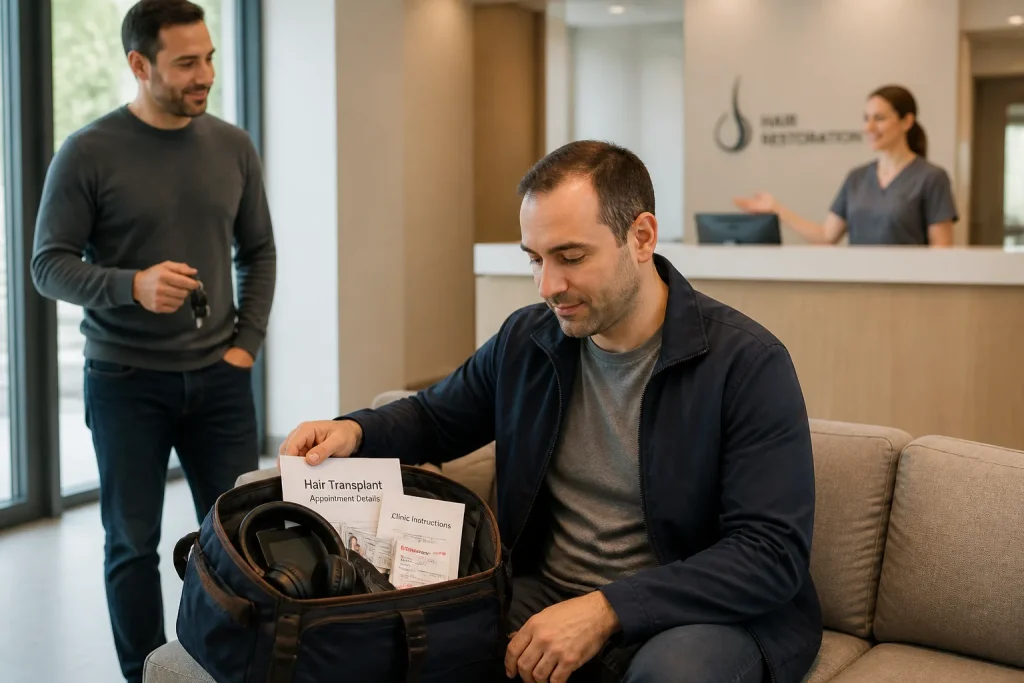
Choose clothing that will not rub against the scalp or require pulling over the head. A loose, front-opening shirt, zip-up top, or button-down jacket is usually more practical than a tight T-shirt. Wear comfortable trousers and stable, easy-to-remove shoes, especially if you may feel tired after the procedure.
Bring photo identification, appointment paperwork, relevant clinic instructions, and any prescribed medication that the team has specifically asked you to carry. You may also take approved entertainment, such as headphones or an e-reader, but keep personal belongings to a minimum. Avoid bringing valuables that could be misplaced during a lengthy session.
Arrange transportation in advance. Depending on the clinic’s policy, the use of sedative medication, or post-procedure fatigue, you may not be permitted to drive yourself home. A trusted adult can provide safer support and help you follow the discharge instructions.
Before leaving home, confirm the arrival time, expected duration, and clinic-approved eating and drinking instructions. Do not assume that fasting or a normal meal is appropriate; follow the team’s specific guidance for that day. Ask whether you should take any routine medication, and contact the clinic promptly if you develop symptoms that could affect the appointment.
Preparing Your Home for FUE Recovery

Prepare a clean, comfortable resting area before returning from your FUE procedure. Keep fresh bedding available and arrange pillows so you can follow the clinic’s recommended sleeping position without putting pressure on the grafts. Place water, light snacks, and easy-to-manage meals within reach, especially if you prefer not to cook during the first evening.
Have any clinic-approved aftercare products ready at home, but use them only as directed. Your provider should explain when and how to wash the scalp, whether the head should be elevated, and when normal activity can resume. Avoid making independent changes to this routine.
Plan enough time away from work, strenuous exercise, errands, and social commitments. Arrange help with childcare, pet care, or household tasks if bending, lifting, or concentrating feels uncomfortable. Keeping the first recovery period quiet and organized can make graft care easier and help you respond promptly if the clinic gives additional instructions.
FAQs
Should I stop taking any medication before an FUE transplant?
Do not stop prescription or over-the-counter medication without first consulting your hair transplant surgeon and prescribing doctor. Blood thinners, aspirin, anti-inflammatory drugs, supplements, and some herbal products may increase bleeding or affect healing, but stopping essential treatment can be dangerous. Your medical team will advise which medications to pause, continue, or adjust before FUE surgery.
Can I eat and drink normally before the procedure?
Follow your clinic’s specific instructions, as fasting requirements depend on the type of procedure and anesthesia used. Local anesthesia often allows normal eating and drinking, while sedation or general anesthesia may require you to avoid food and certain liquids for several hours beforehand. Ask your medical team before the appointment, and do not stop prescribed medication unless they advise you to.
How long should I take time off work after FUE?
Most people take 2–5 days off work after an FUE hair transplant, depending on swelling, redness, discomfort, and the type of job they do. Desk-based workers may return sooner, while physically demanding jobs should usually be avoided for about 7–10 days to protect the grafts and limit sweating. Follow your surgeon’s aftercare instructions, as individual recovery can vary.