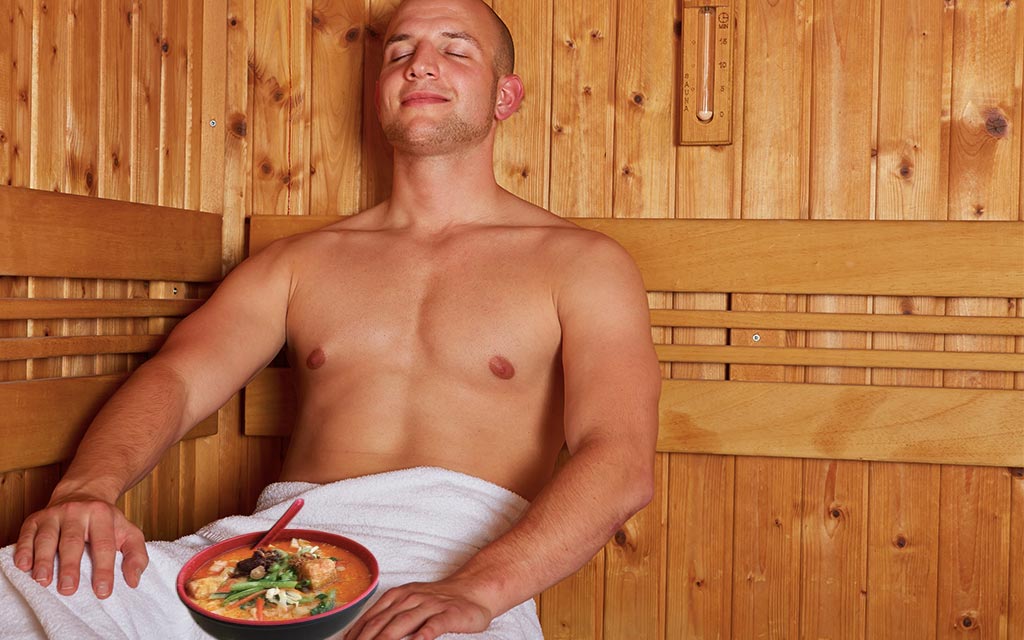
A sauna after hair transplant surgery may seem harmless, but heat, steam, and sweat can affect the scalp during recovery. The timing matters because newly placed hair grafts need protection while the recipient and donor areas recover. This guidance covers sauna, steam rooms, and similar heat exposure after hair restoration but does not replace your surgeon’s advice. Recovery can vary depending on the procedure, such as FUE or DHI, your healing progress, and the aftercare instructions you receive. Understanding these factors can help you avoid unnecessary irritation and reintroduce heat-based activities more safely.
When Can You Use a Sauna After Hair Transplant?
The right time to return to a sauna depends on how completely the scalp has recovered, rather than on a single standard date. During the early healing stage, newly placed grafts and the recipient area are still vulnerable, so exposing them to intense heat is generally discouraged. Later, once the skin has settled and the surgeon confirms that healing is progressing normally, limited heat exposure may be reconsidered.
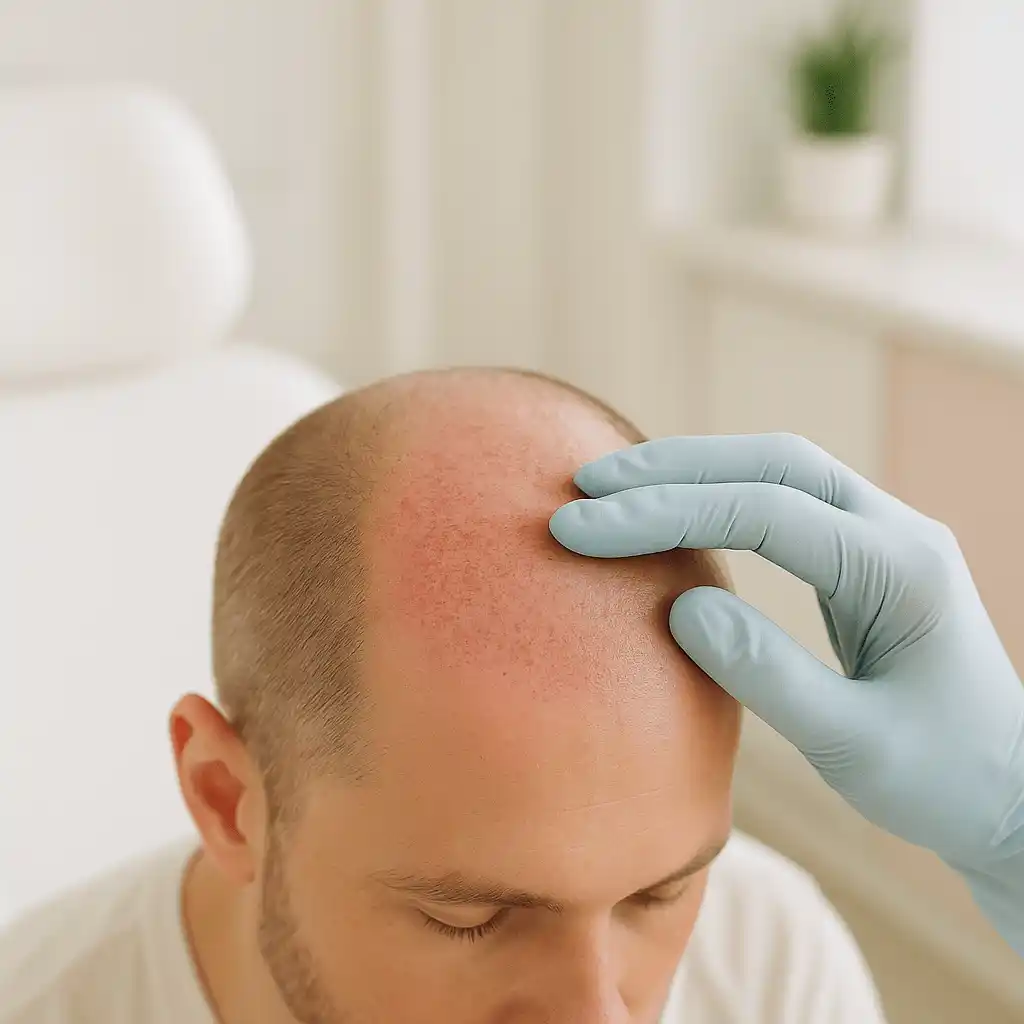
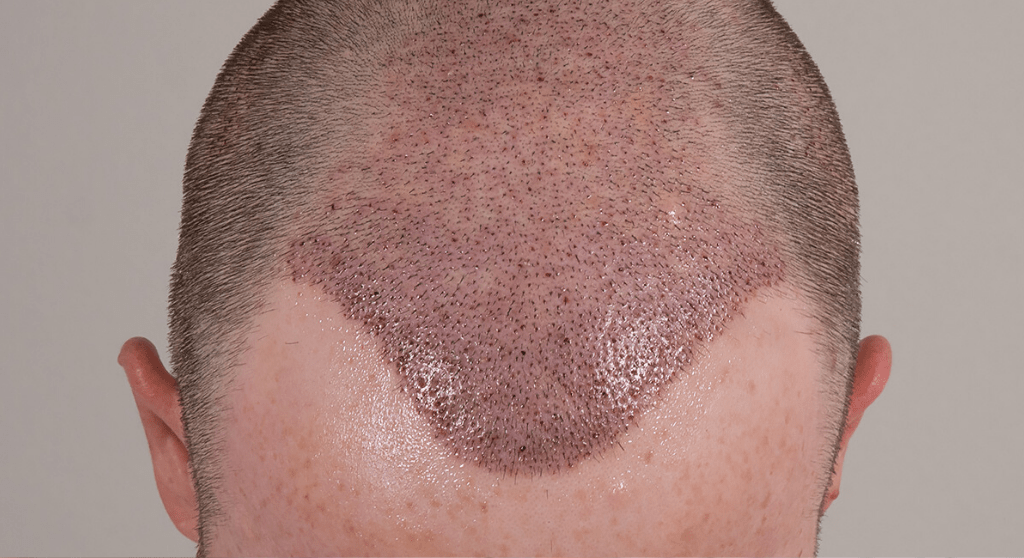
Several factors influence this decision. The technique used, the number and placement of grafts, the condition of the donor and recipient areas, and your individual healing response can all affect readiness. Scalp redness, tenderness, crusting, swelling, or ongoing irritation may indicate that the skin needs more time. Your clinic’s aftercare instructions should take priority because they are based on the details of your procedure and examination.
A traditional sauna, steam room, hot tub, and other very hot environments should not automatically be treated as identical. Although the level of heat and moisture differs, each may place additional stress on healing skin. Clinician-confirmed readiness is therefore the safest basis for resuming these activities, especially if recovery has been slower than expected.
If your scalp appears healed but you are uncertain, contact the treating clinic before booking a sauna session. The medical team can assess the grafted area, clarify whether steam or dry heat is appropriate, and advise how gradually to resume normal activities.
Why Heat and Steam May Affect Graft Healing
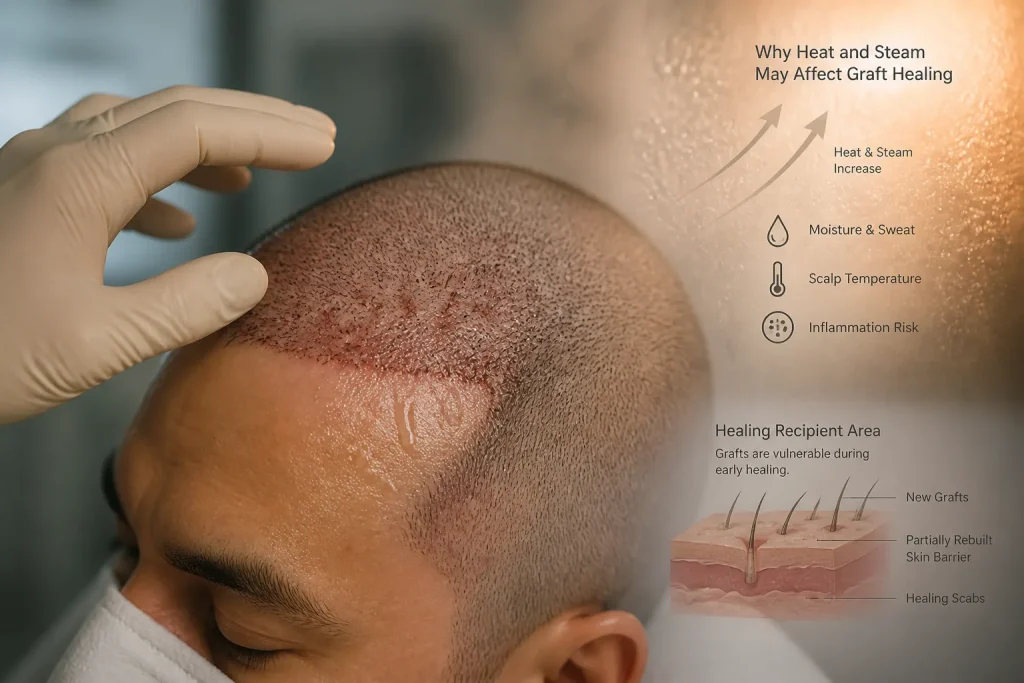
Heat can make the scalp more vulnerable during the early stages of hair transplant recovery. High temperatures may increase blood flow and cause temporary redness or swelling around the recipient area, while intense sweating can leave salt and moisture on healing skin. These effects do not automatically mean that grafts will be lost, but they may make the area more uncomfortable and harder to keep clean.
Steam adds another concern because it softens scabs and keeps the skin damp. Fragile grafts can be disturbed by rubbing, scratching, towel drying, or forceful washing when the scalp feels irritated. Excess moisture may also compromise the normal protective function of the healing skin barrier, particularly if the recipient area is already tender or inflamed.
The healing skin barrier needs time to rebuild around each implanted follicle. Until that process has progressed, sauna conditions can increase irritation and make it more difficult to follow gentle aftercare instructions. Perspiration may also run from the forehead onto the grafted area, encouraging touching or repeated wiping.
These are reasons clinicians commonly restrict sauna exposure as part of broader transplant aftercare. The concern is preventing avoidable irritation and mechanical disturbance, not assuming that every episode of heat exposure causes a confirmed complication. Individual healing, the condition of the scabs, and the surgeon’s instructions should guide any decision about exposing the scalp to heat and steam.
How Long Should You Avoid Saunas After FUE or DHI?
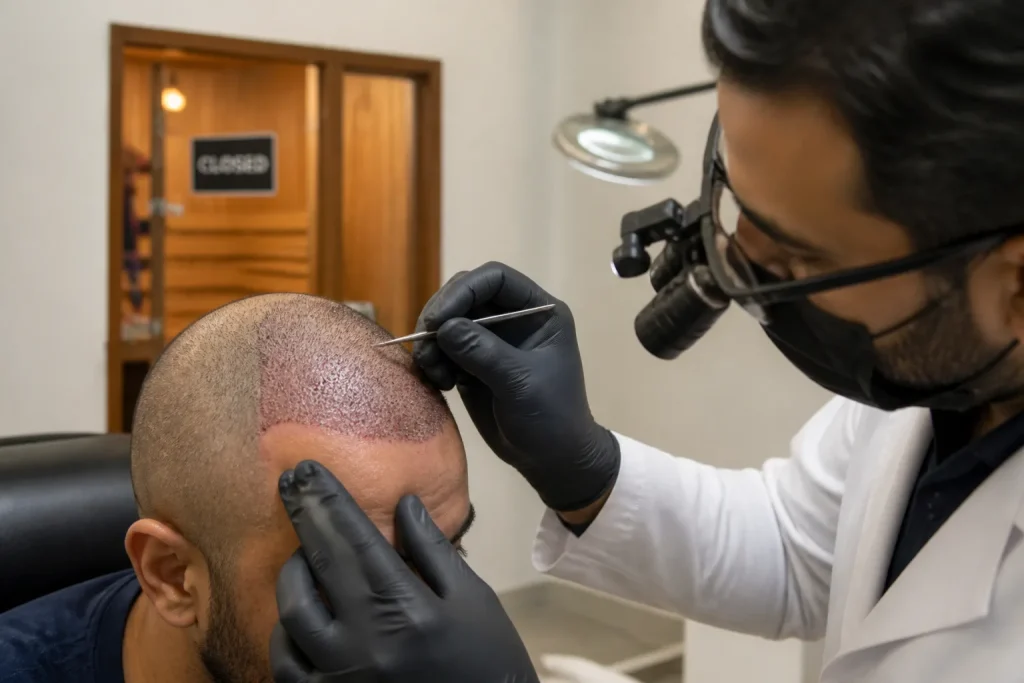
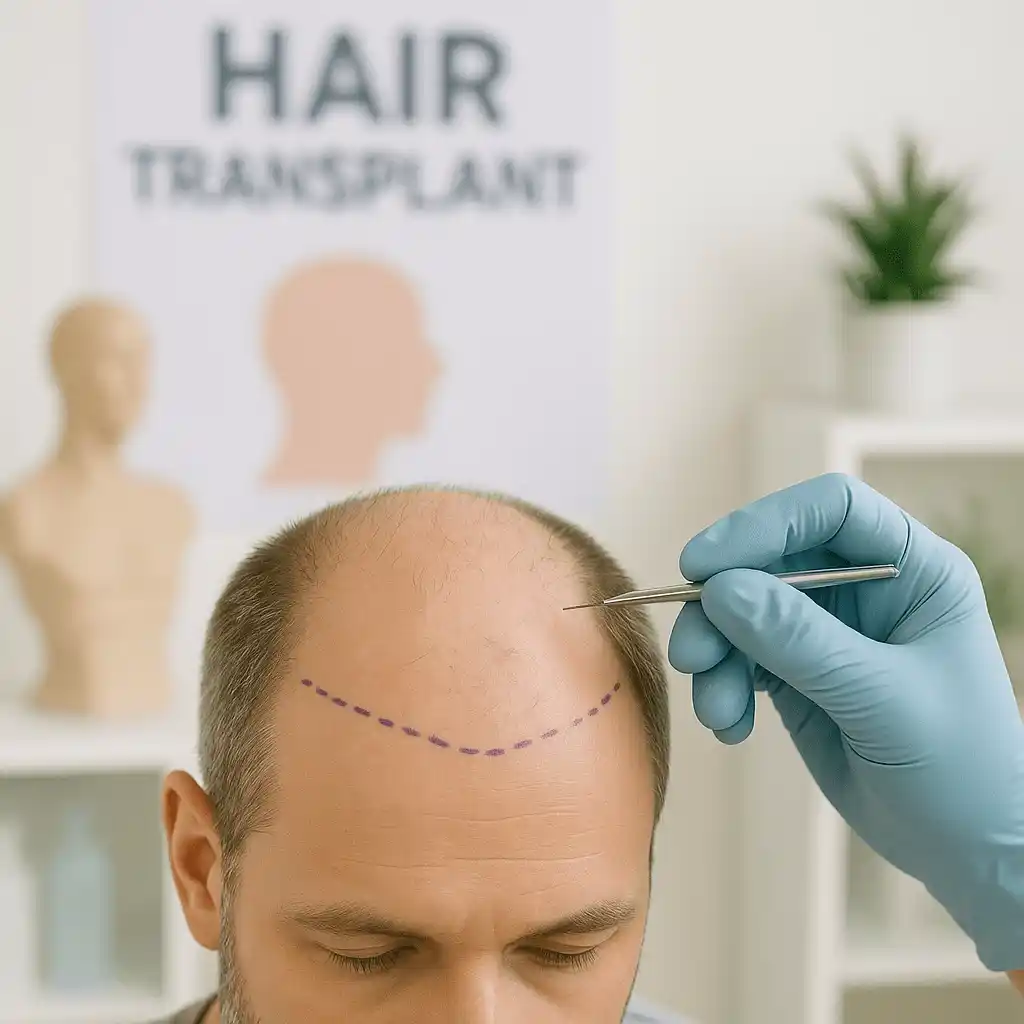
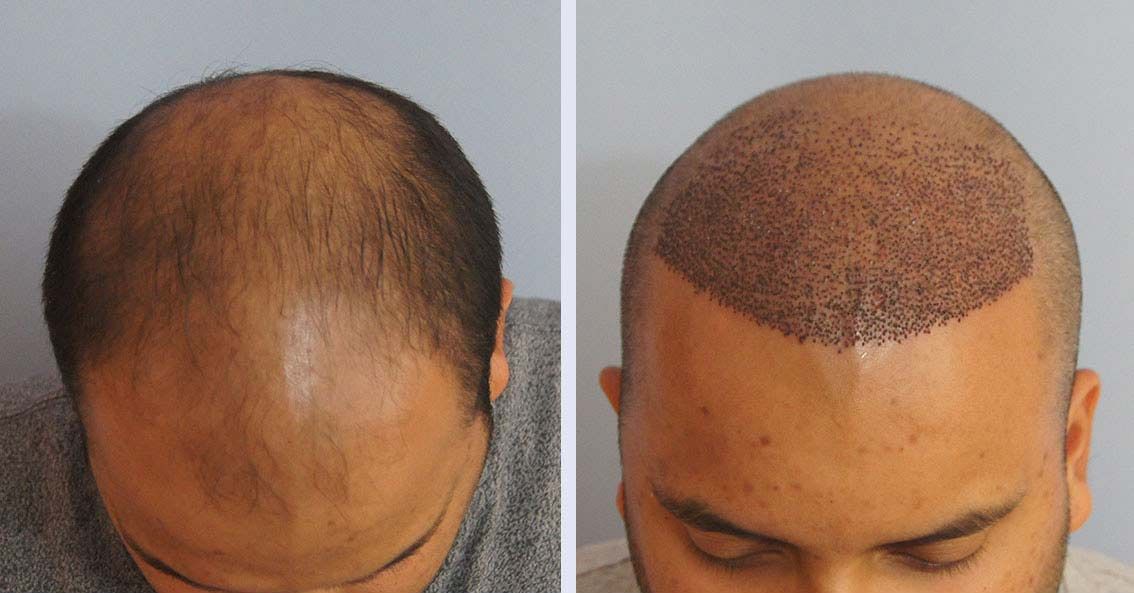
FUE and DHI usually require similar precautions before sauna use because both procedures leave newly implanted grafts in the recipient area while the surrounding skin is healing. The extraction method may differ, but the follicles still need protection from excessive heat, moisture, friction, and sweating during the early recovery period.
There is no universally safe number of days that applies to every patient. A clinic may give different advice depending on graft stability, the amount of crusting, redness or swelling, the condition of the donor and recipient areas, and how quickly the skin is recovering. Therefore, the technique name alone does not determine the return date. Individual healing status is usually more relevant than whether the procedure was FUE or DHI.
Someone with minimal irritation may be cleared sooner than a patient with persistent crusts, tenderness, or visible inflammation. The safest answer is found in the written aftercare instructions provided for your specific procedure, followed by confirmation from the transplant team before booking a sauna session.
Do not assume that DHI permits an earlier return because the implantation process uses a specialised implanter, or that FUE automatically requires a longer restriction. Both procedures involve a vulnerable recipient area, and premature heat exposure can interfere with comfortable healing. If your clinic has not confirmed readiness, postpone the sauna and ask whether the current redness, scabbing, or swelling is expected before resuming heat-based activities.
Safer Ways to Return to Heat-Based Activities
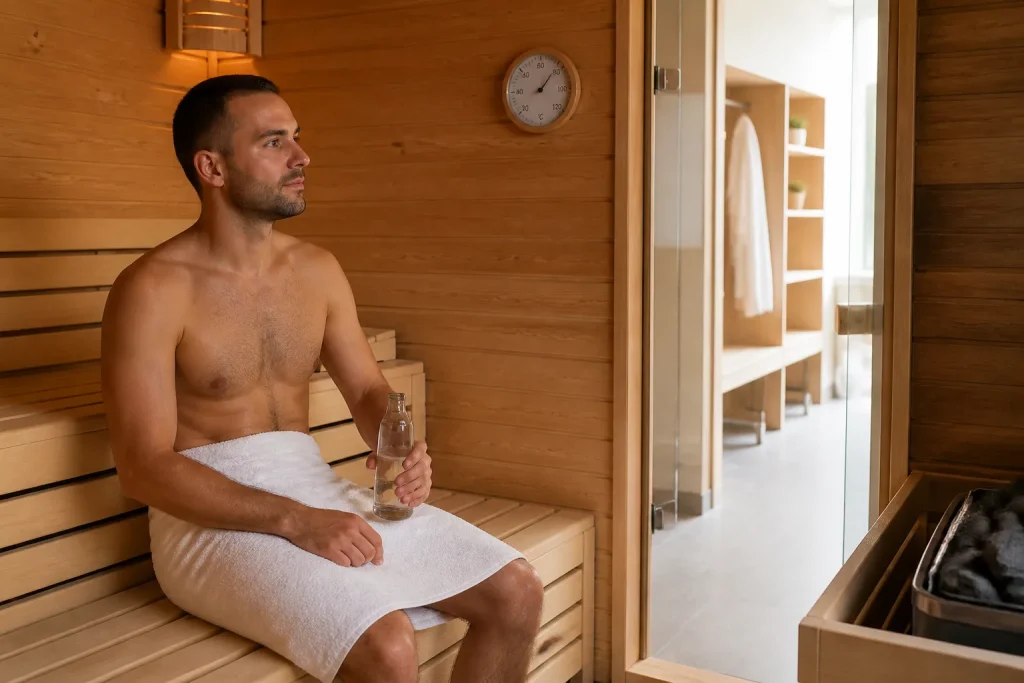
Once your clinician confirms that the scalp has healed sufficiently, return to heat gradually rather than treating the first session as a normal sauna visit. Begin with a lower temperature and a shorter stay, then monitor how the recipient and donor areas feel afterward. A cautious trial gives the skin time to respond without exposing it to prolonged heat, steam, or heavy perspiration.
Conservative exposure is the safest approach: drink water before and after the session, avoid alcohol, and choose a clean facility with good ventilation. Do not press your scalp against wooden benches, wear tight head coverings, or rub and scratch the area while sweating. Afterward, rinse gently with lukewarm water and follow the cleansing instructions provided by your hair-transplant team.
Sauna use, workouts, hot yoga, and other sweating activities may not carry identical demands. Exercise can add friction, pressure, or sudden increases in heart rate, so resume each activity separately and according to your aftercare instructions. If the scalp feels unusually hot, tight, painful, itchy, or visibly irritated during or after exposure, leave the heat, cool down gently, and avoid repeating the activity until a clinician advises you.
Warning Signs That Require Medical Advice
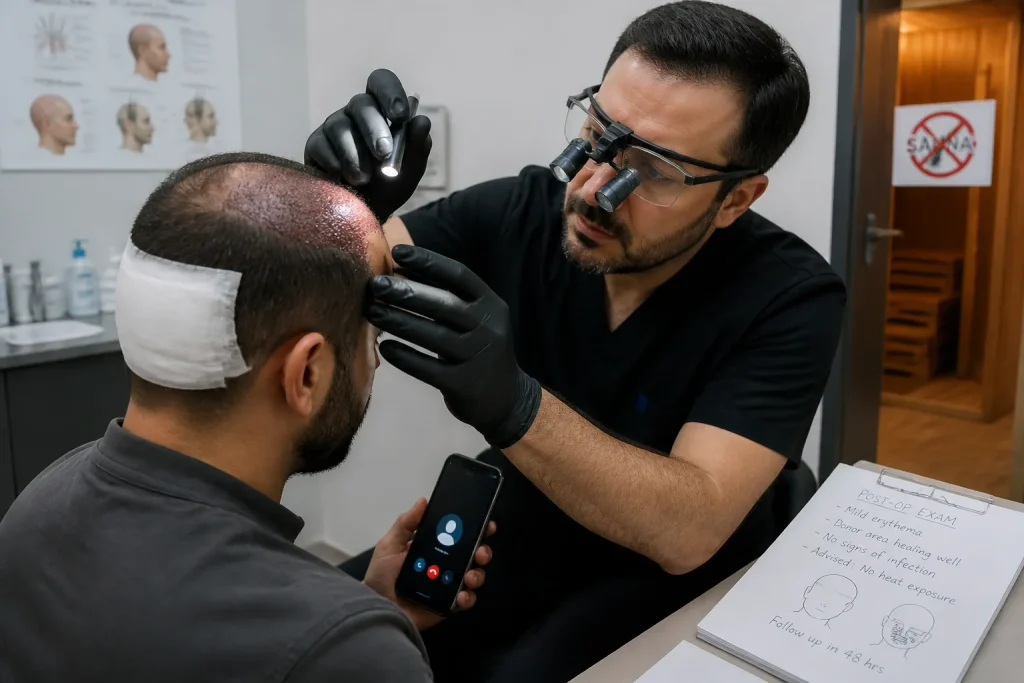
Some scalp changes after heat exposure are temporary, but symptoms that persist or become more intense deserve attention. Mild warmth, slight tightness, or brief sensitivity may settle after leaving the sauna and cooling down. These effects should not progressively worsen or continue for an unusual length of time.
Contact your transplant clinic promptly if you notice increasing redness, pronounced swelling, severe or worsening pain, pus-like discharge, persistent bleeding, or a fever. These signs do not confirm a specific complication, but they should be assessed by a qualified clinician, particularly if they involve the recipient or donor area.
Worsening symptoms are a reason to stop sauna exposure and seek individual medical advice rather than attempting to treat the scalp yourself. Avoid picking, rubbing, applying unapproved products, or returning to heat-based activities until your clinical team has evaluated the situation and explained when further exposure is appropriate.
FAQs
Can I use a steam room after a hair transplant?
Avoid steam rooms for at least two weeks after a hair transplant, or until your surgeon confirms that healing is complete. Heat, humidity, and sweating may irritate the recipient and donor areas and could interfere with graft recovery. Follow your clinic’s aftercare instructions, especially after FUE or DHI procedures, as the recommended waiting period may vary.
Does sweating affect newly implanted grafts?
Heavy sweating can irritate the recipient area and increase the risk of infection or graft displacement during the early recovery period. Most clinics recommend avoiding strenuous exercise, saunas, and excessive heat for about 7–10 days, or for the period specified by your surgeon. Light daily activity is usually acceptable, but follow your hair transplant aftercare instructions and contact your clinic if you notice increasing redness, pain, swelling, or discharge.
Can I exercise before returning to the sauna?
Yes, but keep the workout light and avoid strenuous exercise immediately before using the sauna again. Rehydrate well, allow your body temperature and heart rate to return to normal, and rest for at least 10–15 minutes first. Skip the sauna if you feel dizzy, weak, nauseated, or dehydrated.