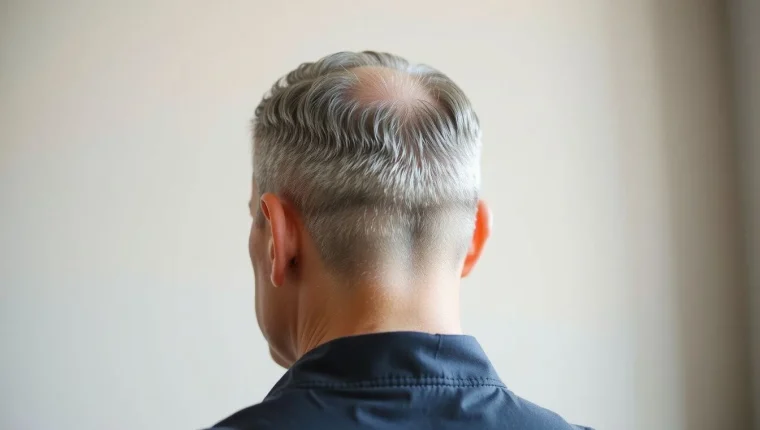
Finding more hair in your brush, on your pillow, or in the shower drain is unsettling, especially when you are unsure whether it is temporary shedding or the start of something that will not reverse. Most adults lose between 50 and 100 strands a day, and that number rises with stress, seasonal changes, and hormonal shifts. The harder question is not how much hair you are losing, but whether the loss points to a condition that needs treatment. Hair loss problem becomes a medical concern when shedding is heavy, persistent, or paired with other symptoms. Recognizing normal patterns, common causes, warning signs, and what a doctor can do helps you decide when to act.
Understanding Normal Hair Shedding Versus Excessive Loss

Hair grows in cycles, and each follicle moves through a growth phase, a brief transition, and a resting phase before the hair is released and replaced. Because these cycles are staggered rather than synchronized, a certain amount of daily shedding is simply the visible end of normal turnover. Most adults lose somewhere between 50 and 100 hairs a day, a number that rises slightly when you wash or brush your hair, since loosened strands that were already detached are collected all at once.
What separates ordinary shedding from excessive hair loss is less about a single day’s count and more about pattern and duration. Normal shedding stays fairly steady, is spread across the whole scalp, and does not change the overall density of your hair. Excessive loss tends to persist for weeks or months, produces noticeably thinner areas, and often concentrates in specific zones such as the temples, crown, or part line.
A practical way to judge this is to compare what you see now with your own baseline from months ago. If your ponytail feels thinner, your scalp is more visible, or shedding continues well beyond a few weeks, that shift in density and duration matters more than any single count in the drain.
Common Causes Behind a Hair Loss Problem

Hair shedding rarely has a single, obvious trigger. More often, several factors act on the hair cycle at once, which is why piecing together the cause can feel like guesswork. It helps to separate these factors by how they affect growth: some interrupt the cycle suddenly, while others quietly reshape it over months or years.
Temporary triggers tend to produce a diffuse shed that appears weeks after the event. Significant physical or emotional stress, rapid weight loss, major surgery, and high fever can push many follicles into a resting phase at the same time. Nutritional shortfalls, particularly of iron, vitamin D, zinc, and protein, work in a similar way, as can a range of medications including some antidepressants, blood thinners, and treatments for thyroid disease. This pattern usually spreads evenly across the scalp rather than concentrating in one spot.
Longer-term contributors follow a different logic. Androgenetic alopecia, the inherited form of thinning, gradually narrows hair along the part line or crown and reflects a sensitivity to hormones that builds over years. Thyroid imbalance, polycystic ovary syndrome, and other hormonal shifts can mimic or worsen this pattern. Certain medical conditions and autoimmune reactions, such as alopecia areata, instead produce distinct smooth patches.
Because these categories overlap so often, the visible pattern alone rarely settles the question. Determining what is actually driving your shedding usually calls for professional assessment.
Warning Signs That Signal a Medical Issue
Some patterns of shedding are not simply a variation of normal or a cosmetic concern—they are the body signaling that something needs medical attention. The most telling is sudden or patchy hair loss, especially when it appears as smooth, rounded bald spots or occurs over days to weeks rather than months. Rapid diffuse shedding, where large amounts of hair come out during washing or brushing, also deserves a prompt look.
Changes to the scalp itself can be equally important. Persistent redness, scaling, crusting, pain, or itching in the areas of loss may point to inflammation or infection rather than a simple shedding cycle. So can visible thinning of the eyebrows or other body hair, which sometimes accompanies a systemic issue.
Signs that call for urgent care include hair loss alongside fatigue, unexplained weight change, fever, or swollen lymph nodes, as well as loss that follows a new medication or a known medical event. These combinations suggest the shedding is a symptom of a broader condition, not an isolated problem.
When any of these appear, waiting to see whether things improve on their own can allow an underlying cause to progress. Early evaluation gives a doctor the best chance to identify what is driving the loss and to act before it becomes harder to reverse.
How Doctors Diagnose the Root Cause of Thinning Hair
A dermatologist or trichologist usually begins with a detailed history: when the shedding started, how much hair is lost daily, recent illnesses, medications, diet, stress, and family patterns of baldness. Because earlier sections showed that causes range from androgenetic alopecia to thyroid disease, iron deficiency, or telogen effluvium, the goal here is to match the pattern to a likely trigger rather than guess from appearance alone.
A scalp examination follows. The doctor checks density, hair diameter variation, inflammation, and scarring, then often performs a pull test, gently tugging a small group of hairs to see how many detach. A trichoscopy view under magnification can reveal miniaturized follicles or exclamation-mark hairs that point toward specific conditions.
Blood tests are ordered when the history or exam suggests a systemic cause. Common panels include ferritin, thyroid-stimulating hormone, vitamin D, and complete blood count. These can uncover anemia, thyroid imbalance, or nutritional gaps that quietly drive shedding.
A scalp biopsy is reserved for unclear cases or suspected scarring alopecia. A tiny sample of scalp tissue is examined under a microscope, showing whether follicles are inflamed, replaced by scar tissue, or simply miniaturized. This distinction matters because scarring forms of hair loss require urgent, different management than reversible shedding.
Findings are then connected back to the possible causes discussed earlier, so treatment targets the identified trigger instead of the visible thinning alone. This is why a confirmed diagnosis shapes every later decision about therapy.
Treatment Options and the Right Time to Seek Professional Help
The decision to seek professional help usually comes down to three factors: how long the shedding has persisted, whether it is progressing, and whether any of the warning signs discussed earlier are present. If hair loss continues for more than a few months, worsens over time, or appears alongside scalp inflammation, scaling, or fatigue, an evaluation is warranted rather than continued waiting. Timing matters because the earlier a cause is identified, the more treatment avenues remain available.
Treatment generally falls into a few broad categories. For androgenetic alopecia, options include topical minoxidil, oral medications such as finasteride, and procedural approaches like platelet-rich plasma or light therapy. When shedding stems from an underlying condition — thyroid dysfunction, iron deficiency, or an autoimmune process — correcting that cause is the primary step. Early evaluation widens the range of suitable options and tends to produce better outcomes than delaying care until thinning becomes extensive.
A practical next step is to document your shedding pattern and book an appointment with a dermatologist or trichologist. Even if the cause turns out to be benign, that confirmation replaces uncertainty with a clear plan.
FAQs
How much daily shedding is normal before a hair loss problem becomes a concern?
Shedding roughly 50 to 100 hairs per day is considered normal, as this reflects the natural hair growth cycle in which old hairs are replaced by new ones. A hair loss problem becomes a concern when shedding noticeably exceeds this range, persists for several weeks, or is accompanied by visible thinning, a receding hairline, or bald patches. If you notice clumps of hair falling out or a sudden change in shedding volume, you should consult a doctor to identify the underlying cause.
Which sudden or unusual symptoms mean you should see a doctor right away?
See a doctor right away if your hair loss happens suddenly in patches, comes out in clumps while washing or brushing, or is accompanied by scalp pain, redness, scaling, or open sores. You should also seek prompt care if the shedding begins within weeks of starting a new medication, or if it appears alongside symptoms such as fatigue, unexplained weight change, fever, or a rash, since these can point to an underlying medical condition. Rapid hair loss combined with facial or body hair loss, or with signs of hormonal imbalance like irregular periods or new acne, also warrants an urgent evaluation.
Can stress, diet, or medication cause temporary hair loss that still needs medical advice?
Yes, stress, poor diet, and certain medications can all trigger temporary hair shedding, but that does not mean you should skip professional advice. Conditions like telogen effluvium often resolve on their own, yet they can also signal an underlying thyroid disorder, nutritional deficiency, or medication side effect that requires diagnosis and treatment. A doctor can confirm the cause and rule out other conditions, so seek medical advice if shedding is heavy, persistent, or accompanied by scalp changes.