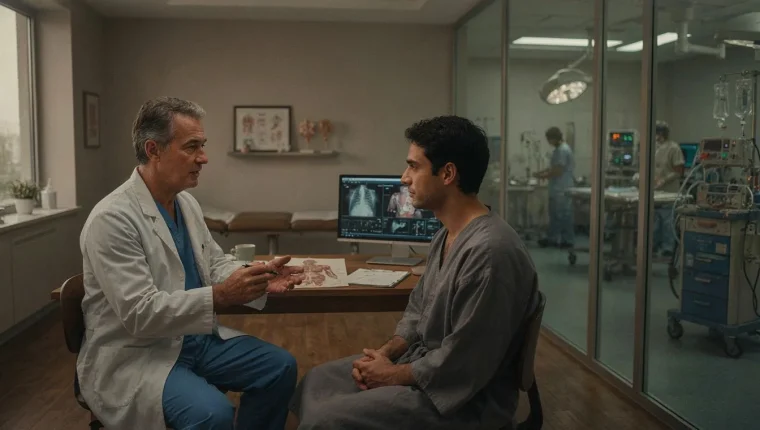
Many Canadian men find gynecomastia surgery in Turkey appealing because it may offer access to experienced surgeons and more predictable package pricing. Deciding whether it is worth pursuing involves more than comparing headline costs. You also need to consider the surgeon’s qualifications, the clinic’s standards, what the quoted fee includes, and how follow-up care will work after you return to Canada. This guide covers these practical and medical factors without promising savings or a specific result. Your suitability will depend on the cause and extent of your gynecomastia, your expectations, and an individual assessment by a qualified professional. The goal is to help you judge whether treatment abroad fits your priorities, health needs, recovery plans, and comfort level.
Why Canadians Consider Gynecomastia Surgery in Turkey
Canadian patients may investigate gynecomastia surgery in Turkey for several reasons beyond the advertised price. Some are looking for earlier scheduling, particularly when local consultations or operating-room availability involve long waits. Others value the privacy of travelling away from their usual community while addressing enlarged breast tissue that affects clothing choices, confidence, or physical comfort.
Turkey also has an established medical-tourism sector, with clinics often offering coordinated consultations, surgery, accommodation, and airport transfers. This convenience can make the process feel more manageable for international patients. However, a polished package or strong online presence does not automatically demonstrate high-quality medical care. Independent verification of the surgeon’s qualifications, hospital accreditation, procedure-specific experience, and follow-up arrangements remains essential.
Interest in overseas treatment should not be confused with personal suitability. Gynecomastia may involve glandular tissue, excess fat, loose skin, medication effects, or an underlying medical condition, so an appropriate clinical assessment comes first. Canadians should also consider whether they can remain abroad long enough for early monitoring and whether they have reliable support after returning home. The right decision depends on medical needs, risk tolerance, travel readiness, and confidence in the chosen care team—not simply on the destination.
What Is Included in the Treatment Cost?
A quoted treatment price should be viewed as a package with several components, not as the surgeon’s fee alone. Depending on the clinic, it may cover the preoperative consultation, blood tests, anesthesia, operating-room use, the surgeon’s fee, and routine hospital or facility charges. Some packages also include postoperative examinations, prescribed medication, compression garments, airport transfers, or a limited hotel stay.
The exact scope can change according to the patient’s needs. Liposuction alone may require a different budget from surgery involving glandular tissue removal, skin reduction, or treatment of pronounced asymmetry. The length of hospital observation, the number of nights included, and any additional medical assessment can also affect the final cost. Medication, laboratory testing, or treatment of an unexpected finding may be billed separately.
Before paying a deposit, ask the clinic for a written, itemised quotation. It should state what is included, what is excluded, whether an accompanying person incurs extra charges, and how changes to the treatment plan are handled. Patients should also check cancellation and rescheduling rules, refund conditions, accepted payment methods, currency conversion charges, and the timing of the remaining balance.
Package inclusions should never be assumed from an advertisement or a brief message. A reliable quote distinguishes medical fees from travel-related services and explains which costs could arise if the procedure becomes more extensive than initially planned. This clarity helps Canadian patients compare offers accurately and maintain a realistic budget.
How Do Turkish Clinics Compare With Canadian Options?

Comparing Turkish and Canadian clinics fairly requires looking beyond the advertised fee. Start with the consultation process: Canadian care may make in-person assessment and communication easier, while Turkish clinics often organize remote consultations before arrival. Ask whether the surgeon personally reviews your photographs, medical history, and goals, or whether the first discussion is handled mainly by a coordinator.
Facility standards, anesthesia arrangements, and access to qualified medical staff also deserve close attention. A lower quotation does not automatically indicate lower quality, just as a higher Canadian fee does not guarantee a better result. Request clear, current information about what the quoted treatment covers, which professional will perform each stage, and how unexpected findings would be managed.
Continuity of care is one of the clearest practical differences. In Canada, follow-up visits may be easier to attend and concerns can often be assessed locally. In Turkey, aftercare may involve scheduled reviews before the flight, remote communication afterward, and cooperation with a Canadian physician if a problem develops. This makes continuity of care a central comparison point rather than a minor convenience.
Travel time, accommodation, companion support, medication costs, time away from work, and the expense of returning for a revision can change the overall calculation. Possible complications or delayed healing may also require local medical care after you return. Before choosing, compare written quotations with at least one Canadian consultation and evaluate the complete care pathway, not just the initial surgical price.
How to Choose a Qualified Surgeon and Accredited Clinic
Choosing a surgeon and clinic requires more than comparing online prices or polished social-media photographs. Canadian patients should be able to verify who will perform the operation, where it will take place, and how responsibility will be managed if questions arise before or after treatment. A clinic’s willingness to provide clear documentation is often as important as its marketing.
- Relevant qualifications: Confirm the surgeon’s medical registration, specialist surgical training, and specific experience with male breast reduction, including cases involving glandular tissue, excess fat, or loose skin.
- Comparable results: Request properly consented before-and-after photographs showing patients with similar anatomy and treatment plans. Images should be consistent, dated where possible, and presented without unrealistic guarantees.
- Facility and anaesthesia: Verify the name and address of the operating facility, its hospital or surgical-centre status, who administers anaesthesia, and what monitoring is used during and after the procedure.
- Emergency arrangements: Ask how complications are handled, whether the facility has access to urgent medical support, and which clinician remains available outside normal office hours.
- Accreditation claims: Check accreditation directly with the issuing organisation rather than relying on badges displayed on a website. Also confirm that the accreditation applies to the actual facility where surgery will occur.
Communication should remain specific from the first consultation. The patient should know whether the person answering questions is the surgeon, a coordinator, or a sales representative, and whether an interpreter is involved. Before booking, obtain a written treatment plan identifying who conducts the assessment, performs the surgery, gives discharge instructions, and provides remote follow-up.
Ask how clinical records, operative notes, prescriptions, and photographs will be shared with a Canadian healthcare professional if needed. A qualified clinic should answer these questions without pressure and should explain when a patient is not an appropriate candidate for surgery.
What Happens During the Surgery and Recovery?
The process usually begins with an in-person examination and a review of your medical history. The surgeon assesses whether the chest fullness is caused mainly by firm glandular tissue, excess fat, loose skin, or a combination of these factors. This evaluation helps determine whether the procedure should involve excision, liposuction, skin tightening, or a combination of techniques. Photographs, blood tests, and, when clinically appropriate, additional investigations may also be requested before surgery.
On the day of treatment, gynecomastia surgery is typically performed under general anaesthesia, although the exact anaesthetic plan depends on the procedure and your health. Liposuction removes excess fatty tissue through small incisions, while glandular tissue is usually removed through an incision near the edge of the areola. Significant skin laxity may require a more extensive incision and a longer healing period. The surgeon will explain the planned approach before consent is finalized.
Afterward, discomfort, bruising, swelling, and temporary changes in sensitivity are common. A compression garment is generally worn as directed to support the treated area and help control swelling. Light walking is often encouraged early, but lifting, strenuous exercise, and chest-focused movements must be limited until healing progresses. Sutures, dressings, and drains, if used, are managed according to the clinic’s instructions.
Follow-up reviews allow the surgical team to check wound healing, fluid collection, infection, contour, and other concerns. Many patients resume desk-based activities within several days to a couple of weeks, while swelling and final chest definition can take several months to settle. Recovery time and risks vary according to the technique used, the amount of tissue removed, skin quality, smoking status, and individual health.
How to Plan Flights, Accommodation, and Follow-Up Care

Travel planning should be built around the period immediately after surgery, when mobility, comfort, and access to assistance matter most. Avoid scheduling a return flight too soon, and confirm the surgeon’s minimum travel interval rather than relying on a clinic package itinerary. Choose accommodation close to the clinic or hospital, with an elevator, a private bathroom, and enough space to rest without carrying luggage or climbing stairs.
- Flight timing: Arrange flexible tickets and allow extra days in Turkey for the planned review appointment and any unexpected change to the schedule.
- Transfers and luggage: Confirm who will collect you from the airport and use door-to-door transport, particularly after surgery. Pack lightly or arrange help with bags.
- Companion support: If possible, travel with a trusted adult who can assist with meals, transport, communication, and practical needs during the first recovery period.
- Documents and medication: Keep your passport, consent forms, treatment summary, prescriptions, allergy information, and medication list together in printed and digital formats. Check whether prescribed medicines can be carried into Canada.
- Follow-up communication: Obtain a direct clinic contact, written emergency instructions, and copies of operative records before leaving. Ask a Canadian physician in advance whether they can assess you after your return.
Before departure, check travel insurance exclusions carefully because elective surgery and related complications may not be covered. Agree in writing how the Turkish clinic will handle concerns after you return, including who reviews photographs, where urgent assessment should occur, and how additional treatment or a revision would be coordinated if necessary. Continuity of care depends on having these arrangements documented before booking the flight, not on verbal assurances made after surgery.
Is Gynecomastia Surgery in Turkey Worth It for Canadians?
For a Canadian patient, the value of treatment in Turkey depends on more than the advertised price. Savings may be meaningful, particularly when scheduling delays or domestic private-care costs are concerns, but they must be weighed against international travel, time away from work, and the practical difficulty of addressing an unexpected problem after returning home.
The decision is more likely to be reasonable when the surgeon’s credentials and results are independently verified, the quotation is transparent, recovery time is realistic, and the patient has received informed medical advice. A low price should not compensate for unclear anaesthesia arrangements, limited communication, or pressure to book quickly.
There is no universal answer. Continuity of care is often the deciding factor: Canadians should confirm who will manage questions after surgery, how complications would be handled, and whether a local doctor can support follow-up at home. A consultation with a qualified surgeon should guide the final choice.
FAQs
Is gynecomastia surgery in Turkey for Canadians more affordable than having the procedure in Canada?
Yes, gynecomastia surgery in Turkey is often more affordable for Canadians than undergoing the procedure in Canada, even after accounting for travel expenses. The total cost varies based on the clinic, surgeon, technique, accommodation, and whether the package includes consultations, medications, and follow-up care. Compare fully itemized quotes and verify the surgeon’s credentials and aftercare arrangements before deciding.
How can Canadians assess the safety and qualifications of Turkish gynecomastia surgeons?
Canadians should verify that the surgeon is a licensed specialist in plastic surgery, check credentials through Turkey’s official health authorities and reputable professional societies, and confirm hospital accreditation. They should review before-and-after results, independent patient feedback, complication and revision rates, and the surgeon’s specific experience with gynecomastia procedures. A video or in-person consultation should cover the technique, anesthesia, risks, aftercare, emergency arrangements, total costs, and follow-up available after returning to Canada.
What should Canadians know about travel, recovery, and follow-up care after surgery in Turkey?
Canadians should plan enough time in Turkey for initial recovery, follow-up appointments, and clearance to fly, as airlines and surgeons may have specific requirements. Arrange travel insurance that covers medical complications and confirm how follow-up care will continue in Canada, including access to your surgical records and a clear discharge plan. Seek urgent medical attention for severe pain, heavy bleeding, breathing problems, fever, or signs of infection after returning home.