Eyelid surgery, or blepharoplasty, can refresh your appearance and improve vision if drooping skin blocks your sight. But the result depends heavily on the clinic you choose. Turkey has become a popular destination for this procedure, with many clinics offering competitive prices and experienced surgeons. Not every clinic delivers the same quality. Some focus on high-volume, low-cost operations, while others prioritize detailed consultations and personalized care. If you are searching for the best eyelid surgery clinic Turkey has to offer, look beyond glossy websites and discounted package deals. You will learn which questions to ask, which credentials matter, and how to spot red flags before you commit. You will have a clear checklist for comparing clinics with confidence.
Why Turkey Has Become a Leading Destination for Eyelid Surgery
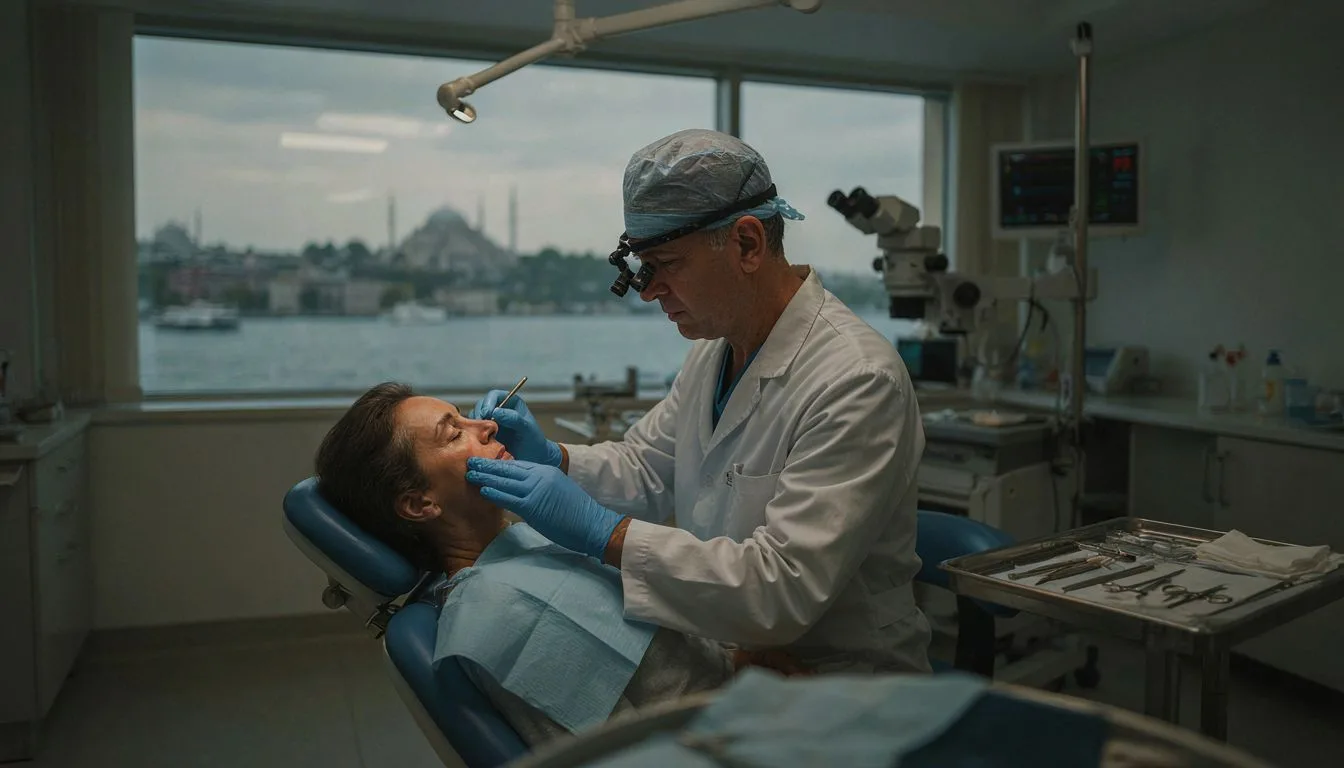
Turkey’s rise in medical tourism didn’t happen by accident. Over the past two decades, the country has built a reputation for combining surgical expertise with prices that make procedures like blepharoplasty accessible to a much wider group of patients. For eyelid surgery specifically, several factors converge to make Turkey a genuinely competitive option rather than just a cheaper one.
The first is volume. Istanbul and Ankara are home to a dense concentration of oculoplastic and plastic surgeons who perform eyelid procedures regularly, often several times a week. High surgical volume tends to sharpen technique and reduce complication rates, which matters for a procedure as delicate as blepharoplasty, where millimetres of tissue determine whether the result looks natural or overcorrected.
Cost structure plays a role too, but not in the way many people assume. The gap between Turkish and Western European or North American prices comes largely from lower operating costs, currency dynamics, and lighter administrative overhead, not from cutting corners on materials or anaesthesia. Many clinics in Turkey use the same suture brands, energy devices, and monitoring equipment found in German or British operating rooms.
Another driver is specialisation. Rather than offering every cosmetic procedure under one roof, a significant number of Turkish clinics focus narrowly on facial and periocular work. That focus shows up in how they plan incisions, manage scarring, and handle revision cases. It also means patients often deal with a smaller, more experienced team from consultation through follow-up.
Language and logistics have improved as well. English-speaking coordinators, airport transfers, and packaged aftercare are now standard at established clinics, removing much of the friction that once made overseas surgery feel risky. For patients comparing options, this combination of skill density, reasonable pricing, and streamlined service explains why Turkey keeps appearing at the top of the list.
What to Look for in a Best Eyelid Surgery Clinic Turkey
Once you have decided that Turkey is worth considering, the real work begins: separating clinics that genuinely deliver safe, refined results from those that simply market well. The strongest signal is not the size of the advertisement or the polish of the website, but how transparent a clinic is about the surgeon who will actually operate, the techniques used, and what happens if something does not go to plan. A clinic worth your trust will answer these questions before you ask them.
Because eyelid surgery is delicate and highly visible, the difference between a good and a mediocre outcome often comes down to surgical judgment rather than equipment alone. Look for a clinic that treats your consultation as a diagnostic process — one that examines your eyelid anatomy, tear production, and brow position rather than offering a single fixed package to every patient. The most reliable indicator of quality is a surgeon who specializes in oculoplastic or facial surgery and can show you a consistent body of work.
When you compare clinics, focus on the following practical criteria:
- Surgeon specialization: Confirm whether the operating doctor is dedicated to eyelid and periocular procedures, not a general cosmetic surgeon who performs them occasionally.
- Real patient results: Ask for before-and-after photos of patients with eyelids similar to yours, ideally taken under consistent lighting.
- Consultation depth: A serious clinic assesses your medical history, dry eye risk, and expectations before recommending any technique.
- Accreditation: Check that the facility holds recognized health tourism or hospital accreditation and meets international sterilization standards.
- Communication and follow-up: Reliable clinics provide clear written aftercare instructions and a direct contact for post-operative concerns.
A clinic that welcomes detailed questions, offers a realistic discussion of risks such as asymmetry or dry eye, and refuses to pressure you into a quick booking is usually the one that will look after you properly. Price matters, but it should never be the first filter — a cheap procedure that needs revision costs far more in the end.
How to Verify Surgeon Credentials and Board Certifications
Anyone can print a certificate, and a polished website tells you nothing about whether the person holding the scalpel is actually qualified to operate on your eyelids. Verification means going to the source — the official registries and boards that issue and track medical licenses — rather than trusting the clinic’s own marketing materials.
Start with the national registry. In Turkey, the Ministry of Health maintains a searchable database of licensed physicians, and every practicing surgeon must appear in it. Cross-check the surgeon’s full name, not just a first name or a nickname used on social media. Then confirm the medical school and residency program listed on their profile match what the clinic advertises. Discrepancies at this stage are a serious warning sign.
Board certification matters more than almost any other credential. A genuine board-certified plastic surgeon has completed an accredited residency and passed rigorous oral and written examinations. For eyelid surgery specifically, look for certification in plastic and reconstructive surgery, ophthalmology with an oculoplastic fellowship, or a recognized facial surgery board. Membership in bodies such as ISAPS, EBOPRAS, or the Turkish Society of Plastic, Reconstructive and Aesthetic Surgeons adds another layer of accountability, since these organizations require documented training and ethical standards.
Fellowship training deserves its own check. Oculoplastic surgery — the subspecialty dealing with the eyelids, tear ducts, and orbit — requires additional years of supervised practice beyond general training. If a surgeon claims this expertise, ask where the fellowship was completed and whether that institution is accredited.
Finally, verify that the surgeon holds active hospital privileges, not just operating rights at a private clinic. Hospital credentialing committees independently review qualifications, so privileges at a reputable hospital are meaningful third-party confirmation. When you contact the clinic, request copies of diplomas, board certificates, and fellowship documentation directly. A surgeon with nothing to hide will provide them without hesitation.
Evaluating Clinic Facilities and Surgical Technology Standards
When you walk into a clinic, the environment itself tells a story. A facility built for eyelid surgery should feel calm, clinically precise, and purpose-designed for delicate procedures around the eyes. Look for dedicated operating rooms with positive pressure ventilation and HEPA filtration, which reduce airborne contaminants and lower infection risk during blepharoplasty. General cosmetic rooms or shared multi-purpose theatres are a warning sign for eyelid work, where millimetre-level precision matters.
Technology standards separate competent clinics from exceptional ones. Modern eyelid surgery often benefits from:
- Microsurgical instruments designed for thin, delicate eyelid tissue rather than general plastic surgery tools.
- Radiofrequency or CO2 laser devices for precise incision and reduced bleeding.
- Advanced anaesthesia monitoring with dedicated anaesthesiologists present throughout the procedure.
- Sterilisation protocols that meet international standards, not just local minimums.
The surgeon’s preferred technique should match the technology on hand. If a clinic advertises laser blepharoplasty but lacks the corresponding equipment, that inconsistency reveals more than any brochure. Ask directly which devices are used and whether they are maintained under a documented service schedule.
Sterilisation deserves its own scrutiny. Eyelid surgery involves the thinnest skin on the body, and even minor contamination can cause visible complications. Reputable clinics track sterilisation cycles, use single-use consumables where appropriate, and can show you their infection control logs without hesitation.
Finally, consider the recovery environment. A facility equipped for proper post-operative monitoring, with quiet recovery bays and staff trained in ophthalmic aftercare, supports better outcomes than a busy assembly-line setup. When you evaluate a clinic, treat its physical standards and surgical technology as measurable evidence of how seriously it approaches your eyes.
Understanding Consultation, Pricing, and Aftercare Policies

Consultation, pricing, and aftercare are the three areas where expectations most often drift away from reality. A thorough consultation should feel like a working session, not a sales pitch. The surgeon or a senior member of their team should examine your eyelids, assess skin laxity and fat pads, review your medical history, and explain which technique suits your anatomy. You should leave that appointment understanding the planned approach, the anaesthesia type, the expected recovery timeline, and the realistic limits of what surgery can achieve. If the conversation rushes toward a deposit before your questions are answered, treat that as a warning sign.
Pricing deserves the same scrutiny. A single headline figure rarely tells the full story, so ask for a written breakdown that separates the surgeon’s fee, facility charges, anaesthesia, medications, and follow-up visits. The most important concept to grasp here is the all-inclusive quote: a transparent clinic states in writing what the price covers and what it does not, including whether revision surgery would carry an additional cost.
- Itemised written quote: Request a breakdown showing surgeon, facility, anaesthesia, and medication costs separately rather than one lump sum.
- Revision policy: Ask whether a touch-up procedure within a defined period is included or discounted, and get the answer in writing.
- Payment terms: Confirm the currency, deposit amount, refund conditions, and whether card or bank transfer fees apply.
- Aftercare schedule: Clarify how many follow-up appointments are included and who conducts them.
- Remote support: For international patients, check whether video reviews or a local contact are offered once you fly home.
Aftercare is where a clinic’s real character shows. Bruising and swelling are normal in the first two weeks, and most patients return to light activity within a few days, but you need clear instructions on cold compresses, head elevation, wound care, and when to resume exercise. Ask who you contact outside office hours if something concerns you, and confirm that the clinic provides written emergency guidance. A clinic that answers these questions precisely, without hesitation, is one you can trust with your recovery.
Red Flags to Avoid When Booking Your Procedure
Most disappointing eyelid surgery stories don’t begin in the operating room. They begin weeks earlier, in a chat window or a too-good-to-be-true price quote, where a warning sign was visible but easy to explain away. Learning to read those signs before you pay a deposit is one of the most protective steps you can take.
Be cautious when a clinic quotes a single figure before anyone has examined your eyelids. Eyelid anatomy varies enormously, and a surgeon who commits to a price without photos, a video call, or an in-person assessment is either guessing or planning to add costs later. A trustworthy clinic gives you a range and explains what would move you to the upper or lower end of it.
Watch for pressure tactics. Countdown discounts, “today-only” pricing, and sales staff who answer medical questions instead of a surgeon are all signs that the commercial side of the business is driving decisions. You should be able to speak with the person who will actually operate on you before committing.
Other signals deserve the same scrutiny:
- Vague answers about who performs the surgery, or a rotating team of unnamed doctors
- No written revision policy, or one that only applies if you return within an unrealistically short window
- Before-and-after photos that look filtered, use different lighting, or show only one angle
- Reviews concentrated in a single short period, or identical phrasing across multiple profiles
- Requests for full payment by bank transfer to a personal account rather than the clinic
- Reluctance to share the surgeon’s registration number or hospital affiliation in writing
One red flag outweighs all the others: a clinic that discourages questions. Genuine surgical teams expect you to ask about anaesthesia, scarring, dry eye risk, and recovery timelines, and they answer without irritation. If you feel rushed, flattered, or managed rather than informed, treat that discomfort as data. Walking away from a booking costs you nothing; walking away from a botched result is far harder.
FAQs
What should I look for when comparing the best eyelid surgery clinic Turkey options?
Focus on the surgeon's board certification through organizations like ISAPS or EBOPRAS, the clinic's accreditation by bodies such as JCI or the Turkish Ministry of Health, and a documented track record of eyelid-specific procedures rather than general cosmetic surgery. Request before-and-after photos of actual blepharoplasty patients and verify that the quoted price includes anesthesia, facility fees, follow-up visits, and revision policy in writing. Confirm that the surgeon communicates directly in your language or provides a qualified medical interpreter, since post-operative instructions and complication management depend on clear communication.
How can I verify a Turkish clinics surgeon credentials and hospital accreditation before booking?
Verify the surgeon's credentials through Turkey's Ministry of Health physician registry and the Turkish Medical Association (Türk Tabipleri Birliği), and confirm any specialty board certification directly with the relevant society. Check the hospital's accreditation status via the Ministry of Health's authorized health tourism facilities list, and look for international accreditations such as JCI, TEMOS, or ISO certifications on the facility's official documentation. You can also contact Turkey's Health Tourism Department (USHAŞ) or your country's embassy in Ankara to cross-check whether the clinic and surgeon are officially licensed for international patients.
What are the typical costs, recovery timelines, and aftercare arrangements for eyelid surgery in Turkey?
Eyelid surgery in Turkey typically costs between 1,500 and 3,500 euros depending on the clinic, surgeon experience, and whether the procedure is upper, lower, or combined. Most patients experience noticeable swelling and bruising for 7 to 10 days, with a return to normal activities within 1 to 2 weeks and final results settling over 3 to 6 months. Aftercare usually includes follow-up appointments, prescribed eye drops or ointments, and instructions to avoid strenuous activity and sun exposure, while many clinics offer remote check-ins for patients who travel home soon after surgery.