Rhinoplasty is one of the most commonly performed facial plastic surgeries, and it is generally considered safe when done by a qualified surgeon in an accredited facility. Safe does not mean risk-free. Every operation carries some degree of uncertainty, and nose surgery is no exception.
Most people recover without lasting problems, but you should still understand the possible rhinoplasty safety risks before you decide. Common side effects include swelling, bruising, and temporary numbness around the nose. More serious complications, though rare, can involve infection, excessive bleeding, breathing difficulties, or an unsatisfactory cosmetic result.
Your overall health, the surgeon’s skill, and how closely you follow aftercare instructions all shape your outcome. Knowing what can go wrong helps you weigh the benefits against the downsides and ask the right questions during your consultation.
How Safe Is Rhinoplasty? A Look at Overall Risk
When people ask how safe rhinoplasty is, they are usually looking for a single reassuring number. The honest answer is that safety depends less on the procedure itself and more on who performs it, where it is performed, and how healthy the patient is going in. Rhinoplasty has a well-established track record, and the overwhelming majority of patients complete surgery without major problems. Still, no operation is risk-free, and understanding the overall risk profile means separating everyday issues from rare but serious events.
Risk can be divided into three layers. The first layer covers minor, temporary effects such as swelling, bruising, and congestion, which are expected parts of healing rather than true complications. The second layer includes problems that need monitoring or a small intervention, like a minor infection or a slow-healing area. The third and smallest layer involves serious events such as heavy bleeding, anesthesia reactions, or breathing difficulties. The key point is that overall complication rates for rhinoplasty are low, and the most common entries on that list fall into the first, self-limiting layer.
Context matters enormously here. Rhinoplasty is frequently performed as an outpatient procedure, often with general anesthesia, and modern protocols have made both the surgery and the recovery more predictable than in past decades. Surgeon experience is arguably the single strongest influence on safety: revision cases and complex functional repairs carry higher risk than a straightforward primary procedure, and a surgeon who performs these operations regularly is better equipped to anticipate and manage them.
Patient factors shift the picture as well. Smoking, uncontrolled high blood pressure, bleeding disorders, and certain medications can all raise the chance of problems, which is why a thorough pre-operative assessment is not a formality. When these variables are identified and addressed ahead of time, the realistic risk for most healthy adults remains modest and manageable.
Common Side Effects After Nose Surgery
Once the splints and dressings come off, most patients are relieved to find that what they are experiencing is far more ordinary than they feared. The discomfort, swelling, and bruising that follow a nose job are expected parts of the healing process, not signs that something has gone wrong. Knowing which symptoms fall into that normal range can spare you a lot of unnecessary worry in the first few weeks.
Swelling sits at the center of nearly everything you will notice early on, and it is the single most important factor shaping how your result looks day to day. Because the nose sits on a scaffold of bone and cartilage, the soft tissue around it reacts to surgical trauma by retaining fluid, and this postoperative swelling can make the bridge look wider and the tip look rounder than the final outcome will be. Bruising tends to appear under the eyes and usually fades within one to two weeks, while the deeper swelling can take months to resolve fully.
Beyond visible changes, patients commonly report a cluster of sensations and minor complaints that are temporary and manageable:
- Nasal congestion: A blocked or stuffy nose is almost universal in the first week, partly from swelling and partly from internal splints or packing.
- Mild to moderate pain: Most people describe pressure or a dull ache rather than sharp pain, and it is typically controlled with prescribed medication.
- Headaches: These often stem from congestion, swelling, or the pressure of splints rather than from the surgery itself.
- Numbness or altered sensation: The tip of the nose and the upper lip may feel numb or tingly for weeks as small nerves recover.
- Minor bleeding or crusting: A small amount of blood-tinged discharge and dry crusting inside the nostrils is normal during early healing.
- Changes in smell or taste: A temporary dulling of these senses is common and generally returns as swelling subsides.
These symptoms follow a predictable timeline: congestion and bruising improve first, while tip swelling and numbness are the slowest to settle. If a symptom intensifies rather than gradually eases, or if it appears after you had already been improving, that shift is worth a call to your surgeon rather than a wait-and-see approach.
Serious Complications and When They Occur
Most rhinoplasty operations end without anything more than the temporary discomfort described earlier, but a small share of patients develop problems that are genuinely serious. These events are rare — large reviews place major complications well below 5% of procedures — yet they matter because the timing of each one is fairly predictable, and early recognition changes outcomes.
Bleeding that will not stop, called a hematoma, typically appears within the first 24 to 48 hours. Blood collects under the skin or the nasal lining, causing one-sided swelling, pressure, and sometimes a visible bulge. If it is drained promptly, the nose usually heals normally; left alone, it can damage the cartilage framework. Infection follows a different clock, usually surfacing between the third and tenth day, with increasing pain, warmth, redness, or fever as warning signals. Because the nose has a limited blood supply, especially after grafts are placed, an infection that is not treated with antibiotics — and occasionally surgical drainage — can threaten the structural result.
Airway and healing problems tend to emerge later. A septal perforation, a hole in the wall between the nostrils, may cause whistling, crusting, or nosebleeds and can become noticeable weeks to months after surgery. Scar tissue inside the nasal passages, known as synechiae, can narrow breathing over the same timeframe. Rarely, skin over the tip loses its blood supply and breaks down, a risk that climbs when the tissue is thin or the nose has been operated on before. Severe, uncontrolled pain with vision changes or a bulging eye is a medical emergency and requires immediate care.
Timing is the practical takeaway: the first two days belong to bleeding, the first two weeks to infection, and the following months to scarring and structural changes. Knowing which window you are in makes it easier to judge whether a symptom is routine or deserves a call to your surgeon.
Who Faces Higher Risks During Rhinoplasty
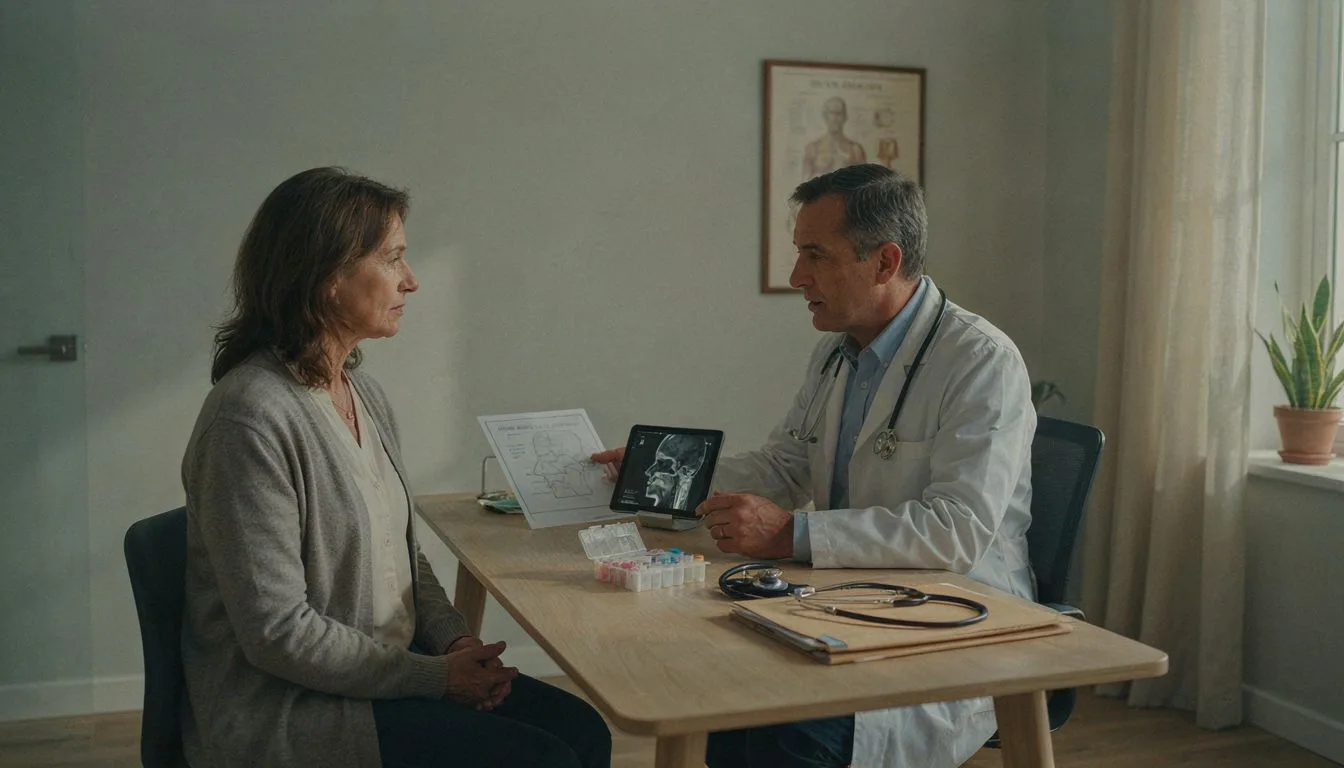
Not every patient starts from the same baseline. Certain medical conditions, lifestyle factors, and anatomical realities can meaningfully shift the balance of rhinoplasty safety risks, which is why a thorough pre-operative evaluation matters as much as the surgery itself.
One of the strongest predictors of complications is a history of uncontrolled medical conditions. Patients with poorly managed diabetes, hypertension, or autoimmune disorders tend to heal more slowly and face higher rates of infection and wound dehiscence. Similarly, anyone taking blood-thinning medications, including certain anticoagulants, aspirin, or even high-dose herbal supplements, bleeds more easily during and after surgery.
Smoking deserves its own mention. Nicotine constricts blood vessels and carbon monoxide reduces oxygen delivery to tissues, both of which impair the microcirculation that nasal skin depends on. Smokers are more prone to skin necrosis, delayed healing, and poorer cosmetic outcomes, and many surgeons ask patients to stop for at least several weeks before and after the procedure.
Anatomy also plays a role. A previously operated nose, a very thin skin envelope, or a severely deviated septum can make the surgery technically harder and raise the chance of revision or asymmetric results. Age matters too: adolescents whose facial growth isn’t complete, and older adults with thinner skin and slower recovery, both sit in a higher-risk bracket.
Finally, psychological factors shouldn’t be overlooked. Patients with unrealistic expectations or body dysmorphic concerns are more likely to be dissatisfied regardless of how technically successful the operation is. Being honest about these personal risk factors during consultation is one of the most effective steps a patient can take to protect their own outcome.
How Surgeons Reduce Safety Risks in Rhinoplasty
Experienced rhinoplasty surgeons treat patient safety as something they build into the operation rather than something they hope for afterward. Their advantage comes from preparation: a thorough medical evaluation, a realistic surgical plan matched to the patient’s anatomy, and a controlled operating environment. Each of these elements lowers the chance that a known complication will develop, and together they form the practical answer to how modern nose surgery has become a dependable procedure for appropriately selected patients.
Several concrete measures account for most of the risk reduction seen in practice:
- Comprehensive pre-operative screening identifies conditions such as uncontrolled hypertension, bleeding disorders, or poorly managed diabetes that raise complication rates, allowing surgery to be postponed or the plan adjusted.
- Medication and supplement review catches blood-thinning drugs and herbal products that increase bleeding, so they can be stopped well before the operation.
- Anesthesia delivered by a dedicated anesthesiologist keeps vital signs stable throughout the procedure and allows immediate response if anything changes.
- Conservative tissue handling preserves the structural support of the nose, reducing the need for revision surgery and lowering the risk of airway problems later.
- Meticulous sterile technique minimizes the chance of infection, which remains one of the more serious complications of any nasal operation.
- Structured follow-up visits let the surgeon detect early warning signs, such as unusual swelling or poor healing, while they are still easy to manage.
The surgeon’s experience matters because it shapes judgment, not just technical skill. A specialist who performs rhinoplasty regularly recognizes anatomical variations, anticipates difficult bleeding points, and knows when to stop rather than push a result further than the tissue can safely tolerate. That judgment is the strongest protective factor a patient can choose. Selecting a board-certified surgeon who operates in an accredited facility, and following pre- and post-operative instructions closely, gives patients the most direct control over their own safety.
Recovery Warning Signs and Long-Term Safety

The first two weeks after surgery are when most problems announce themselves, and the signals worth watching are usually obvious rather than subtle. A fever above 101°F, chills, or a nose that becomes increasingly red, hot, and tender rather than steadily less so can point to an infection that needs prompt treatment. Sudden, heavy bleeding that soaks through dressings, or bleeding that restarts after it had stopped, also warrants an immediate call. Severe pain that keeps escalating instead of fading over the first few days is another red flag, as is swelling that suddenly worsens on one side only. Any change in vision, confusion, or difficulty breathing is a medical emergency, not a wait-and-see situation.
Beyond those acute signals, a few longer-term issues deserve attention. Persistent numbness that never improves, a nasal blockage that stays fixed on one side for months, or a visible change in the shape of the nose after swelling has fully settled may indicate a structural problem rather than normal healing. Most surgeons consider the nose largely stable by the twelve-month mark, so concerns that linger past that point are worth a formal evaluation rather than watchful waiting. Keeping every scheduled follow-up appointment is what makes these problems catchable early, when they are easiest to correct.
Long-term safety ultimately rests on a simple habit: report anything that feels wrong, even if it seems minor. Patients who speak up early tend to have the smoothest recoveries, because early detection of a complication almost always leads to a simpler fix than a delayed one. Trust your instincts, contact your surgeon without hesitation, and let the healing process unfold at its own pace.
FAQs
What are the most common side effects people experience after rhinoplasty?
The most common side effects after rhinoplasty are swelling, bruising around the eyes, and a congested or stuffy nose, all of which are expected and typically fade within one to two weeks. Mild pain, headaches, and temporary numbness or altered sensation in the nose and upper lip are also frequent and usually resolve on their own. These effects are normal parts of the healing process rather than signs of a complication, though persistent or worsening symptoms should always be checked by your surgeon.
How does rhinoplasty safety risks change when the procedure is performed by a board-certified surgeon versus a non-specialist?
A board-certified plastic surgeon who specializes in rhinoplasty brings formal training, verified credentials, and a deep understanding of nasal anatomy that directly lowers the risk of complications. Non-specialists may lack this focused expertise, which can increase the likelihood of issues such as poor healing, breathing problems, or revision surgery. Choosing a qualified, experienced surgeon remains one of the most effective steps you can take to reduce rhinoplasty risks.
Are there long-term health complications linked to rhinoplasty that patients should know before surgery?
Long-term complications from rhinoplasty are uncommon but real, and the ones patients should weigh most carefully are persistent breathing difficulties, chronic nasal obstruction, and changes to the nasal valve that can develop gradually as scar tissue matures. Some patients also experience lasting numbness around the tip or bridge, and in rare cases the cartilage framework can weaken over time, leading to late structural collapse or asymmetry that may require revision surgery. Most of these issues trace back to how the surgery was performed and how the nose heals, so choosing a board-certified facial plastic or plastic surgeon with a strong revision track record is your best protection. If you have underlying conditions like autoimmune disease or a history of poor wound healing, raise them during your consultation, since those can meaningfully raise your long-term risk profile.