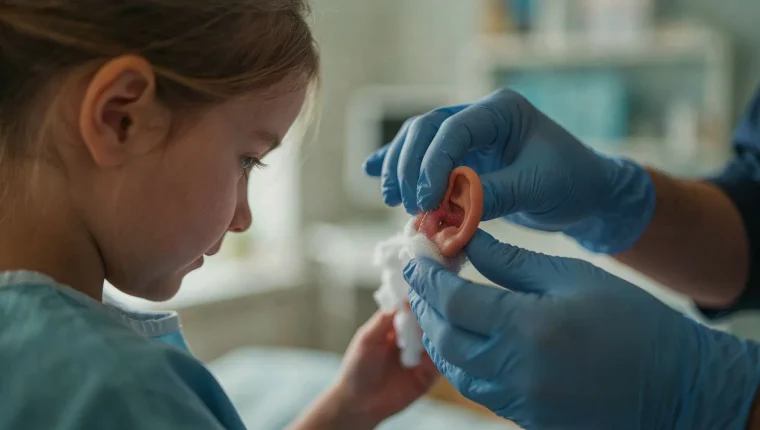
Protruding or noticeably asymmetric ears can affect self-confidence at any age, whether a child faces teasing at school or an adult has spent years hiding their ears under their hair. Otoplasty, or ear pinning surgery, is a straightforward procedure that repositions the ears closer to the head and creates a more balanced, natural look. But it is not the right choice for everyone. A good otoplasty candidate is generally someone in overall good health who has fully developed ears (usually by age five or six), realistic expectations, and no untreated ear infections or chronic conditions that could interfere with healing. Adults who smoke may be asked to quit beforehand, as smoking slows recovery. Understanding where you stand on these points is the first step toward deciding whether this surgery makes sense for you or your child.
Who Is a Good Candidate for Otoplasty?
A good otoplasty candidate is generally someone whose ears protrude, appear oversized, or sit asymmetrically in a way that bothers them — and who is healthy enough to undergo a straightforward surgical procedure. While the physical characteristics of the ears matter, candidacy is just as much about overall health, motivation, and having a clear understanding of what the surgery can realistically deliver.
Most people who seek this procedure share a few common traits. They are in good general health, free of conditions that impair healing such as uncontrolled diabetes or active infections, and they do not smoke, or are willing to stop temporarily around the time of surgery. They also understand that results are permanent but that the goal is improvement in proportion and symmetry, not perfection.
Beyond physical factors, the strongest candidates tend to be operating from their own desire rather than outside pressure. An adult who has spent years feeling self-conscious about their ears, or a child who faces teasing at school, often experiences meaningful gains in confidence after correction. The ideal otoplasty candidate approaches the procedure with specific, realistic goals and a willingness to follow pre- and post-operative instructions carefully.
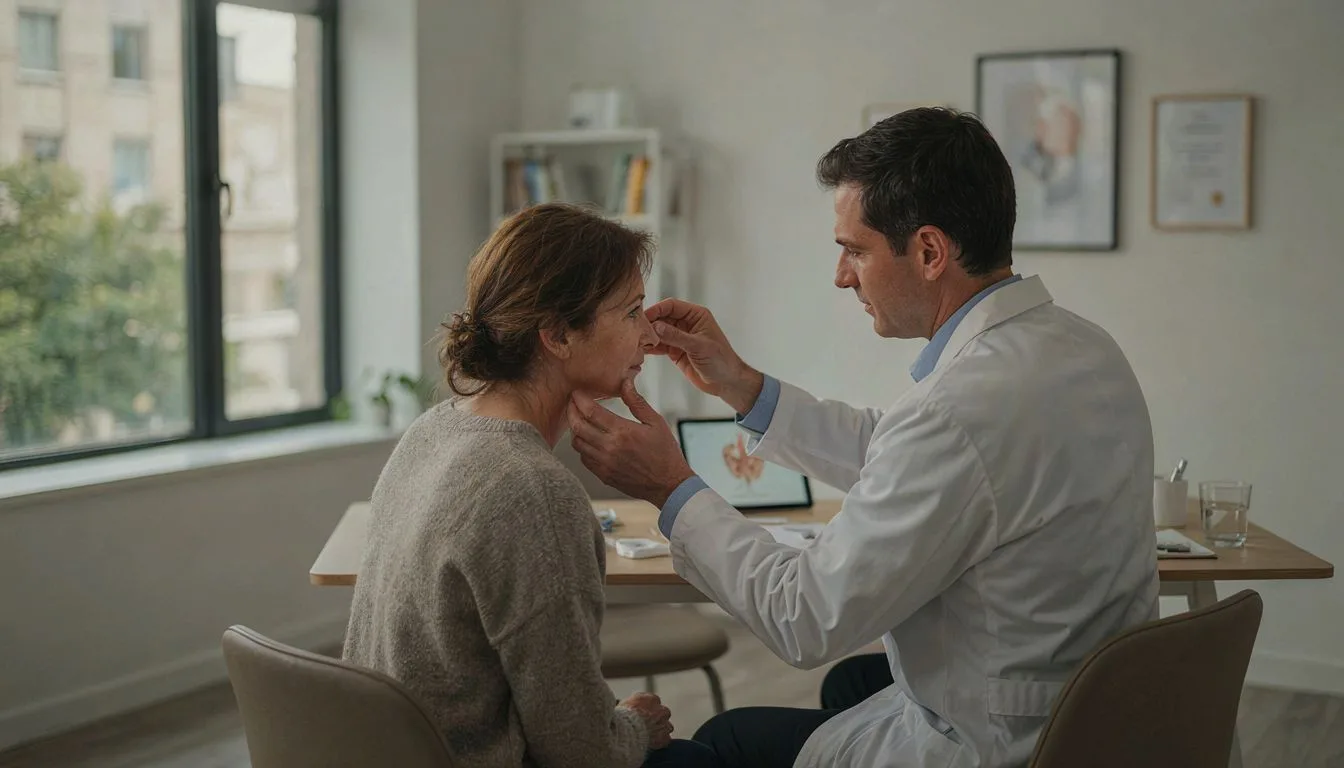
It is also worth noting that candidacy is confirmed through a personal consultation. During this evaluation, a surgeon examines ear cartilage, reviews medical history, and discusses expectations to determine whether the procedure aligns with the individual’s anatomy and goals. This assessment is what ultimately transforms general suitability into a personalized surgical plan.
Age Requirements: When Can Otoplasty Be Performed?
Timing is one of the most practical questions families ask, and the answer is more specific than many expect. Most surgeons recommend waiting until the ears have reached roughly 90% of their adult growth, which typically happens by age five or six. Performing the procedure before this point carries the risk that continued ear growth alters the surgical result.
Age alone doesn’t tell the whole story. Surgeons evaluate several factors when deciding whether a child — or an adult — is ready:
- Cartilage stability: The ear cartilage must be soft enough to shape easily yet developed enough to hold its new position. This balance is usually ideal between ages five and seven.
- Emotional readiness: Children old enough to understand what is happening tend to cooperate better during recovery. For young kids, the conversation should focus on making things better, not on anything being “wrong.”
- School-age advantage: Many families choose the five-to-seven window because correcting prominent ears before children begin full-time schooling may spare them teasing and the self-consciousness that often follows.
- Adult flexibility: There is no upper age limit. Adults of any age can undergo otoplasty, though cartilage is firmer in adulthood, which may slightly change the surgical technique used.
For adults, health status matters far more than age — conditions like uncontrolled diabetes or smoking habits influence healing, a topic covered in the next section. What matters for timing is this: the earliest sensible window opens around age five, but the right moment ultimately depends on the individual child’s development and the family’s comfort with moving forward.
Physical Health Factors That Affect Eligibility
Beyond age, the overall state of your health plays a decisive role in whether ear surgery is a safe and sensible option. Surgeons consistently look for candidates in good general health, because healing quality depends heavily on the body’s ability to recover. The single most important medical screening factor is the absence of uncontrolled chronic conditions — issues such as poorly managed diabetes, autoimmune disorders, or bleeding problems can significantly impair wound healing and increase surgical risk.
A chronic diagnosis does not automatically disqualify you. Many people with well-managed conditions undergo otoplasty without complications. The key word is “managed”: your physician’s clearance and stable lab values matter far more than the diagnosis itself. Before scheduling surgery, a reputable surgeon will review your medical history, current medications, and any previous reactions to anesthesia.
A few specific health considerations deserve attention. Smokers are typically asked to quit several weeks before and after the procedure, as nicotine restricts blood flow to the delicate ear tissue and slows recovery. Active ear infections must be fully treated first. Blood-thinning medications and certain supplements may also need to be paused under medical supervision.
For children, these criteria are usually straightforward — most young candidates are healthy, which is one reason early adolescence is an ideal window. For adults, a candid conversation about your full health picture is essential. Honest disclosure allows your surgeon to plan safely, adjust techniques if needed, or recommend delaying surgery until your health is optimized. Eligibility, in this sense, is less about perfection and more about stability.
Ear Conditions That Otoplasty Can Correct

Otoplasty is not a one-size-fits-all procedure; it is a versatile technique that can address a range of structural ear concerns. The most common reason people seek this surgery is prominent ears, where the ear flares outward from the side of the head more than roughly 2 centimeters. This is usually caused by an underdeveloped antihelical fold or an overly deep conchal bowl, both of which can be reshaped during the procedure.
Beyond prominence, otoplasty can correct several other conditions. Ears that appear excessively large relative to the face, a trait sometimes called macrotia, can be reduced in size. Cup ear deformities, where the top of the ear folds forward and droops, can be unfolded and repositioned. Stahl’s ear, marked by a pointed upper edge due to an extra cartilage fold, can also be smoothed into a more natural contour.
Asymmetry is another frequent motivation. Many people have one ear that projects more than the other, and surgical adjustment can bring both ears into closer balance. Ears that have been stretched or damaged by injury, heavy earrings, or torn earlobes may also benefit from corrective techniques, although earlobe repair is often treated as a related but distinct procedure.
Otoplasty reshapes the outer ear only. It does not improve hearing, nor does it correct conditions affecting the ear canal or middle ear. Understanding this distinction helps set the right expectations before moving forward with any surgical decision.
Realistic Expectations: What the Procedure Can and Cannot Achieve
One of the most valuable conversations you can have before ear surgery is an honest one about outcomes. Otoplasty can dramatically improve the position, shape, or proportion of the ears, but it works within the limits of your existing anatomy. Setting realistic expectations before surgery is what separates satisfied patients from disappointed ones, and it is something an experienced surgeon will actively discuss during your consultation.
What can you confidently expect? In the hands of a qualified surgeon, the procedure reliably reshapes cartilage and repositions the ears closer to the head, creating a more balanced facial appearance. The results are permanent, because the cartilage is surgically repositioned rather than temporarily adjusted. Most patients report that the change feels natural and that others notice harmony in their face without immediately identifying the ears as the reason.
It is equally important to understand the limits of the procedure. Consider these points:
- Otoplasty changes ear position and shape, not hearing. The outer ear plays only a minor role in sound collection, so the surgery neither improves nor worsens hearing function.
- Perfect symmetry is not achievable. Ears are naturally slightly different on every person; the goal is improvement toward balance, not identical twins.
- Scars fade but do not vanish. Incisions are typically hidden behind the ear, and they usually become barely noticeable over time, yet no incision disappears completely.
- Minor asymmetries can persist. Small irregularities in contour or positioning may remain, and in rare cases a minor revision procedure is discussed after full healing.
- Results depend on your anatomy. The thickness of your cartilage and the nature of your ear’s structure influence how dramatic the final correction can be.
Understanding these boundaries early also protects you emotionally. When you know that the aim is meaningful improvement rather than flawless perfection, small natural variations after healing feel acceptable rather than alarming. A good way to gauge your own expectations is to ask your surgeon to show before-and-after photos of patients with ears similar to yours, and to listen carefully to how they describe the likely outcome for your specific case. Surgeons who promise absolute perfection should be approached with caution; those who explain both the possibilities and the limits are usually the ones you can trust.
Emotional Readiness and Motivation for Surgery
Physical health and realistic expectations are only part of the picture. The final—and often most overlooked—criterion is whether you are truly prepared for the experience on an emotional level. A successful otoplasty candidate is not just someone with suitable anatomy, but someone whose decision comes from a stable, self-directed place.
The healthiest motivation is internal. Patients who seek surgery because *they* feel bothered by their ears, or because they want to feel more comfortable in photos, social settings, or their own reflection, tend to report the highest satisfaction after recovery. In contrast, undergoing surgery to satisfy someone else’s opinion—a partner, a parent, or social media standards—often leads to disappointment, even when the surgical result is technically excellent.
This is especially important for children and teenagers. A school-age child who genuinely wants the procedure and understands what it involves usually adapts far better than one who feels pressured into it. Parents play a key role here: listening carefully to how the child talks about their ears can show whether the desire is authentic. For adults, it is worth asking whether the concern has persisted consistently over time rather than emerging suddenly during a stressful period.
Timing also matters emotionally. The ideal candidate has the capacity to go through the recovery phase patiently—wearing a headband, tolerating temporary swelling, and waiting months for the final result to settle. Someone in the middle of a major life crisis, or hoping surgery will resolve broader emotional difficulties, may benefit from postponing the decision or discussing it with a mental health professional first.
A useful self-check is simple: can you describe your reasons in your own words, accept the limitations discussed earlier, and commit to the aftercare process without resentment? If the answer is yes, your motivation is likely on solid ground. Surgeons themselves often use the consultation to assess exactly this—so arriving with honest, personal reasons is not only emotionally healthy, it also helps your surgical team deliver the outcome you truly want.
When Otoplasty May Not Be the Right Choice
While otoplasty is a safe and well-established procedure, it is not universally suitable. Recognizing the situations where surgery should be postponed or avoided is just as important as knowing who qualifies, and it protects both your health and your investment in the outcome.
Certain conditions can make a person a poor candidacy risk in the near term. Active ear infections, chronic wound-healing problems, or uncontrolled conditions such as diabetes can compromise recovery and increase complication rates. Smokers face a similar concern, as nicotine restricts blood flow to the delicate tissues of the ear and slows healing; most surgeons require patients to quit well before the operation.
There are also motivational red flags that experienced surgeons take seriously. If someone is pursuing surgery primarily to satisfy another person, to solve broader emotional struggles, or with the hope of achieving a completely different life, the procedure rarely delivers the satisfaction they expect. Otoplasty reshapes ears; it does not resolve deeper dissatisfaction, and operating on an unwilling or ambivalent patient often leads to regret regardless of how technically successful the result is.
Timing can also disqualify someone temporarily. Children whose ear cartilage has not yet reached sufficient maturity may need to wait, as operating too early can compromise the stability of the correction. Adults undergoing significant life transitions—such as major weight changes, planned pregnancies, or periods of intense stress—are sometimes advised to wait until circumstances settle, since stable conditions support both smoother recovery and a clearer state of mind.
Finally, certain ear conditions fall outside what otoplasty can address. Hearing loss, structural defects of the ear canal, or congenital malformations involving missing cartilage may require entirely different reconstructive approaches rather than standard ear-pinning techniques. A thorough examination will clarify which path is appropriate.
The most reliable way to avoid an unsuitable procedure is an honest consultation. A qualified surgeon will tell you plainly when waiting, treating an underlying condition, or choosing an alternative approach serves you better—and that candor is a sign of quality care, not a rejection.
FAQs
At what age can children safely undergo otoplasty?
Most surgeons recommend waiting until a child is around 5 to 7 years old, when the ears have reached about 90% of their adult size and the cartilage is soft enough to reshape easily. At this age, children are also old enough to cooperate with aftercare instructions while still young enough to avoid lasting teasing from peers. In good candidates for otoplasty, this early timing often leads to excellent, long-lasting results.
Does otoplasty work for adults, or is it mainly for children?
Otoplasty works very well for adults, not just children. The ear cartilage is fully developed by around age five or six, so adults can achieve stable, long-lasting results just like younger patients. In fact, many adults choose the procedure later in life after years of feeling self-conscious about protruding or asymmetrical ears. Good skin elasticity and overall health matter more than age when it comes to being a strong otoplasty candidate.
What ear conditions make someone a good fit for this surgery?
Otoplasty is well suited for people with protruding or prominently sticking-out ears, oversized ears, ear deformities present since birth, or misshapen ears caused by injury or previous surgery. It can also correct conditions like lop ear, cupped ear, or shell ear, where part of the outer ear's natural folds are missing or underdeveloped. The key requirement is that the ears have fully developed, which typically happens by age five or six, and that the candidate is in good overall health.