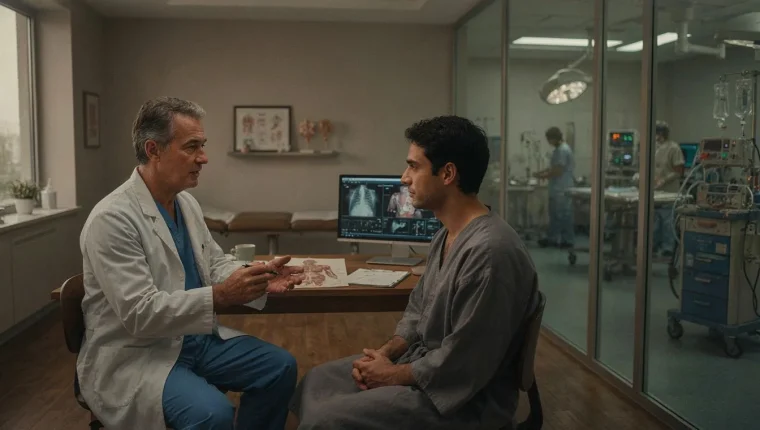
For Americans considering gynecomastia surgery in Turkey, the decision involves more than comparing advertised prices. The right choice depends on the surgeon’s quality, the recommended technique, the clinic’s standards, and the practical demands of traveling abroad for treatment. You also need to consider the consultation process, what the package includes, and how follow-up care will work after you return home. Turkey may offer competitive pricing and experienced providers, but lower cost alone does not make surgery worthwhile or safe. Your decision may depend on medical suitability, provider credentials, travel planning, and recovery support. By examining the full experience—not just the headline fee—you can decide whether treatment abroad genuinely fits your health needs, expectations, budget, and comfort level.
Why Americans Consider Gynecomastia Surgery in Turkey
For many American men, researching gynecomastia surgery in Turkey begins with the desire for a more predictable and discreet treatment experience. Local options may feel expensive, involve long consultations, or offer limited scheduling flexibility. Turkey has become attractive to international patients because private clinics often provide coordinated consultations, surgery, accommodation support, and follow-up planning through one medical travel service.
Cost can be an important motivation, but it is rarely the only one. Some patients value shorter waiting times, access to surgeons who frequently treat male chest concerns, and the ability to arrange the process privately away from their usual social environment. Others appreciate clinics that are accustomed to communicating with overseas patients and organizing appointments around a limited travel schedule.
These advantages do not remove the need for careful medical decision-making. Enlarged male breast tissue can have different causes, including glandular tissue, excess fat, loose skin, medication effects, or an underlying health condition. A qualified physician should confirm the diagnosis and determine whether surgery is appropriate before any travel plans are finalized. Proper candidacy assessment is therefore more important than an attractive package or a low quoted price.
American patients should also consider whether they can manage international travel, postoperative restrictions, and communication with their home doctor after returning. Turkey may offer practical value, but the right choice depends on medical suitability, realistic expectations, and the quality of the complete care pathway.
How Turkey Compares With U.S. Treatment Costs
Comparing headline prices can make treatment in Turkey appear substantially less expensive than in the United States, but the figures are only meaningful when the quotes cover similar services. A U.S. estimate may separate the surgeon’s fee, hospital or facility charges, anesthesia, preoperative testing, garments, medications, and follow-up visits. Turkish clinics may present these items as one package, sometimes with accommodation or local transfers included.
Ask each clinic for an itemized quotation and confirm exactly what is covered. Important questions include whether the package includes blood tests, imaging if required, anesthesia, facility fees, compression garments, prescribed medication, postoperative checks, and treatment for an unexpected complication. Also ask which services are excluded, such as additional nights, treatment of unrelated conditions, or a revision procedure.
The potential saving should then be compared with the complete out-of-pocket cost, including airfare, meals, currency-conversion fees, and any care needed after returning home. These expenses can vary widely, so verify current prices and package details directly with the clinic rather than relying on outdated advertisements or promotional rates.
Insurance and payment options also differ. In the U.S., coverage may depend on whether surgery is considered medically necessary, while cosmetic treatment is commonly excluded. Turkish clinics may offer staged payments or financing through third parties, but terms, interest, refunds, and cancellation policies require careful review. The most useful comparison is therefore the total treatment cost, not the advertised surgical fee alone.
What the Procedure and Techniques Involve
The operative plan depends on what is creating the chest fullness. During examination, the surgeon assesses whether the tissue is primarily firm glandular tissue, soft fatty tissue, loose skin, or a combination. This distinction matters because a technique that works well for one patient may produce an incomplete result for another.
Technique selection commonly involves one of three approaches. Liposuction removes localized fat through small cannula openings and may be suitable when excess fat is the main concern and skin elasticity is adequate. Direct excision removes firm breast gland tissue through an incision, often positioned around the edge of the areola. Many patients require a combined approach, using liposuction for surrounding fat and excision for the denser central tissue.
Skin excess, chest asymmetry, areola size, and the position of each nipple can make the plan more complex. Significant loose skin may require additional skin removal and longer or more visible scars. Mild asymmetry can often be improved, but perfectly identical sides cannot be guaranteed. These findings should be discussed during an in-person examination rather than inferred from photographs or a standard treatment package.
Before scheduling surgery, the consultation should clarify the proposed incisions, anesthesia method, expected scarring, and whether the surgeon anticipates drains or tissue testing. The surgeon should also explain what the technique is intended to correct and what it cannot change. A personalized plan based on physical findings is more meaningful than choosing a package that lists liposuction or gland removal without describing why it is appropriate.
How to Choose a Qualified Turkish Surgeon
Choosing a surgeon requires more than comparing package prices or browsing polished clinic websites. Your decision should be based on verifiable qualifications, relevant experience, and the safety standards behind the operation. A surgeon who regularly treats gynecomastia can assess the relationship between glandular tissue, excess fat, skin quality, and chest shape more reliably than someone who mainly performs unrelated cosmetic procedures.
- Training and licensing: Confirm that the surgeon is a formally trained specialist, legally licensed to practice in Turkey, and experienced with male breast reduction procedures.
- Relevant case experience: Review before-and-after photographs from patients with anatomy similar to yours. Look for consistent results, balanced contours, and images taken after sufficient healing rather than immediately after surgery.
- Facility and anesthesia: Ask where the operation will take place, who will administer anesthesia, and whether the facility has appropriate monitoring, emergency equipment, and hospital access if complications occur.
- Clear communication: Establish whether you will speak directly with the surgeon before booking and who will answer medical questions afterward. A coordinator can assist with logistics, but important clinical decisions should come from the surgeon.
Before committing, request a consultation that addresses your medical history, examination findings, proposed technique, possible scars, and realistic limitations. Be cautious if the surgeon promises a guaranteed result, avoids discussing risks, or recommends surgery without reviewing photographs, records, or your goals.
Independent verification also matters. Check professional registration where possible, search for disciplinary information, and ensure that the consent documents identify the actual operating surgeon. A credible consultation should leave you informed enough to compare options—not pressured to transfer a deposit quickly.
What American Patients Should Know About Travel and Clinics

Travel planning should begin well before the operation date. Allow enough time in Turkey for an in-person consultation, medical history review, physical examination, and any tests the surgeon considers necessary. Patients should also expect to remain nearby after surgery rather than flying home immediately, because the clinic may want to assess the early postoperative period before approving travel.
Choose accommodation with easy access to the clinic, an elevator, a private bathroom, and a quiet environment. Arrange reliable airport and clinic transportation instead of depending on unfamiliar public transit while recovering. If you are traveling alone, consider bringing a companion or arranging a local support service. Keep someone at home informed about your itinerary, clinic details, and the surgeon’s contact information.
Before paying a deposit, ask whether the facility is properly accredited, where the operation and anesthesia will take place, and how your medical records will be provided. Confirm that the clinic has a reachable emergency contact outside normal office hours and can explain how urgent concerns are handled. Written information in English is especially valuable when discussing consent, prescriptions, and follow-up instructions.
Also clarify the clinic’s cancellation and rescheduling rules. Ask what happens if your flight is delayed, the surgeon postpones the procedure, or you need to stay for additional nights because of an unexpected concern. These details can prevent stressful decisions abroad and help ensure that your travel schedule remains flexible enough for safe care.
How Recovery Works After Surgery Abroad
Recovery after gynecomastia surgery abroad should be planned as a staged process rather than a single postoperative appointment. In the early phase, the chest may feel tight, tender, numb, or uneven as swelling develops. Your surgeon may prescribe compression garments to support the treated area, limit movement, and help control fluid accumulation. Wear them exactly as directed, and follow specific instructions for showering, incision care, dressings, and prescribed medication.
As healing progresses, light movement is usually encouraged, while strenuous exercise, heavy lifting, and chest-focused training remain restricted until the operating surgeon approves them. Swelling can change from day to day, and the final contour may take time to become clear. Incisions should be protected and monitored for changes in redness, drainage, separation, or abnormal scar thickening. Avoid applying products to healing wounds unless your clinical team recommends them.
Before leaving for Turkey, arrange a local physician, plastic surgeon, or qualified urgent-care contact who can assess you if needed after returning to the United States. Request written discharge instructions, operative details, medication information, and a direct method of contacting the Turkish clinic. Seek urgent medical advice for increasing pain, rapidly worsening swelling, significant bleeding, fever, breathing difficulty, chest pain, or one-sided leg swelling. Prompt evaluation is especially important when follow-up care crosses international healthcare systems.
When Gynecomastia Surgery in Turkey Is Worth It for Americans

Gynecomastia surgery in Turkey may be worthwhile for Americans when the expected savings remain meaningful after flights, accommodation, medications, garments, and possible follow-up are included. That value should be assessed alongside surgeon qualifications, accredited facilities, anesthesia standards, and a realistic recovery plan—not a promotional package price alone.
Overseas treatment may be less suitable if you have significant medical conditions, complex anatomy, limited flexibility for recovery, or no dependable access to a qualified doctor after returning home. It is also a poor fit when communication is unclear or the clinic cannot provide verifiable information about outcomes and complications.
The decision ultimately depends on total treatment value: verified medical quality, predictable logistics, continuity of care, and personal comfort with travel-related uncertainty. If those factors are satisfactory and the financial benefit remains substantial, Turkey may be a reasonable option; if confidence in any one of them is missing, treatment closer to home may offer greater overall security.
FAQs
Is gynecomastia surgery in Turkey for Americans more affordable than surgery in the United States?
Yes, gynecomastia surgery in Turkey is often more affordable for Americans than in the United States, even after accounting for travel and accommodation. Prices vary based on the surgeon, clinic, technique, and whether liposuction or glandular tissue removal is required, so patients should compare complete package costs and verify the surgeon’s qualifications and safety standards.
How can Americans choose a qualified and accredited gynecomastia surgeon in Turkey?
Americans should verify that the surgeon is board-certified in plastic surgery, has specific experience treating gynecomastia, and operates in a hospital or clinic accredited by recognized international bodies such as JCI. They should review before-and-after results, confirm the surgeon’s credentials through official medical registries, and request a detailed plan covering technique, anesthesia, follow-up care, risks, and total costs. A video consultation and independent patient reviews can also help assess communication and professionalism before booking.
What should Americans know about travel, recovery, and follow-up care after gynecomastia surgery in Turkey?
Americans should plan to remain in Turkey for about 7–10 days after gynecomastia surgery so the surgeon can monitor healing and remove drains or sutures if needed. Arrange prescribed medications, compression garments, and a clear follow-up plan before returning home, and avoid strenuous activity until medically cleared. After travel, continue follow-up with the Turkish clinic remotely and establish care with a qualified U.S. physician, seeking urgent help for severe pain, fever, worsening swelling, breathing problems, or unusual drainage.