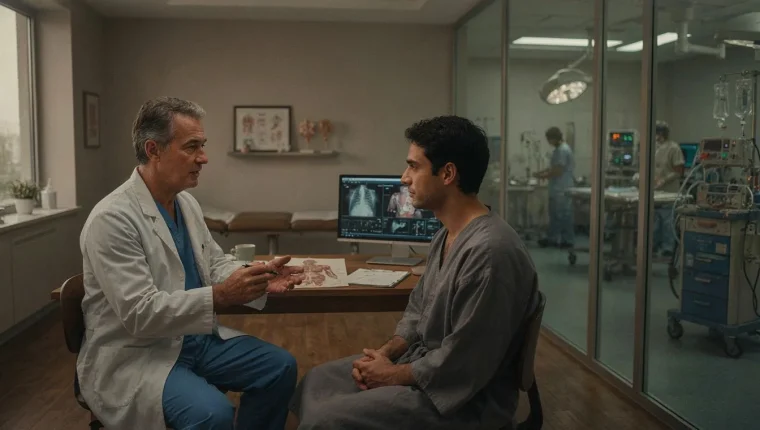
Comparing gynecomastia surgery in Istanbul and Toronto requires more than checking the advertised operation fee. The total budget may include consultations, anesthesia, hospital services, medications, follow-up care, travel, accommodation, and time spent recovering. Istanbul clinics may present comprehensive packages, while Toronto quotes can reflect a different system of surgeon, facility, and aftercare charges. This makes it difficult to compare headline prices without reviewing exactly what each includes. The main expenses that shape gynecomastia surgery cost in both cities include medical and travel-related spending. Prices vary by surgeon, technique, case complexity, and clinic, so current, clinic-specific quotations are essential. The goal is not to name one universal winner, but to help you build a realistic budget and compare treatment value with greater confidence.
Why Compare Gynecomastia Surgery Costs in Istanbul and Toronto?

Comparing Istanbul and Toronto is useful because the advertised surgical fee reflects different healthcare and medical-travel environments. A quotation from one city may cover the operation alone, while another may also include consultations, facility charges, medications, garments, or short-term follow-up. Without checking these differences, a lower headline price can appear more attractive than it truly is.
The comparison also highlights what each patient is responsible for arranging. Local patients may have easier access to preoperative assessments, follow-up appointments, and support at home. International patients, however, may need to account for flights, accommodation, ground transportation, translation, and additional recovery time abroad. These factors can materially change the financial calculation even when the surgical fees seem far apart.
For that reason, the most useful approach is to compare the total treatment cost rather than the operation price in isolation. Patients should request an itemized quotation, confirm which medical services are included, and ask about possible exclusions before making a decision. This creates a fairer basis for assessing gynecomastia surgery in either destination and helps prevent unexpected expenses after booking.
What Is Included in Each City’s Surgical Package?
Quoted surgical packages can look similar while covering very different services. In both Istanbul and Toronto, the medical core may include the surgeon’s fee, operating-room or facility charges, anesthesia, routine consultations, preoperative tests, prescribed medications, and a compression garment. However, each clinic defines its package differently, so a lower headline price may reflect fewer included items rather than a less expensive treatment.
Some Istanbul clinics market all-inclusive arrangements that add airport transfers, hotel accommodation, an interpreter, and appointment coordination. These services can make the process easier for international patients, but they are logistical conveniences, not substitutes for medical care. Toronto quotations may be presented more narrowly, with consultations, hospital or surgical-centre use, anesthesia, and follow-up appointments listed separately. Neither format is automatically better; the important point is to compare equivalent services.
Before choosing a quotation, request an itemized statement covering the operation, anesthesia, facility use, blood tests or imaging, medications, garments, and postoperative reviews. Ask whether overnight monitoring is included and whether extra treatment could be charged if the surgical plan changes. Confirm the package inclusions and exclusions in writing, along with payment schedules, cancellation terms, and the clinic’s policy for managing complications or considering revision surgery. This makes the comparison more reliable without confusing bundled travel support with the medical necessities of gynecomastia treatment.
How Surgeon Experience and Technique Affect Pricing
Two surgeons may quote different fees for what appears to be the same gynecomastia procedure because the underlying anatomy and operative plan are rarely identical. A mild case caused mainly by fatty tissue may respond to liposuction, while firm glandular tissue often requires direct excision. Patients with stretched skin, significant tissue volume, or chest asymmetry may need a combined approach, which involves more planning and surgical time.
Procedure-specific experience is therefore an important pricing factor. A surgeon who regularly performs gynecomastia surgery may be better equipped to assess glandular tissue, contour the chest evenly, and anticipate issues such as loose skin or nipple-position differences. Advanced training, years in practice, and a substantial record of comparable cases can increase professional fees, but they also provide relevant information when assessing the quality of the proposed treatment.
The consultation should explain why a particular technique is recommended and what alternatives may be appropriate. Patients can ask whether the quoted price covers liposuction, gland excision, skin removal, or a combination of methods, rather than assuming that every package includes the same work. Before comparing prices in Istanbul and Toronto, review the surgeon’s credentials, before-and-after results from similar cases, and the findings of the physical assessment.
A lower quote may reflect a simpler case or a narrower treatment plan, while a higher one may correspond to greater complexity and more extensive correction. Comparing these clinical details alongside the fee gives a more accurate basis for judging value than comparing headline prices alone.
How Clinic Standards and Hospital Fees Influence Cost

Facility standards can explain a meaningful difference between two gynecomastia surgery quotes. A clinic may provide consultations in a modern outpatient office, while the operation itself takes place in a separate hospital. The consultation setting should not be mistaken for the surgical facility, since operating-room resources, staffing, and emergency capacity are determined by the hospital where the procedure is performed.
Ask whether the hospital maintains appropriate operating-room standards and recognized accreditation, and confirm who provides anesthesia. A qualified anesthesiologist or anesthesia team should be responsible for assessing you, monitoring vital signs throughout surgery, and managing recovery afterward. Continuous monitoring equipment, sterilization procedures, and access to emergency support are important parts of the medical service, even when they are not prominent in an advertised price.
Hospital arrangements also affect whether an overnight stay is advised or included. Some patients may be discharged after observation, while others require overnight monitoring because of the procedure, anesthesia, or individual medical factors. The quote should clearly identify the hospital, operating-room fee, anesthesia charge, recovery-room observation, and any planned overnight care.
Before comparing prices, verify the actual operating hospital, its emergency arrangements, and which facility charges are included. If a clinic cannot provide this information in writing, a lower fee may reflect omitted services rather than a genuine efficiency advantage.
What Additional Expenses Should International Patients Expect?
The quoted operation fee is only one part of the budget for an international patient. Before comparing clinics, ask which costs arise before surgery, which are payable at discharge, and which may continue during recovery. This creates a more realistic view of the total out-of-pocket cost and reduces the risk of unexpected charges.
- Medical preparation: Consultations, physical examinations, blood tests, imaging, and medical clearance may be billed separately, especially when they are arranged locally before travel.
- Prescriptions and garments: Antibiotics or pain medication, compression garments, dressings, and other aftercare supplies may not be included in the surgical quotation.
- Insurance and payment charges: Travel insurance may exclude elective surgery, while card-processing fees, currency conversion costs, or international transfer charges can increase the amount paid.
- Documentation: Patients may need translated medical records, travel documents, consent forms, or formal letters for insurers and employers, creating additional administrative expenses.
- Companion-related costs: If a companion is recommended or preferred during the early recovery period, that person’s transportation, meals, and accommodation should be included in the planning.
It is useful to divide the budget into predictable expenses and a contingency reserve. The predictable portion should cover confirmed medical and administrative charges, while the reserve allows for a delayed return, an extra review, replacement supplies, or treatment of an issue requiring additional attention. The clinic should explain what happens if follow-up care is needed after the patient returns home and whether remote assessment or in-person review carries a separate fee.
Requesting a written, itemized estimate is particularly important when prices are quoted in different currencies. Patients should confirm whether taxes, laboratory work, prescriptions, compression wear, and follow-up appointments are included rather than relying on verbal assurances.
How Travel and Recovery Logistics Change the Total Budget
Travel can turn an attractive surgical quote into a much larger financial commitment once the recovery period is included. Patients should calculate return flights, airport transfers, hotel nights, local transportation, and daily meals rather than treating these items as minor extras. A lower operating fee may offer less value if it requires a longer stay or expensive last-minute travel changes.
The recommended length of stay depends on the procedure, the surgeon’s assessment, and the patient’s progress. Remaining close to the clinic can make scheduled reviews easier and provide faster access to the care team if swelling, wound concerns, or unexpected symptoms arise. Accommodation near the clinic may cost more than a distant hotel, but shorter journeys can reduce discomfort and simplify appointment logistics during the early recovery period.
Time away from work also belongs in the calculation. The financial impact may include unpaid leave, reduced earnings, childcare, or the cost of having a companion travel with the patient. Patients should also consider how follow-up will work after returning home. A local doctor may need to assess healing, while additional consultations or treatment can create further costs if recovery does not proceed as expected.
For international patients, recovery time abroad is therefore a central budgeting factor. Flexible tickets, a realistic accommodation allowance, and an emergency reserve can protect the overall plan from complications, delayed clearance to fly, or the need to extend the stay.
Which Destination Offers Better Value for Gynecomastia Surgery?
Better value depends on what the same budget delivers medically, logistically, and personally in each destination. Start by comparing complete quotations based on an equivalent technique, level of aftercare, and access to the operating surgeon—not simply the lowest advertised fee. A lower price may be attractive if the clinical plan and support are genuinely comparable, while a higher local price in Toronto may offer practical advantages for patients who live nearby.
The decision should also reflect individual circumstances. Istanbul may provide meaningful savings for some international patients, but flights, accommodation, time away from work, and arrangements for follow-up can reduce that difference. Toronto may be more convenient for local patients who value familiar healthcare access, easier communication, and continuity if an unexpected concern develops after returning home. Personal health needs, available support, and the ability to remain abroad during the recommended recovery period should carry as much weight as the surgical quote.
Before committing, ask whether both quotations cover the same procedure, surgeon involvement, anesthesia, facility use, follow-up, and revision policy. Confirm who will manage questions after discharge, what happens if further assessment is needed, and which costs are excluded. The destination offering better value is the one that provides suitable care and reliable support within a total budget you can manage comfortably.
FAQs
How does gynecomastia surgery Istanbul vs Toronto cost compare overall?
Gynecomastia surgery in Istanbul generally costs significantly less than in Toronto, often by 40–70%, even after accounting for travel and accommodation. Toronto prices typically reflect higher surgeon fees, facility costs, and taxes, while Istanbul packages may include treatment, hotel stays, transfers, and follow-up care. Compare the surgeon’s qualifications, clinic accreditation, included services, and aftercare—not just the advertised price.
What is typically included in the gynecomastia surgery price in Istanbul and Toronto?
The price typically includes the surgeon’s fee, hospital or clinic charges, anesthesia, preoperative assessments, postoperative medications, compression garments, and follow-up visits. In Istanbul, packages may also include hotel accommodation and airport transfers, while Toronto clinics usually quote medical services separately from travel and accommodation. Confirm whether revision surgery, additional tests, and unexpected hospital costs are excluded.
Could travel, accommodation, and follow-up care make Istanbul more expensive than Toronto?
Yes, once you include flights, accommodation, local transportation, and follow-up care, treatment in Istanbul may cost more overall than treatment in Toronto. The difference depends on the procedure, travel duration, airline fares, hotel standards, and whether additional appointments or treatment are needed after returning home.