If you’re weighing breast augmentation in Istanbul vs Miami, you may have heard very different numbers and wonder whether the Turkish price advantage is real. This guide addresses that question.
Here’s what we’ll cover together: how the two cities compare on pricing, what those quoted figures actually include, the travel costs that quietly shape the Istanbul total, and the practical factors that should drive your decision. What we won’t do is offer a medical endorsement — this is a cost and logistics guide, not a substitute for a consultation with a qualified surgeon.
One honest note before we start: exact prices shift constantly between clinics, seasons, and individual cases. Rather than quoting fixed rates, we’ll break down the structure of what you’re actually paying for in each city — so you can compare offers with confidence.
Why Patients Compare Istanbul and Miami for Breast Augmentation
Miami didn’t end up on this list by accident. It has long been one of the busiest aesthetic surgery markets in the United States, with a dense concentration of board-certified surgeons, high local demand, and a patient base that expects premium service at premium prices. For many American women, Miami is simply the closest thing to a domestic gold standard for breast surgery.
Istanbul, on the other hand, has built its reputation differently. Over the past decade, the city has become a global center for health tourism, attracting hundreds of thousands of international patients each year. Turkish clinics compete by offering bundled packages — surgery, hotel stays, transfers, and interpreter services wrapped into a single quote — which makes pricing feel refreshingly transparent compared to itemized US bills.
The real engine behind this comparison is the price perception gap: quotes in Istanbul often come in at a fraction of what Miami clinics charge. Add practical conveniences like direct flights from major US cities and you get a pairing that naturally invites side-by-side evaluation before any booking decision.
Breast Augmentation Cost: Istanbul vs Miami Side by Side
Numbers are where the Istanbul–Miami comparison stops being a hunch and becomes a clear decision factor. In Miami, breast augmentation typically runs between $6,000 and $12,000, with premium clinics and certain implant types pushing totals higher. In Istanbul, the same procedure generally falls in the $3,500–$5,500 range, and most clinics quote it as an all-inclusive package price rather than a line-by-line bill.
This structural difference matters as much as the raw figures. American practices usually bill each element separately — surgeon fee, implant cost, facility charges, anesthesia — so your final invoice often lands above the initial estimate. Turkish clinics bundle these into one quoted figure, which makes budgeting simpler and eliminates surprise add-ons after surgery.
One caveat before you anchor on these numbers: final pricing shifts with implant type (saline vs. silicone, standard vs. gummy bear), surgical technique, the facility’s tier, and currency movement. Treat every range below as a planning baseline and request current, written quotes directly from the clinics you’re considering.
| Cost Component | Miami (typical) | Istanbul (typical) |
|---|---|---|
| Surgeon fee | $4,000 – $6,000 | Included in package |
| Implants | $1,000 – $2,500 | Included in package |
| Facility / hospital charges | $800 – $2,000 | Included in package |
| Anesthesia | $600 – $1,200 | Included in package |
| Typical total range | $6,000 – $12,000 | $3,500 – $5,500 |
The gap is substantial — often 40–50% in Istanbul’s favor even before flights and accommodation enter the equation. What that package price actually covers, and where its limits are, is exactly what the next section unpacks.
What's Included in the Price: Implants, Fees, and Aftercare
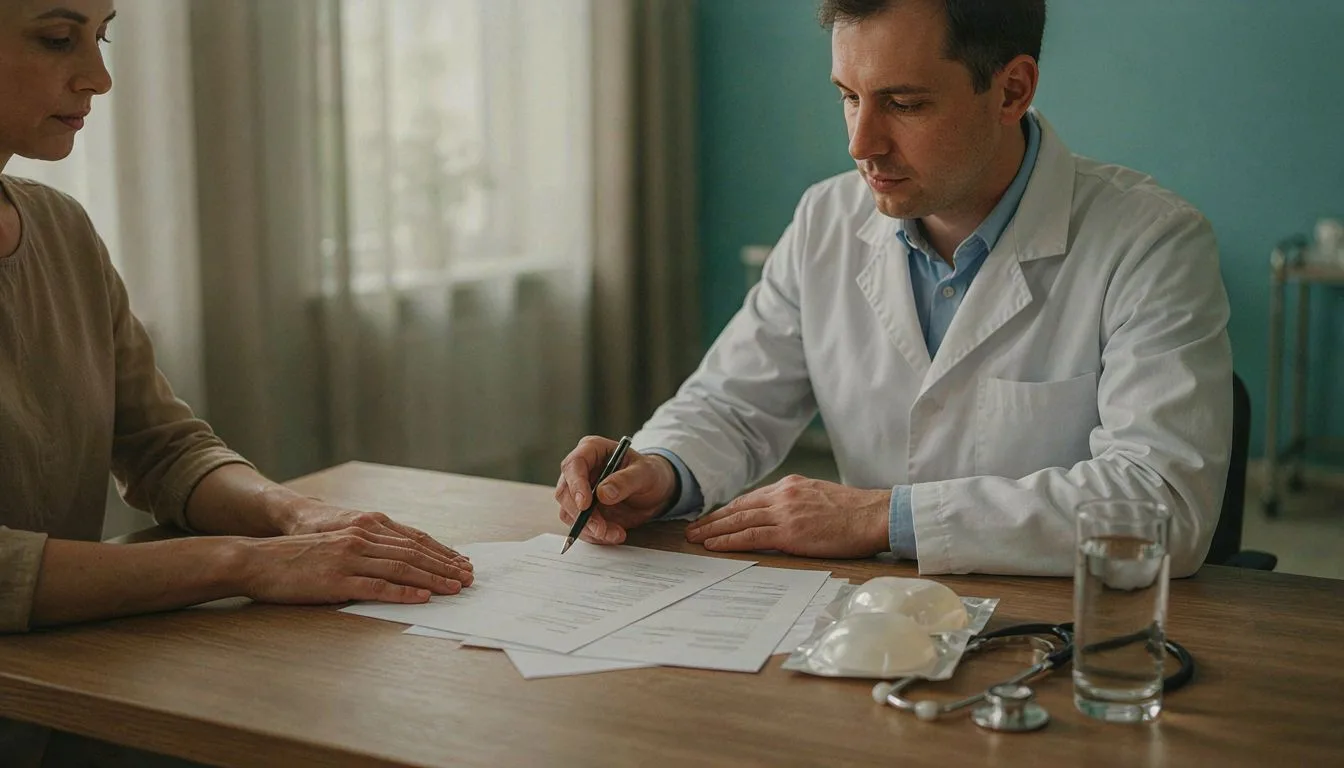
Sticker prices tell you very little until you know what sits behind them, and this is where the two markets diverge most sharply. In Istanbul, the figure you’re quoted is usually an all-inclusive package price built around your entire stay, while Miami quotes tend to arrive as a stack of separate invoices from different providers. Neither model is inherently better — but comparing them line by line is the only way to avoid surprises.
A typical Istanbul package commonly includes the following, though you should confirm every item in writing before paying any deposit:
- The implants themselves, with the brand and model specified in your contract so there’s no substitution on surgery day.
- Hospital and operating room fees, including the anesthesia team’s charges for the procedure itself.
- Pre-operative testing such as blood work and mammogram or ultrasound screening.
- Hotel accommodation for a set number of nights and private transfers between the airport, hotel, and clinic.
- Follow-up appointments during your stay, plus a compression or support garment.
In Miami, those same components are billed individually: the surgeon’s fee, the facility fee, and the anesthesiologist’s fee often arrive as three separate quotes, and the garment and post-op visits may be added on top. Ask specifically whether follow-up appointments in the first year are included or charged per visit — practices vary widely.
Certain costs sit outside the quote in both cities. Revision surgery, treatment for complications, and extra hospital nights are almost never covered by the original price, and Istanbul packages typically exclude any care you need after you fly home. Budget for these possibilities regardless of where you book.
Travel and Accommodation Expenses You Should Factor In

The numbers you compared earlier only cover the surgery itself. If Istanbul is on your shortlist, the travel and accommodation expenses need to be added to the equation — and they’re usually far smaller than people expect. A round-trip flight from the US to Istanbul typically runs $700–$1,200 depending on the season, and most clinics recommend staying 7–10 days: a few days pre-op for consultations and tests, then enough time for your first follow-up before flying home. Mid-range hotels in areas like Şişli or Nişantaşı, where most major clinics cluster, cost roughly $50–$100 per night.
If you’d rather not recover alone, bring a companion. Budget for their flight and a shared room — many patients find this makes the recovery week far more comfortable. Some Istanbul clinics bundle a recovery hotel stay into their package price, so ask before you book anything separately.
Miami, by contrast, involves little to no travel cost for most US patients. That’s a genuine advantage, but even adding $1,500–$2,500 in flights and lodging, the Istanbul total usually remains thousands of dollars lower than a comparable Miami procedure.
How Surgeon Experience and Clinic Quality Differ Between the Two Cities
A common worry is that a lower price automatically means a lower standard of care, but the reality in both cities is more nuanced. In the United States, plastic surgeons must complete medical school, a residency, and pass board examinations through the American Board of Plastic Surgery — a rigorous but standardized path. In Turkey, plastic surgery training also requires six years of medical school followed by a competitive specialization residency, and many leading Istanbul surgeons hold international fellowships or memberships in European and American societies.
What genuinely sets Istanbul apart is volume. High-volume clinics there treat a steady stream of international patients, which means surgeons often perform breast augmentations daily and are highly practiced in techniques favored by medical tourists. Miami, meanwhile, is one of the most competitive aesthetic surgery markets in the US, home to a dense concentration of specialists with strong reputations and polished patient experiences.
The honest takeaway: neither city guarantees quality, and neither disqualifies itself. The strongest predictor of your outcome is the individual surgeon’s portfolio and credentials — their before-and-after results, revision rates, and communication style — not the city average. Evaluate the specific surgeon first; the price tag is only meaningful after that.
Safety Standards and Accreditation: What to Check Before Booking
Safety verification matters more in cross-border surgery than at home, because you won’t be able to walk past the clinic later or casually research it the way locals do. The reassuring news is that both cities have clear, checkable credentials — you just need to know which names on a website are meaningful and which are decorative. In either market, the single most important filter is facility accreditation, since it tells you the operating room, anesthesia protocols, and emergency equipment have passed an independent audit rather than a self-issued marketing claim.
- In Miami: Confirm the surgical facility holds accreditation from a recognized body such as AAAASF or the Accreditation Association for Ambulatory Health Care, and verify the surgeon’s Florida medical license is active and free of disciplinary actions through the state board’s public database.
- In Istanbul: Look for hospitals with Joint Commission International (JCI) accreditation, which applies the same audit standards used by leading US hospitals, and ask whether the clinic holds Turkey’s official health tourism certification.
- Ask about insurance coverage: Request written confirmation of what happens medically and financially if a complication occurs — both during your stay and after you return home.
- Clarify the follow-up plan before you pay: A reputable clinic will name who reviews your recovery remotely, how they coordinate with doctors in your home country, and under what conditions they’d cover revision costs.
One practical test: send each clinic your questions in writing and compare how specifically they respond. Established hospitals answer with documents and named contacts; agencies that broker patients to whichever surgeon is available tend to answer with reassurances. The quality of that answer is often a more reliable signal than any certificate displayed on a website.
Is the Price Gap Worth It? Making Your Final Decision
Deciding between these two cities ultimately comes down to evaluating the total cost of ownership, not the headline number. The Istanbul price gap is most compelling when your budget is genuinely limited and you have flexible recovery time — the savings remain substantial even after flights and a week or more abroad.
Miami makes more sense when you value proximity. If a complication arises, being able to see your surgeon within days matters enormously, and local aftercare fits naturally into your routine. Your insurance context matters too, since follow-up care closer to home is often easier to coordinate.
Whichever direction you lean, adopt a checklist mindset: request detailed quotes, compare at least two or three surgeons in each city, and weigh recovery logistics against savings. The right choice is the one that matches your finances, your timeline, and your personal comfort with distance.
FAQs
How much cheaper is breast augmentation in Istanbul compared to Miami on average?
Breast augmentation in Istanbul is typically 50-70% cheaper than in Miami. A procedure that costs around $8,000-$12,000 in Miami generally ranges from $3,500-$5,000 in Istanbul, including the surgeon's fee and implant costs. This price gap reflects lower operating costs and currency exchange rates rather than differences in quality, as many Istanbul clinics are internationally accredited. Even after adding flights and accommodation, most patients still save several thousand dollars overall.
Do Istanbul clinics include hotel, transfers, and aftercare in their package price?
Yes, most Istanbul hair transplant clinics offer all-inclusive packages that typically cover hotel accommodation, VIP airport and clinic transfers, and post-operative care such as medications, aftercare products, and follow-up support. These packages are usually priced per graft and are designed for international patients, though the exact contents vary between clinics, so it is important to confirm what is included before booking.
Is it safe to travel back to Miami shortly after surgery in Istanbul?
Traveling back to Miami shortly after surgery is generally safe for most patients, but you should get your surgeon's clearance first, as many recommend waiting about 7–10 days before flying to reduce the risk of blood clots and allow initial healing. For longer flights, wear compression stockings, stay hydrated, and walk around the cabin regularly. If your procedure was major or you had complications, your doctor may advise delaying your return or arranging in-flight precautions. Always follow your surgeon's specific instructions and attend your post-operative check before departure.