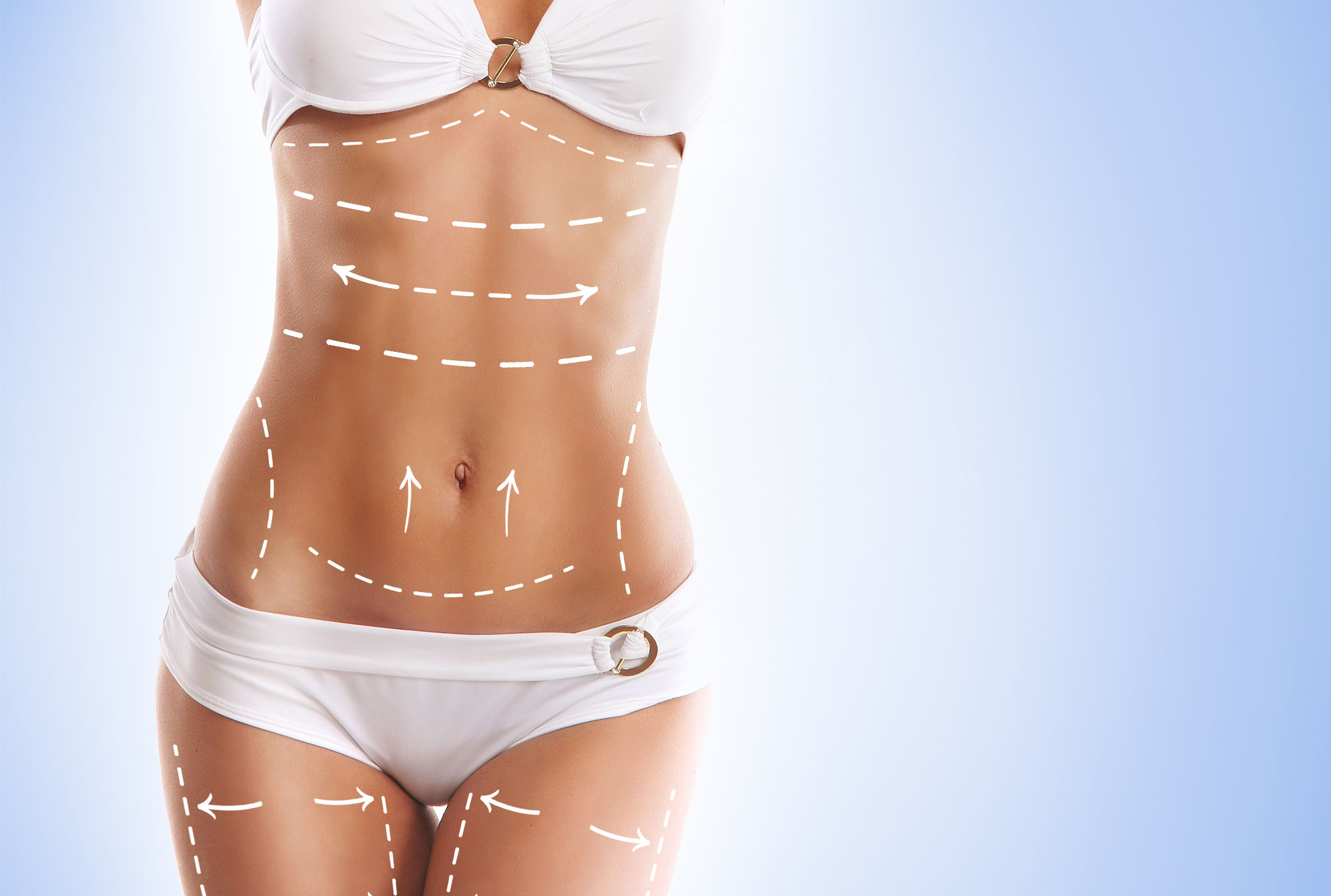
VASER liposuction recovery continues beyond the first few days after surgery. Healing can involve changing levels of swelling, tenderness, bruising, limited mobility, and gradual changes in body contour. The pace varies with the treatment area, the amount of fat removed, whether other procedures were performed, and your general health. Your surgeon’s instructions take priority over general online guidance because aftercare plans are personalized. During recovery, patients commonly need to plan for comfort, daily activities, compression garments, and signs that require medical advice. Understanding the usual healing process can help you prepare realistically without assuming that every body follows the same timeline.
What to Expect During VASER Liposuction Recovery
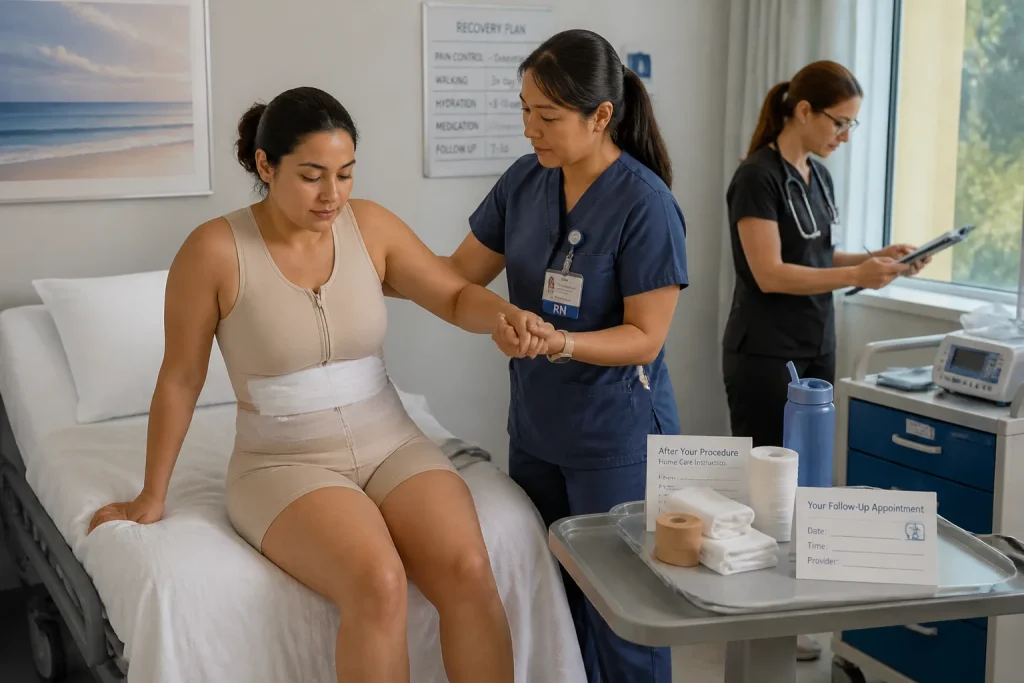
The first hours after VASER liposuction are usually focused on safe movement, wound care, and monitoring. You may feel drowsy after anesthesia and need assistance walking, but gentle mobility is generally encouraged according to your surgeon’s instructions. Small incisions may be covered with dressings, and fluid mixed with a small amount of blood can drain temporarily. Your clinic will explain how to change dressings, shower, take prescribed medication, and attend follow-up appointments.
During the first several days, treated areas often look more swollen and uneven than expected. Bruising may spread or change color, while tightness, tenderness, or reduced sensation can affect the skin. These changes do not necessarily reflect the final contour. The body needs time to absorb residual fluid and for tissues to settle after fat removal.
Gradual contour refinement is a normal part of healing. Some visible improvement may appear as swelling decreases, but the outcome continues to develop over the following weeks and months. The timeline depends on the number and size of treated areas, the amount of tissue addressed, whether other procedures were performed, and individual factors such as skin elasticity and general health.
Follow your personalized aftercare plan rather than comparing your progress with photographs or timelines found online. Attend scheduled reviews even if recovery feels uncomplicated, because your medical team can assess incision healing, fluid drainage, skin response, and changing contours. Activity progression, garment use, and bathing instructions should also be based on those clinical recommendations.
How Pain and Swelling Change After Surgery
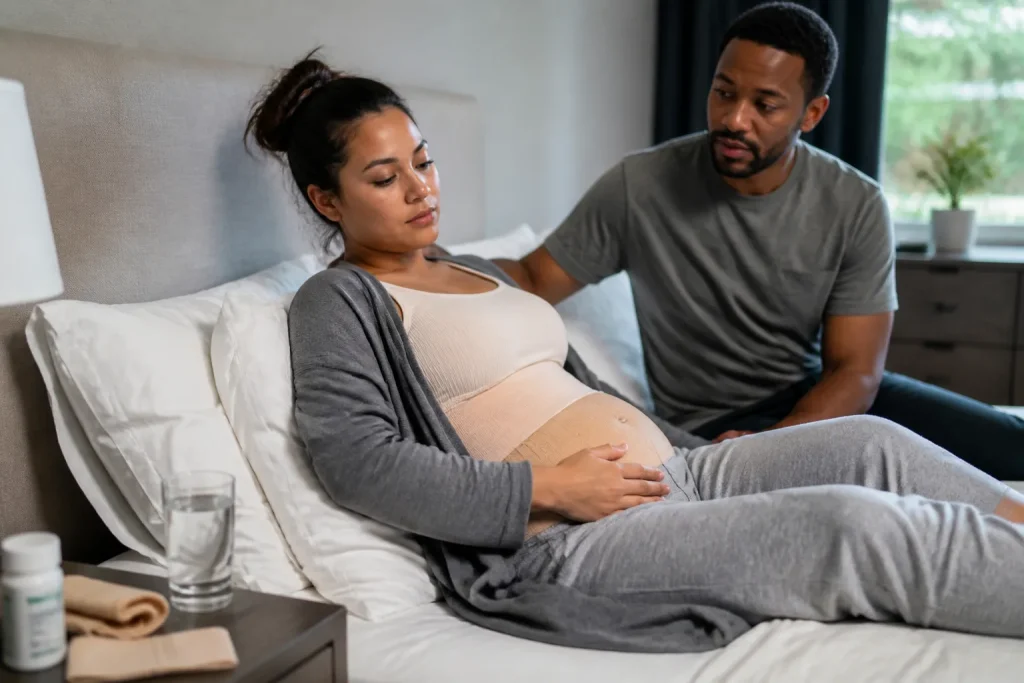
Postoperative discomfort commonly feels strongest during the first few days. Soreness, tightness, tenderness, bruising, and a pulling sensation around the treated area can occur as the tissues respond to the procedure. Some patients also notice temporary numbness, tingling, or increased sensitivity in the skin. These sensations may change from day to day rather than improving in a perfectly straight line.
Swelling can last longer than pain, even after general soreness begins to ease. Fluid retention may make the treated area feel firm or uneven, and swelling can shift to nearby areas before gradually settling. The extent and duration depend on factors such as the treatment area, the amount of tissue treated, individual healing, and activity levels. Bruising typically changes color as it fades, while altered skin sensation may take additional time to normalize.
Gentle movement, rest, hydration, and following your surgeon’s aftercare instructions can support a comfortable recovery. Take prescribed or recommended medication exactly as directed, and do not increase, combine, or discontinue medicines without asking your medical team. If discomfort suddenly worsens, becomes severe, or follows an unusual pattern, contact your surgeon rather than trying to manage the change yourself.
When Can You Return to Work and Exercise?
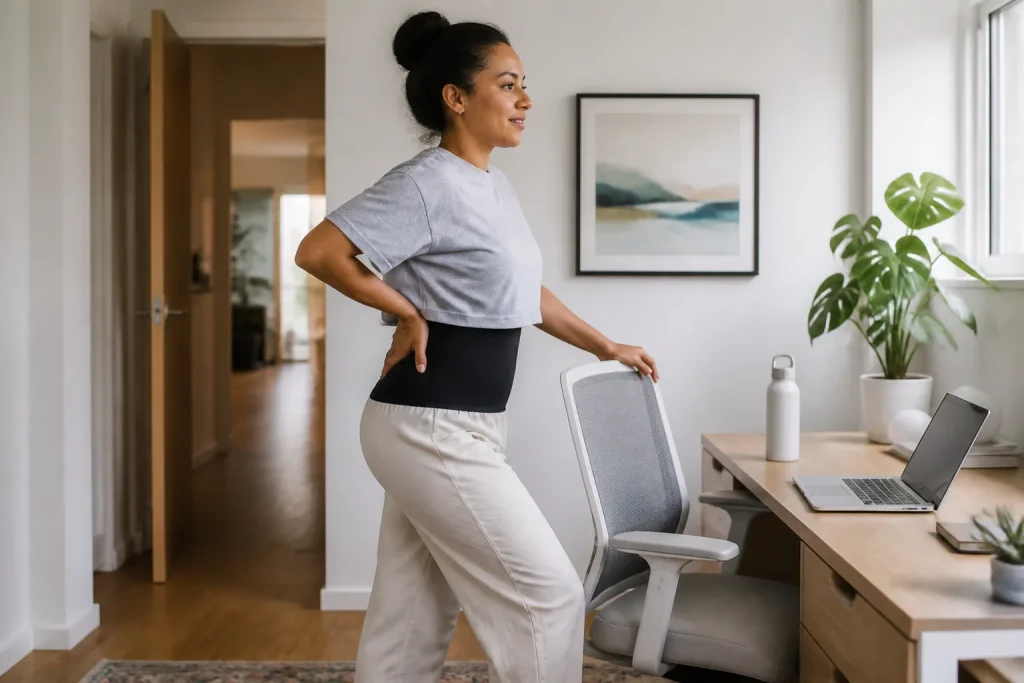
Returning to work after VASER liposuction depends largely on the demands of your job and how your body is responding to recovery. People with desk-based roles may be able to resume relatively light duties sooner, particularly if they can change position, take short walking breaks, and avoid prolonged pressure on treated areas. Physically demanding work, frequent bending, lifting, or long periods of standing may require more time away.
Gentle walking is usually encouraged early because it supports comfortable mobility and helps prevent excessive inactivity. Movement should increase gradually rather than in a single jump from rest to a normal routine. Household tasks and other daily activities can often be reintroduced in stages, guided by comfort and the instructions provided by your surgeon.
Individual medical clearance should determine when you return to strenuous exercise. Heavy lifting, running, high-impact workouts, swimming, and activities that heavily engage treated muscles may need temporary restrictions. Even if you feel ready, overexertion can place unnecessary stress on healing tissues. Your surgeon may set different limits depending on the areas treated, the extent of the procedure, and any additional surgery performed.
Plan flexibility into your schedule rather than relying on a fixed return date. Contact your clinical team before increasing activity if normal movement becomes significantly harder or symptoms change unexpectedly.
Why Compression Garments Matter After VASER Liposuction
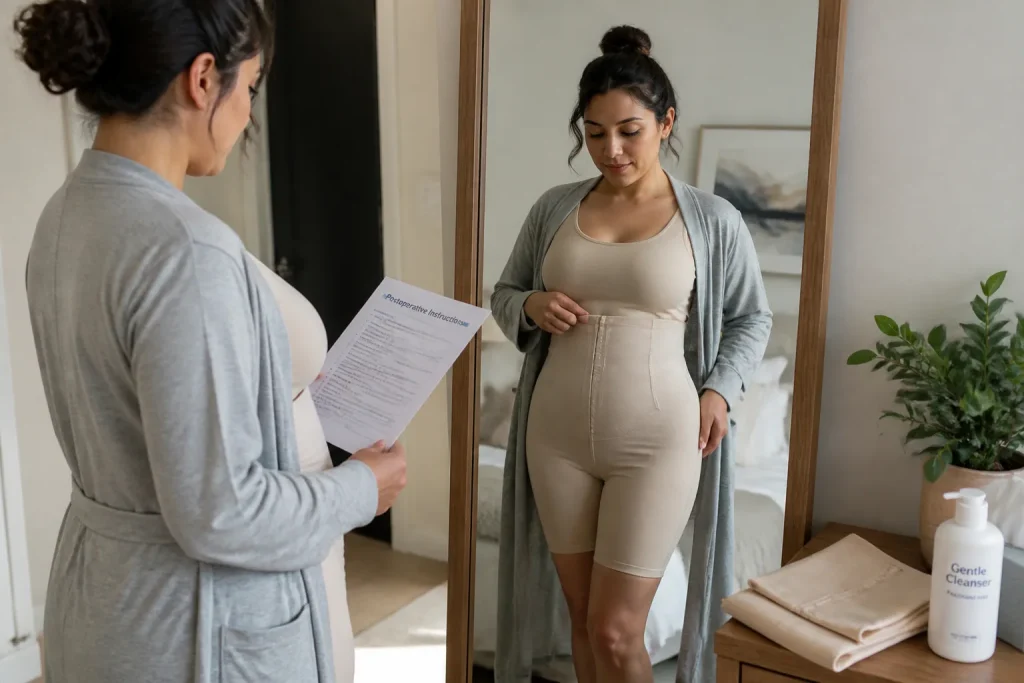
Compression garments provide controlled support to the treated areas while the tissues heal. This can help limit fluid movement, support the developing contours, and make everyday movement feel more secure during the early stages of healing. They are commonly used after VASER liposuction, but the garment itself does not replace follow-up care or determine how quickly recovery progresses.
Proper fit is essential. The garment should feel supportive without causing sharp pressure, numbness, restricted breathing, or worsening discomfort. Check the skin regularly for chafing, marked redness, pressure points, or changes in sensation, particularly around seams and garment edges. Keeping it clean and fully dry can also reduce irritation and support good hygiene while incisions heal.
Your surgeon should specify the garment style, size, and wearing schedule, since recommendations vary according to the treated areas and your healing progress. Do not increase compression or wear it for longer than advised. Excessive tightness, persistent skin irritation, or increasing discomfort should be reported to the treating medical team so the fit or instructions can be reviewed.
Which Recovery Symptoms Require Medical Advice?
Recovery changes that worsen instead of gradually settling deserve attention from your surgical team. Contact the clinic promptly if pain becomes increasingly severe, swelling rises rapidly or appears markedly uneven, or the treated area develops spreading redness, warmth, worsening tenderness, or cloudy, foul-smelling drainage. Fever, chills, wound separation, persistent fluid leakage, or bleeding that does not stop with gentle pressure may also require timely assessment. These symptoms do not confirm a complication, but they should not be ignored or self-treated without guidance.
Seek emergency help for sudden shortness of breath, chest pain, fainting, coughing blood, or a new painful, swollen, pale, or blue limb. These symptoms can indicate a serious problem requiring immediate evaluation. For less urgent concerns, send your surgeon’s office a clear description and photographs if requested, and follow its after-hours instructions. Prompt medical contact is the safest response when a symptom is rapidly changing, severe, or clearly different from the expected healing pattern.
FAQs
How long does swelling last after VASER liposuction?
Swelling after VASER liposuction usually peaks during the first few days, begins to improve within one to two weeks, and largely resolves over four to six weeks. Mild puffiness, firmness, or uneven areas can persist for several months as the tissues heal and the final contour develops. Wearing compression garments and following your surgeon’s aftercare instructions can support recovery; contact your surgeon if swelling suddenly worsens or occurs with severe pain, redness, fever, or shortness of breath.
Can I sleep on my side during recovery?
You can usually sleep on your side after a hair transplant once your surgeon confirms it is safe, often after the first few nights. Keep the recipient area from rubbing against the pillow and consider sleeping slightly elevated to reduce swelling. Follow your clinic’s aftercare instructions, especially if the grafts or donor area remain tender.
When will the final results become visible?
Final results typically become visible within 9 to 12 months after a hair transplant, although some patients may continue seeing improved hair density for up to 18 months. New growth often appears gradually after the initial shedding phase, and the timeline can vary based on individual healing, hair characteristics, graft survival, and adherence to aftercare instructions.