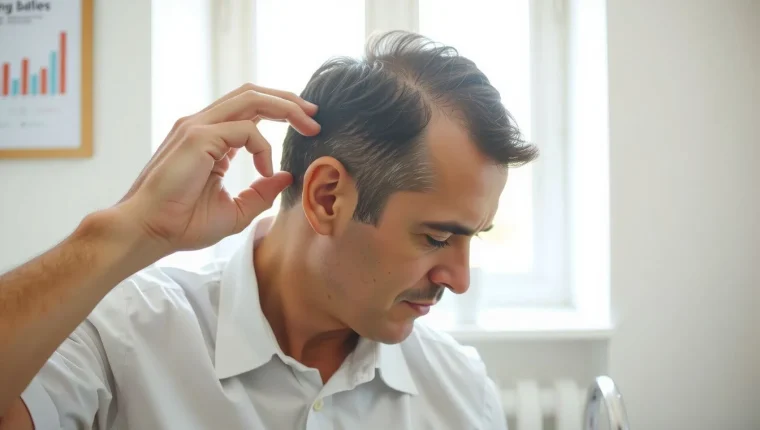
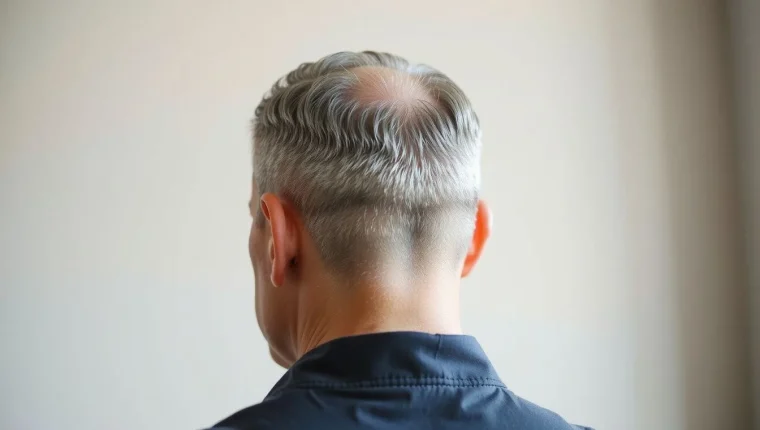
Thinning or increased shedding at a young age can be worrying, especially when the cause is unclear. Hair loss in young men may develop gradually, appear suddenly, or follow a recognizable pattern, which can affect how it is approached. Early changes do not always mean permanent baldness, but persistent, rapid, or patchy loss deserves attention rather than guesswork. This article explains what early hair loss may indicate, which factors can influence it, how professionals assess it, and what treatments may be considered. It offers practical health information, not a personal diagnosis or a guarantee of hair regrowth.
What Causes Hair Loss in Young Men?
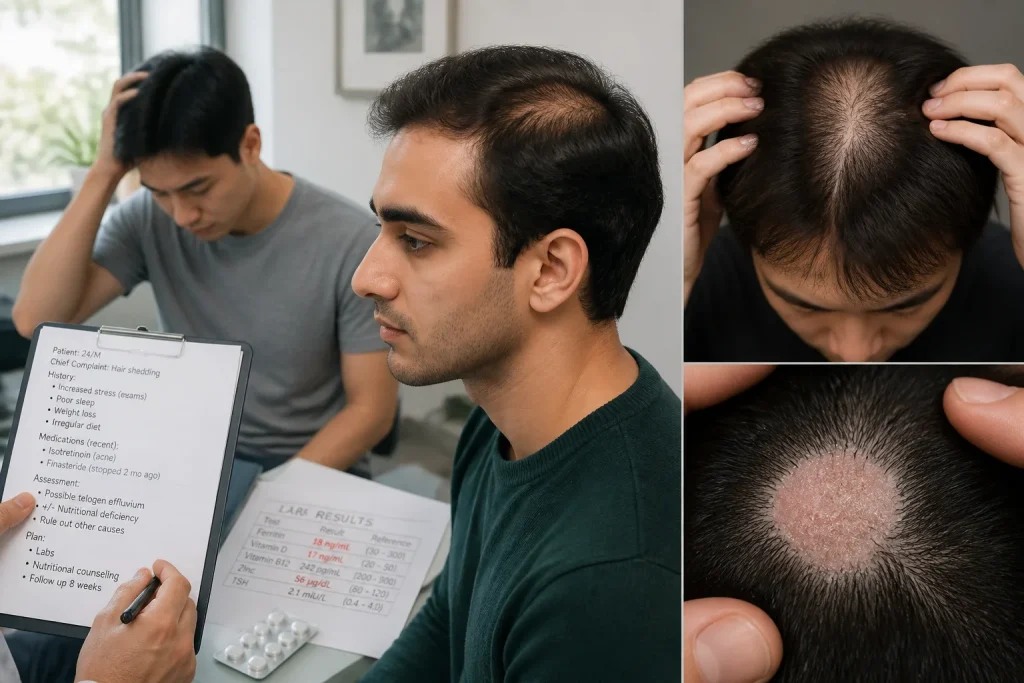
Hair thinning in a younger man can develop for several different reasons, and the pattern often provides an initial clue. Gradual recession at the temples or thinning at the crown commonly suggests inherited pattern hair loss, while sudden or widespread shedding may follow an illness, significant stress, rapid weight loss, or another temporary disruption to the hair-growth cycle.
Other possibilities include iron or vitamin deficiencies, thyroid disorders, autoimmune conditions, certain prescription medicines, and scalp problems such as inflammation or fungal infection. Repeated chemical treatments, tight hairstyles, or physical pulling can also damage hair shafts and follicles. These causes may produce overlapping symptoms, so appearance alone cannot confirm the diagnosis.
Sudden diffuse shedding, clearly defined bald patches, scalp pain, intense itching, scaling, redness, or signs of infection deserve particular attention. A rapidly changing hairline, loss of eyebrow or beard hair, or shedding accompanied by fatigue and unexplained weight changes also makes medical assessment more relevant. A clinician may need to consider the timing of shedding, family history, recent health changes, nutrition, medications, and scalp condition before identifying the likely cause.
How Genetics and Hormones Affect Early Hair Thinning

Genetic factors help explain why male-pattern thinning can start in the teens, twenties, or thirties. Some hair follicles inherit greater sensitivity to dihydrotestosterone (DHT), an androgen produced from testosterone. In susceptible follicles, DHT gradually shortens the growth phase of the hair cycle and causes progressive follicle miniaturization. Each new strand becomes finer, shorter, and less pigmented until the affected area appears visibly thinner.
This process differs from ordinary shedding. Losing individual hairs is a normal part of the hair cycle, whereas miniaturization changes the size and quality of the follicles themselves. The typical pattern includes a receding hairline, thinning at the temples, or reduced density at the crown, although the timing and distribution vary between individuals.
A family history can raise the likelihood of androgen-related hair loss, but it is not a precise forecast. Genes from both sides of the family may contribute, and relatives can show different ages of onset or patterns of progression. Early thinning can also reflect hormonal disorders, inflammatory scalp conditions, or other medical factors rather than inherited pattern loss. A clinician can distinguish these possibilities by considering the pattern, rate of change, scalp appearance, and relevant symptoms before recommending targeted tests or treatment.
Which Lifestyle Factors Can Worsen Hair Shedding?

Daily habits and major life events can increase hair shedding or make existing thinning more noticeable. Restrictive diets, low protein intake, rapid weight loss, and insufficient iron or other nutrients may affect the normal growth cycle. A significant illness, high fever, surgery, or prolonged emotional stress can also lead to temporary shedding several weeks or months later.
Sleep disruption may add to overall physical stress, although it is rarely the only explanation for persistent hair loss. Smoking and heavy alcohol use can also undermine general health and nutrition, but they should not automatically be treated as the direct cause of every change in hair density.
Hair practices matter as well. Tight hairstyles, frequent pulling, extensions, high heat, bleaching, relaxing treatments, and harsh chemical products can weaken the hair shaft or irritate the scalp. Repeated tension may cause traction-related loss, while breakage can look like increased shedding without affecting the follicle itself.
These factors often trigger temporary shedding rather than follicle miniaturization, which is associated with inherited pattern thinning. Persistent, sudden, or patchy loss should therefore be reviewed rather than blamed entirely on stress or grooming. Tracking when shedding began, recent illnesses, dietary changes, and styling habits can provide useful context for the next evaluation.
How Is Premature Hair Loss Diagnosed?
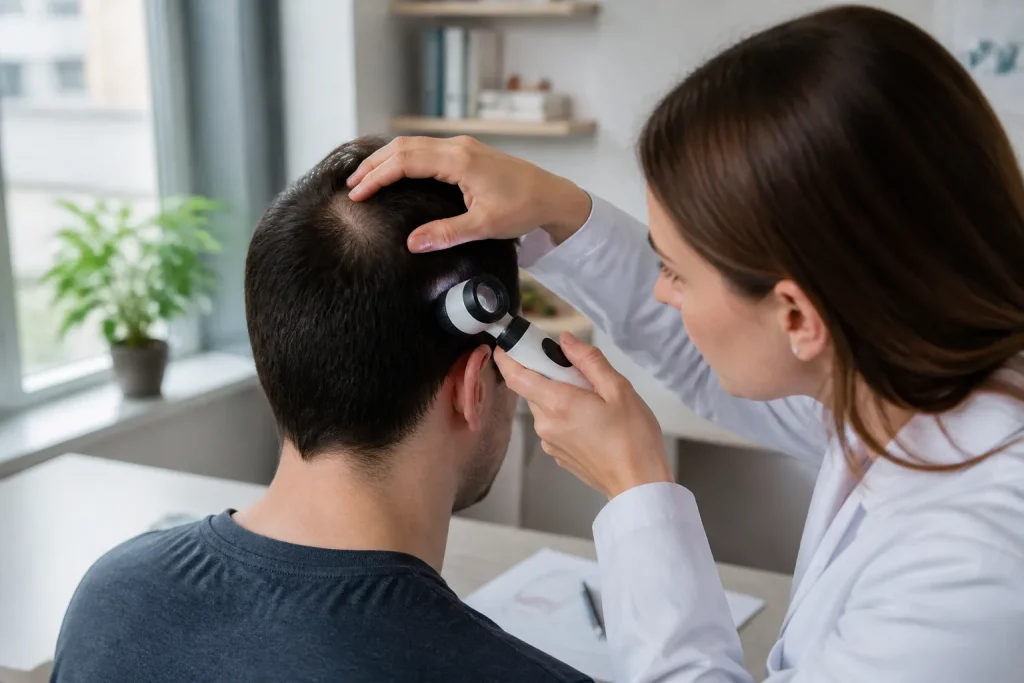
Diagnosing early hair thinning starts with identifying how the change began and whether the pattern suggests temporary shedding, a scalp disorder, or progressive follicle changes. A dermatologist usually combines your history with a close examination rather than relying on a single test. This approach helps distinguish common forms of premature hair loss from conditions that may require prompt treatment and clarifies whether further evaluation is needed.
- Timing and shedding pattern: The clinician asks when hair loss started, whether it followed an illness or major stress, how much hair is being shed, and whether thinning is diffuse or concentrated in specific areas.
- Family and medical history: Information about relatives with early thinning, recent illnesses, medications, supplements, and diet can reveal relevant risk factors or possible triggers.
- Scalp examination: The scalp is checked for redness, scaling, tenderness, broken hairs, inflammation, or scarring. A hair-pull test may help estimate active shedding, while dermoscopy can show follicle openings and hair-shaft changes in greater detail.
- Targeted blood tests: Testing is guided by symptoms and examination findings. Depending on the situation, a clinician may investigate iron deficiency, thyroid problems, nutritional deficiencies, or other medical conditions rather than ordering every test routinely.
The results of this assessment help the clinician determine whether the hair loss is temporary, related to an underlying medical issue, or consistent with progressive follicle changes. Rapidly progressing hair loss, sudden round or irregular patches, significant inflammation, pain, or smooth shiny areas where follicles appear absent should receive prompt medical attention. Early assessment can help prevent an inflammatory or scarring condition from being overlooked and supports a more appropriate plan for protecting hair density.
What Treatments Can Help Restore Hair Growth?
Treatment depends on the cause, pattern, and speed of hair loss, so a clinician should confirm the diagnosis before selecting an option. For inherited thinning, prescription or over-the-counter medicines may help slow shedding and support existing follicles in suitable patients. Their benefits, side effects, interactions, and monitoring requirements should be discussed individually, since treatment is not appropriate for everyone.
Temporary shedding may improve after an underlying trigger is corrected. Addressing nutritional deficiencies, illness, medication-related effects, or other identified causes can allow the growth cycle to recover, although visible regrowth often takes several months. Gentle hair care can reduce breakage but cannot reverse follicle miniaturization.
Hair restoration procedures may be considered when loss is established and the pattern is sufficiently predictable. Techniques such as FUE or DHI move grafts from a selected donor area to the recipient area, but suitability depends on donor density, hair characteristics, scalp health, and future loss. These procedures require careful planning, realistic expectations, and appropriate aftercare.
Maintenance treatment may still be needed after improvement or transplantation because untreated follicles can continue to thin. Growth is gradual, donor grafts are limited, and final density cannot be guaranteed. A personalized plan should account for recovery, ongoing shedding, and the possibility that treatment choices may need adjustment over time.
FAQs
Can hair loss in young men grow back naturally?
Sometimes, especially when hair shedding results from stress, illness, nutritional deficiencies, or temporary hormonal changes, hair can regrow naturally once the underlying cause is addressed. Male pattern baldness usually does not reverse on its own because affected follicles gradually shrink, although early treatment may help preserve hair density. Sudden, patchy, or persistent hair loss should be assessed by a dermatologist to identify the cause and suitable treatment.
When should a young man see a dermatologist about shedding?
A young man should see a dermatologist if shedding is sudden, excessive, persistent for more than a few months, or accompanied by bald patches, scalp itching, redness, scaling, pain, or inflammation. Early evaluation is also advisable with a receding hairline, visible thinning, or a family history of male pattern hair loss, as treatment may help protect vulnerable hair follicles.
Is a hair transplant suitable for younger patients?
A hair transplant may be suitable for younger patients, but doctors usually recommend waiting until hair loss has stabilized and its pattern is clear. The specialist will assess the cause of thinning, family history, donor area, hair density, and future loss before deciding whether procedures such as FUE or DHI are appropriate. Younger patients may first benefit from medical treatments and ongoing monitoring to protect existing hair follicles.