Hair thinning in women can have many causes, but vitamin D deficiency is often overlooked. Vitamin D supports several body processes, including normal hair follicle activity, so low levels may be linked to increased shedding or reduced hair density. However, vitamin D is not the only possible explanation for female pattern hair loss. Hormonal changes, genetics, thyroid conditions, iron deficiency, stress, and certain medications can also affect hair growth. Distinguishing temporary shedding from gradual pattern thinning is the first step toward finding the right cause. In this article, you will learn how low vitamin D may relate to hair loss in women, which symptoms to watch for, how testing works, and why professional evaluation is important before starting supplements.
How Vitamin D Deficiency May Affect Hair Growth in Women
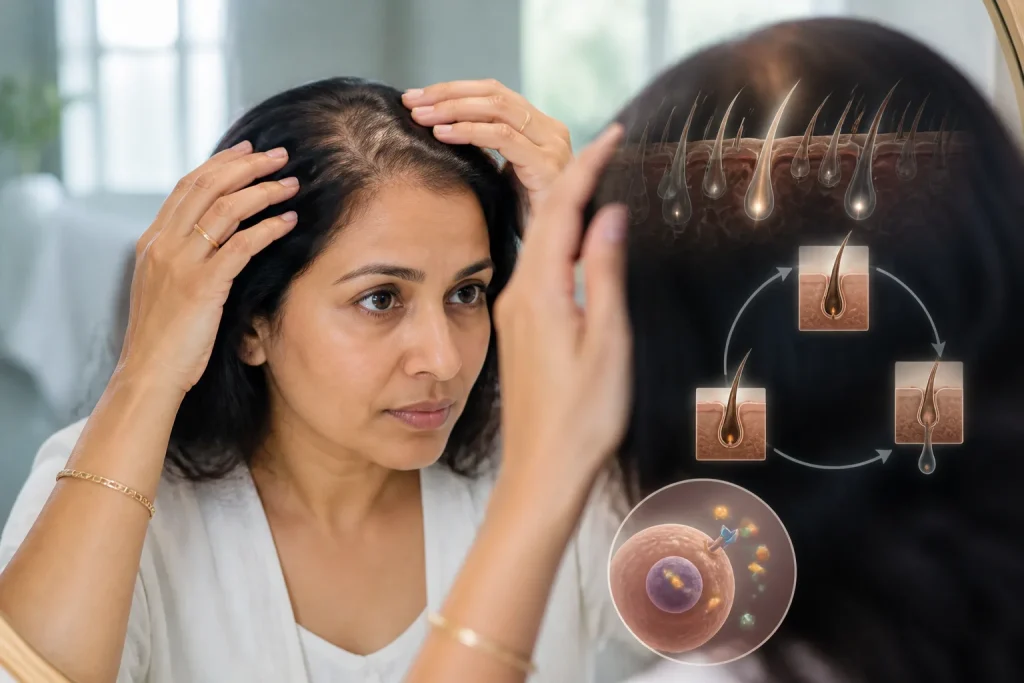
Vitamin D supports the normal activity of hair follicles, including the cycling process that moves hairs through growth, transition, and resting phases. When levels are persistently low, some follicles may spend more time in the resting phase, which can contribute to increased shedding and reduced overall hair density. Research has also found an association between low vitamin D levels and certain forms of female hair loss, although deficiency is not always the sole cause.
The connection may involve the vitamin D receptor, a protein found in scalp and follicle cells. Adequate receptor activity appears to help regulate the hair-growth cycle and follicle renewal. In people with insufficient vitamin D, this signaling may be disrupted, particularly if other factors—such as hormonal changes, thyroid disease, iron deficiency, illness, or major stress—are also present.
Vitamin D deficiency does not usually cause sudden bald patches by itself, and correcting a low level will not necessarily restore hair if another condition is responsible. Hair growth is slow, so any improvement after treatment may take several months and should be assessed alongside changes in shedding, scalp health, and hair thickness. A blood test is the reliable way to confirm deficiency; symptoms alone cannot establish that low vitamin D is causing hair loss.
Signs That Low Vitamin D Could Be Linked to Hair Shedding
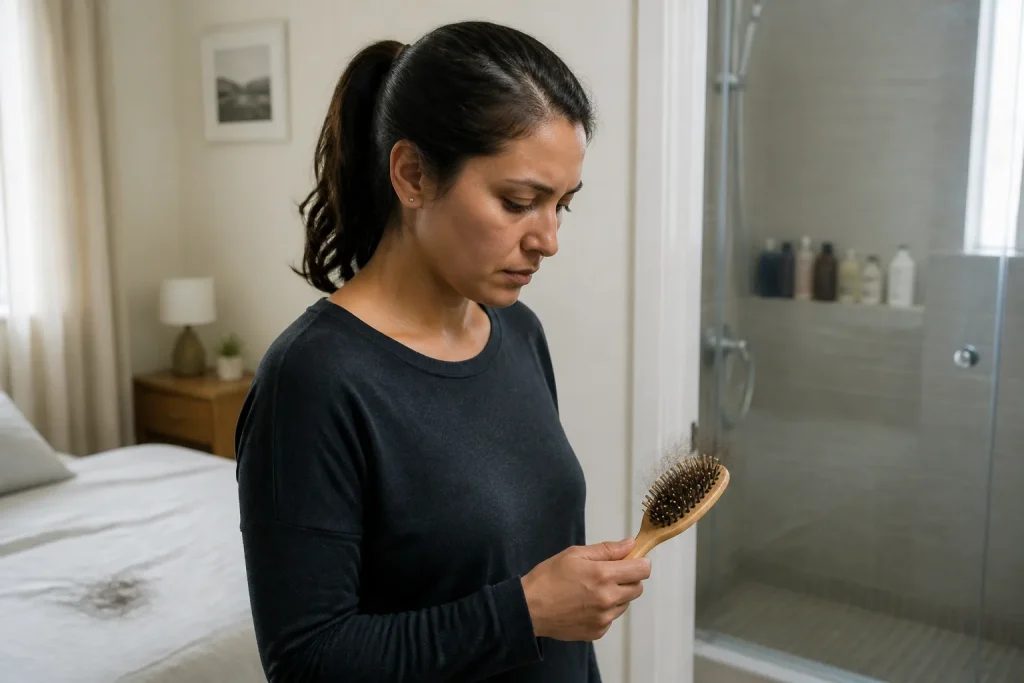
Low vitamin D may be worth considering when hair shedding develops alongside other signs of deficiency. The pattern is often diffuse, meaning more hair than usual appears on the pillow, in the shower, or on a brush rather than a clearly defined bald patch. Some women also notice a wider part, reduced ponytail thickness, or slower recovery of density after an illness, major stress, or hormonal change.
Hair shedding linked to a nutritional problem may occur with symptoms such as persistent fatigue, muscle weakness, bone or joint discomfort, or frequent illness. However, these symptoms are not specific to vitamin D deficiency, and many people with low vitamin D have no obvious symptoms outside the hair changes. A visible increase in daily shedding alone cannot confirm the cause.
The most relevant clue is often diffuse hair shedding that begins several weeks or months after another health change. Vitamin D may influence the hair growth cycle and follicle activity, but shedding can also result from iron deficiency, thyroid disorders, inadequate protein intake, medication, postpartum changes, or telogen effluvium.
Because these conditions can look similar, women should avoid treating hair loss based on symptoms alone. A clinician can review the timing, scalp appearance, diet, medications, menstrual or pregnancy history, and family pattern of thinning before recommending blood tests. Sudden patchy loss, scalp inflammation, pain, or rapid progression deserves prompt medical assessment.
How Female Pattern Hair Loss Differs From Nutrient-Related Shedding
Female pattern hair loss and nutrient-related shedding can look similar at first, but their underlying patterns are usually different. Female pattern hair loss is a gradual change in follicle behavior influenced by genetics and hormonal sensitivity, while shedding linked to a nutrient shortage often develops more suddenly and affects hair across the scalp.
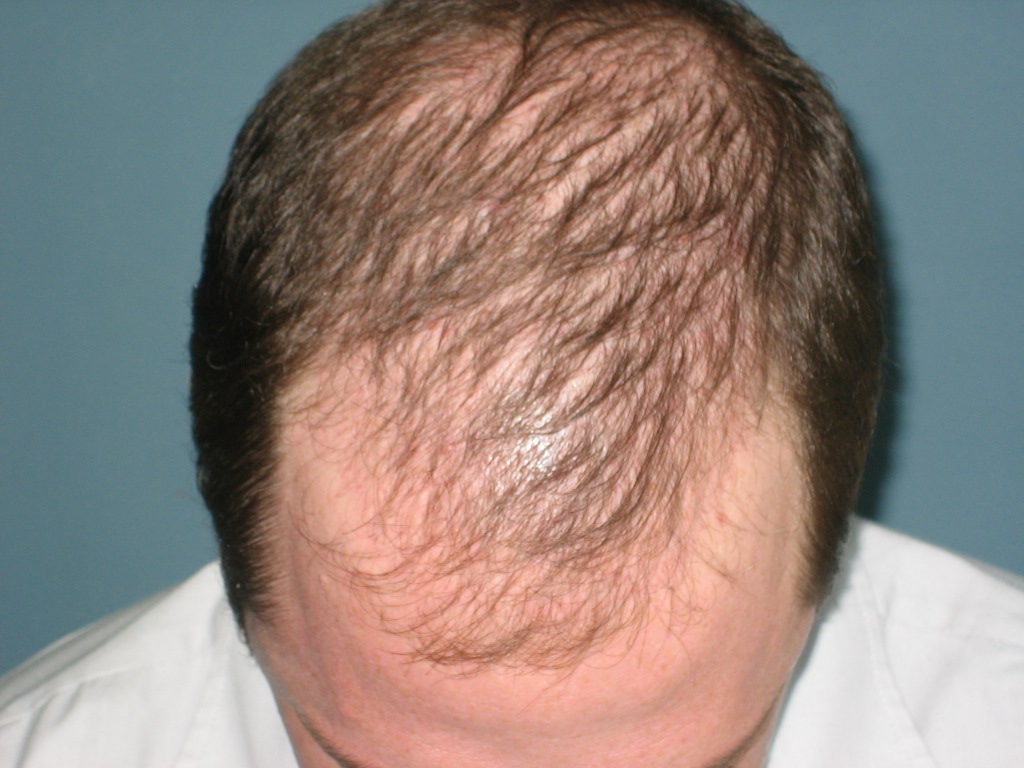
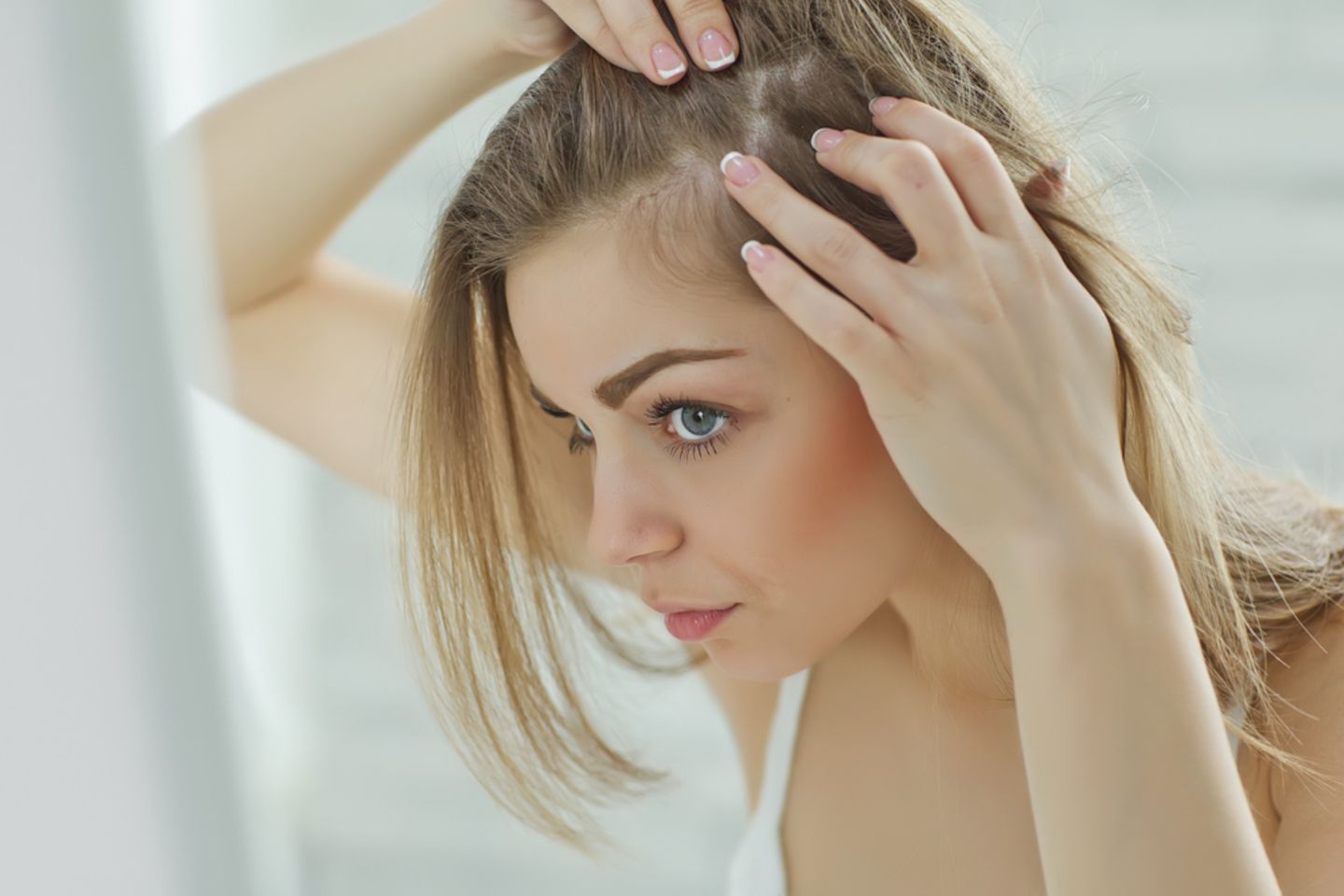
Female pattern hair loss typically causes a widening part, reduced density at the crown, or a thinner-looking ponytail. The front hairline may remain relatively stable, and individual hairs can become progressively finer over time. Without treatment, this miniaturization may continue slowly, even if daily shedding does not seem dramatic.
Nutrient-related shedding, including shedding associated with low vitamin D, iron deficiency, inadequate protein intake, or certain restrictive diets, more often produces diffuse thinning. The scalp may appear evenly less dense, and increased hair loss can become noticeable several weeks or months after the nutritional problem begins.
- Speed of change: Pattern hair loss usually progresses gradually, whereas nutritional shedding may appear relatively quickly after illness, dietary change, or deficiency develops.
- Distribution: Female pattern loss often concentrates around the part and crown; nutrient-related shedding is more commonly spread throughout the scalp.
- Hair quality: Progressive variation in hair diameter suggests follicle miniaturization, while nutrient-related shedding may involve normal-looking hairs entering the resting phase.
- Recovery pattern: Shedding caused by a correctable deficiency may improve after the underlying issue is addressed, although regrowth takes time and depends on the follicle’s health.
These conditions can also occur together. A dermatologist can assess the scalp, review the timing of shedding, and decide whether nutritional evaluation is appropriate rather than assuming that every case of thinning is caused by vitamin deficiency.
Which Tests Can Identify Vitamin D and Other Hair Loss Causes?
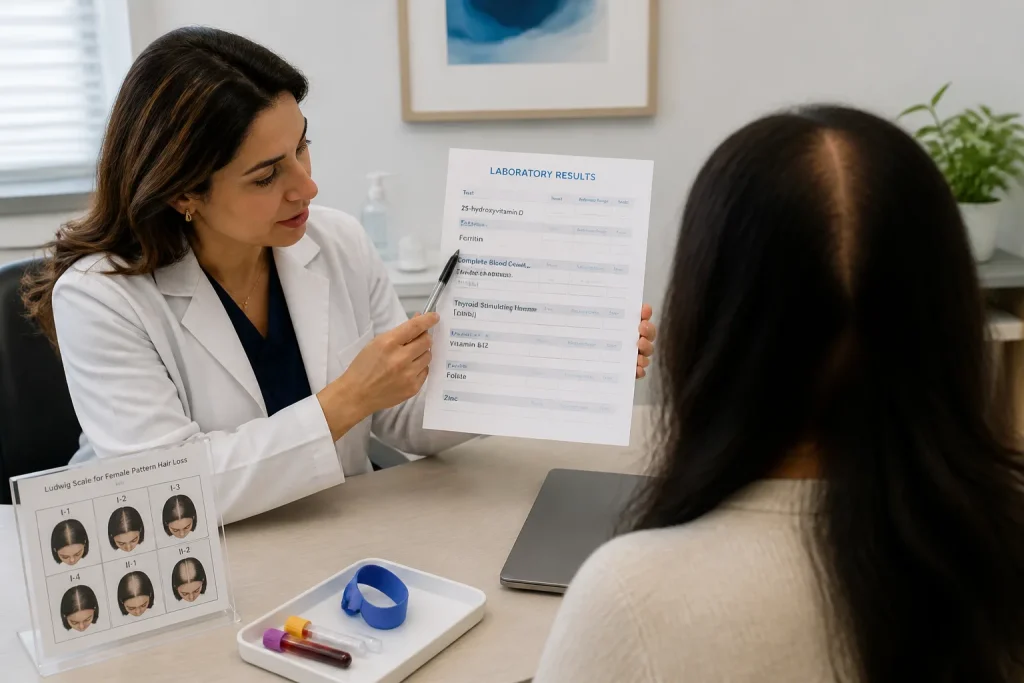
A clinician may use blood tests to determine whether low vitamin D is contributing to hair shedding and to look for other, more common medical triggers. The primary test is a serum 25-hydroxyvitamin D (25-OH vitamin D) measurement, which reflects the body’s vitamin D stores. Results should be interpreted according to the laboratory range, symptoms, medical history, and risk factors rather than viewed in isolation.
Because diffuse shedding can have several causes, a healthcare professional may also check a complete blood count and iron studies, particularly ferritin, to assess for anemia or depleted iron stores. Thyroid-stimulating hormone testing can help identify thyroid disorders, while vitamin B12, folate, zinc, or other nutrient tests may be considered when diet, absorption problems, or other symptoms raise concern.
The pattern of hair loss also guides evaluation. A dermatologist may examine the scalp with dermoscopy to distinguish female pattern hair loss from telogen effluvium, inflammation, or other scalp conditions. If there are irregular patches, scaling, pain, scarring, or signs of hormonal imbalance, additional examinations or hormone testing may be appropriate.
Testing is most useful when tailored to the individual. A recent illness, major stress, rapid weight loss, restrictive diet, pregnancy, medication change, or heavy menstrual bleeding can provide important clues. Anyone with sudden, persistent, or patchy shedding should discuss the findings with a qualified clinician before starting high-dose supplements.
Treatment Options and Hair Care Strategies for Improving Hair Density
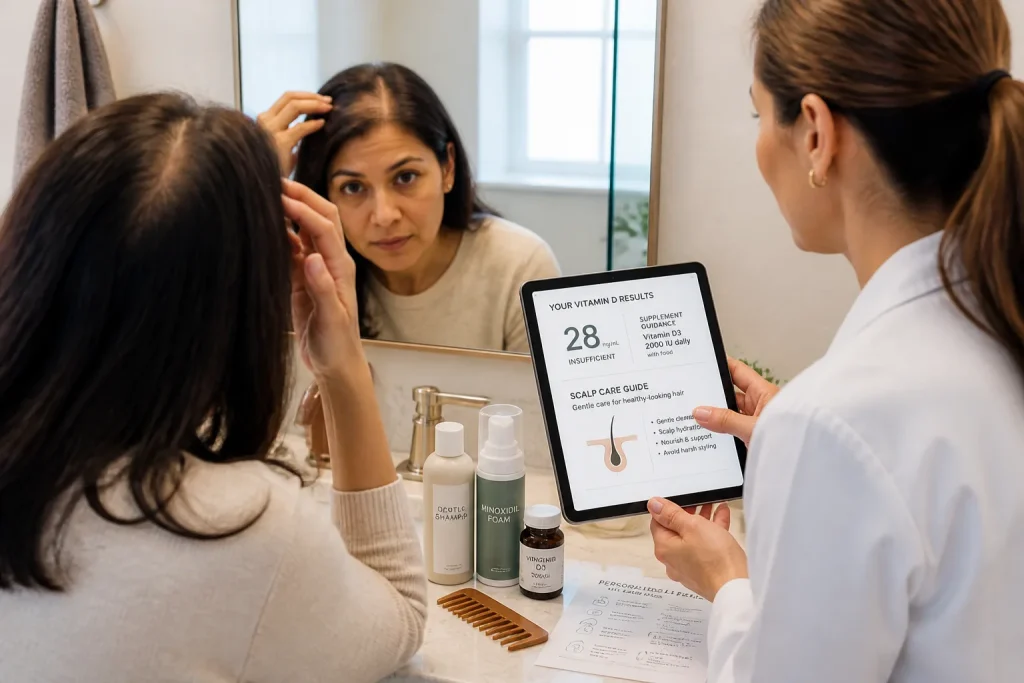
Improving hair density starts with addressing the cause of shedding rather than relying on cosmetic products alone. If testing confirms low vitamin D, a clinician may recommend an appropriate supplement dose and review other nutritional or hormonal factors that could affect the hair cycle. Correcting a deficiency may support normal follicle function, but visible regrowth can take several months and is not guaranteed if female pattern hair loss is also present.
For pattern-related thinning, evidence-based treatments such as topical minoxidil may help maintain or increase density in some women. It should be used consistently and discussed with a healthcare professional, particularly during pregnancy, breastfeeding, or when scalp irritation occurs. Other prescription options may be considered when suitable, based on medical history and the distribution of thinning.
Daily hair care can reduce additional breakage and make existing hair appear fuller. Use a gentle shampoo, apply conditioner to the lengths, and avoid tight hairstyles, frequent heat styling, bleaching, and vigorous brushing. Adequate protein, iron-rich foods, regular meals, sleep, and management of ongoing stress also support healthy hair production, although supplements should not replace testing or a balanced diet.
Consistent treatment and realistic timelines are essential because hair follicles respond slowly. A clinician can monitor shedding, scalp changes, and treatment tolerance over time. If medical treatment does not provide sufficient coverage, hair restoration procedures may be discussed for selected cases, but the donor area, follicle quality, and stability of hair loss must be assessed before considering options such as FUE or other techniques.
FAQs
Can low vitamin D cause sudden hair loss in women?
Yes, low vitamin D may contribute to increased hair shedding or thinning in some women, but it usually does not explain sudden hair loss by itself. Other common causes include stress, illness, hormonal changes, thyroid disorders, iron deficiency, medications, and alopecia areata. A healthcare professional can check vitamin D and other relevant blood tests to identify the cause before recommending supplements.
What vitamin D level is recommended for healthy hair growth?
For healthy hair growth, many clinicians consider a blood vitamin D level of at least 20 ng/mL (50 nmol/L) adequate, while some aim for 30 ng/mL or higher, particularly when evaluating hair shedding. Vitamin D deficiency may contribute to hair loss, but supplementation supports regrowth only when a deficiency exists. Ask a healthcare professional to interpret your test results and recommend a safe dose.
Will hair grow back after treating a vitamin D deficiency?
Hair may grow back after correcting a vitamin D deficiency, especially if the deficiency contributed to temporary shedding or weakened hair growth. Regrowth is not guaranteed, because hair loss can also result from genetics, thyroid problems, stress, or other nutritional issues. A healthcare professional can confirm the cause and monitor progress; noticeable improvement may take several months.