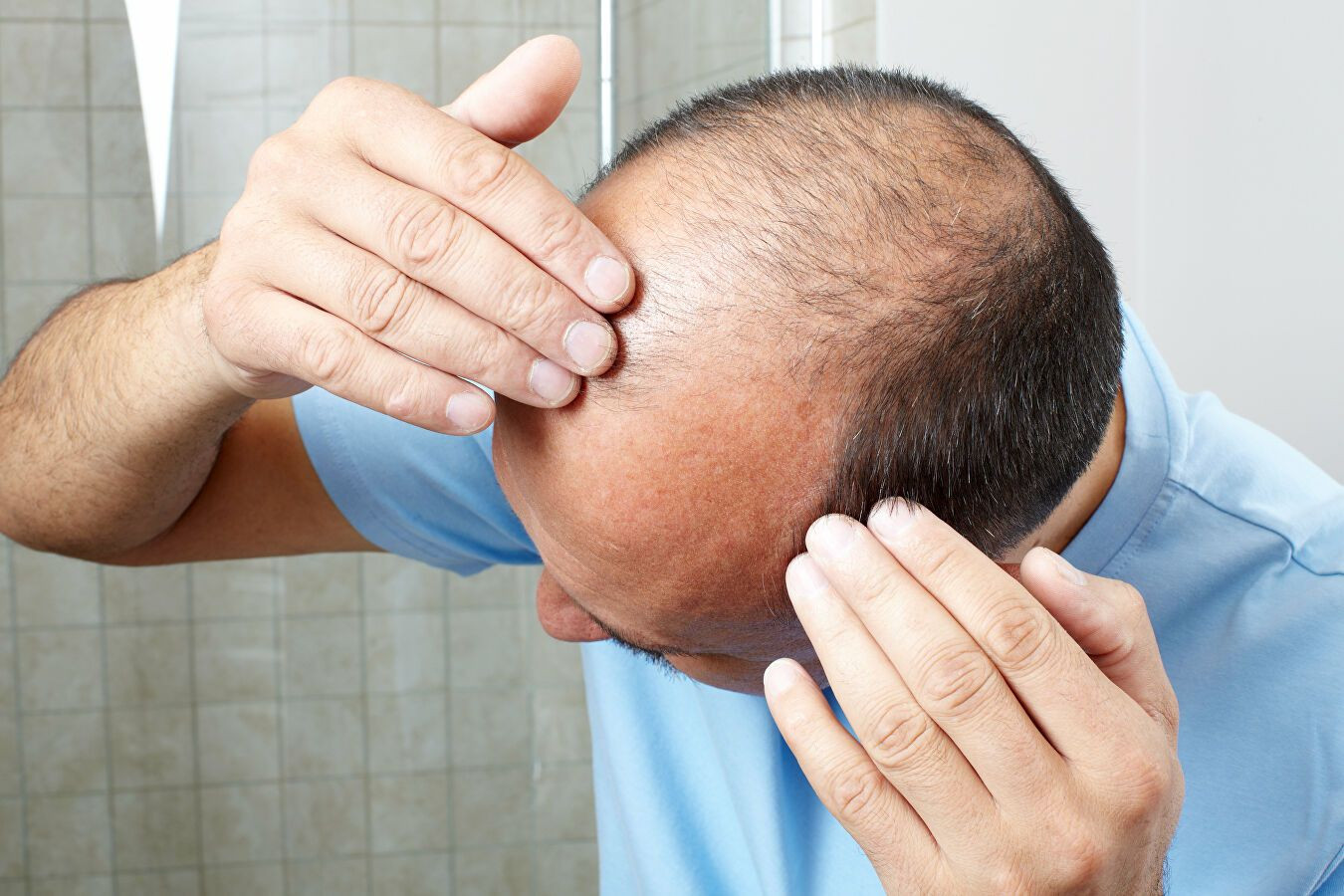
Depression and hair loss can be connected in several ways, but the relationship is not always straightforward. Ongoing stress, changes in appetite or sleep, reduced self-care, and certain antidepressant medications may affect the hair growth cycle and increase shedding. Noticeable thinning or bald patches can worsen self-esteem and deepen emotional distress, creating a difficult cycle. Is the hair loss caused by depression itself, treatment, or another health condition? Understanding possible triggers is the first step toward finding appropriate support. This article explains how depression may influence hair follicles, which types of shedding can occur, when regrowth may happen, and when medical advice is needed. It also outlines practical steps to protect both mental well-being and hair health.
How Depression and Hair Loss Can Be Connected

Depressive symptoms can influence hair growth through several overlapping pathways. Ongoing low mood often brings chronic psychological stress, disrupted sleep, reduced appetite, and changes in daily self-care. These factors may affect the normal hair-growth cycle, causing more follicles to enter the resting phase earlier than expected.
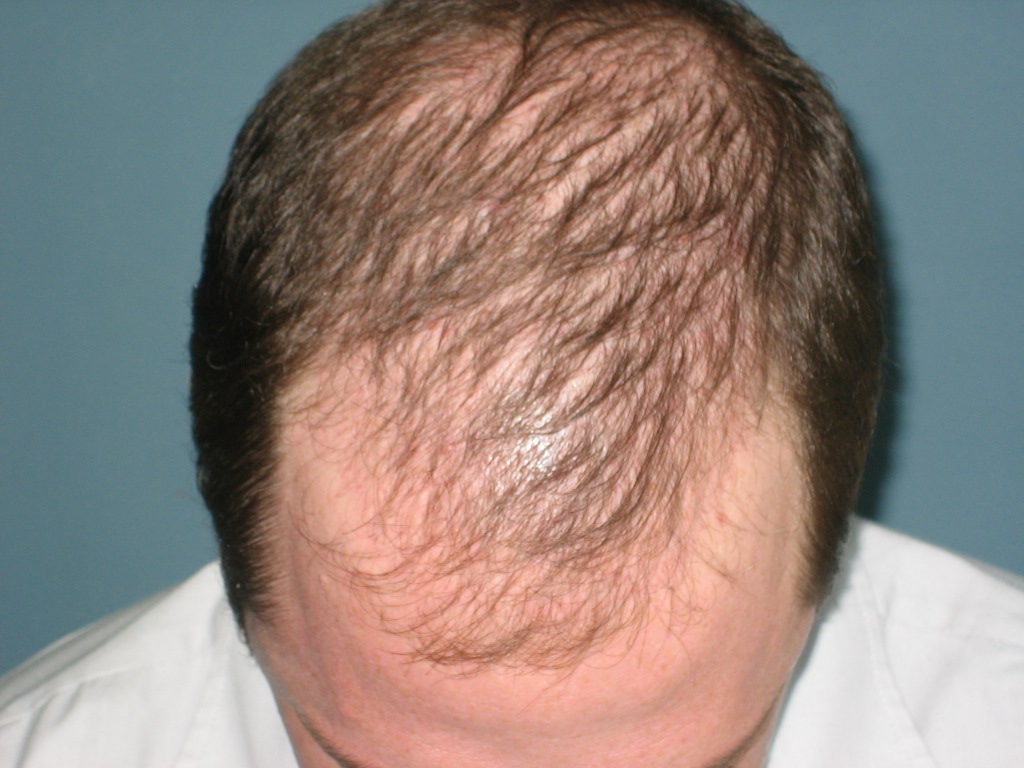
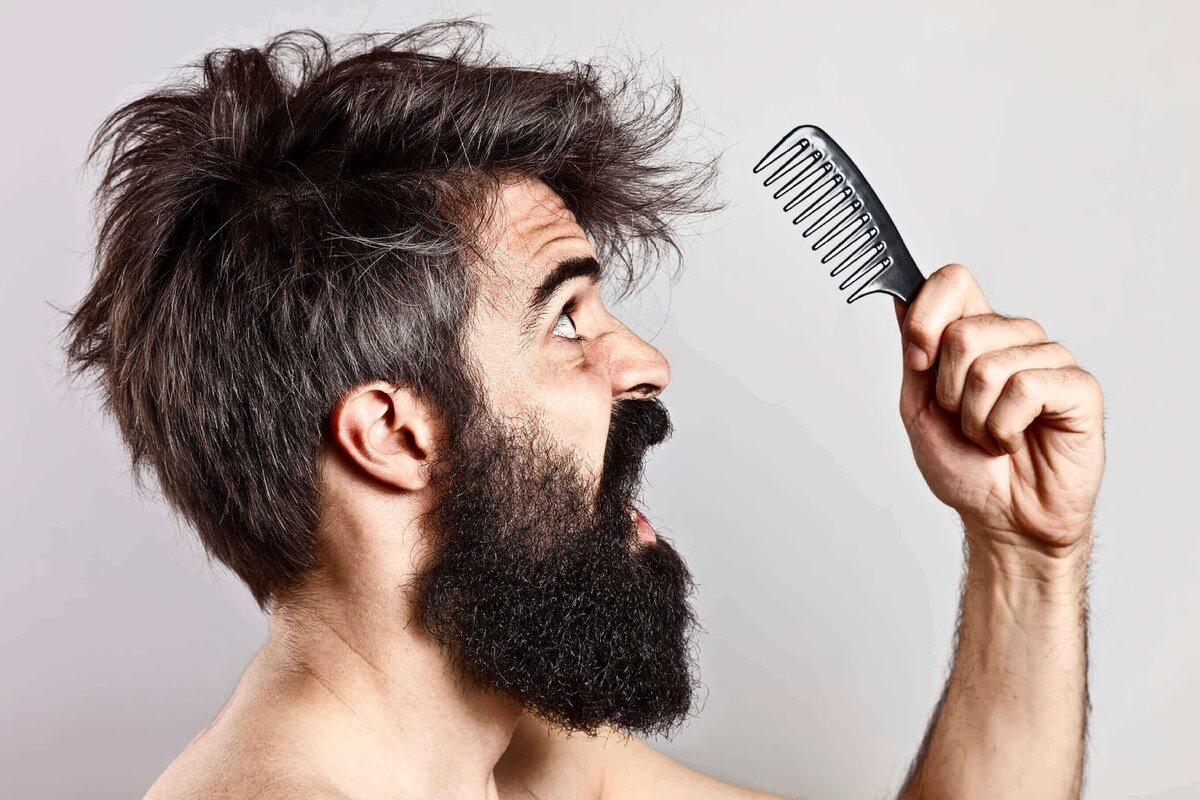
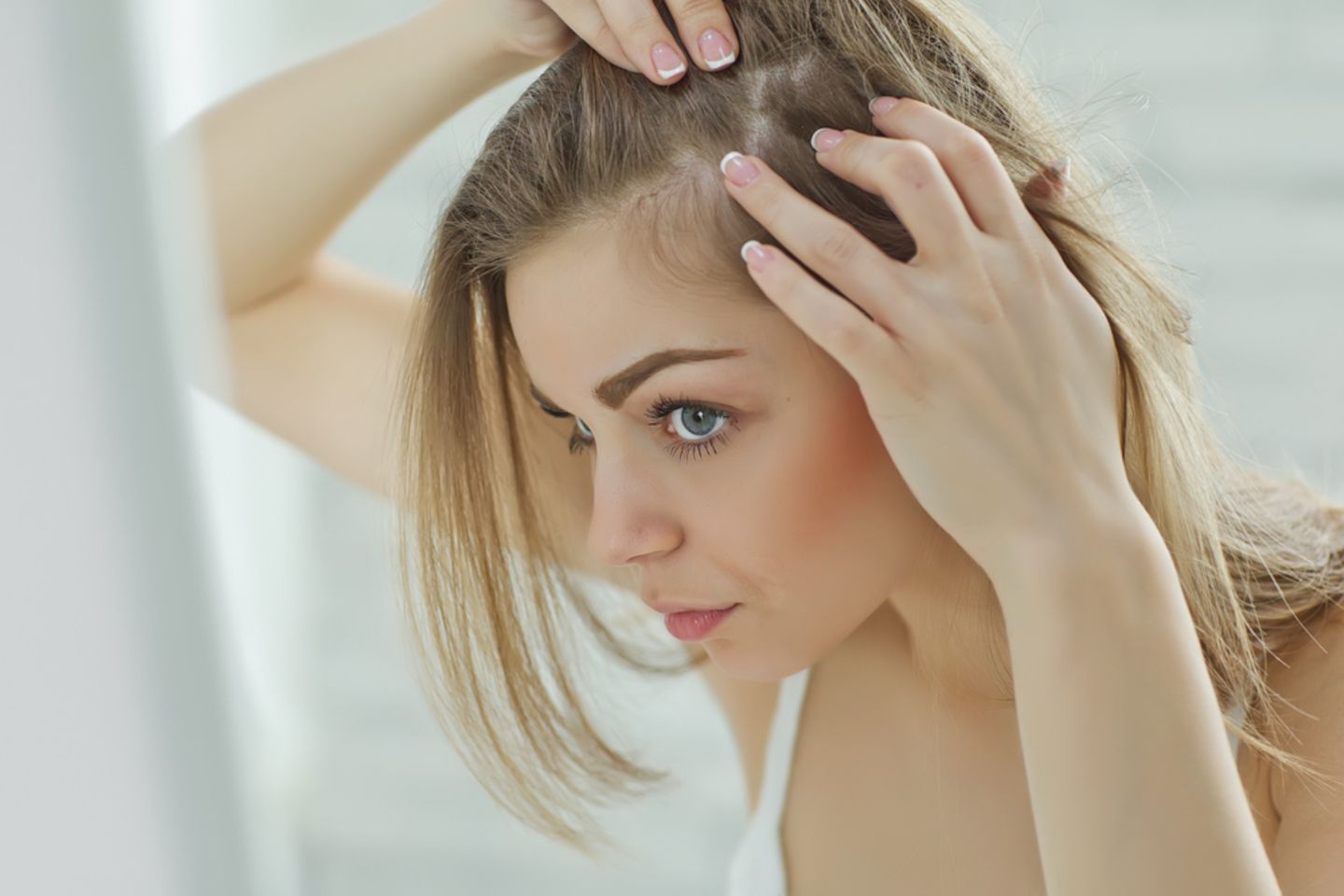
The most common stress-related pattern is telogen effluvium. In this condition, increased numbers of hairs shift from the active growth phase into the shedding phase. Hair loss may become noticeable several weeks or months after a period of severe stress, and thinning is usually diffuse rather than limited to one clearly defined patch. The scalp may appear more visible, particularly during washing, brushing, or styling.
Depression can also contribute indirectly. Someone experiencing low motivation may eat less, follow a restricted diet, neglect regular hair care, or have difficulty managing another health condition. Inadequate intake of protein, iron, zinc, or other nutrients can worsen shedding, although nutritional deficiencies should be confirmed with appropriate medical evaluation rather than assumed.
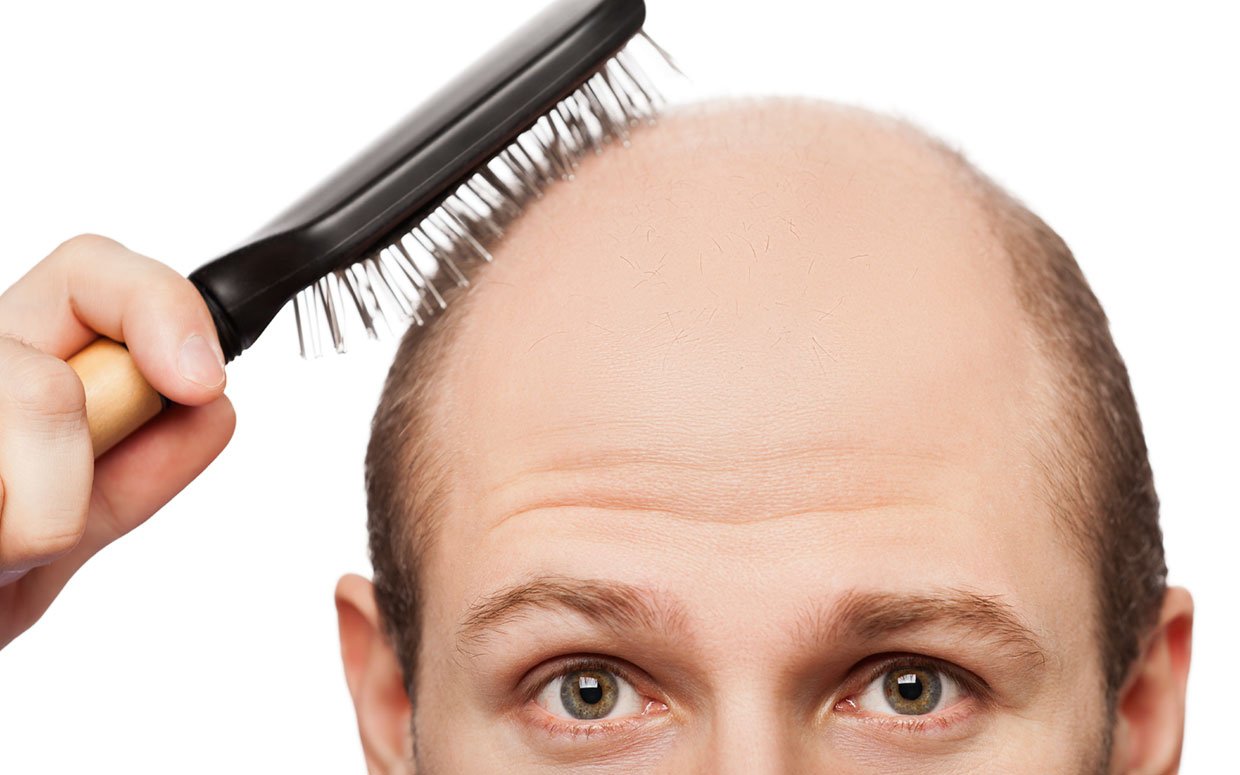
The relationship may work in the opposite direction as well. Visible thinning, receding hair, or sudden shedding can affect self-esteem, social confidence, and body image, potentially intensifying emotional distress. However, hair loss is not always caused by depression or stress; hereditary hair loss, thyroid problems, autoimmune conditions, hormonal changes, and scalp disorders can produce similar symptoms. A clinician can assess the timing, pattern, and associated signs before connecting shedding to mood-related stress.
Can Depression or Hair Loss Treatments Trigger Shedding?

Some treatments used for depression can be followed by temporary hair shedding, although this reaction is uncommon. Antidepressants, including selective serotonin reuptake inhibitors and other medication groups, may shift more hairs into the resting phase of the growth cycle. The result is often telogen effluvium, which may become noticeable several weeks or months after starting treatment, changing the dose, or stopping a medicine.
Hair loss can also be linked to the condition being treated rather than to the medication itself. Reduced appetite, weight changes, poor sleep, emotional strain, and low intake of iron, protein, or other nutrients may all affect hair growth. A stressful illness or major life event can produce a similar delay, making the original cause difficult to identify without a clinical review.
Some hair loss treatments may temporarily increase visible shedding as weaker hairs make way for new growth. This is particularly relevant with topical minoxidil, although the response varies and not everyone experiences it. Hair shedding after starting a treatment does not automatically mean it should be stopped. Never discontinue an antidepressant or hair-loss medication without speaking with the prescribing clinician.
A doctor can review the timing, examine the scalp, assess other symptoms, and consider blood tests for issues such as iron deficiency or thyroid problems. If shedding is sudden, patchy, painful, or accompanied by scalp inflammation, medical assessment is especially important.
How to Tell Stress-Related Shedding From Other Causes
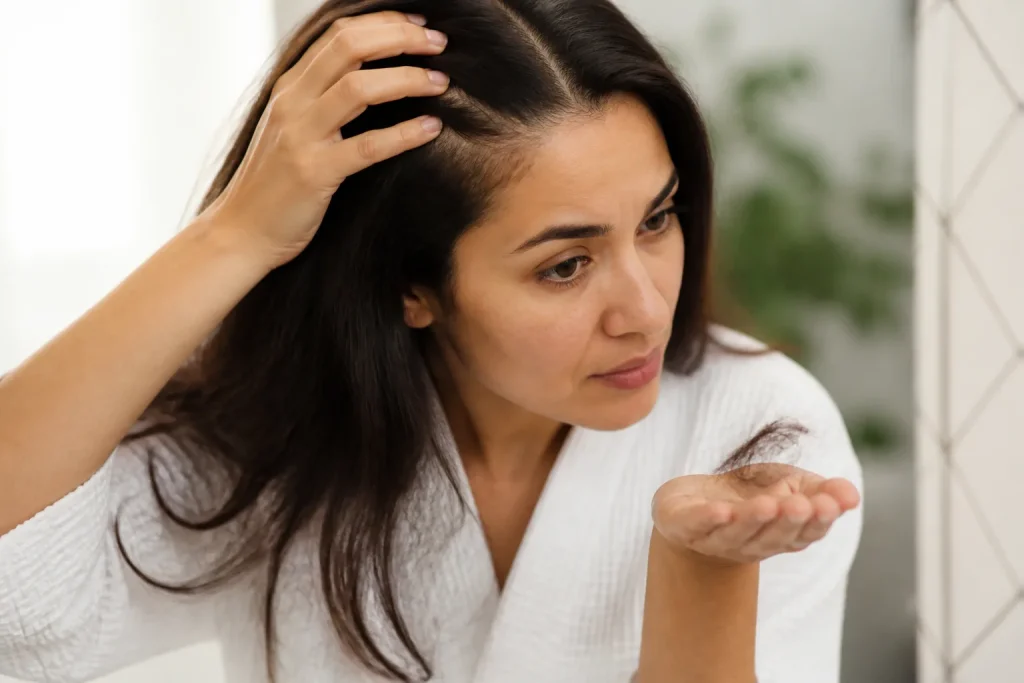
Stress-related shedding often appears several weeks to a few months after emotional strain, illness, major sleep disruption, or another physical stressor. The hair usually becomes thinner across the scalp rather than disappearing in one sharply defined area. Because several conditions can look similar, the timing, pattern, and condition of the scalp provide useful clues.
Look for these distinguishing features when comparing temporary shedding with other causes:
- Timing: Telogen effluvium commonly follows a stressful event with a delay, and increased shedding may continue for several weeks before gradually settling.
- Distribution: Stress-related loss typically causes diffuse thinning, while a widening part, receding hairline, or thinning crown may suggest pattern hair loss.
- Scalp appearance: Redness, scaling, sores, pain, or intense itching can point toward inflammation, infection, or another scalp disorder rather than stress alone.
- Hairline and patches: Smooth, round bald patches may be associated with alopecia areata, especially if eyebrow or eyelash hair is also affected.
- Other symptoms: Fatigue, weight changes, menstrual changes, cold intolerance, or dietary restrictions can indicate thyroid problems, iron deficiency, or nutritional causes.
Telogen effluvium usually produces noticeable hair in the shower, brush, or on clothing, but the follicles remain capable of regrowth. A clinician can examine the scalp, review recent stressors and medications, and order blood tests when appropriate. Persistent, rapidly worsening, or unusual shedding should not automatically be attributed to emotional stress.
When to Seek Medical Help for Hair Loss and Low Mood
Seek medical advice if hair shedding is sudden, persistent, or accompanied by a noticeable change in scalp health. A clinician can assess possible causes such as thyroid problems, iron deficiency, hormonal changes, autoimmune conditions, medication effects, or telogen effluvium rather than assuming stress or low mood is responsible. Early evaluation is especially helpful when thinning continues for more than a few months, becomes visibly worse, or affects daily confidence.
Arrange an appointment sooner if you notice smooth bald patches, rapid recession, broken hairs, scalp pain, intense itching, redness, scaling, sores, or signs of infection. Hair loss concentrated around the hairline or associated with eyebrow or eyelash loss may also require specialist assessment. A dermatologist can examine the follicles and scalp, while blood tests may be considered based on your symptoms, diet, medical history, and medications.
Low mood deserves attention in its own right. Speak with a doctor or mental health professional if sadness, hopelessness, loss of interest, sleep changes, or difficulty functioning lasts for two weeks or more. If you have thoughts of self-harm, feel unable to stay safe, or are in immediate danger, contact local emergency services or a crisis hotline immediately and stay with someone you trust.
Bring a list of medicines and supplements, note when shedding began, and mention recent illness, major stress, weight changes, or menstrual changes. This information helps distinguish temporary shedding from conditions that need targeted treatment and ensures emotional and physical symptoms are addressed together.
Treatment Options for Recovery and Healthier Hair Growth

Effective care begins with identifying why the shedding is happening. A clinician may review mood symptoms, medications, nutrition, thyroid function, hormonal changes, scalp health, and the pattern of hair loss before recommending treatment. Addressing an underlying condition can support both emotional recovery and healthier hair growth.
For stress-related shedding such as telogen effluvium, treatment often focuses on correcting the trigger and allowing the hair cycle to recover. Adequate protein, iron, vitamin D, and other nutrients may help when a confirmed deficiency is present, but supplements should not be taken routinely without medical guidance. Gentle washing, avoiding tight hairstyles, limiting harsh chemical treatments, and reducing heat can also prevent additional breakage.
Depression may require talking therapy, lifestyle support, medication, or a combination of approaches. If hair shedding began after starting or changing an antidepressant, the prescribing clinician should review the timing and possible alternatives. Do not stop psychiatric medication suddenly, as this can cause withdrawal symptoms or worsening mood.
For persistent pattern hair loss, a dermatologist may discuss options such as topical minoxidil or other medically appropriate treatments. Hair restoration procedures, including FUE or DHI, may be considered only after the cause and stability of the loss are assessed. Improvement is gradual because the hair growth cycle takes time, and treatment plans should include realistic expectations, follow-up, and attention to mental health.
FAQs
Can depression cause temporary hair loss?
Yes. Depression can contribute to temporary hair shedding, often through stress-related telogen effluvium, poor nutrition, sleep disruption, or changes in hormones and self-care. Hair growth commonly improves after the underlying cause is addressed, but sudden, patchy, or persistent hair loss should be evaluated by a healthcare professional to rule out other conditions.
Does hair grow back after stress-related shedding?
Yes, stress-related shedding is usually temporary, and hair often grows back once the underlying stress improves. Regrowth may begin within a few months, but restoring normal hair density can take six to twelve months. If shedding continues, becomes severe, or leaves patchy areas, consult a dermatologist to check for other causes of hair loss.
Should I see a doctor for depression and sudden hair loss?
Yes. Depression and sudden hair loss both warrant a medical evaluation, especially because stress, thyroid disorders, nutritional deficiencies, medications, and other health conditions can cause or worsen shedding. A doctor can assess your mental health, examine the scalp, order appropriate tests, and recommend treatment; seek urgent help if depression includes thoughts of self-harm.