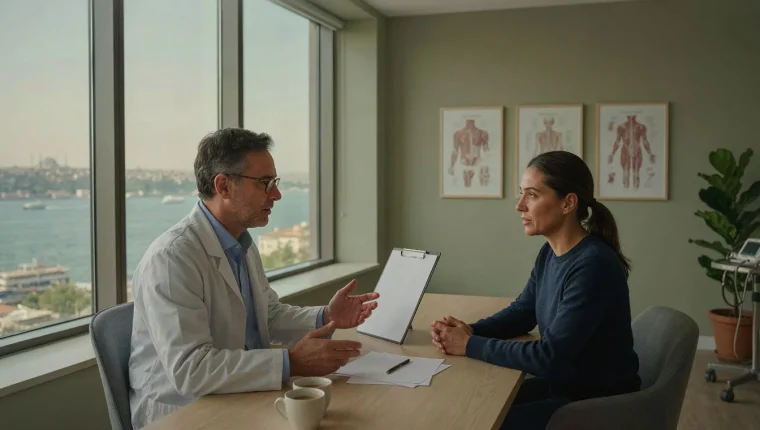
More Canadians are seeking cosmetic surgery abroad, and arm lift surgery in Turkey keeps coming up. The appeal is clear: experienced surgeons, modern clinics, and prices that can be a fraction of what you’d pay at home.
But the real question is whether Turkey offers arm lifts. It’s whether traveling there from Canada is genuinely worth it. Cost matters, but so do safety, recovery logistics, follow-up care, and what happens if something goes wrong after you’ve already flown home.
This guide covers what Canadian patients experience, from the first consultation to the return flight, so you can decide whether an arm lift in Turkey is right for you.
Why More Canadians Are Choosing Turkey for Arm Lift Surgery
The decision to travel abroad for cosmetic surgery is no longer unusual, and Canadians are quietly leading this shift when it comes to upper-arm contouring. Rising demand at home, longer wait times for elective procedures, and limited insurance coverage have pushed many patients to explore options well beyond their local clinics.
Three practical factors explain most of this movement. First, the price gap between private clinics in Canada and accredited facilities in Istanbul, Ankara, or Izmir is simply too wide to ignore, even after flights and accommodation are factored in. Second, several Turkish centres now employ surgeons trained in North America or Western Europe, which reassures patients who previously worried about international standards. Third, the entire medical-trip infrastructure — airport transfers, partner hotels, English-speaking coordinators — has matured into a reliable, well-mapped experience rather than a leap of faith.
Social media has also played a quiet but powerful role. Before-and-after posts, patient testimonials, and clinic walkthroughs give Canadians a transparent preview of what to expect, making the idea of booking a procedure abroad feel far less intimidating than it did even five years ago.
Understanding the Arm Lift Procedure and What It Addresses
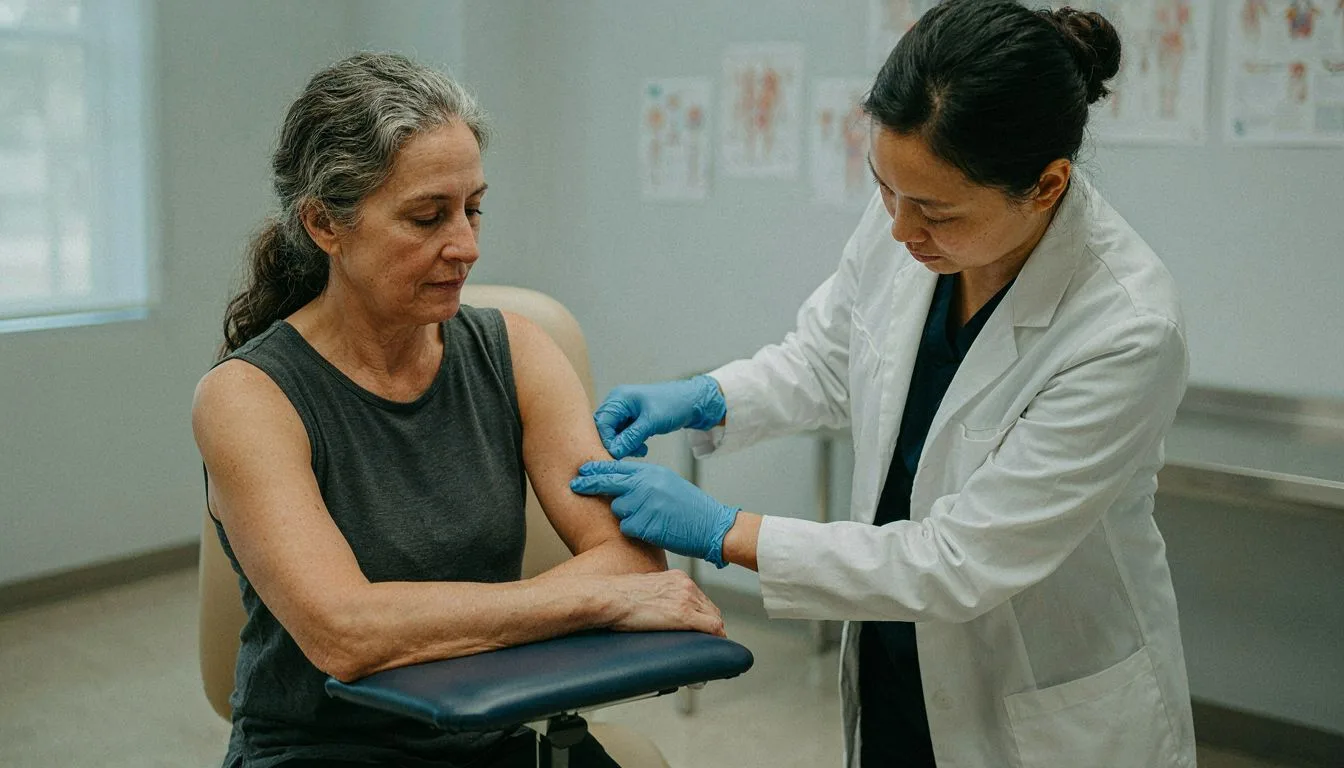
Before you weigh clinics or compare prices, it helps to picture what the surgery actually changes on your arm. An arm lift, known clinically as brachioplasty, is designed to reshape the underside of the upper arm from the elbow up to the armpit. For many Canadians, the parts that bother them in the mirror are stubborn: loose, hanging skin, a soft drape that doesn’t tighten no matter how much they tone the triceps, and sometimes small fat pockets layered beneath that skin. Brachioplasty addresses each of these layers in a planned way, so the result isn’t just smaller arms but a smoother arm contour that holds its shape.
Surgeons tailor the technique to what your arm actually needs, which is why the term “arm lift” covers several specific corrections during a single operation:
- Removing redundant skin between the elbow and armpit that has lost elasticity after weight loss or aging.
- Tightening the underlying supportive tissue so the arm holds a firmer shape once the skin is redraped.
- Combining liposuction with skin excision when stubborn fat sits under the loose skin and needs to be thinned first.
- Repositioning or reducing the inner armpit fold when excess tissue spills into that area and affects how clothing fits.
- Concealing the resulting scar along the inner arm, where it stays hidden in most daily arm positions and sleeveless wear.
Understanding what brachioplasty physically changes makes every other decision easier, from whether you need a mini-lift versus a full incision, to the recovery window you’ll plan around. When the procedure’s scope is clear, evaluating clinics abroad turns into a practical comparison rather than a leap of faith.
Cost Comparison Between Canada and Turkey
When you put the numbers side by side, the gap becomes hard to ignore. In Canada, an arm lift typically runs between $8,000 and $12,000, and that figure usually covers only the surgical fee. Once anesthesia, facility charges, garments, and follow-up visits are added, many patients find themselves pushing past the $13,000 mark.
In Turkey, the same procedure is generally priced between $2,500 and $4,500, and most reputable clinics bundle the essentials together. That bundle often includes the surgeon’s fee, anesthesia, operating room use, compression garments, hotel accommodation, airport transfers, and translator support. The all-inclusive pricing model is what makes the comparison feel so lopsided, because Canadians are not just paying for the operation itself but for a fully arranged experience.
It helps to remember that lower cost does not automatically mean lower quality. Turkish clinics catering to international patients operate in a competitive market where transparent pricing and bundled services are the norm. For Canadians weighing value against budget, the math alone makes a strong case for looking south rather than staying home.
What Makes Turkish Clinics Stand Out for Canadian Patients
Walking into a well-run Turkish clinic for the first time, many Canadian patients describe the same surprise: the experience feels closer to a private recovery retreat than to a typical medical appointment. Modern facilities, English-speaking coordinators, and on-site aesthetic suites have quietly become the standard rather than the exception.
Beyond the polished interiors, what truly sets these clinics apart is how they structure the entire journey around the patient. Pre-operative assessments are often completed remotely before you even board the plane, and your surgeon, anesthetist, and aftercare nurse are usually introduced by name long before the procedure day. This continuity of care is something harder to find at home, where consultations, surgery, and follow-ups are frequently handled by different teams in different locations.
Recovery is where Turkish clinics tend to lean in heavily. Instead of sending you back to a hotel alone, most partner facilities include licensed nurse-supervised aftercare, lymphatic drainage sessions, and daily wellness checks within the package itself. For Canadians used to navigating recovery mostly on their own, this hands-on support is often the detail that turns a price gap into a genuinely different standard of care.
Planning Your Trip: Travel, Recovery, and Stay Logistics

A smooth trip begins long before you board the plane, and arm lift surgery in Turkey comes with a logistical rhythm that Canadian patients often underestimate at first. Flights from Toronto, Montreal, or Vancouver usually land in Istanbul within ten to twelve hours, often with a single connection, and most clinics coordinate airport pickup, hotel check-in, and the pre-operative consultation into a tight 48-hour window. What surprises many travellers is how compact that window feels: consultation, bloodwork, and a final surgical plan can all happen the day after arrival, with the procedure scheduled for day three or four.
The structure of the stay itself usually follows a predictable arc, and understanding it helps you pack and plan with confidence.
- Pre-surgery day is reserved for the in-person consultation, photo review, and signing the consent package with your surgeon.
- Surgery day is short on activity but long on rest, since brachioplasty is performed under general anaesthesia and drains may stay in place for one to two days.
- Recovery days four through seven typically involve a nurse-supervised aftercare apartment, where dressings are changed and mobility is monitored by staff familiar with post-operative signs.
- Compression garments are worn around the clock during this phase, so pack loose button-up shirts and slip-on shoes that won’t disturb the incisions.
- Stitches or staples are usually removed around day seven to ten, after which most clinics clear patients for light sightseeing or a short domestic flight.
- Fly-home clearance is generally given once swelling has stabilised, and surgeons recommend booking a return ticket no earlier than day ten to allow a safe buffer.
On the practical side, Canadians do not need a visa for stays under ninety days, but a six-month-valid passport is still required, and travel insurance that explicitly covers elective surgery abroad is worth purchasing separately. Keep printed copies of your surgical plan, aftercare instructions, and the clinic’s 24-hour contact line in your carry-on, because that file becomes your reference point if anything unexpected comes up during recovery or on the flight home.
Risks, Results, and Long-Term Considerations
Every surgical journey carries trade-offs, and an arm lift is no different. The most common concerns Canadian patients report after brachioplasty include swelling, temporary numbness, and visible scarring along the inner arm. Seroma formation and delayed wound healing can also occur, particularly when post-operative instructions aren’t followed carefully. Choosing a clinic that monitors you closely during the first ten days dramatically reduces these risks, but it never eliminates them entirely.
Results tend to settle gradually over three to six months as swelling subsides and the new arm contour takes shape. Most patients see a meaningful improvement in upper arm definition, especially when they maintain a stable weight afterward. Significant weight fluctuations or pregnancy can alter the outcome, which is why surgeons often recommend waiting until your body has reached a steady phase before scheduling the procedure.
Long-term, the scar remains the most permanent feature. It usually fades within twelve to eighteen months but rarely disappears completely. Sun protection, silicone-based scar therapies, and avoiding tension on the incision during healing all help it mature into a thin, discreet line. With realistic expectations and a consistent aftercare routine, the trade-off between a visible scar and a firmer arm profile tends to feel worthwhile for most patients.
FAQs
How much does an arm lift in Turkey typically cost compared to Canada?
An arm lift in Turkey typically costs between $2,000 and $4,000, while in Canada the same procedure usually ranges from $6,000 to $10,000 or more. The lower price in Turkey is mainly due to reduced operating costs and favorable exchange rates rather than a difference in medical standards, as many Turkish clinics are internationally accredited and use board-certified surgeons. Patients should still factor in travel, accommodation, and aftercare expenses when comparing overall value.
Is it safe for Canadians to have an arm lift surgery in Turkey?
Having an arm lift in Turkey can be safe for Canadians when the procedure is performed by a board-certified plastic surgeon at an accredited clinic or hospital that follows international hygiene and patient-safety standards. Many Turkish surgeons are internationally trained and the country is a recognized hub for medical tourism, offering modern facilities, competitive pricing, and comprehensive packages that often include airport transfers, accommodation, and follow-up care. However, risks include limited in-person follow-up after returning home, potential communication barriers, and variations in clinic quality, so it is essential to thoroughly research the surgeon's credentials, read verified patient reviews, confirm the facility's accreditation, and have a detailed consultation and postoperative plan before committing to the trip.
What is the recovery process like after getting an arm lift in Turkey before flying back to Canada?
Recovery after an arm lift in Turkey usually takes about 7 to 10 days before you are cleared to fly home to Canada, though full healing continues for several weeks. During the first few days, you can expect swelling, bruising, and mild discomfort, which are managed with prescribed pain medication, compression garments, and careful wound care. Most clinics require a follow-up appointment before departure to check incision healing and remove drains if used. Once your surgeon confirms it is safe, you can fly, but you should continue wearing your compression sleeves and avoid lifting heavy luggage for several more weeks.