Celebrity nose jobs often attract attention because even subtle changes can affect a person’s public image. Photographs alone cannot confirm whether a famous person has had rhinoplasty because makeup, lighting, angles, aging, weight changes, and non-surgical treatments can alter facial appearance. This article separates documented information from speculation and explains what public examples can realistically reveal about nose surgery. It also considers how surgeons assess facial balance, why recovery varies, and how readers can evaluate results more carefully. Celebrity transformations may provide general insight, but they should not become a blueprint for personal treatment. Anyone considering rhinoplasty needs an individual consultation with a qualified specialist who can assess their anatomy, goals, and medical suitability.
What Are Celebrity Nose Jobs and Why Do People Choose Them?
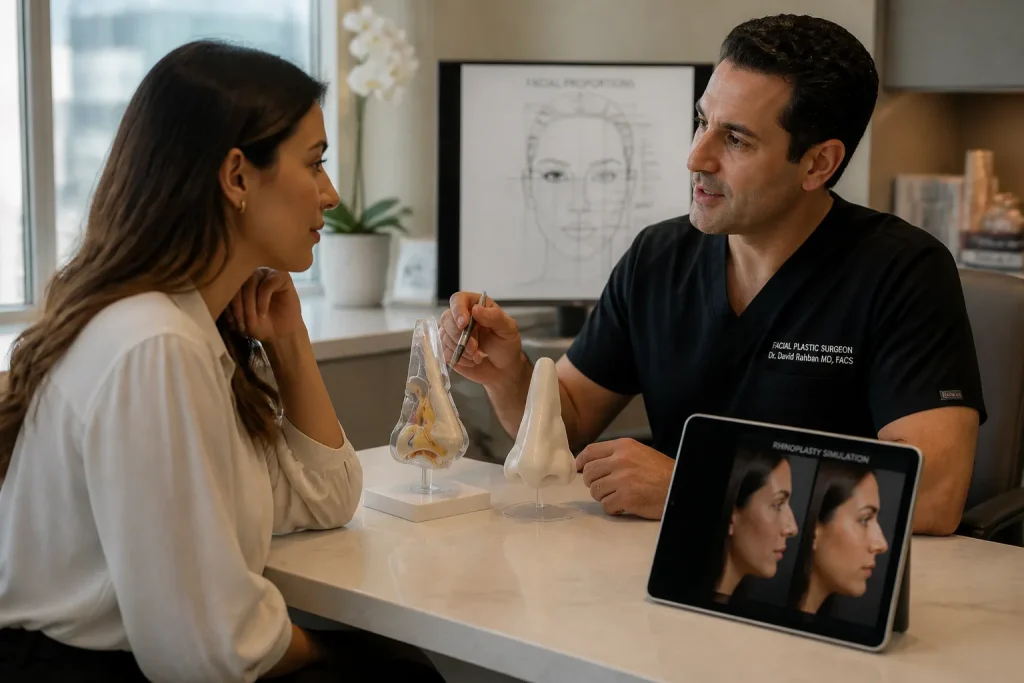
A celebrity nose job usually refers to rhinoplasty performed to change the shape, size, or proportions of the nose. The procedure may address concerns such as a nasal hump, a broad or asymmetrical tip, or an appearance that feels out of balance with the rest of the face. Rhinoplasty can also have a functional purpose, such as improving airflow when structural problems affect breathing.
People may consider surgery for different reasons. Some want a subtle cosmetic refinement, while others hope to feel more comfortable in photographs or reduce self-consciousness about a long-standing feature. A celebrity’s appearance can influence these goals, especially when a particular nose shape becomes associated with attractiveness or confidence. However, inspiration is not the same as a realistic surgical plan.
Individual anatomy determines what changes are suitable and how the final result may look. Skin thickness, cartilage strength, facial proportions, previous injuries, and breathing needs all affect the surgical approach. Trying to copy a famous person’s nose may produce an unnatural result because the same design may not suit another face.
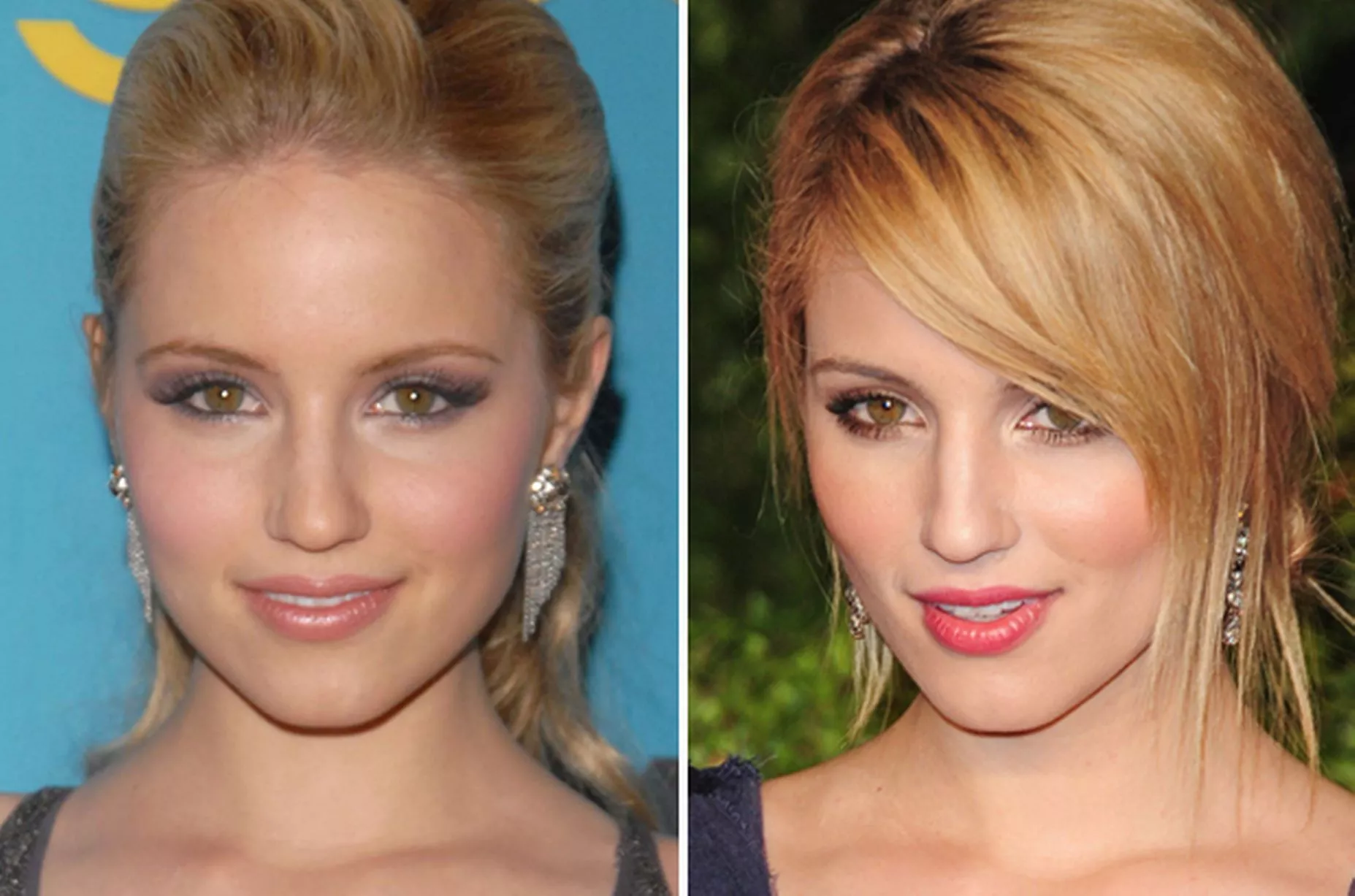
Public images can also make nasal changes seem more dramatic than they are. Camera angles, lighting, makeup, filters, weight changes, aging, and hairstyle can alter perceived proportions. For that reason, an apparent transformation does not always prove that surgery occurred, and photographs alone cannot predict another person’s outcome.
Which Famous Figures Are Linked to Rhinoplasty?
Public discussion often links rhinoplasty with actors, musicians, models, and television personalities, but the strength of those claims varies considerably. A famous person may openly describe having nasal surgery in an interview, share recovery details, or appear in reliable medical reporting. In those cases, the procedure is documented rather than inferred from photographs.
Many other names are connected to cosmetic nose surgery only through online speculation. A change in appearance does not prove that an operation took place, and responsible reporting should clearly distinguish confirmed rhinoplasty from rumor. Celebrities may also keep elective procedures private for personal, professional, or medical reasons, so the absence of an admission cannot confirm or disprove anything.
Apparent differences can have non-surgical explanations, including contouring makeup, camera angles, facial expressions, lighting, photo editing, temporary dermal fillers, and natural aging. Even side-by-side images may come from different stages of weight change or different photographic conditions. For that reason, a public figure’s appearance can provide inspiration, but it cannot establish what treatment occurred or predict how the same change would look on another person.
How Surgeons Assess Facial Balance Before Rhinoplasty
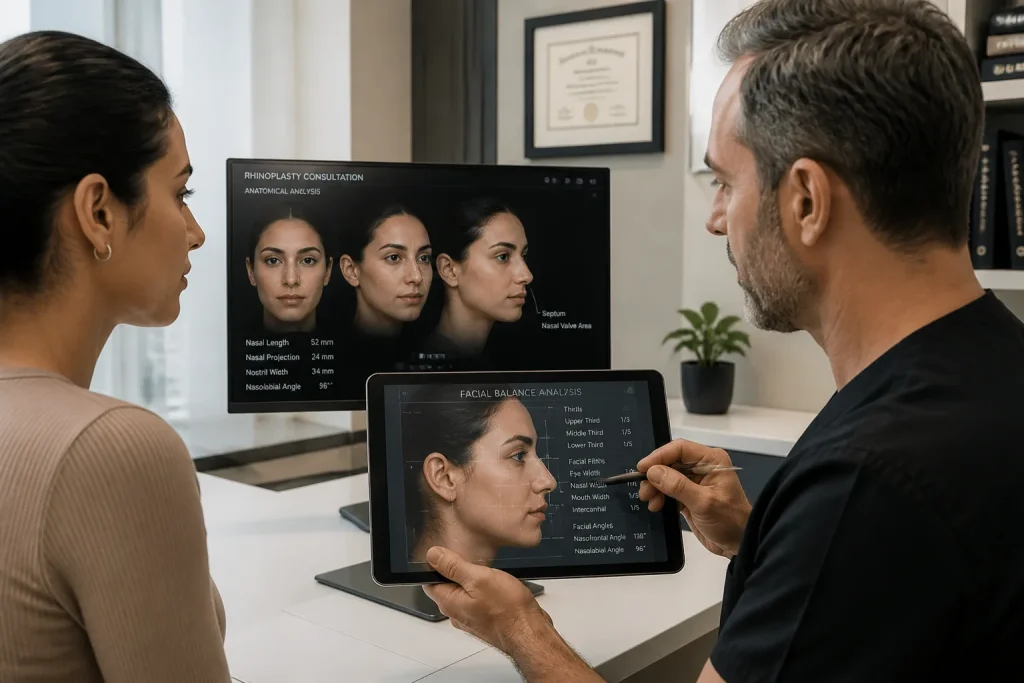
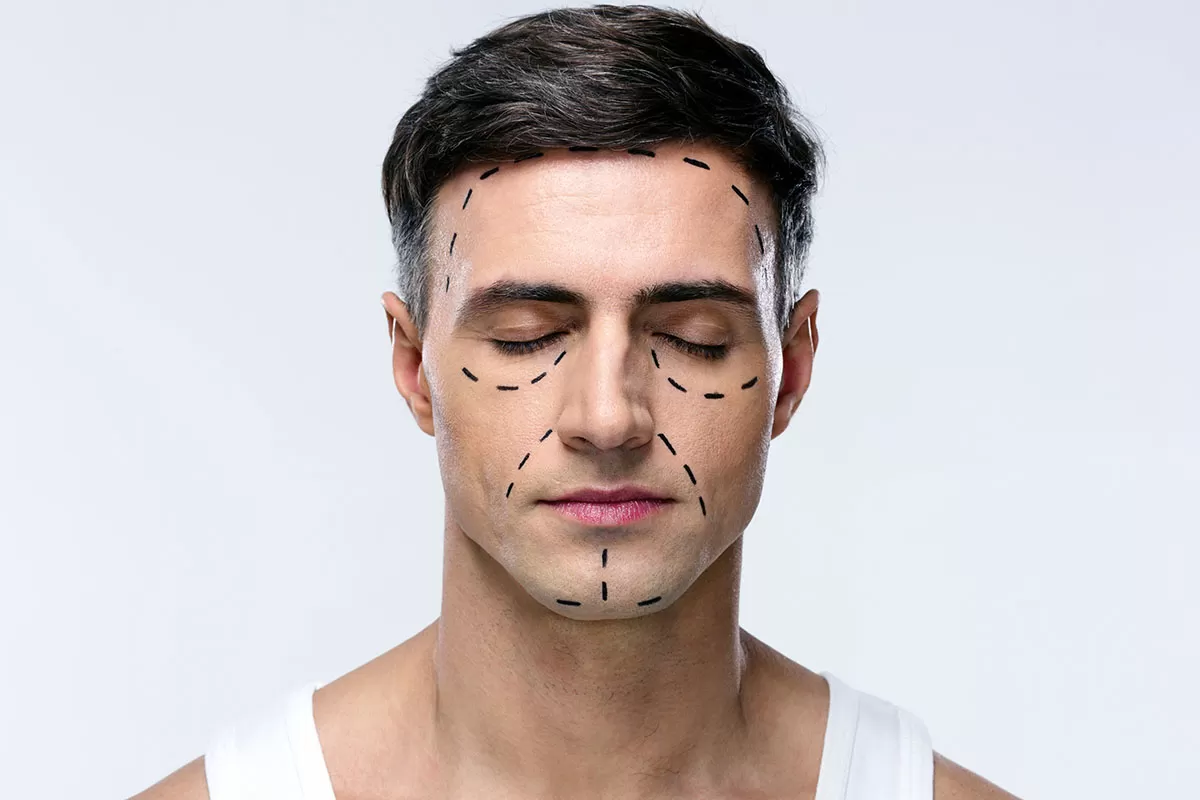
Before planning any rhinoplasty, a surgeon evaluates how the nose relates to the forehead, cheeks, lips, chin, and overall facial width. Measurements may include nasal length, projection, the angle between the nose and upper lip, nostril width, and the balance between the upper and lower face. These proportions help determine whether a subtle change or a more significant structural adjustment would look harmonious.
The examination also focuses on the internal and external anatomy of the nose. The surgeon assesses the nasal bones, cartilage strength, septum, valve areas, and any obstruction that may affect breathing. Skin thickness matters as well: thicker skin may soften fine definition, while thinner skin can reveal small irregularities. These factors influence what changes are technically realistic and how clearly the final contours may appear.
Standardized photographs, physical examination, and, when appropriate, imaging provide more reliable planning information than a celebrity photograph. A famous person’s nose may look different because of lighting, camera angle, makeup, facial expression, or digital editing. More importantly, the same shape may not suit another person’s bone structure or soft-tissue characteristics. The central planning principle is individualized facial balance, rather than copying a recognizable feature.
During consultation, patients should explain what they dislike, whether breathing is affected, and which changes they hope to achieve. Surgeons then discuss the potential benefits, limitations, and risks of surgery, including changes that may be impossible without compromising function. Clear expectations allow the treatment plan to remain proportionate, medically appropriate, and realistic.
What Happens During Recovery After a Nose Job?
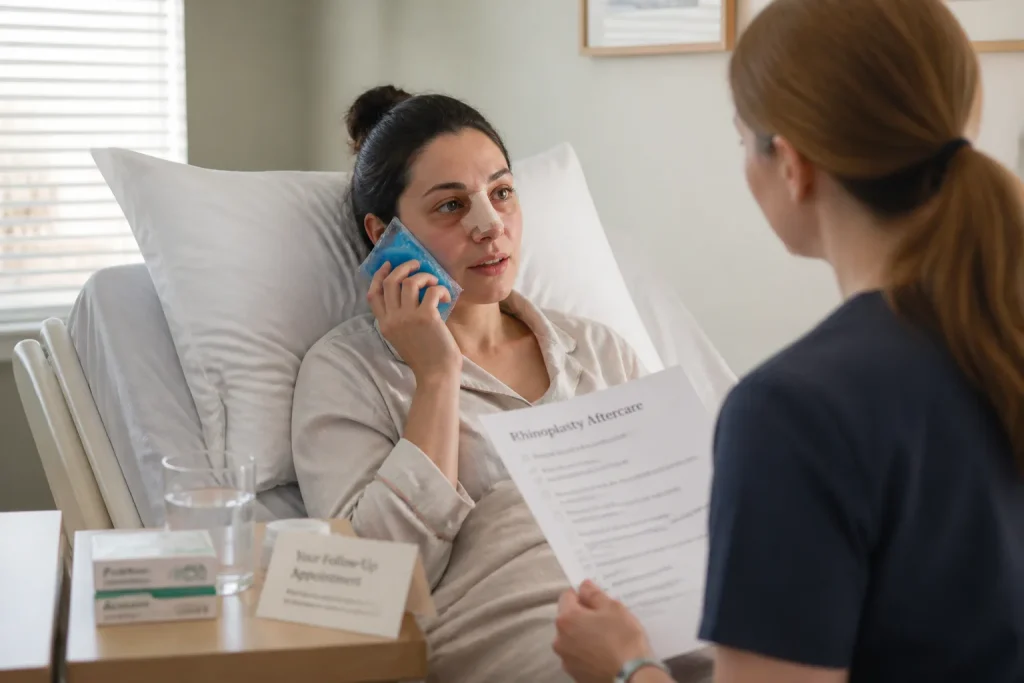
Recovery after rhinoplasty begins with a period of swelling, bruising, nasal congestion, and tenderness around the nose and eyes. A splint or external dressing may remain in place during the first stage, while breathing can feel restricted because of internal swelling. Pain is often managed with the medication plan provided by the surgical team, and patients are generally advised to rest with the head elevated.
During the early weeks, strenuous exercise, heavy lifting, bending, and activities that could impact the nose may be limited. Follow-up appointments allow the surgeon to check healing, remove dressings when appropriate, and address questions about cleaning, medication, and sleeping positions. Patients should follow their own aftercare instructions rather than copying advice associated with a public figure.
Gradual healing determines when the final appearance becomes clear. Bruising may fade relatively quickly, but swelling can persist longer, particularly around the nasal tip. Healing varies according to individual anatomy, the techniques used, skin characteristics, and whether the procedure involved structural changes or revision surgery. The nose may look different from week to week as tissues settle.
Increasing pain, spreading redness, fever, unusual drainage, significant bleeding, breathing difficulty, or any sudden change should be reported to the surgical team promptly. These symptoms do not always indicate a serious complication, but they require professional assessment rather than online comparison or self-treatment.
How to Evaluate Celebrity Rhinoplasty Results Realistically
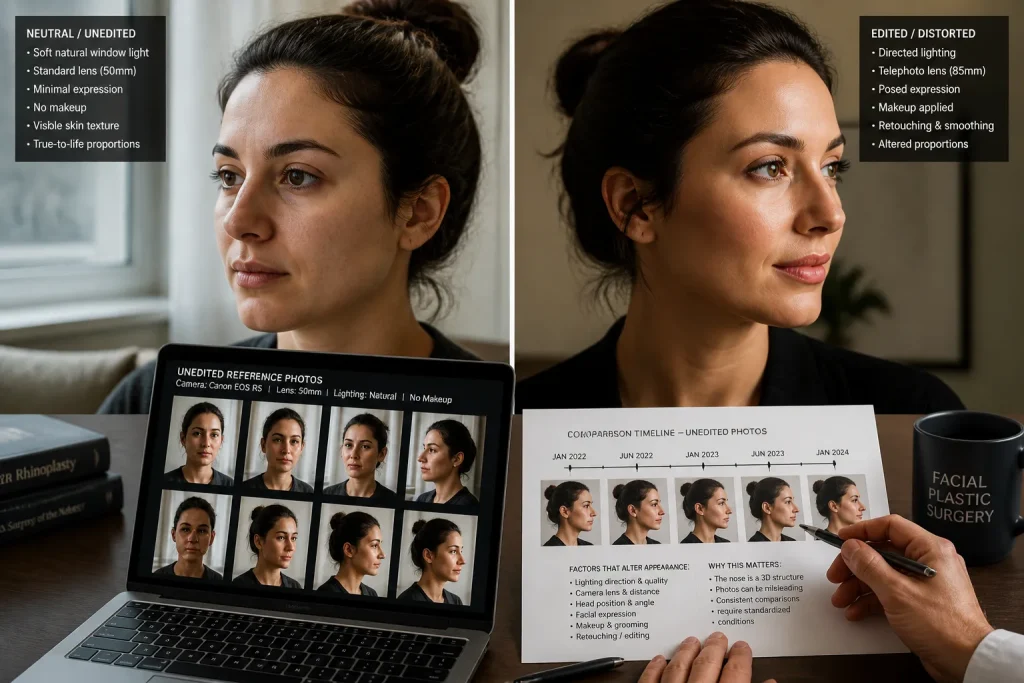
Celebrity rhinoplasty results are difficult to judge from public images alone. A fair comparison requires similar lighting, camera angle, facial expression, makeup, and image quality, as well as reliable information about how much time has passed since any procedure. Swelling can change gradually, while filters, professional retouching, and different lenses may make the nose appear narrower or more defined than it is in person.
Look for consistent changes across several unedited photographs rather than relying on one red-carpet image or online comparison. Even then, visual evidence cannot confirm surgery or reveal the techniques used. A public figure’s result also cannot predict another person’s appearance, because skin thickness, cartilage structure, healing response, facial proportions, and personal goals vary widely.
Individual anatomy should therefore remain the central reference point. Someone considering rhinoplasty should discuss desired changes, breathing concerns, limitations, and realistic expectations with a qualified, board-certified surgeon. Choosing a procedure solely to copy a celebrity’s nose may overlook the facial balance and functional needs that determine whether a result looks natural and feels satisfactory.
FAQs
Are celebrity nose jobs confirmed or only speculated?
Celebrity nose jobs are often speculated about unless the person publicly confirms having rhinoplasty. Changes in photos may also result from makeup, lighting, filters, weight fluctuations, aging, or non-surgical treatments, so appearance alone cannot prove surgery. Reliable confirmation usually comes from the celebrity, their representative, or a qualified medical source.
How much does a celebrity-style nose job cost?
A celebrity-style rhinoplasty typically costs between $8,000 and $25,000, depending on the surgeon’s experience, location, procedure complexity, and whether it is a primary or revision nose job. The price may also include anesthesia, facility fees, consultations, and follow-up care, but coverage varies by clinic. Choose a qualified, board-certified facial plastic surgeon based on expertise and realistic results rather than celebrity comparisons alone.
Can rhinoplasty create the same nose as a famous person?
Rhinoplasty can use a famous person’s nose as inspiration, but it cannot reliably create an identical result. Your bone structure, skin thickness, facial proportions, and healing response all affect the outcome, so a skilled surgeon will design a nose that suits your features and maintains natural function. Share reference photos during consultation, but focus on realistic improvements rather than an exact copy.